

If your summers are long, bright, and genuinely hot, choosing the best plants for hot climates makes the difference between a garden that struggles through August and one that is still flowering when the heat finally breaks. Heat itself is rarely the problem on its own. The trouble usually comes from the combination of fierce sun, warm nights, dry soil, and watering that never quite keeps up. Plants that evolved in hot places handle all of that calmly, while plants that prefer cool summers sulk, stop flowering, or simply give up.
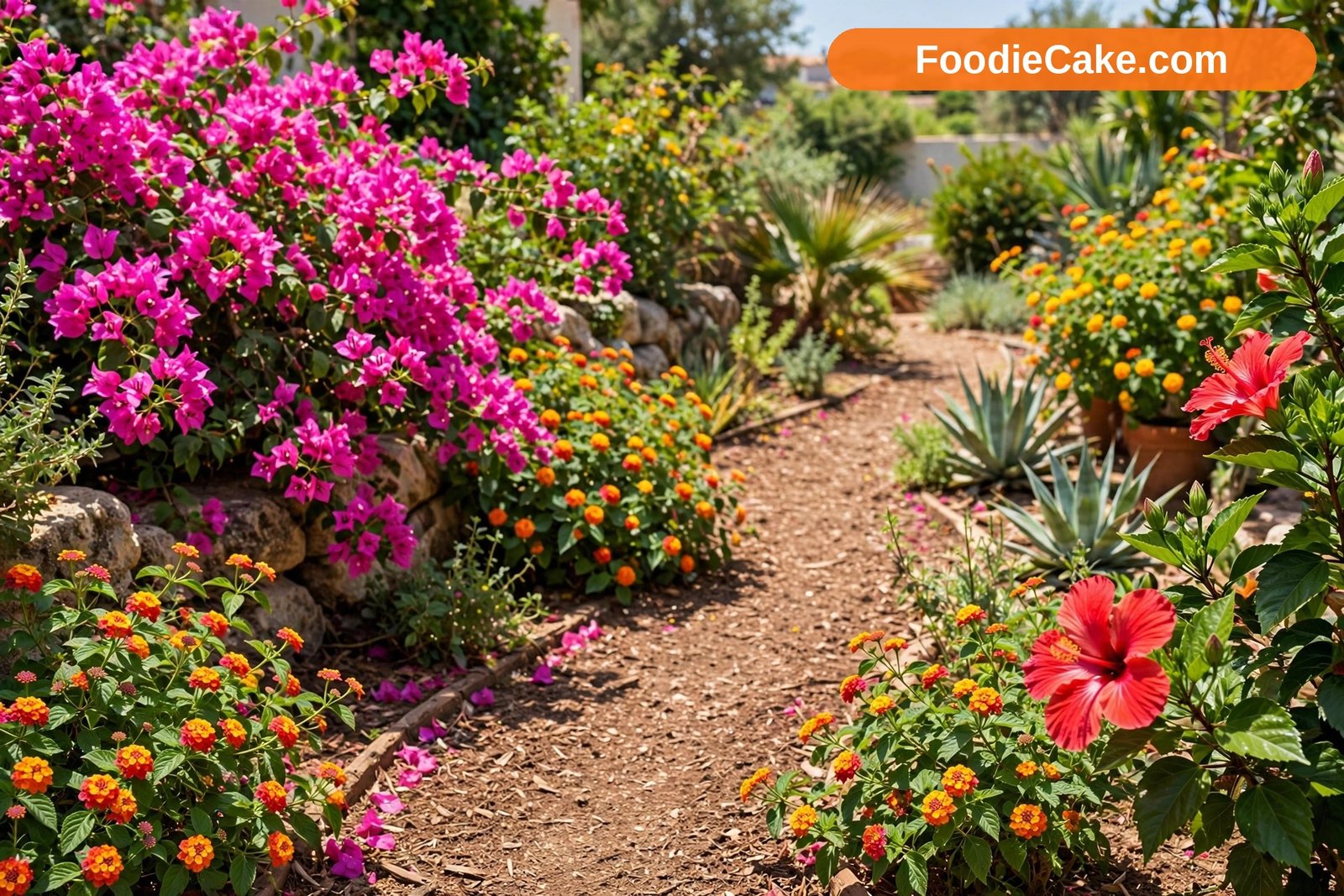
That is actually good news, because a hot climate opens up a wonderful range of plants that gardeners in cooler places can only envy. Bougainvillea spilling over a fence, hibiscus opening fresh flowers every morning, sweet potatoes trailing across the ground, and okra pods ready to pick every second day are all rewards for gardening where the sun is strong. The trick is matching the plant to the kind of heat you have, because hot and humid is a very different challenge from hot and dry.
Humidity matters more than many people realise. In zones 8–10 in the humid Southeast, for example, the air stays damp, fungal problems spread easily, and plants need space for air to move between them. In zones 9–11 in the dry Southwest, the air itself pulls moisture from leaves, containers dry out in hours, and shade in the afternoon can save an otherwise tough plant. A plant labelled heat-loving may thrive in one of those climates and struggle in the other, so read the descriptions below with your own summer in mind.
What Makes a Plant Suited to Hot Climates
Heat-tolerant plants share a handful of useful tricks, and once you can spot them you will start choosing better plants almost instinctively. Many have thick, waxy, hairy, or silvery leaves that lose water slowly. Others have deep roots that reach moisture far below the surface, or small leaves that present less area to the drying wind. Some simply shut down gracefully during the worst weeks and burst back into growth when nights cool a little.
Warm nights are worth thinking about, too. Many familiar garden plants, including tomatoes and peppers, actually use the night to recover. When nights stay very warm, some plants stop setting fruit or drop their flowers, even though the plant itself looks healthy. Heat-set tomato varieties were bred for exactly this problem, and choosing them in a hot region is not a luxury — it is often the reason one gardener harvests tomatoes in August and a neighbour does not.
Finally, be honest about water. Some heat-lovers are also drought-tolerant once established, but many, including hibiscus and most vegetables, love heat and still want regular drinks. Heat tolerance and drought tolerance are two different qualities, and the plant label does not always make the distinction clear.
Best Flowering Plants for Hot Climates
Lantana is one of the most dependable summer flowers for hot gardens. It blooms for months, shrugs off heat and brief dry spells once established, and draws butterflies whenever it is in flower. In zones 8–10 it may return from its roots after a mild winter; in colder areas it is usually grown as a summer annual, and in frost-free zones 10–11 it can become a sizeable shrub. Give it room, full sun, and soil that drains, and prune it back when it gets leggy rather than reaching for the watering can.
Portulaca, often called moss rose, is made for the spot nothing else wants: the hot, dry strip beside a driveway or the shallow soil at the top of a sunny wall. Its fleshy leaves store water, and its flowers open cheerfully in the brightest part of the day. It asks for sharp drainage and very little else. Vinca, the Madagascar periwinkle sold as Catharanthus, is another star for hot beds and containers, flowering steadily through humid heat that exhausts petunias. Choose modern varieties, keep the foliage as dry as you can when watering, and it will carry a bed from late spring until frost.
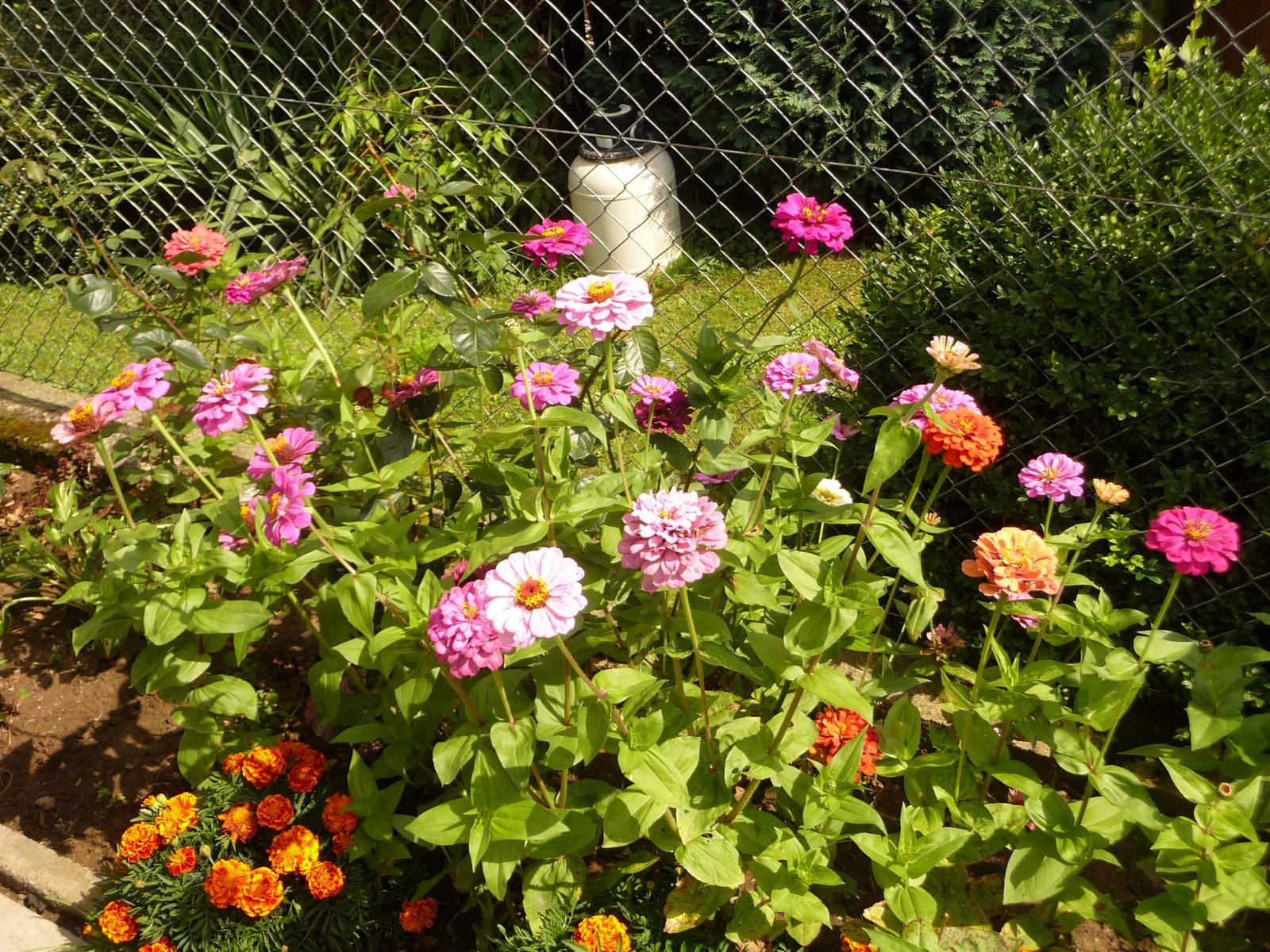
Zinnias deserve a place in almost every hot garden. They love warmth, grow quickly from seed sown straight into the bed once the soil is warm, and provide colour and cutting flowers all summer. Space them generously and water at the base, because crowded zinnias in humid weather are prone to powdery mildew on the leaves. Deadhead regularly and the plants keep producing fresh blooms instead of setting seed.
Bougainvillea is the classic hot-wall plant for frost-free gardens in zones 9–11, and a superb large-container plant elsewhere, brought under cover for winter. It flowers best when it is slightly thirsty, well fed with sun, and a little root-restricted, which is the opposite of how most gardeners instinctively treat it. Water deeply but not constantly, train the thorny stems where you want them early, and expect the show to improve as the plant matures.
Hibiscus comes in two useful forms. Tropical hibiscus, Hibiscus rosa-sinensis, gives huge, glossy flowers in zones 9–11 and in pots elsewhere, and it wants regular water and feeding through summer. Hardy hibiscus, Hibiscus moscheutos, survives winters in much colder zones, dies back to the ground, and then produces dinner-plate flowers in the hottest part of summer, just when the garden needs them. Both appreciate mulch and consistent moisture.
Gaillardia handles poor, dry soil and keeps flowering with minimal deadheading, and many salvias bloom for a long season in hot gardens. If you are planting best plants for full sun gardens, these stalwarts are a sensible place to start, because full sun where afternoons regularly feel fierce is a sterner test than full sun in a mild climate.
Best Shrubs, Climbers, and Ground Covers for Heat
Shrubs give a hot garden its structure, and the right ones look good without constant watering or pruning. Oleander is famously tough in hot, dry, and coastal gardens in zones 8–10, flowering for months on very little care. It earns one clear warning: all parts of oleander are poisonous, so place it where children and pets will not chew it, and wear gloves when pruning. Where that risk rules it out, consider Texas sage, Leucophyllum, which produces soft purple flowers after humid spells or summer rain and positively dislikes rich, wet soil.
For climbers, mandevilla brings glossy leaves and trumpet flowers to a trellis all summer, grown as an annual or overwintered in a pot in cooler zones. Crossvine and coral honeysuckle are sturdy native climbers in the Southeast that handle heat and humidity and feed hummingbirds.
Ground covers solve the baked-soil problem at the front of beds. Sweet potato vine races across hot soil and spills from containers, though it wants regular water. Creeping rosemary and thyme suit dry, sunny edges. In very dry gardens in zones 8–10, ice plant and other succulent ground covers knit together quickly, but they resent wet winter soil, so drainage decides their success.
Best Vegetables and Herbs for Hot Climates
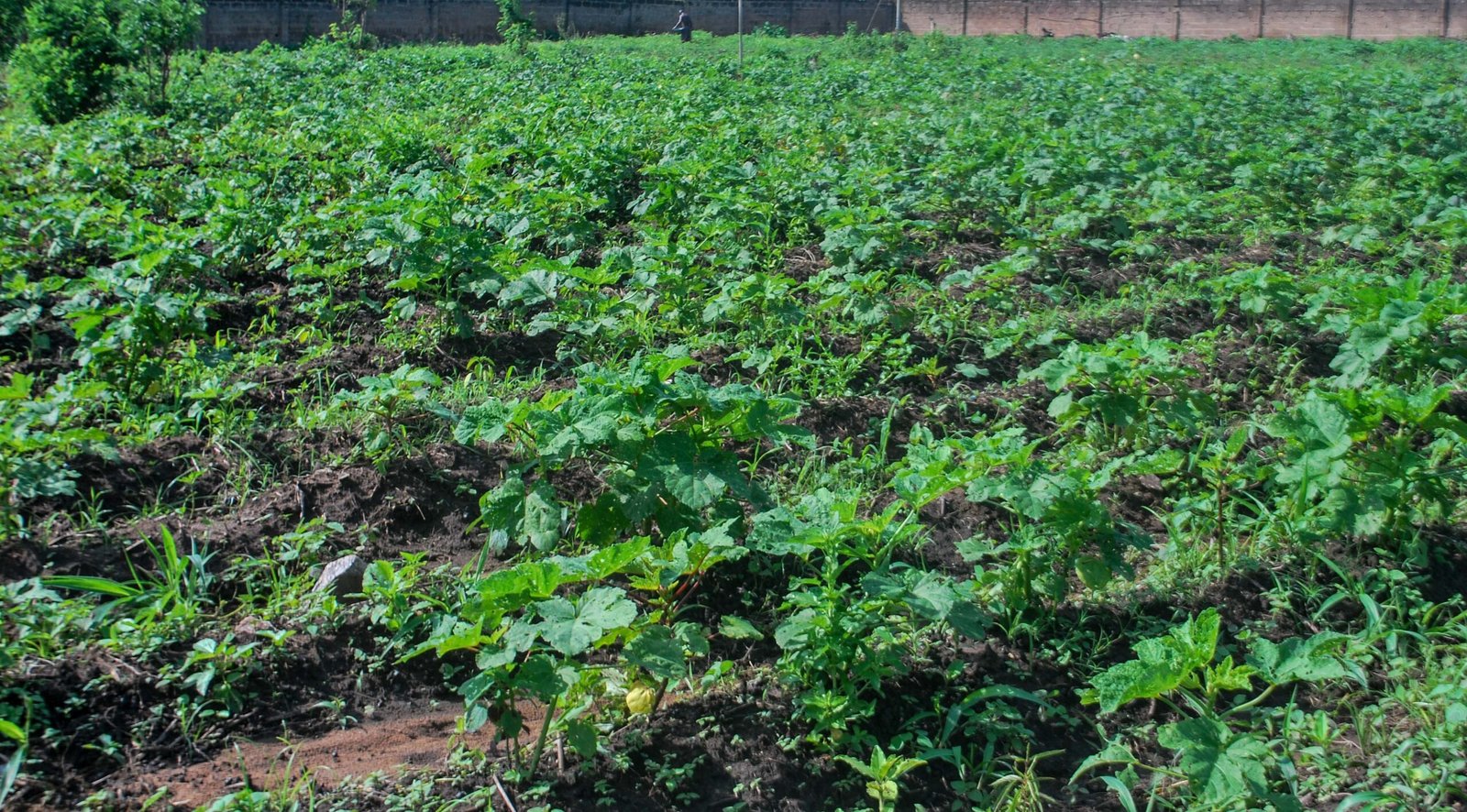
Some vegetables do not merely tolerate heat — they wait for it. Okra is the clearest example. Sow or plant it when the soil is properly warm, and it grows fast, flowers prettily, and produces pods that need picking every day or two at the height of the season. Varieties such as Clemson Spineless are widely reliable, while burgundy types add colour to the bed as well as the kitchen. Pick pods young and small, because large pods turn tough quickly.
Sweet potatoes are another heat-loving treasure, and unusually, the leaves are edible too, cooked like spinach. Plant slips after all danger of frost has passed and the soil has warmed, give the vines room to run or a large container to spill from, and expect a harvest in autumn before the first frost. In zones 8–10 they are often at their most productive, because the long warm season lets the roots size up fully.
Peppers, both sweet and hot, thrive in heat as long as water is steady. Very hot afternoons can cause temporary flower drop, but plants usually resume setting fruit as soon as nights moderate slightly. Eggplants are similar: they sulk in cool soil, then grow with real enthusiasm in summer. Long, slender Asian types and classic globe types both do well, and flea beetles are the pest to watch for early in the season — a light row cover for the first few weeks helps young plants get ahead of them.
Cowpeas, also called black-eyed peas or southern peas, are one of the smartest hot-climate choices of all. They fix nitrogen, cover the ground, tolerate dry spells, and keep producing in heat that shuts down ordinary beans. Yard-long beans share that heat-loving nature and are great fun on a trellis. Malabar spinach is not a true spinach but a handsome climbing vine whose thick leaves cook like spinach and keep coming through the hottest, most humid weeks, when real spinach has long since bolted.
Herbs bring some of the best value in a hot garden. Basil adores warmth and grows rapidly in summer, as long as it is watered and pinched often to delay flowering. Rosemary, thyme, oregano, and sage come from Mediterranean summers and suit hot, dry, well-drained spots, though rosemary hardiness varies — in zones 8 and warmer it is usually a reliable shrub, while in colder or wetter places a pot brought under cover is safer. Lemongrass grows into a dramatic clump in one hot season and is tender, so pot it if winters are cold.
Best Low-Water Plants for Hot, Dry Gardens
Where water is limited or summers are reliably dry, build the backbone of the garden from plants that store water or sip it slowly. Agaves and yuccas give bold structure in zones 8–10 and warmer, depending on the species, and ask mainly for drainage and space — many are fiercely spined, so keep them back from paths. Prickly pear cactus is hardier than most people expect, flowers beautifully, and spreads, so it suits a spot where it can be admired from a respectful distance.
Sedums and other hardy succulents carpet sunny edges and green roofs with very little water, and their flowers feed bees late in the season. Lavender belongs in hot, dry gardens with gritty, free-draining soil; it fails far more often from wet winter roots than from summer heat. Penstemon, gaura, and Russian sage add airy flowers on dry ground once established, and all three look better when the soil is lean rather than rich and soggy.
Even a drought-tolerant plant needs regular watering in its first season while its roots grow deep. Water deeply and less often, then gradually stretch the interval. After that first year, most of these plants need help only in prolonged dry spells.
Watering Strategy for Hot Weather
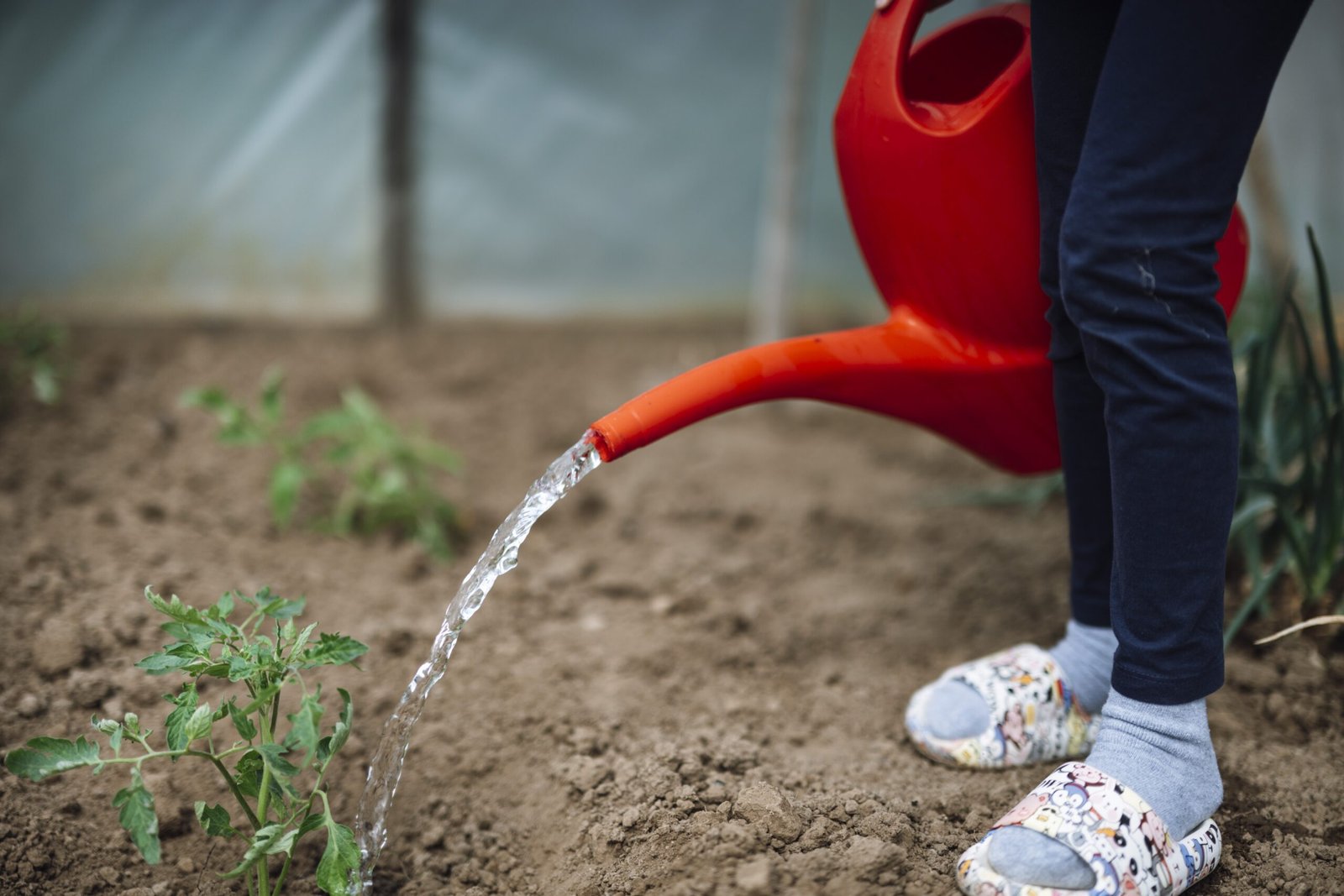
How you water matters as much as how much. Water early in the morning whenever you can. The soil absorbs more before the sun climbs, leaves dry quickly, and plants start the day fully hydrated. Evening watering is second best and far better than none, though in humid climates wet foliage overnight can encourage leaf diseases, so aim at the base of plants rather than over the tops.
Water deeply and thoroughly, then let the surface dry a little before watering again. Light daily sprinkling trains roots to stay near the surface, exactly where the soil is hottest and driest, and those shallow roots suffer at the first missed day. A deep soak that wets the root zone encourages roots downward into cooler soil. The exception is seedlings, cuttings, and very shallow containers, which genuinely need little and often until they are established.
In a hot spell, check containers daily — large plants in small pots may need water twice a day. Drip irrigation and soaker hoses suit beds well, delivering water slowly to the soil without wetting foliage.
Watch the plants, not the calendar. Slight afternoon wilt can be a normal protective response, and many plants recover by evening. If a plant is still wilted in the morning, water promptly and deeply. For a fuller guide to coping with a heatwave, read up on how to protect plants from extreme heat before the next hot spell arrives, not during it.
Mulch, Soil, and Shade Strategies That Really Help
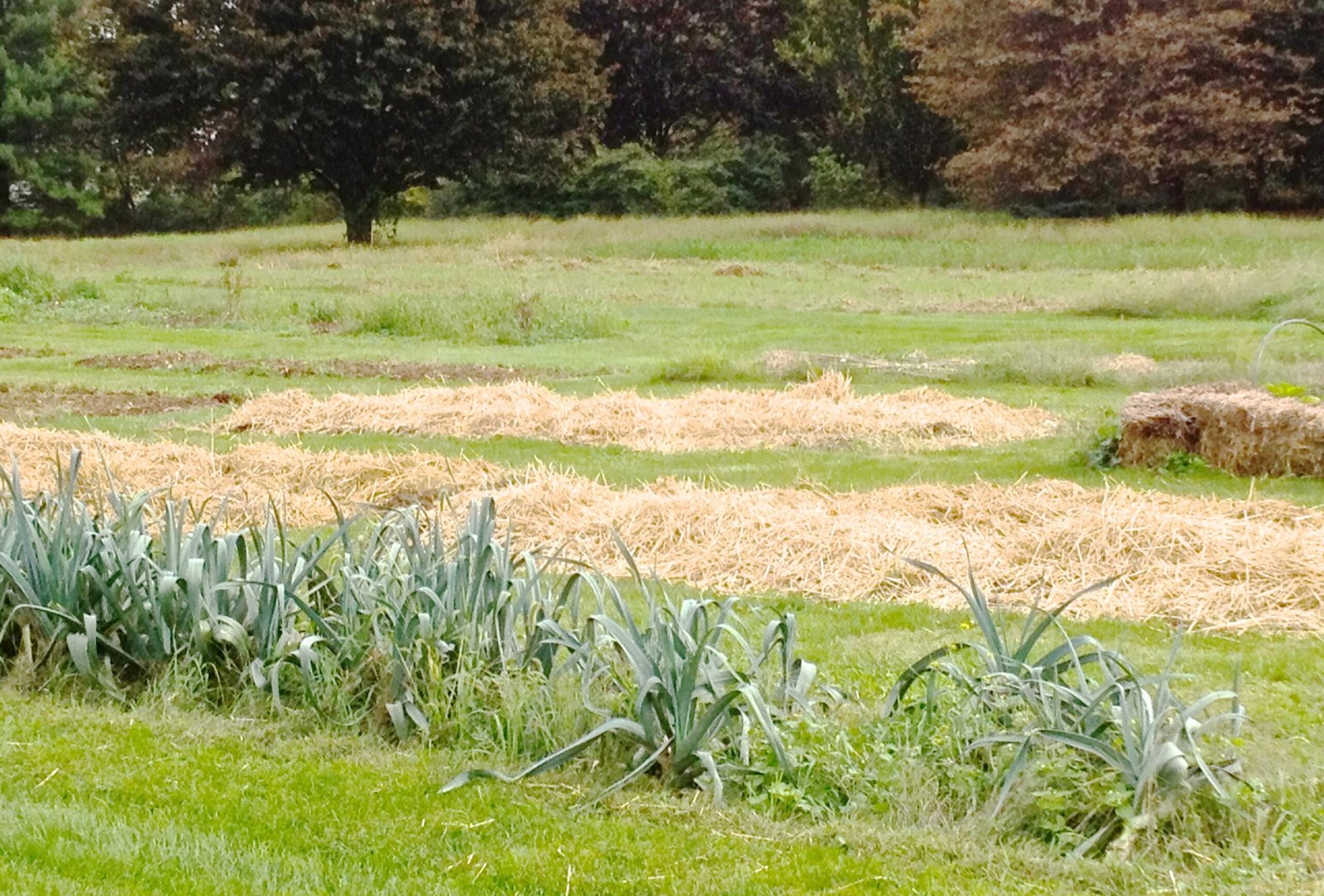
Mulch is the single most useful habit in a hot garden. A layer of organic mulch — straw, shredded bark, wood chips, or compost — shades the soil, slows evaporation, keeps roots cooler, and gradually improves the soil as it breaks down. Aim for a layer roughly five to eight centimetres deep over beds, topped up as it thins, and keep it a few centimetres away from stems and trunks so they do not stay damp against the mulch.
Soil preparation pays for itself in heat. Soil rich in organic matter holds moisture like a sponge and releases it steadily, while poor, thin soil swings between soggy and bone dry. Work compost into planting areas, and on very sandy soil organic matter is the difference between watering every day and watering every few days.
Shade, used cleverly, is a tool rather than an admission of defeat. New transplants benefit from a few days of light shade while their roots settle, and a piece of shade cloth over salad crops or young vegetables during a heatwave can keep them growing instead of bolting. In zones 9–11 and other very hot areas, many vegetables actually perform best with shade from the fiercest afternoon sun, even though the same varieties want full sun further north. Planting taller crops such as sweetcorn or sunflowers where they cast late-day shade over peppers or greens is an old, practical trick.
Practical Tips for Gardening in a Hot Climate
Plant at the right moment. In hot regions, getting plants established before the worst heat arrives is half the battle, so spring planting usually beats midsummer planting for shrubs, perennials, and trees. When you must plant in summer, water the hole, plant in the evening, mulch immediately, and check daily for the first couple of weeks.
Choose smaller, stockier transplants over tall, lush ones — a compact plant settles faster and loses less water than a big soft specimen. Harden off anything raised indoors, giving it a few days of increasing sun before it faces a full day outside. Feed moderately too: pushing soft growth during extreme heat backfires, because tender leaves wilt fastest and attract aphids.
Group plants by thirst. Put the hibiscus, vegetables, and containers that want regular water where the hose reaches easily, and let the lavenders, salvias, and sedums live together on the drier side of the garden. Zoning the garden this way saves water, saves time, and stops the quiet tragedy of a drought-lover rotting in soil kept wet for its neighbours.
Common Mistakes and Problems in Hot Gardens
The most common mistake is planting a cool-climate favourite and then blaming yourself when it fails. Lettuce bolting in a week, pansies melting by June, and peas giving up in the heat are not failures of care. They are plants outside their season. Grow those crops for spring and autumn, where they shine, and give high summer to the heat-lovers.
Inconsistent watering causes more problems than heat itself. Blossom end rot on tomatoes and peppers, split fruit, and bitter cucumbers all trace back to soil swinging between wet and dry. Mulch heavily, water deeply on a rhythm, and these problems fade. Similarly, watering a little every day while the subsoil stays dry gives a false sense of security — always check moisture below the surface before deciding a plant has had enough.
Crowding is a particular trap in humid heat. Plants packed tightly hold damp air around their leaves, and mildew, leaf spot, and rot follow. Space plants as the label suggests, prune for airflow rather than for a tight shape, and water at the base. If a variety is known to suffer from mildew in your area, a resistant variety next year is worth more than any spray this year.
Watch roots in containers and against walls. A plant can be well watered and still cook if its dark pot stands in reflected heat all afternoon. Move it, shade the pot, or double-pot it. Wilting that does not recover overnight, scorched leaf edges, and dropped flower buds are the plant’s way of asking for that change quickly.
Frequently Asked Questions
Which plants flower all summer in hot climates?
Lantana, vinca, portulaca, zinnias, gaillardia, and many salvias are among the most reliable for continuous summer colour. Deadheading zinnias and salvias encourages fresh flowers, while lantana and vinca largely look after themselves. In frost-free gardens, bougainvillea and hibiscus flower over a very long season as well.
What vegetables grow best in extreme heat?
Okra, sweet potatoes, cowpeas, yard-long beans, peppers, eggplants, and Malabar spinach are the standouts. Heat-set tomatoes bred for warm nights also perform well where ordinary tomatoes stop setting fruit. All of them still need regular water — heat-loving is not the same as drought-proof.
How often should I water in a hot climate?
There is no single schedule, because soil, plant size, and containers all change the answer. As a working approach, water beds deeply, then check the soil a few centimetres down and water again when it is drying at root level. Containers in a hot spell may need water daily or even twice daily. Morning watering, mulch, and deep soaking matter more than any fixed timetable.
Should plants in hot climates get full sun all day?
Many should, but the phrase full sun assumes roots in cool, moist soil. In very hot regions, afternoon shade benefits many vegetables, new transplants, and potted plants, even ones labelled full sun. If a plant wilts daily despite moist soil, try giving it shade from mid-afternoon and see how it responds over a week.
Final Thoughts
A hot climate is not a limitation to work around; it is a set of conditions with its own generous plant list. Choose plants that evolved for heat, pay attention to whether your heat is humid or dry, and support them with the unglamorous trio of deep watering, thick mulch, and soil full of organic matter. Do those things and summer becomes the main event in your garden rather than the season you endure.
Start small if you are changing habits. Put lantana and vinca in the bed that bakes, cowpeas and okra in the vegetable patch, and a proper layer of mulch over everything. One successful hot summer will teach you exactly what your garden wants — and it will probably leave you wondering why you spent so long fighting the weather instead of planting for it.