

Almost every garden has a corner where the sun barely reaches — under a tree, beside a fence, or along the north side of the house — and finding the best plants for shady gardens for those spots can feel frustrating at first. Roses sulk, lavender stays small, and grass thins to bare earth, so it is easy to assume the area is simply difficult and leave it empty. In reality, shade is not poor growing conditions. It is just different growing conditions, and a whole group of beautiful plants actually prefers it.
Once you understand what kind of shade you have and choose plants that suit it, those dim corners often become the most restful and interesting parts of the garden. Shade planting is about foliage as much as flowers: bold hosta leaves, lacy fern fronds, silver-patterned lungwort, and the deep, glossy greens that only look their best out of harsh sun. Many shade plants also need less watering in summer and hold their colour longer than sun-lovers struggling in a hot border.
This guide walks through the types of shade, the most reliable plants for each situation, and the soil and watering tricks that make the biggest difference — especially under trees, where dry roots cause more failures than lack of light ever does. Start with one corner, get that working, and you will soon look at every shaded patch as planting space waiting to be used.
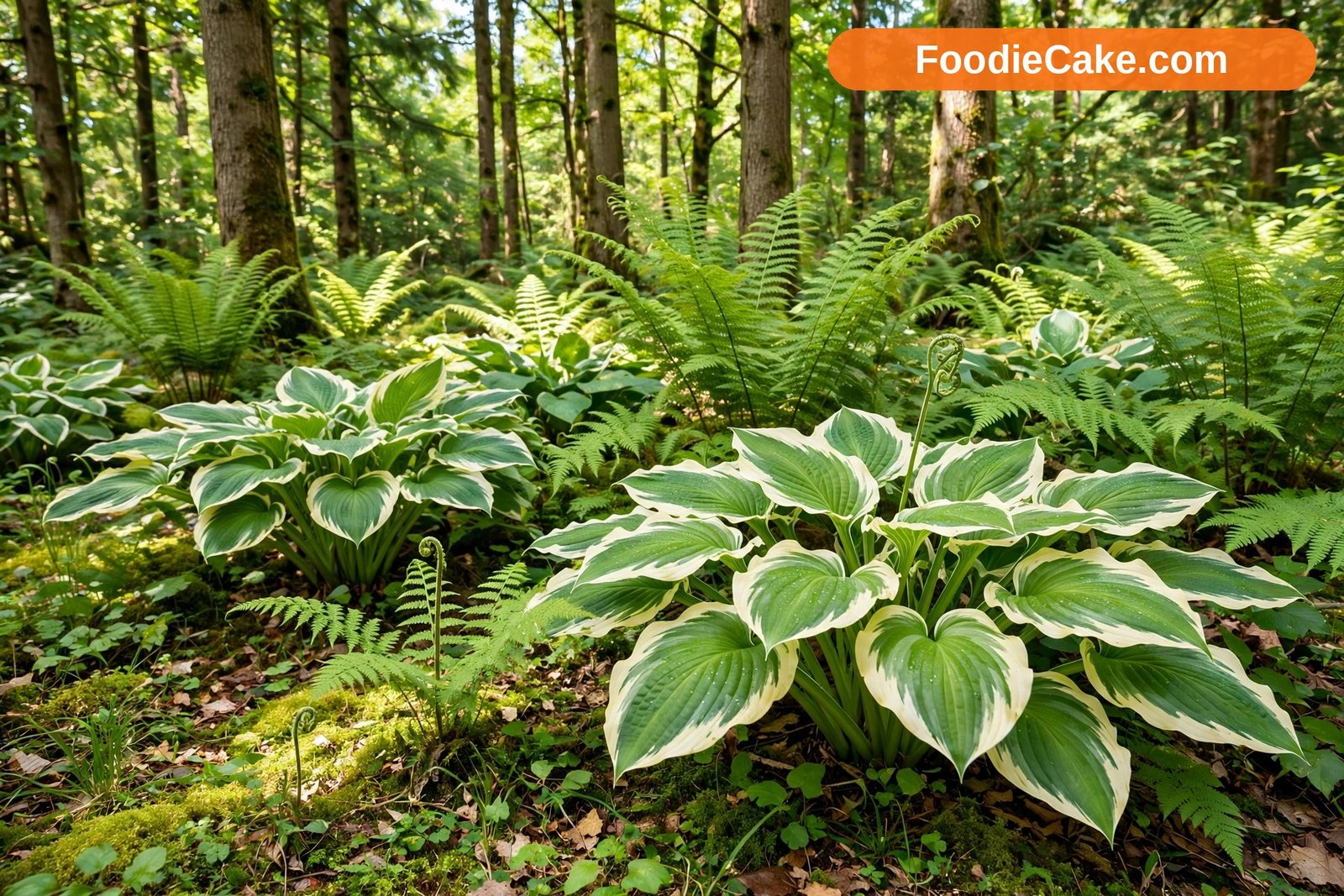
Understanding the Different Types of Shade
Not all shade is the same, and matching the plant to the type of shade matters more than any other decision. A spot that gets gentle morning sun and afternoon shade behaves very differently from one under a dense evergreen where almost no direct light ever lands. Before you buy anything, spend a day noticing your garden. Check the patch in the morning, at midday, and in late afternoon, because a border that looks deeply shaded at noon may actually receive several welcome hours of sun early or late in the day.
Light shade, sometimes called partial shade, means roughly three to six hours of direct sun, often in the morning when the light is cooler, with shade for the rest of the day. Many plants sold as shade plants are happiest here, including astilbe, heuchera, and foxgloves. Dappled shade is the shifting, speckled light that filters through the canopy of open trees such as birch or rowan. It mimics woodland conditions, so ferns, bleeding hearts, and lungwort thrive in it, and it is one of the easiest kinds of shade to plant well.
Full shade means fewer than three hours of direct sun, and sometimes none at all, though the area still receives bright, indirect light — for example, an open bed against a north-facing wall. True deep shade under dense evergreens or in a narrow passage between buildings is harder: light is low all day and little rain reaches the ground. Hostas, hellebores, and some tough ferns can cope in full shade with decent soil, but in genuinely dark, dry spots your choice narrows further, and improving the soil becomes essential.
Then there are two special cases that catch many gardeners out. Dry shade occurs under mature trees and large shrubs, where roots drink most of the rainfall and the canopy acts like an umbrella. The problem there is thirst as much as darkness. Damp shade is the opposite: low ground, heavy soil, or a spot near a pond or downpipe where the soil stays moist but the light is limited. Astilbe, ostrich ferns, and ligularia-style plantings love damp shade, while plants that need sharp drainage will quietly rot in it. Naming your shade correctly — light or full, dry or damp — tells you almost everything about what will succeed.
Why Shade Is an Opportunity, Not a Problem
Shade gardens have real advantages once you stop trying to force sun plants into them. The air is cooler, the soil loses moisture more slowly in open shade beds, and foliage stays fresh-looking for weeks longer than it would in a baked border. Many shade flowers — hellebores in late winter, bleeding hearts in spring, astilbe in summer — flower at times when the rest of the garden is quiet, so a good shade border extends your season at both ends.
There is also a design gift in shade: contrast. Without strong sunlight flattening everything, differences in leaf shape, size, and texture become the show. A bold, blue-green hosta beside a feathery fern, with silver-spotted lungwort in front, looks rich and deliberate even when nothing is in flower. Variegated and pale foliage glows in dim corners in a way it never does in full sun. If you are also planting tight spaces, the same foliage-first thinking applies when choosing the best plants for small gardens, where every plant has to earn its place in more than one season.
Finally, shade planting is forgiving in one helpful way: most true shade perennials are long-lived and low-maintenance once established. Hostas, hellebores, and ferns can sit happily in the same spot for years, needing little more than a spring tidy and a mulch. The work is front-loaded — preparing the soil and watering through the first season — and the reward lasts a long time.
Hostas: The Backbone of the Shade Border
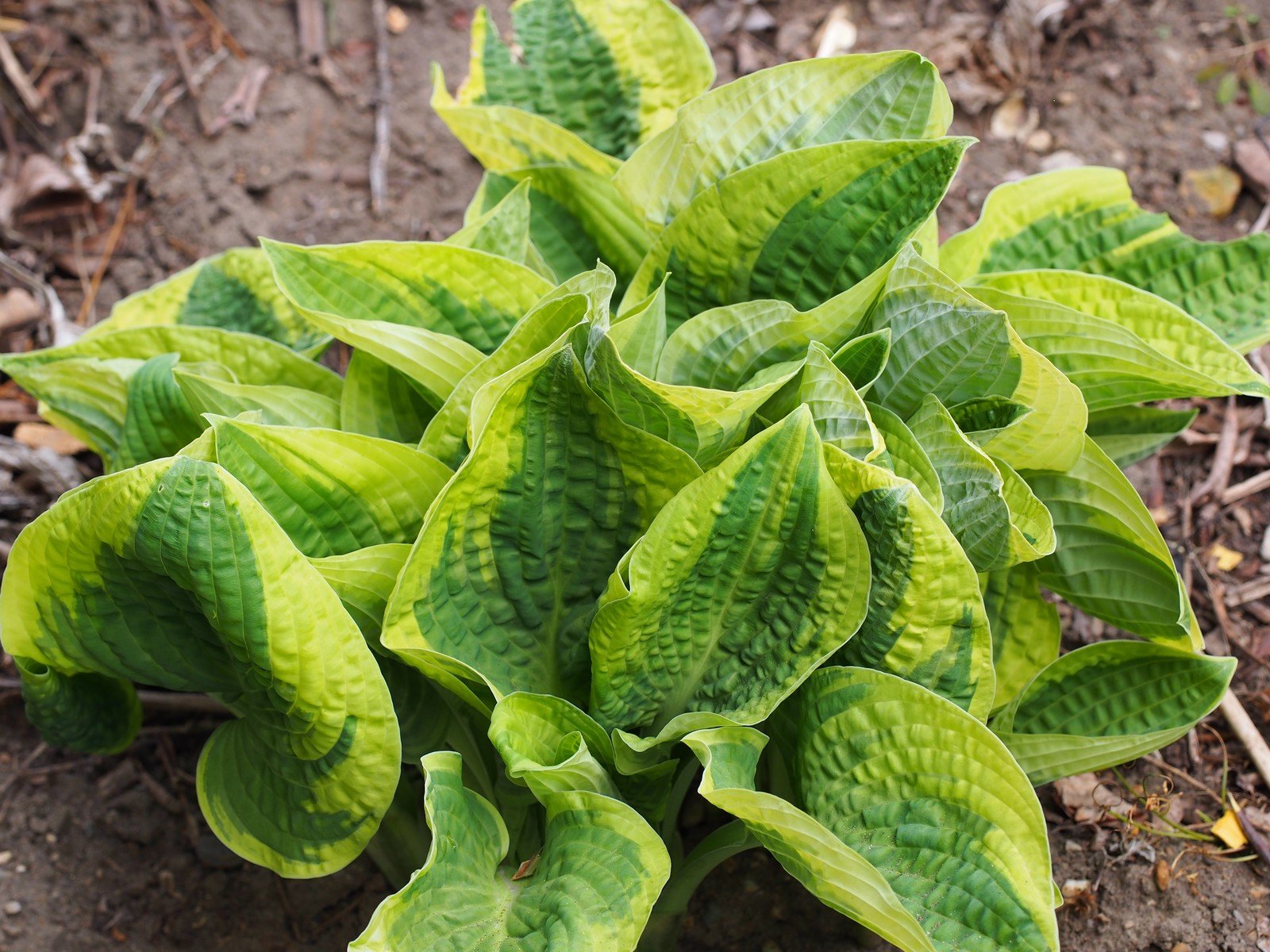
If you plant only one group in shade, make it hostas. Grown for their foliage rather than their modest summer flower spikes, hostas offer the widest range of leaf colour, size, and texture of any shade perennial. Leaves can be deep blue-green, fresh lime, cream-edged, gold-centred, or heavily puckered, and plants range from tiny varieties only 15 centimetres (6 inches) tall to giants spreading well over a metre across.
Reliable varieties are easy to find. ‘Patriot’ has crisp white edges on green leaves and suits the front or middle of a border. ‘Francee’ is similar and very dependable. ‘Halcyon’ and ‘June’ are loved for blue and blue-gold foliage that lights up a dark corner, while ‘Sum and Substance’ is a huge, chartreuse-leaved plant that makes a real focal point. For small spaces, ‘Blue Mouse Ears’ forms a neat, tiny clump. In zones 3–9, hostas are hardy almost everywhere most gardeners live, though in the coldest areas they simply die back in winter and return reliably in spring.
Hostas prefer moist, fertile soil and partial to full shade. Blue-leaved types hold their colour best with some shade, because strong sun and heat can turn blue foliage green. Gold and pale varieties tolerate — and often colour better with — a little morning sun. Keep the soil evenly moist in the first year; established clumps handle short dry spells but look tired if dry shade persists. The main enemy is slugs and snails, which love the soft leaves, so check plants in spring as the shoots emerge, when protection matters most.
Ferns: Texture That Nothing Else Matches
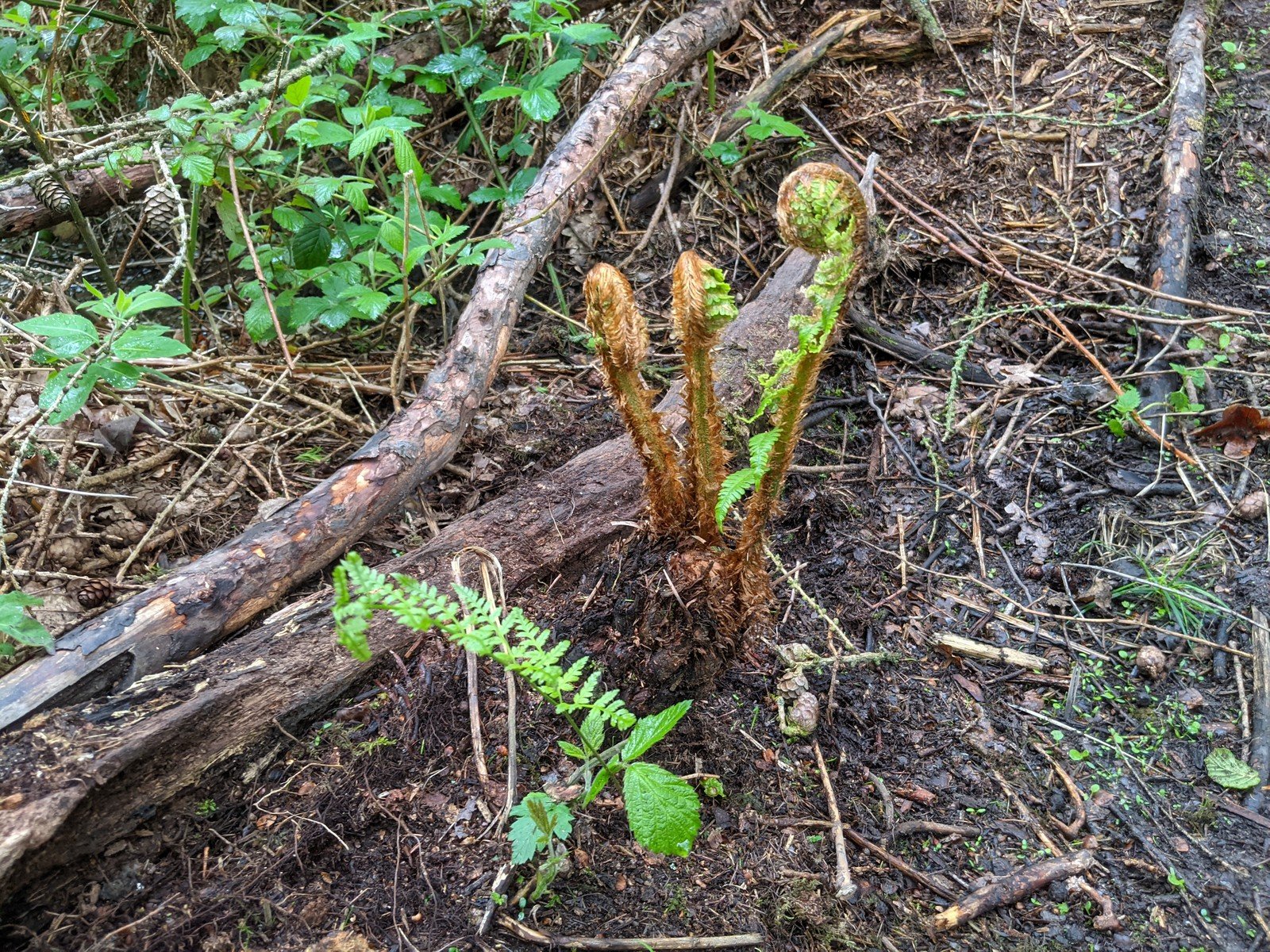
Ferns bring movement and fineness that no other shade plant can copy. Their divided fronds soften hard edges, fill gaps between bolder leaves, and look completely at home in dappled and full shade. Most are tougher than their delicate appearance suggests, and many are evergreen or semi-evergreen, giving structure in winter when hostas have disappeared below ground.
The Japanese painted fern, Athyrium niponicum var. pictum, is one of the most beautiful small ferns, with silvery-grey fronds brushed with burgundy. It grows about 30–45 centimetres (12–18 inches) tall, suits zones 4–9, and needs consistently moist, humus-rich soil in partial to full shade. It is perfect near the front of a border where its colour can be seen up close, and it pairs wonderfully with purple heuchera.
At the other end of the scale, the ostrich fern, Matteuccia struthiopteris, produces tall, shuttlecock-like fronds that can reach 90–150 centimetres (3–5 feet) in moist soil. It suits zones 3–8, spreads by runners, and is a superb choice for damp shade where you want height and a lush, almost tropical feel. Give it room, because in a wet spot it will happily colonise. For dry-ish shade, tough evergreen types such as the soft shield fern, Polystichum setiferum, and the hart’s-tongue fern, Asplenium scolopendrium, with its simple, glossy, strap-like leaves, are more forgiving once established. Plant ferns with the crown at soil level, water them well in their first season, and cut back tired fronds in late winter just before the new croziers uncurl in spring.
Astilbe and Bleeding Heart: Flowers for Spring and Summer
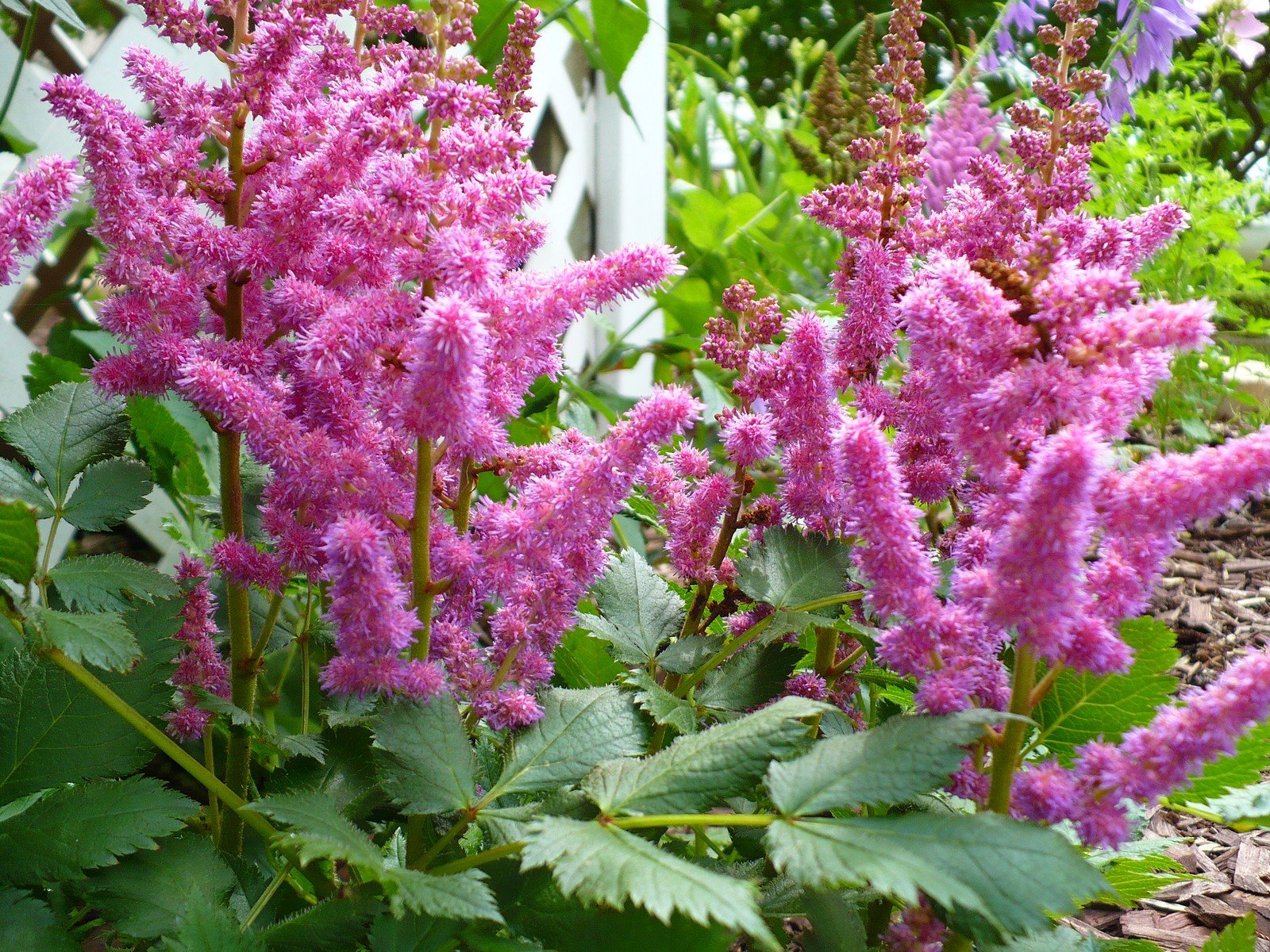
Astilbe is the plant to reach for when you want real flower colour in damp shade. Its feathery plumes rise above mounds of divided foliage in shades of pink, red, white, and lilac-purple, mostly from early to midsummer depending on variety. Plants typically grow 45–90 centimetres (18–36 inches) tall. ‘Fanal’ is a well-known deep red, ‘Deutschland’ is clean white, and ‘Peach Blossom’ is a soft salmon-pink. Astilbes suit zones 4–8 and need the one thing many shade gardens under trees cannot give: reliable moisture. In damp shade or beside a pond they are superb and long-lived; in dry soil they shrink year by year and flower poorly. If your shade is moist, plant them generously and divide clumps every three or four years to keep them vigorous.
Bleeding heart, now classified as Lamprocapnos spectabilis and still widely sold as Dicentra spectabilis, is the classic spring flower of the shade garden. Arching stems carry rows of pink, heart-shaped flowers with white tips, over fresh green, divided foliage. It grows about 60–90 centimetres (2–3 feet) tall, suits zones 3–9, and prefers partial shade and moist, fertile soil. One honest warning: bleeding heart often goes dormant and disappears in midsummer, especially in warm or dry conditions. That is normal, not death. Mark its spot and plant a hosta or fern beside it to fill the gap. The white form, ‘Alba’, is especially lovely in a dim corner. Smaller dicentras, such as Dicentra formosa types, keep their foliage longer and flower over a longer period, so they are worth seeking out for smaller beds.
Heuchera, Hellebores, and Lungwort: Colour Almost All Year
Heuchera, commonly called coral bells, is grown mainly for its evergreen to semi-evergreen foliage in purple, amber, lime, silver, and near-black, with slender sprays of small bell flowers in late spring and summer that pollinators enjoy. Modern varieties such as ‘Palace Purple’, ‘Caramel’, ‘Lime Marmalade’, and ‘Silver Scrolls’ let you paint with leaf colour even in partial shade. Plants form neat mounds about 30–45 centimetres (12–18 inches) tall and wide, suit zones 4–9, and prefer moist but well-drained soil. They dislike sitting in cold, wet ground all winter, so in damp shade choose a slightly raised spot. Heuchera crowns can lift out of the soil over time; if a plant looks loose or woody, firm it back in, mulch around it, or lift and replant it slightly deeper in spring.
Hellebores are among the most valuable plants in any shade garden because they flower when almost nothing else does, from late winter into spring. Helleborus × hybridus types offer single and double flowers in white, pink, plum, and speckled patterns, over leathery, evergreen leaves. They grow about 35–45 centimetres (14–18 inches) tall, suit zones 4–9, and thrive in partial shade in fertile, moisture-retentive but not waterlogged soil. The Christmas rose, Helleborus niger, has white flowers and appreciates a little shelter. Cut off the old, tatty leaves in late winter, just as the flower buds emerge, both to show the flowers clearly and to remove any leaf-spot disease. Then leave the plants alone — hellebores resent disturbance and often take a season to settle after moving.
Lungwort, Pulmonaria, earns its place twice: clusters of pink buds opening to blue, pink, or white flowers feed early bees in spring, and then the silver-spotted or fully silvered leaves carry the show through summer. Varieties such as ‘Sissinghurst White’, ‘Blue Ensign’, and ‘Silver Bouquet’ grow about 25–35 centimetres (10–14 inches) tall, suit zones 3–8, and prefer partial shade with evenly moist soil. Lungwort can get mildew in dry, airless spots, so give it moisture and space, and cut back tired foliage after flowering to encourage fresh, clean leaves. All three of these genera also work well as edging and underplanting, and lungwort in particular is useful where you need living cover, in the same spirit as choosing the best ground cover plants for gardens to knit a bed together and suppress weeds.
Impatiens, Begonias, and Foxgloves: Bright Colour and Height
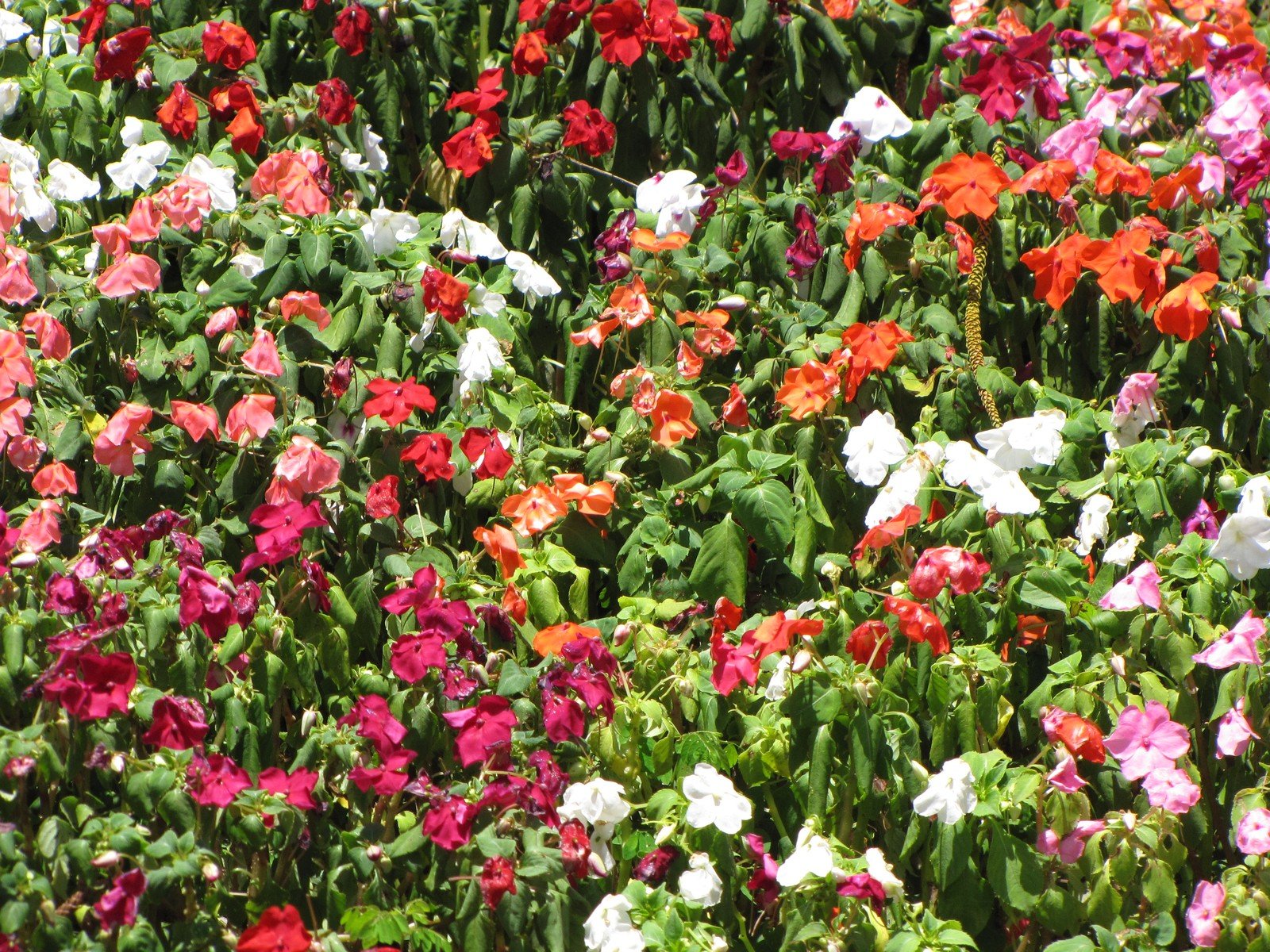
Annual colour matters in shade too, because perennials alone can leave gaps in high summer. Impatiens, the familiar busy Lizzie types, flower almost non-stop from late spring until frost in partial to full shade, in white, pink, red, orange, and lilac. Plants grow roughly 25–40 centimetres (10–16 inches) tall. A few honest cautions: traditional Impatiens walleriana suffered badly from downy mildew in many regions, so look for resistant series such as Beacon, or choose New Guinea impatiens, which are more robust and also tolerate a little more sun. Keep impatiens evenly moist — they wilt dramatically when dry, though they usually recover quickly after watering — and feed lightly through the season in pots.
Begonias are the other great shade annual, and in many ways the tougher plant. Wax begonias with glossy leaves flower reliably in partial shade and tolerate brief dry spells better than impatiens. Tuberous begonias give bigger, showier blooms for pots and hanging baskets in bright shade, while hardy begonia, Begonia grandis, suits zones 6–9 and can return year after year in a sheltered, moist, shaded bed, flowering in late summer when colour is scarce. Begonias generally grow 30–60 centimetres (12–24 inches) tall depending on type. Avoid wetting their foliage late in the day in humid weather, and give them free-draining compost in containers so the tubers and roots do not rot.
Foxgloves, Digitalis purpurea, bring the height that most shade planting lacks. Their tall spires, often 120–180 centimetres (4–6 feet), rise through ferns and hostas in early summer in purple, pink, white, and apricot shades. Foxgloves are usually biennial: they form a rosette in the first year and flower in the second, then often self-seed gently if you leave some stems standing. They suit zones 4–9 and grow happily in partial shade at woodland edges and along shaded fences. All parts of the plant are poisonous if eaten, so plant them away from curious toddlers and grazing pets, and wear gloves if your skin is sensitive when handling them. Perennial types such as Digitalis lutea, with smaller yellow flowers, are a quieter, longer-lived alternative.
Practical Tips for a Shade Garden That Thrives
Improve dry shade soil before you plant, not after. Under trees, dig in plenty of compost, well-rotted manure, or leaf mould across the whole bed if you can — ideally a layer 5–8 centimetres (2–3 inches) deep forked into the top soil. Organic matter helps the soil hold the rain that does get through, and it feeds the soil life that tree roots and shade plants both depend on. Repeat with a mulch every spring. Leaf mould is especially good here because it mimics the woodland floor these plants evolved on, and it is free if you have a deciduous tree.
Plant at the right time. In dry shade, autumn and early spring planting usually establish better than midsummer planting, because the soil is moist, the tree canopy is thinner or absent in autumn, and the new plant has months to grow roots before summer competition peaks. Dig the planting hole a little wider than usual, tease out circling roots, and water the hole before and after planting. If you hit a solid mat of tree roots, do not hack through large roots — move the hole a short distance instead. Small feeder roots grow back; a major root you sever can harm the tree.
Water under tree canopies deliberately. Rain that soaks an open lawn may barely dampen the soil under a mature tree. In dry spells, check the soil with your fingers or a trowel rather than guessing, and when you water, water deeply and directly at the base of your new plants. A watering can or a soaker hose placed under mulch does far more good than a sprinkler wetting leaves and trunk. Keep new plantings watered through their whole first growing season, even those labelled drought-tolerant once established — that label never applies to a plant that went in last month.
Protect hostas from slugs in the ways that actually help. Start by checking plants at dusk with a torch and removing slugs by hand during wet spells, especially in spring. Keep the area around hostas free of hiding places such as loose boards and dense leaf litter against the crowns, encourage ground beetles, frogs, and birds, and consider wool pellets, grit, or other barriers around especially precious plants. Thick-leaved varieties such as ‘Sum and Substance’ and many blue types are noticeably less damaged than thin-leaved ones, so variety choice is itself a defence. No single method stops every slug, so combining two or three modest habits works better than hunting for one perfect solution.
Brighten dark corners with foliage, not just flowers. Pale flowers disappear quickly at dusk and white blooms help, but variegated, gold, silver, and lime leaves brighten a corner for months. Place a gold hosta, a silver lungwort, or a Japanese painted fern where a shaft of light lands, group them in threes or fives rather than scattering single plants, and repeat the same few plants along a border so the planting looks calm and intentional rather than spotty.
Common Mistakes and Problems, and How to Avoid Them
Planting sun-lovers in shade is the most common and most expensive mistake. Lavender, most roses, rock plants, and Mediterranean herbs planted in shade rarely die dramatically — they just grow leggy, flower poorly, attract mildew, and disappoint for years. Read the label honestly, and if a plant says full sun, believe it. Move the sun-lover to a pot on the patio and give the shady bed a plant that will thank you for the spot.
Ignoring root competition from trees comes a close second. Gardeners often blame darkness when the real culprit is a mature tree taking nearly all the water and nutrients. The fix is rarely more light; it is better soil preparation, generous mulching, choosing the toughest plants for the driest spots — hellebores, hart’s-tongue ferns, and hardy geraniums once established — and watering new plants properly for a full season. Planting very young, small plants can also help, because small plants establish with less water and slip between tree roots more easily than large specimens in big pots.
Forgetting water in dry shade ruins many good plantings. Because the ground looks dark and feels cool, it is easy to assume it is moist, when in fact the top few centimetres under a canopy can be dust-dry in a week without rain. Check with your fingers. If the soil is dry 5 centimetres down around a plant in its first year, water it that day, deeply, at the roots.
Expecting lawn to grow is the mistake almost everyone makes once. Grass needs sun — even so-called shade lawn mixes need several hours of light and still thin out under dense trees, where roots also keep the surface dry. The honest answer for deep shade is to stop fighting: replace struggling grass with shade perennials, ferns, mulch, or a simple path and seating area. You will spend less time mowing, reseeding, and watering, and the space will look better in every month of the year.
Frequently Asked Questions
What are the best plants for very deep shade?
Start with the toughest foliage plants: hellebores, hart’s-tongue fern, soft shield fern, and hardy hostas, all in improved, mulched soil. Expect foliage interest rather than big flower displays, keep new plants watered through their first season, and accept that in truly dark, dry spots under dense evergreens even these plants grow slowly. Adding pale and variegated foliage helps the area feel lighter.
Can I grow shade plants in dry soil under trees?
Yes, but preparation decides success. Fork in plenty of compost or leaf mould, plant in autumn or early spring, mulch well, and water deeply through the first growing season. Choose proven dry-shade survivors such as hellebores, epimediums, hardy geraniums, and tough ferns, and avoid thirsty plants such as astilbe in that spot. Save astilbe for the damp corner where it will thrive without constant attention.
Do shade plants need any sun at all?
Most do best with at least bright, indirect light, and many flower noticeably better with a few hours of gentle morning sun. Full shade on an open north-facing bed is very different from darkness under a dense evergreen. If flowering plants sulk and only foliage grows, try moving one plant to a slightly brighter edge and compare — a small shift of a metre or two can make a surprising difference.
How do I stop slugs eating my hostas?
Combine methods rather than relying on one: check plants at dusk in wet weather and remove slugs by hand, keep hiding places away from crowns, encourage frogs, birds, and ground beetles, and use barriers such as wool pellets or grit around prized plants. Choosing thick-leaved, slug-resistant varieties helps a great deal. Some damage in a wet spring is normal — the goal is to keep it to nibbled edges, not lace.
When is the best time to plant a shade border?
Autumn and early spring are usually best, especially under deciduous trees, because the soil is moist and warm enough for root growth while competition and evaporation are low. You can plant container-grown perennials at other times too, including summer, as long as you commit to regular deep watering while they settle in.
Final Thoughts
A shady garden is not a second-best garden. Planted with hostas for bold foliage, ferns for texture, astilbe and bleeding hearts for flowers, and hellebores and lungwort for the early months, it can be the coolest, calmest, and most beautiful part of your plot in summer — and the first to flower in spring. The secret is simply honesty: name your shade correctly, prepare the soil generously, water new plants properly under trees, and choose plants that genuinely want to be there.
Start small if the task feels large. Clear one corner, improve its soil, plant five good plants well, and mulch them. A single thriving patch will teach you exactly what your shade is like and give you the confidence to extend it. Within a couple of seasons, the spot you once apologised for may be the one you show visitors first.
[…] especially in winter, so protect prized plants if deer are regular visitors. As a backdrop behind the best plants for shady gardens, a group of rhododendrons gives a bed structure and a spring display few other evergreens can […]
[…] soil and foot traffic. If your hardest area is a dark corner, pair this guide with our roundup of the best plants for shady gardens for taller companions to plant above your […]