Best Plants for Small Gardens
The best plants for small gardens are not simply small plants. They are plants that earn their ground: a bush tomato that fruits for months from one pot, peas that climb a fence instead of sprawling across a bed, a herb you cut from every week, or a compact flower that brings in bees from spring to autumn. When space is tight, every plant has to give you something real in return for the water, soil, and room it takes up.
That might sound strict, but it is actually freeing. A small garden with ten well-chosen plants will feed you better, look better, and take less work than a cramped plot stuffed with thirty things all fighting for light. Small spaces also have real advantages. They warm up fast, they are quick to water, weeds have nowhere to hide, and you notice a problem the day it starts rather than the week after.
This guide is organised as a plan, not a list. It starts with a sample layout for a small plot, then walks through the compact vegetables, climbers, herbs, flowers and small fruit that fill it, along with the design habits that make a small space feel generous. Whether you have one narrow bed, a sunny balcony corner, or a garden the size of a parking space, the principles are the same: grow up where you can, choose compact varieties on purpose, and keep something cropping or flowering in every season you can manage.
A Sample Small-Garden Plan
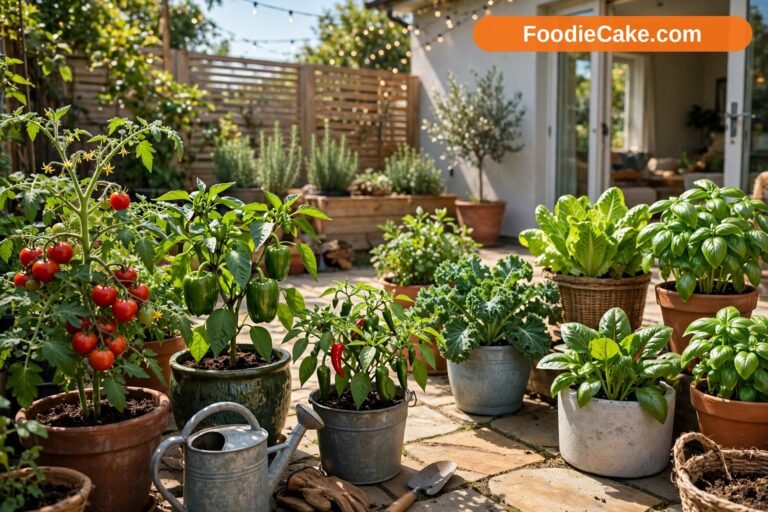
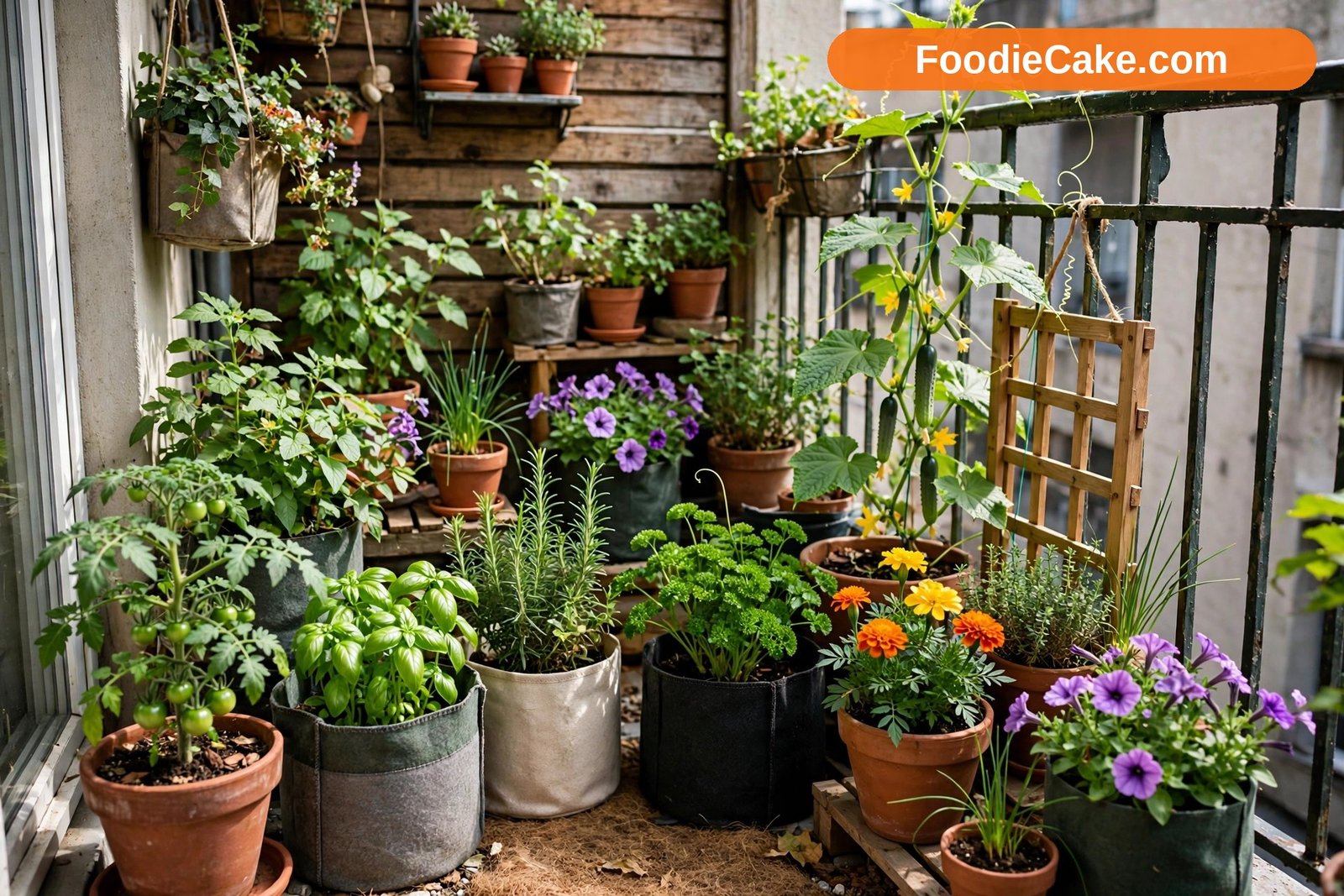
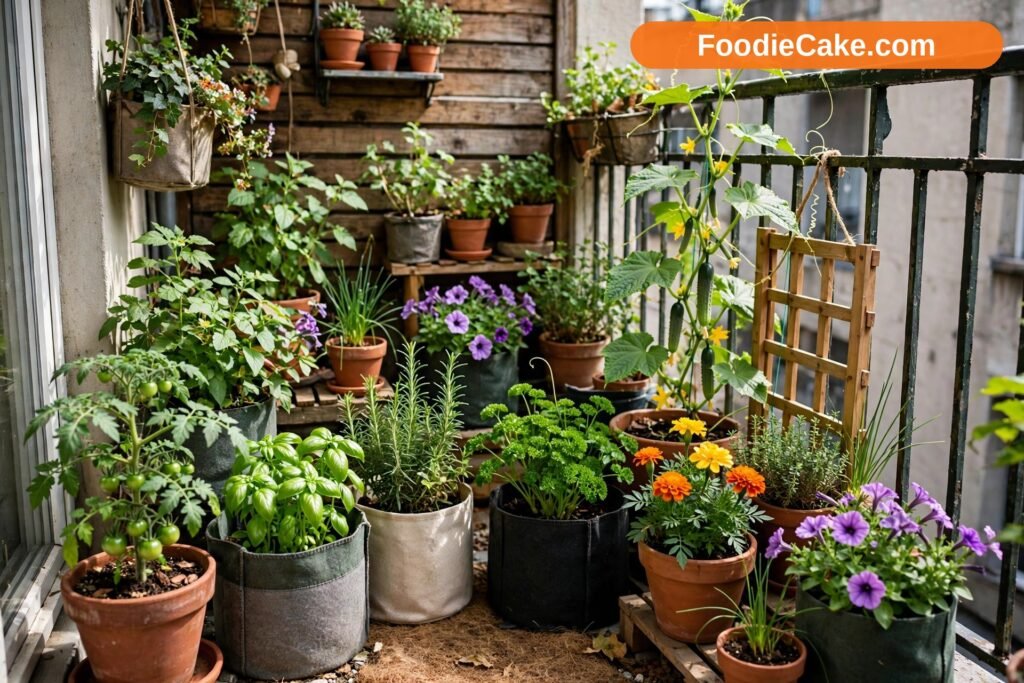
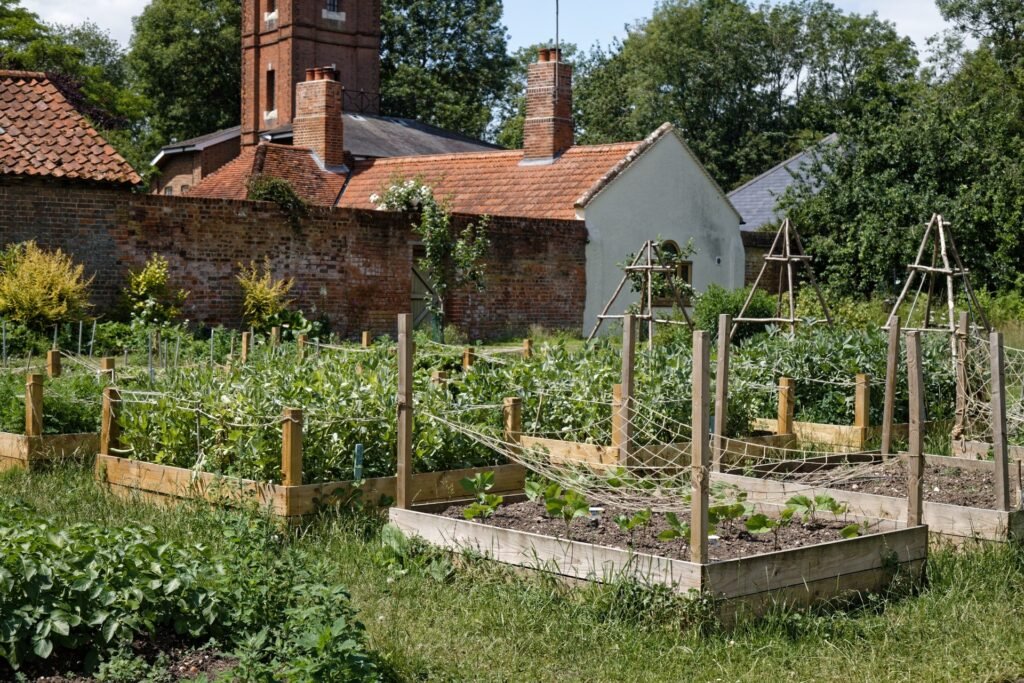
Before any plant names, here is what a well-used small garden can look like. Picture a plot about 10 by 12 feet, or a patio with a narrow bed and room for pots along the wall. The bones are permanent: a fence or trellis at the back, a cordon apple or a dwarf shrub at one end, and paths narrow enough to leave the ground for growing.
| Zone | What goes there | Why it works |
|---|---|---|
| Sunniest spot | One bush tomato, one pepper, one courgette in a large container | Fruiting crops need the most light; containers let you give them the warmest corner |
| Back fence / north side | Peas in spring, then climbing beans; a grape or sweet peas for scent | Climbers take a square foot of soil and six feet of air; their shade falls on paths, not on crops |
| Front of the bed | Cut-and-come-again lettuce, radishes, spring onions, beetroot picked young | Fast, shallow crops you pick daily, filling gaps before slower plants need the room |
| Edges and gaps | Chives, thyme, parsley, marigolds, sweet alyssum, nasturtiums | Herbs and flowers fill corners, feed pollinators, and make the garden feel abundant without stealing serious growing room |
| Pots by the door | Basil, mint (in its own pot), strawberries, a compact blueberry | The plants you use most often belong closest to the kitchen; fruit in pots is easy to protect and pick |
That is the shape of the whole guide. The rest of it fills in each zone with the plants that do the job best, and the habits that keep them producing.
First, Read Your Space
Before you buy anything, spend a little time watching your patch. Most vegetables and sun-loving flowers want at least six hours of direct sun a day. In a small garden, sun is usually the scarcest resource, because fences, walls, and neighbouring buildings all steal a piece of it. Note which corner gets morning sun, which strip stays bright all day, and which bed is shaded by mid-afternoon. Put fruiting crops such as tomatoes and peppers in the brightest spot you have. Leafy greens, herbs such as parsley and mint, and many flowers will manage happily with a little less.
Check how deep and decent your soil is, too. Many small urban gardens sit over rubble, compacted subsoil, or a thin layer of tired earth above concrete. If digging down a spade’s depth is a struggle, do not fight it for a year. Raised beds and large containers give you good soil right away, and in a small space you need far less of it than you would for a big plot.
Measure honestly. A garden that is 10 by 12 feet can hold a surprising amount if the paths are narrow and the edges work hard, but only if you stop pretending a full-size pumpkin fits. Write the measurements down, sketch where the sun falls, and mark the spots for permanent plants first. Everything else gets planned around those bones.
Finally, keep water close. Small gardens, and especially containers, dry out quickly in summer, in zones 7–10 sometimes daily in a heatwave. If watering means hauling cans from a distant tap in the dark, the garden will suffer in July no matter how good the plant list is.
The Earn-Your-Place Test
In a large garden, a plant can be a passenger. In a small one, it cannot. Ask three questions before anything goes in the ground. Will we eat it, use it, or genuinely love looking at it? Does it produce for a long stretch, or give one brief display and then sit there? And does it fit its spot as an adult, not as the cute seedling in a 3-inch pot?
Long-season value is the heart of the matter. A courgette plant picked every few days for two months earns its 3 feet of ground. A single cauliflower that occupies the same space for four months and gives one head is a harder case in a tiny bed, though if your family loves cauliflower, it may still be worth it. Value is personal. Just make the choice knowingly.
Variety names matter here more than anywhere. Modern breeding has given small gardeners compact versions of almost everything, often labelled bush, dwarf, patio, or compact on the packet or label. These are not inferior versions. A bush cucumber bred to stay short will crop better in a small bed than a sprawling type constantly cut back and stressed. Read the final height and spread on the label and believe it. A plant described as reaching 5 feet will, in good soil, and it will take its neighbours’ light with it.
Multi-purpose plants deserve a special welcome. Rainbow Swiss chard feeds you and looks like a border plant. Climbing beans give food, summer shade on a fence, and pretty flowers. Nasturtiums edge a bed, attract pollinators, and their leaves and flowers can go in a salad. In a small garden, two jobs from one plant is a genuine saving.
Compact Vegetables That Pay Rent
| Crop | Space it needs | What it gives back |
|---|---|---|
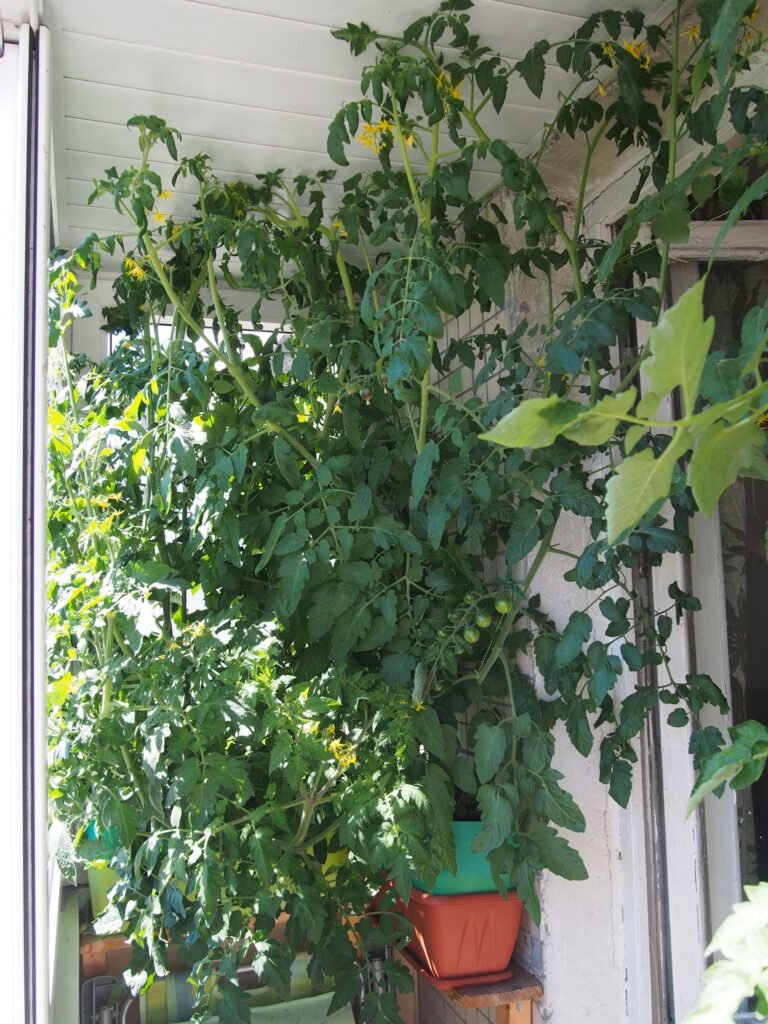
| Bush tomatoes | One plant, 5-gallon pot or a sunny bed corner, 2–3 ft tall | Bowl after bowl of cherry or salad tomatoes over weeks; choose short days-to-harvest varieties in cooler zones 5–6 |
| Bush beans | Short row or wide container, 18–24 in tall, no structure | Producing roughly 50–60 days after sowing; sow again three weeks later to stretch the harvest |
| Compact peppers | One sunny pot per plant, usually under 2 ft | A lot of fruit from one plant if fed once flowering starts; chillies especially good value |
| Salad leaves | Shallow trough or bed edge | Loose-leaf lettuce, rocket, mizuna and cut-and-come-again mixes, harvested a handful at a time for several cuts |
| Radishes, spring onions, beetroot | Tucked between slower crops | Radishes ready in as little as 25–30 days; beetroot picked young for leaves as well as roots |
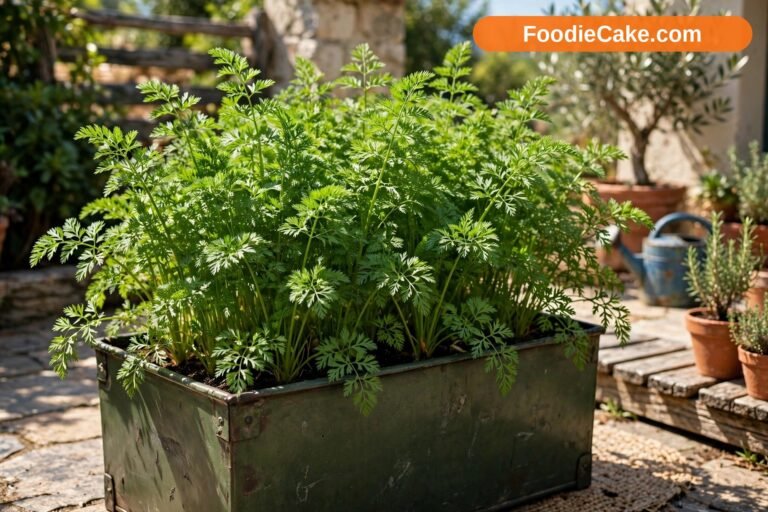
| Compact carrots | Deep pot or bed | Short-rooted types such as Parisian Market suit small beds and deep pots where long varieties would fork or stall |
| Courgettes | One plant only, full space or a large container | Picked small and often, one bush plant will keep most households in courgettes all summer |
Bush tomatoes are the cornerstone crop for many small gardens. Determinate, or bush, varieties grow to a set height, usually around 2 to 3 feet, and ripen most of their fruit over a few weeks. Patio types bred for pots stay smaller still. They need a sturdy pot of at least 5 gallons, a stake or short cage, and steady watering, but one healthy plant can give you bowl after bowl of cherry or salad tomatoes. In cooler zones 5–6, choose varieties with shorter days-to-harvest on the packet so the crop ripens before autumn cold arrives.
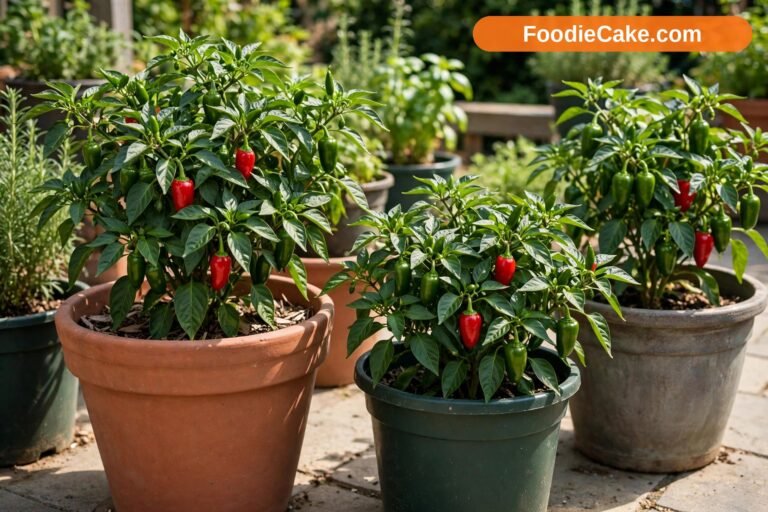
Compact peppers fit small spaces beautifully once the weather is warm. Bell and chilli types are naturally tidy plants, often under 2 feet, and a single plant in a sunny pot can carry a lot of fruit if you feed it once flowering starts. Chillies are especially good value: varieties bred as compact ornamentals still produce plenty of heat, and the plants look smart on a patio. Peppers are tender, though. In zones 5–7 they go out only after the last frost and after nights have warmed, and in a short season bought plants beat home-sown seed unless you started very early indoors.
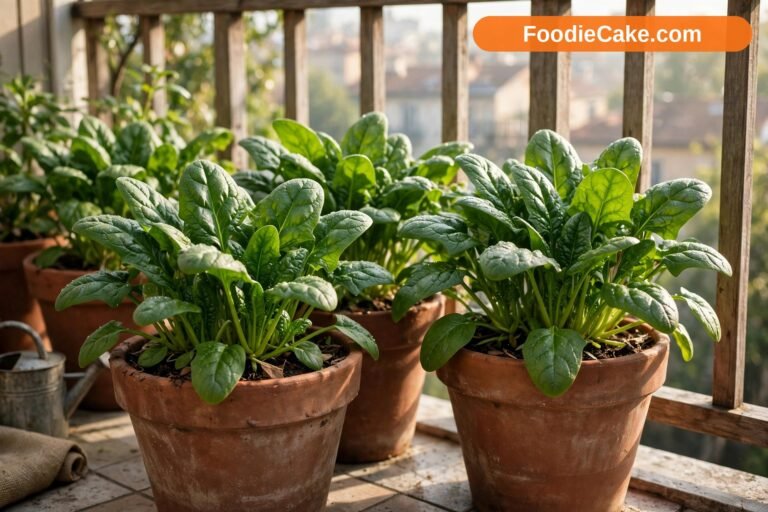
Salad leaves might be the highest-value crop of all per square foot. Loose-leaf lettuce, rocket, mizuna, and cut-and-come-again mixes can be sown in a shallow trough, harvested a handful at a time, and will regrow for several cuts. They tolerate light shade, which lets you give your sunniest ground to tomatoes. Add radishes between slower crops: they are ready in as little as 25 to 30 days for many varieties and mark the row while they grow. Spring onions, beetroot picked young for its leaves as well as its roots, and compact carrots such as Parisian Market or other short-rooted types all suit small beds and deep pots where long carrot varieties would fork or stall.
Courgettes deserve a careful word. They are productive but naturally big. In a small garden, grow one plant only, choose a bush variety rather than a trailing one, and give it its full space, or grow it in a large container where its spread is easier to accept. One plant, picked small and often, will keep most households in courgettes all summer.
If you are new to growing in pots as well as tight beds, our step-by-step guide on how to start a container garden covers pot sizes, potting mix, and drainage in the detail they deserve.
Going Up: Climbers That Give You Space Back
The ground in a small garden runs out fast. The air above it does not. Training plants up a trellis, fence, arch, or a simple set of canes is the single most effective trick in a small space, because a crop that climbs 6 feet up may only take up a square foot of soil.
Peas are the classic vertical crop and one of the earliest pleasures of the year. Sow them in cool spring weather; in zones 5–8 that usually means as soon as soil can be worked, several weeks before the last frost. Sugar snap types are a superb small-garden choice because you eat the whole pod, so nothing is wasted, and a short length of netting or a few twiggy sticks gives them all the support they need. When the peas finish in early summer, the same ground and supports can take a late sowing of beans.
Climbing French beans and runner beans follow peas through the warm season. A wigwam of six to eight canes in a large pot or a corner bed produces beans for weeks if you pick them young every couple of days. Runner beans need a bit more room and water but flower prettily and crop heavily in many climates; climbing French beans are a better bet in very hot zones 8–10, where runners can flower without setting pods in heatwaves.
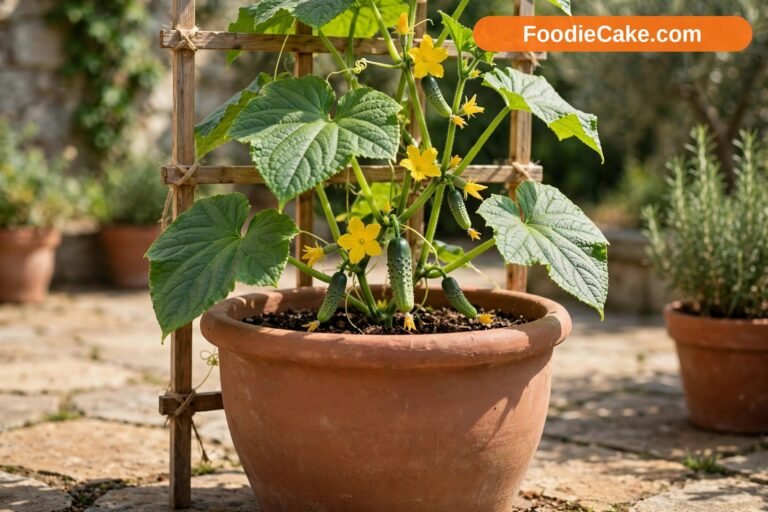
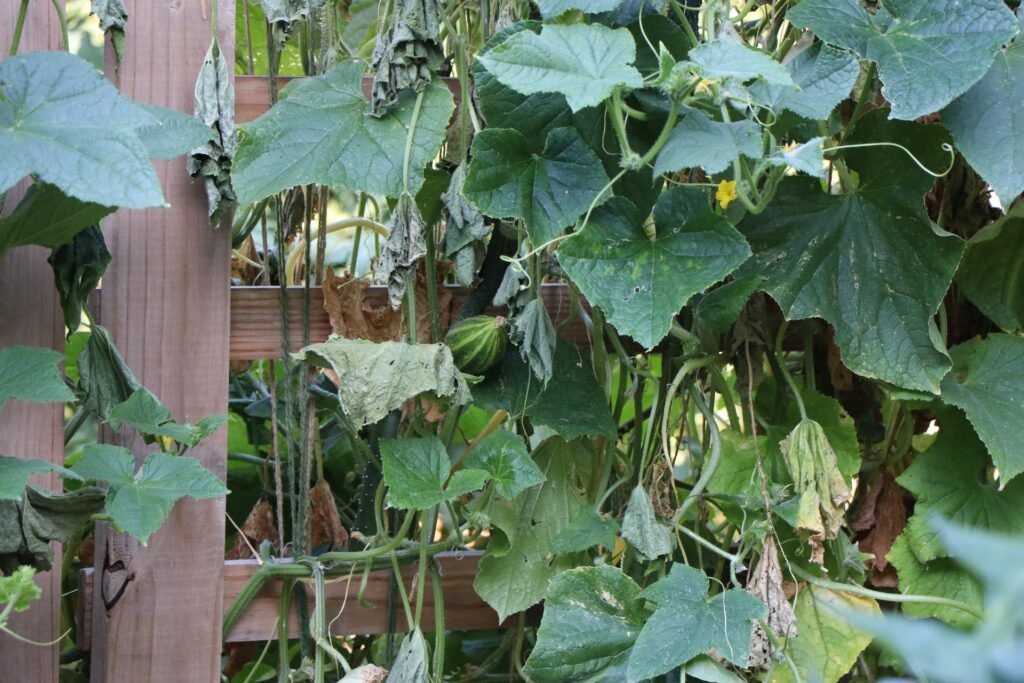
Cucumbers on a trellis are a revelation if you have only grown them sprawling. Trained up netting, the fruits hang straight, stay clean, are easier to find, and take a fraction of the ground. Give them steady water at the base and pick regularly. Compact bush cucumber varieties also exist for pots, but a trellised standard variety often gives you more fruit per square foot of soil.
Do not overlook climbing crops for shade and privacy. A fence covered with beans, sweet peas for scent in spring, or a grape trained along wires gives a small garden height, shelter, and a sense of enclosure that makes it feel bigger, not smaller. Just keep climbers on the north side of beds in the Northern Hemisphere, or along fences, so their shade falls on paths and seating rather than on your peppers.
Herbs: The Highest Return per Square Foot
Herbs are made for small gardens. Most are compact, many are perennial so they return year after year, and they are the crops you use in small amounts constantly, which is exactly what a small harvest-minded garden should supply. Fresh herbs are also expensive to buy and sad within days, so growing your own pays back fast.
Start with the reliable perennials. Chives form neat clumps, produce purple flowers that bees love, and can be snipped from spring to autumn. Thyme is a low, spreading plant that suits the edge of a path or the corner of a raised bed, needs sharp drainage, and dislikes winter wet more than cold. Rosemary makes a small evergreen shrub in zones 8–10 and grows well in a large pot that can be sheltered in colder zones 5–7. Sage, oregano, and lemon balm are all sturdy, though lemon balm and mint spread enthusiastically. Mint should always go in its own pot, sunk or standing alone. Planted free in a small bed, mint does not share. It takes.
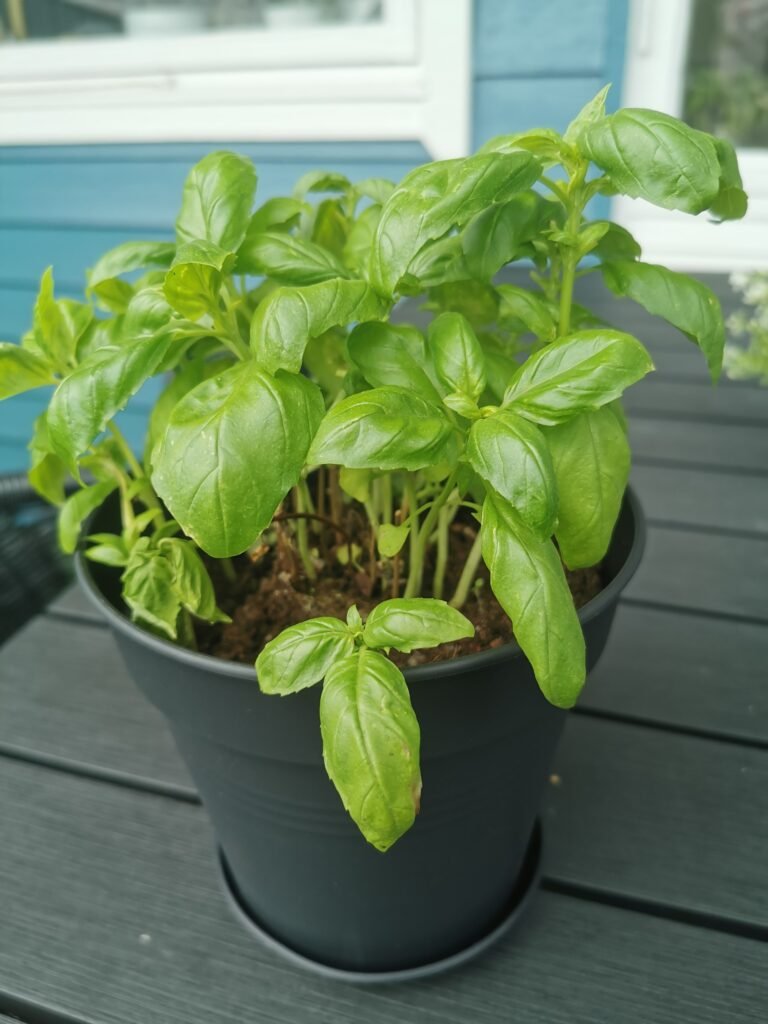
Annual and biennial herbs fill the warm-season gaps. Basil is the essential partner for tomatoes and thrives in the same sunny, sheltered conditions, but it hates cold and should not go out until nights are mild. Pinch out the tips regularly to keep it bushy and delay flowering. Parsley, flat-leaf or curly, is slow to germinate but then produces for many months and tolerates light shade, making it useful for the less sunny side of a small plot. Coriander bolts quickly in heat; sow a little every few weeks in a spot with afternoon shade and accept its rhythm rather than fighting it. Dill is taller and better at the back of a bed, where its feathery foliage and seed heads earn their keep with pollinators.
Herbs are also your best gap-fillers. A thyme at a bed corner, a pot of chives beside the step, parsley tucked along an edge: these small plantings make a tight garden feel abundant without stealing serious growing room.
Dwarf Flowers That Work for Their Keep
Flowers in a small vegetable-minded garden are not decoration taking up food space. They are working plants. They bring in the bees that pollinate your beans, courgettes, and fruit, they draw hoverflies whose larvae eat aphids, and they keep the garden worth visiting on the days when nothing is ready to pick.
Choose compact, long-flowering varieties and deadhead them to keep them going. Marigolds are the traditional companion plant, tidy at 8 to 12 inches for dwarf French types, flowering from early summer until frost, and at home in pots and bed edges. Calendula is slightly looser, self-seeds politely in many gardens, and its petals are edible. Sweet alyssum forms low mounds of white or purple flowers, smells faintly of honey, and is one of the best plants for attracting beneficial insects into a small space. Nasturtiums trail happily from pots and edges; give them poor soil rather than rich, or you will get leaves at the expense of flowers, and expect aphids to choose them, which can be useful as an early warning and a distraction from your beans.
For height without bulk, look at dwarf or short varieties of cosmos, zinnias, and sunflowers bred for containers. A dwarf sunflower in a pot puts a smile on a small garden in a way few plants can match. Lavender suits a sunny, dry edge or large pot in zones 5–10 depending on variety, with hardier English types the safer choice in colder areas, and it gives scent, flowers for bees, and structure in one plant.
Perennial flowers earn their place by returning. Compact hardy geraniums flower for a long season and suppress weeds at bed edges. Nepeta, or catmint, is a magnet for pollinators and stays tidy if you shear it after its first flush. In a small garden, a plant that comes back reliably each spring is one less decision, one less cost, and one more bit of continuity.
Fruit and Shrubs for Lasting Structure
A small garden still needs a skeleton: a few permanent plants that give it shape in winter and stop it looking empty every time you clear a crop. The trick is choosing shrubs and fruit bred or trained to stay modest.
Dwarf and patio fruit are widely available now. A compact blueberry in a large pot is an excellent small-garden plant, with spring blossom, summer fruit, and strong autumn colour, though it needs acidic soil or ericaceous compost in its pot to thrive. Strawberries need almost no depth and crop well in troughs, hanging baskets, and the edges of beds; everbearing types spread the harvest over a longer stretch in many climates. A dwarf raspberry bred for containers, which fruits on short canes and needs no support frame, suits a big pot on a patio.
Trained fruit makes walls and fences productive. An apple or pear grown as a cordon, a single angled stem, takes up very little ground and can be planted in a row along a boundary. This is a longer project, and pruning needs learning, but few things make a small garden feel established like fruit ripening on your own fence.
Among ornamental shrubs, pick genuinely compact varieties and check the label’s mature size twice. Dwarf hydrangeas, compact spirea, small Hebe varieties in milder zones 7–10, and dwarf conifers for year-round green all have a place, but the commonest small-garden heartbreak is a shrub sold as compact that quietly wants to be 8 feet wide. Plant permanent things last in your plan but think about them first, give them their final space, and let annual crops fill the gaps while they settle in. For more ideas tuned to even tighter spaces, see our favourites among the best plants for a balcony garden, where every choice has to work in a pot. The RHS container gardening pages are also a practical check on pot sizes and plant choices for tight spaces — see RHS container gardening.
Containers and Succession: Keeping Every Season Full
Containers are not a compromise in a small garden. They are how you use the warm wall, the sunny step, and the paved corner that beds cannot reach. Use the biggest pots you can manage, because small pots dry out fast and stunt plants. A tomato or pepper wants at least 5 gallons of potting mix. Herbs manage in less. Salad leaves are happy in a wide, shallow trough. Always use pots with drainage holes, raise them slightly on feet so water can escape, and choose a peat-free multi-purpose or container potting mix rather than garden soil, which compacts and drains badly in pots. Colorado State University Extension’s container gardening guide sets out the same rules for pot size, mix and watering — see Container gardens.
Succession planting keeps a small space producing instead of peaking once. When the peas finish, plant bush beans in that ground the same week. When garlic or early potatoes come out in summer, follow with kale, chard, or autumn lettuce. Sow salad leaves and radishes little and often, every two to three weeks in their season, so you harvest handfuls steadily rather than one overwhelming row that bolts.
Interplanting helps too. Fast radishes between slow parsnips or carrots, lettuce under climbing beans where it appreciates summer shade, spring onions along the edge of a bed that will later hold peppers: these combinations layer crops in time as well as space. Keep notes on what shared well. In a small garden, your own records of what actually worked in your shade, your soil, and your zone 5–8 frost dates, or your long hot zone 9–10 summer, are worth more than any general chart.
Finally, feed and water small spaces attentively. Plants in pots and intensively cropped beds use up nutrients faster than a big, rested plot. A weekly liquid feed for fruiting container plants once flowers appear, a spring top-dressing of compost on beds, and mulching around plants to hold moisture will keep a heavily worked small garden generous rather than exhausted.
Six Habits That Shrink a Small Garden
Overplanting is the error every small gardener makes once. Seedlings look lonely, so you squeeze in extras, and by July the bed is a shaded, airless thicket where mildew thrives and nothing ripens properly. Space plants for their adult size, and fill temporary gaps with quick crops like radish or lettuce that will be harvested before the main plant needs the room.
Ignoring mature sizes on trees and shrubs is the slower, sadder version of the same mistake. That sweet little shrub in a sale pot can shade out half a tiny garden in four years. Check ultimate height and spread, and be suspicious of any label that will not tell you.
Using pots that are too small causes endless, mysterious disappointment. A tomato in a 2-gallon pot will live, but it will be thirsty every day, hungry every week, and modest with its fruit. Bigger pots are more forgiving in every way, and in hot zones 8–10 they are close to essential.
Neglecting container watering and feeding is the twin problem. Pots cannot send roots in search of anything. If you travel in summer, arrange a neighbourly swap, group pots together in light shade while you are away, or set up a simple drip system on a timer. A small garden recovers from a dry weekend. A pot garden in a heatwave may not.
Poor sun planning wastes the best asset you have. Tall climbers on the south side of a small bed, a new shed, or a fast-growing shrub can quietly shade out the crops that needed that light. Review the sun each season, because neighbours’ trees grow and so do yours.
Finally, avoid growing only one season. A garden planted entirely for summer looks empty and sad from autumn to spring, and bare soil loses structure and nutrients to winter rain. Add kale, chard, leeks, garlic planted in autumn in zones 5–8, and a few evergreen herbs or shrubs, and the small garden keeps giving, and keeps looking cared for, all year.
Three Ways to Think About Harvests
Think in harvests, not plants. Before sowing, picture the picking: a little, often, over a long period beats a single glut you cannot use. This is why cut-and-come-again salads, climbing beans, cherry tomatoes, and herbs outperform one-off crops in small spaces.
Grow seedlings in modules or small pots so gaps can be filled the day they appear. A tray of young lettuce or kale waiting on the side turns a harvested corner back into a growing corner within minutes, and the season never stalls.
Keep paths narrow but usable, around 12 to 18 inches in a small plot, and make edges vertical wherever possible. A fence with wires, a trellis panel, or even a sturdy obelisk in a bed converts wasted air into growing space without costing you ground. Water at the base of plants in the morning, and mulch pots and beds with compost, straw, or bark to slow evaporation. In small spaces you will often water by hand, which is a blessing in disguise: you see every plant, spot the first aphids, and notice the cucumber hiding behind the leaves.
Choose tools that fit the scale. A hand fork, a trowel, a good pair of secateurs, and a watering can with a fine rose will do nearly everything in a small garden. Big tools in tight beds damage neighbouring plants and tempers alike.
Questions Before You Plant
What vegetables give the most harvest from a small space?
Climbing beans, peas, bush tomatoes, courgettes picked young, cut-and-come-again lettuce, and herbs usually give the best return per square foot. They crop repeatedly over a long period rather than once. Radishes and spring onions are excellent fillers because they mature so quickly between slower crops.
How many tomato plants can I grow in a small garden?
For most small gardens, two to four plants is plenty. One bush or patio tomato in a 5-gallon or larger pot, plus one or two in the sunniest bed space, will supply salads and sandwiches for a household through the season if they are watered and fed steadily. More plants usually means worse spacing and more disease, not more tomatoes.
Can I grow fruit in a really small garden?
Yes. Strawberries in troughs or bed edges, a compact blueberry in a large pot of ericaceous compost, a dwarf raspberry in a big container, and a cordon apple trained against a fence all suit small spaces well. Choose varieties described as compact or patio types, and check whether your choice needs a second plant nearby for pollination.
What are the best flowers for a small garden with vegetables?
Dwarf marigolds, calendula, sweet alyssum, nasturtiums, and compact lavender are all strong choices. They stay modest in size, flower for a long time, and attract bees and other beneficial insects that help pollinate beans, courgettes, and fruit. Deadhead them regularly and most will keep flowering until the first frosts.
How do I stop a small garden becoming overcrowded?
Plan for adult sizes, not seedling sizes, and write the spacing on your plan. Use vertical supports for peas, beans, and cucumbers, fill short-term gaps with quick crops you will harvest early, and be willing to remove a plant that is shading everything else. A notebook helps: note what crowded what this year and adjust next year’s layout.
Do small gardens need more watering than big ones?
They often do, especially where containers and raised beds make up much of the space, because both dry out faster than open ground. Water deeply at the base of plants, mulch surfaces to hold moisture, and check pots daily in hot weather in zones 7–10. Grouping containers together also slows drying and makes watering quicker.
A small garden is not a lesser garden. It is a focused one. When you choose compact varieties on purpose, train climbers up instead of out, keep herbs and salads close to the door, and insist that each plant earns its place, a few square yards can give you fresh food, flowers for the bees, and a patch of green that changes with the seasons.
Start with the sunniest spot and a short list: a bush tomato, some climbing beans or peas, salad leaves, two or three herbs you cook with, and one flower that makes you smile. Grow those well this year. Next year your notes will tell you exactly what to add, and your small garden will already feel like it has been yours for years.
Sources
- Royal Horticultural Society — Container gardening
- Colorado State University Extension — Container gardens