

Best flowering shrubs for small gardens are not simply big shrubs that you prune harder. They are varieties bred or chosen to stay compact, flower generously without swallowing paths and windows, and earn their place in every season — spring blossom, summer colour, good foliage, and sometimes berries or autumn tints as a bonus. In a small garden, every plant has to work hard, because there is no spare corner to hide a dull one for eleven months of the year.
The good news is that plant breeders have spent decades answering exactly this problem. Classic favourites such as lilac, hydrangea, weigela, and spirea now come in dwarf forms that may reach only knee to waist height, yet still carry the flowers people love the full-sized versions for. You no longer have to choose between a shrub-filled, romantic border and a garden you can actually walk through.
This guide explains how to choose shrubs that fit your space and conditions first, then introduces a reliable shortlist of compact flowering shrubs with honest notes on size, season, and care. It finishes with planting and pruning advice that keeps small shrubs small and flowering well, rather than slowly turning into the overgrown problem you were trying to avoid.
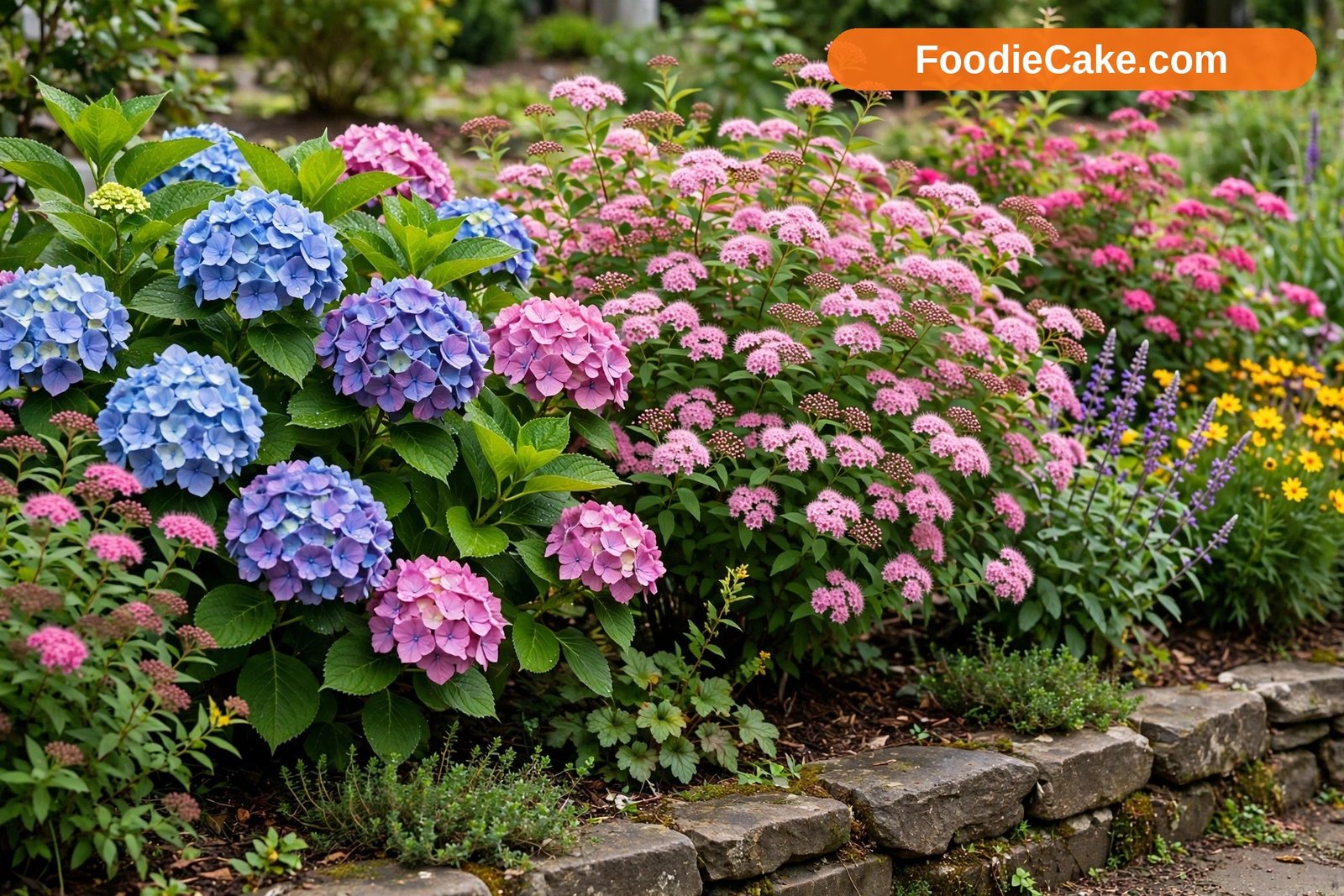
How to Choose Shrubs That Will Stay in Scale
Start by reading the label the right way round. The height and spread on a shrub label are its approximate size after about ten years in average conditions, not its size in the pot at the garden centre — and definitely not its size after one summer. In a small garden, choose shrubs with a mature height of roughly 60 centimetres to 1.5 metres, and always check the spread as well as the height. A shrub that stays short but spreads two metres wide will still eat a small border.
Next, match the shrub to your light and soil honestly. Most flowering shrubs bloom best with at least six hours of sun, but hydrangeas and azaleas tolerate, and often prefer, some afternoon shade, especially in hot climates. Acid-loving shrubs such as azaleas and some hydrangeas will sulk in very alkaline soil unless grown in pots of ericaceous compost, while potentilla, spirea, and lavender relatives shrug off poorer, drier ground. Zones matter too: a shrub that is evergreen and lush in zones 8–9 may be cut to the ground by winter in zones 5–6, so check hardiness for your area and treat borderline plants as experiments, not foundations.
Finally, plan for a spread of seasons rather than one glorious week in May. Combine a spring shrub such as lilac or azalea, a long summer performer such as panicle hydrangea or potentilla, and something with autumn foliage or berries, and a small border stays interesting without needing constant annual planting to fill gaps.
1. Compact Hydrangeas for Long Summer Colour
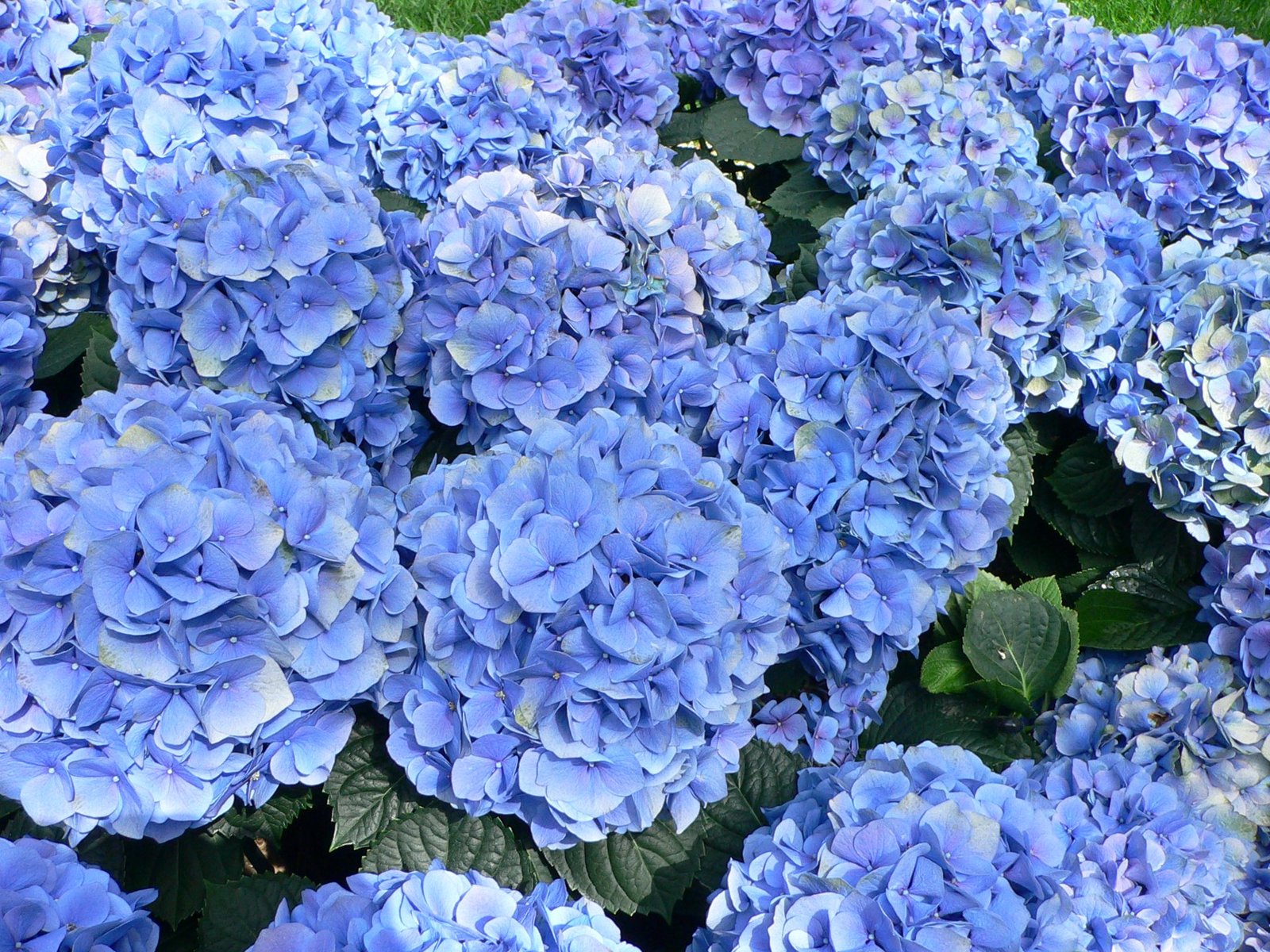
Hydrangeas are the shrubs small-garden owners ask about most, and modern compact varieties make them entirely practical. Panicle hydrangeas are usually the easiest place to start, because they flower on new wood, tolerate sun, and are hardy in zones 3–8 in many cases. ‘Little Lime’, a dwarf form of the popular ‘Limelight’, typically reaches about 90 centimetres to 1.2 metres, with lime-green flowers fading to white and then pink through summer into autumn. ‘Bobo’ is smaller still, often 60 to 90 centimetres, smothered in white blooms that can look almost too generous for the plant.
Bigleaf hydrangeas give you the classic mophead flowers in blue, pink, and purple, with colour influenced by soil acidity — blue in acid soil, pinker in alkaline soil. Compact reblooming types such as those in the Let’s Dance and Endless Summer ranges are bred to flower on both old and new wood, which means a harsh winter or an ill-timed prune is less likely to cost you a whole season. In zones 5–8, give bigleaf types a spot with morning sun and afternoon shade, and mulch well to keep roots cool and moist.
Keep hydrangea soil consistently moist, especially in the first two years and during dry spells. Wilting in hot afternoon sun is common and often recovers by evening, but repeated wilting weakens flowering, so water at the base rather than relying on light showers.
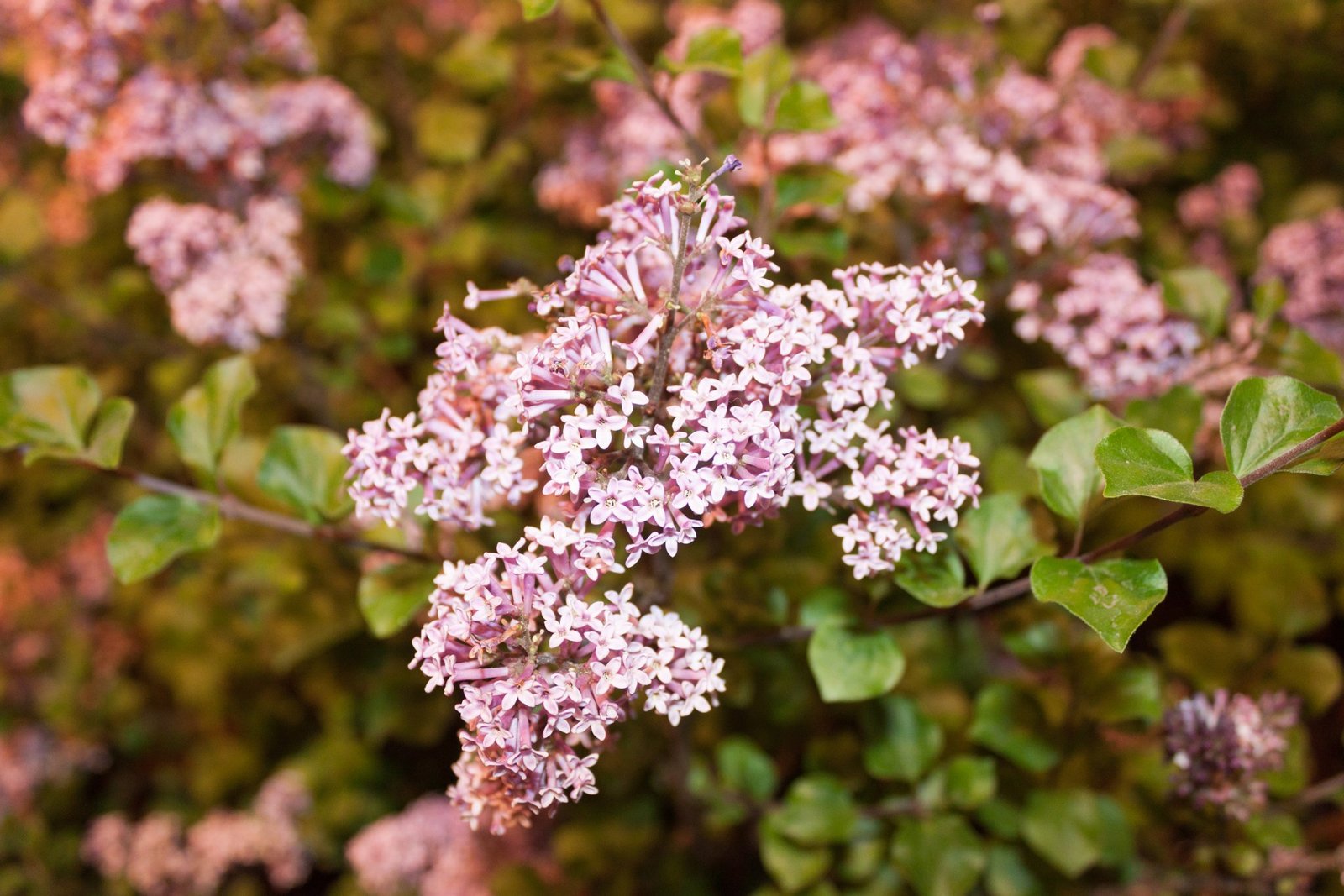
2. Dwarf Lilac for Fragrance in a Small Space
Traditional lilac is a wonderful shrub in the wrong garden — tall, wide, and briefly glorious. Dwarf lilacs keep the fragrance and lose the bulk. Syringa meyeri ‘Palibin’, the Korean lilac, forms a neat, rounded shrub around 1.2 to 1.5 metres tall and wide, covered in late spring with clusters of sweetly scented, lilac-pink flowers that pollinators visit eagerly. It is hardy in zones 3–7 and far more suited to a small border than common lilac.
Reblooming dwarf types sold as Bloomerang lilacs add a second, lighter flush of flowers in later summer after the main spring show, if you deadhead the first blooms and the plant is well watered. Do not expect the second flush to equal the first — treat it as a welcome bonus. All lilacs want full sun for best flowering, reasonably drained soil, and good air movement, which helps reduce powdery mildew on leaves late in the season.
Prune lilac immediately after flowering finishes. Lilacs form next year’s flower buds during the summer, so pruning in winter or early spring removes the very buds you have been waiting for. For dwarf types, pruning is usually light: remove spent flower heads, dead wood, and any crossing stems, and resist the urge to shear them into balls.
3. Spirea for Easy Flowers and Foliage
If you want a shrub that asks for almost nothing and still flowers reliably, spirea deserves a place on your list. Japanese spirea, Spiraea japonica, comes in many compact forms, often 60 to 90 centimetres tall, with clusters of pink or white flowers in early to midsummer and foliage that may be gold, lime, or deep green depending on the variety. ‘Little Princess’ is a long-standing favourite for its tidy mound and soft pink blooms; ‘Goldflame’ offers colourful spring foliage that changes through the season, though it can scorch in very hot, dry spots.
Spireas are tolerant plants: full sun gives the best flowers and leaf colour, but they cope with light shade, most soils that are not waterlogged, and dry spells once established. They are hardy across zones 3–8 for many varieties, which makes them a safe backbone plant in colder small gardens where fussier shrubs struggle.
Pruning is forgiving, which suits beginners. Give spring-trimmed plants a light shear after the first flowering to tidy them and often encourage a second showing, and cut out a few of the oldest stems at the base in late winter every few years to keep the centre open. Avoid cutting a healthy spirea to the ground every year — it will regrow, but you will lose its natural, graceful shape.
4. Weigela, Potentilla, and Deutzia for Variety
Once hydrangea, lilac, and spirea are in place, a few less-demanding supporting shrubs add contrast without adding work. Weigela florida in dwarf forms such as ‘My Monet’ and other compact Wine & Roses selections brings trumpet-shaped pink or red flowers in late spring and early summer, often with burgundy or variegated foliage that looks good long after flowering. Most compact weigelas stay under a metre or a little over, like sun, and are hardy in zones 4–8. Hummingbirds and bees visit the flowers readily where they occur.
Potentilla fruticosa, now often listed as Dasiphora fruticosa, is one of the longest-flowering hardy shrubs you can plant. Small yellow, white, pink, or orange flowers appear from early summer well into autumn on a compact shrub usually 60 to 90 centimetres tall. It tolerates poor soil, drought once established, and cold winters in zones 2–7, making it invaluable where other shrubs complain. It will not thrive in boggy ground or deep shade, but for a hot, sunny edge it is hard to beat.
Deutzia brings a foam of spring flowers on a graceful plant. Compact types such as ‘Yuki Cherry Blossom’, with pink-blushed white blooms, stay around 60 centimetres tall and spread gently, making them lovely at the front of a border or cascading slightly over a low edge. Plant deutzia where you can enjoy its brief but beautiful flowering up close, alongside later shrubs that take over when it finishes.
5. Compact Azaleas and Evergreen Structure
A small garden benefits from at least one or two evergreen shrubs, so the border does not vanish in winter. Compact azaleas give you both: neat evergreen or semi-evergreen foliage in many climates, and an intense spring display in white, pink, red, or purple. Encore azaleas and similar reblooming groups add further flowers in summer and autumn in suitable climates, mainly zones 6–10 depending on variety. Kurume and other hardier types suit cooler gardens in zones 5–8 with shelter and the right soil.
Soil is the deciding factor. Azaleas need acid, humus-rich, moist but well-drained soil and a position in light or partial shade. If your soil is alkaline, grow them in large pots of ericaceous compost rather than fighting your soil chemistry year after year — a pot beside a door, where spring flowers and foliage can be enjoyed daily, is no compromise at all. Water with rainwater if you can in hard-water areas, mulch with leaf mould or pine bark, and keep roots shallow and cool.
For evergreen flowers later in the season, consider compact abelia such as Abelia × grandiflora dwarf forms, with glossy leaves and small, scented white-to-pink flowers from summer into autumn in zones 6–9. Hebes are another useful group for mild gardens in zones 7–10, offering neat evergreen mounds and spikes of purple, pink, or white flowers loved by bees — but they dislike cold, wet winters, so place them in your sunniest, best-drained spot or in pots you can shelter.
How to Plant Flowering Shrubs Well
Good planting matters more than any feed you add later. Plant shrubs in autumn or early spring in most temperate climates, when soil is workable and roots can establish before summer heat or winter cold. Container-grown shrubs can go in at almost any time the ground is not frozen or waterlogged, but spring and autumn plantings need far less emergency watering.
Dig a hole about twice as wide as the pot and no deeper than the pot itself. Tease out roots that are circling tightly, set the shrub so the top of its root ball sits level with the surrounding soil — planting too deep is a slow, common killer — and backfill with the soil you removed, mixed with garden compost if it is poor. Firm gently, water thoroughly to settle soil around the roots, and add a mulch of compost or bark 5 to 7 centimetres deep, keeping it a few centimetres away from the stem.
Space according to the mature spread, not the size on planting day. It will look sparse for the first season, and that is correct. Fill temporary gaps with annuals or bulbs rather than planting shrubs too close and having to remove one in three years. If you are planning a whole small border, the principles in the best plants for small gardens will help you combine shrubs with perennials and grasses without overcrowding. Water new shrubs deeply once or twice a week in dry weather through their first full growing season, even if the variety is described as drought-tolerant once established — that phrase only applies after the roots have had time to grow out.
Pruning Without Ruining Next Year’s Flowers
Pruning frightens new gardeners more than it should, and for compact shrubs it is mostly a light, annual tidy rather than major surgery. The golden rule is timing: prune spring-flowering shrubs such as lilac, deutzia, and forsythia types immediately after they flower, because they bloom on wood grown the previous year. Prune summer-flowering shrubs that bloom on new growth, such as panicle hydrangea, spirea japonica, and potentilla, in late winter or early spring before growth starts.
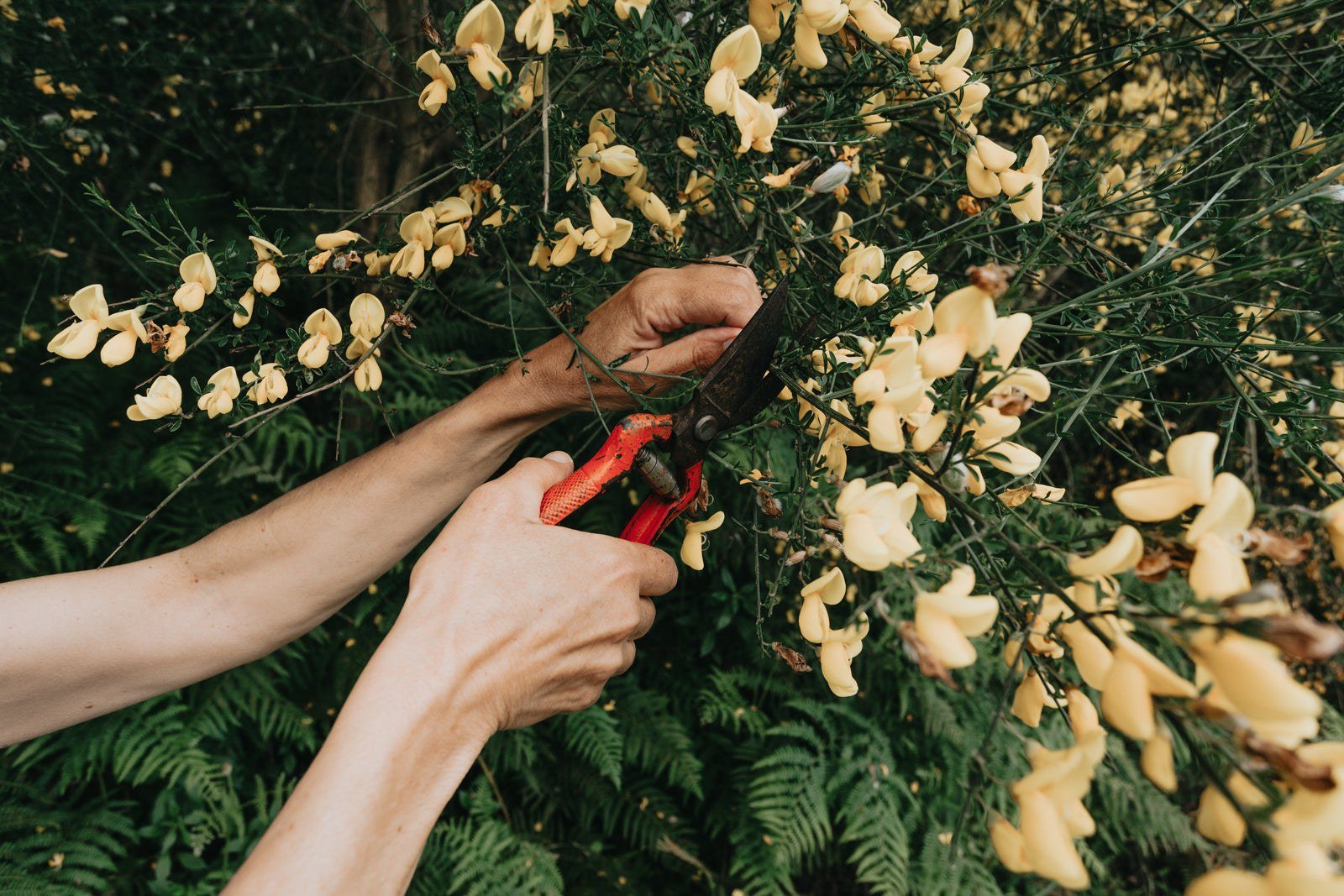
Start every pruning session the same way: remove dead, damaged, and diseased wood first, then stems that cross and rub, then thin out a few of the oldest stems at the base on mature plants to let light and air into the centre. Step back often. For dwarf shrubs, that may be all you need in a given year. Use clean, sharp secateurs for stems up to finger thickness and loppers for anything larger, and cut just above a healthy bud or junction rather than leaving stubs.
Avoid shearing flowering shrubs into tight balls unless they are formal hedging plants. Shearing removes flower buds, creates a dense outer shell of leaves with a bare interior, and makes a naturally graceful shrub look stressed. A light, open shape flowers better, dries faster after rain, and stays healthier — and it suits the relaxed planting most small gardens aim for, especially alongside the best flowering plants for spring woven between the shrubs for early colour.
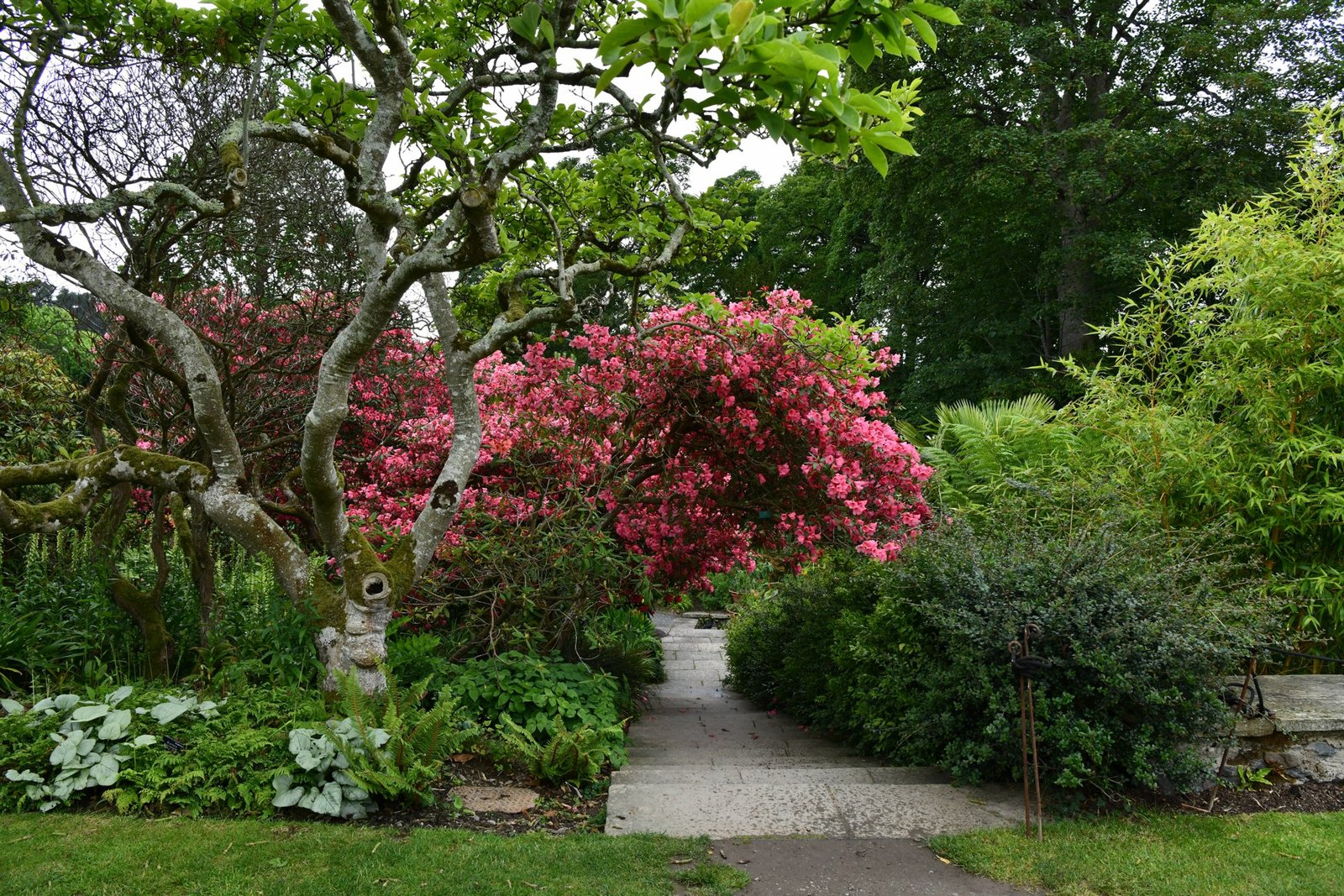
Practical Tips for Flowering Shrubs in Small Gardens
Limit yourself to fewer varieties, repeated. Two or three shrubs of the same compact hydrangea planted through a small border look calm and generous; six different single shrubs can look restless and bitty. Repetition is the cheapest design trick in a small space.
Buy the biggest impact for the longest season. A shrub with flowers, good summer foliage, and autumn colour earns three seasons of rent. Read descriptions for foliage and autumn notes, not just the flower photograph taken at peak bloom.
Mulch every spring. A fresh layer of compost or bark after pruning conserves moisture, suppresses weeds while shrubs are filling in, and slowly improves the soil underneath. It also makes a small border look instantly cared for.
Keep a simple pruning calendar note on your phone. One line per shrub — “lilac: prune after flowering, late spring” — prevents almost every timing mistake, and you only have to write it once.
Use pots for the fussy and the tender. Azaleas in alkaline soil, hebes in cold gardens, and any shrub you may want to move when you rearrange the garden will often be happier in a large pot for its first years. Group pots near seating so fragrance and flowers are where you actually sit.
Common Mistakes With Small-Garden Shrubs
Planting a full-sized shrub and planning to “keep it pruned” is the most expensive mistake. A common lilac, forsythia, or buddleia that wants to reach three metres will fight you every year, flower poorly from constant cutting, and shade everything around it. Start with a genuinely compact variety instead of battling a large plant’s nature.
Planting too close to paths, windows, and each other comes a close second. Check mature spread, imagine the shrub at that full width, and then believe it. Removing a healthy, established shrub because it blocks the path is a sad and avoidable job.
Pruning at the wrong time of year causes the familiar complaint that a shrub “never flowers.” Winter-pruning a lilac or deutzia removes its flower buds; the plant is healthy, the timing is not. If you inherit an unknown shrub, watch it for a full year, note when it flowers, and prune straight after that display until you have identified it.
Neglecting water in the first year is the quiet killer. Shrubs in pots at the garden centre were watered daily; planted in a border and forgotten during a dry spring, they can die before their roots ever leave the original root ball. Water deeply and regularly in year one, then ease off.
Finally, feeding more and more when a shrub struggles rarely helps. Yellow leaves are more often caused by wrong soil pH, waterlogging, or drought than by a simple lack of feed. Check drainage, soil, and light first, mulch, and only then consider a balanced feed in spring.
Frequently Asked Questions
What is the longest-flowering shrub for a small garden?
Potentilla is hard to beat for sheer length of season, flowering from early summer into autumn in many climates, and panicle hydrangeas run it close, with blooms that change colour as they age and look good well into autumn. Reblooming lilacs and Encore azaleas flower in flushes over a long period rather than continuously.
Which flowering shrubs are best for a shady small garden?
Hydrangeas are the first choice for light to partial shade, especially with morning sun. Azaleas also suit partial shade and a sheltered spot. Very deep, dry shade under trees is difficult for any flowering shrub — expect fewer flowers, choose foliage interest as well, and improve soil with plenty of compost before planting.
Can I grow flowering shrubs in pots permanently?
Yes, compact varieties do well in large pots if you use good compost, water reliably, and feed lightly in spring. Choose a pot at least 40 centimetres across for most dwarf shrubs, repot or refresh the top layer of compost every couple of years, and remember that pots freeze harder in winter, so tender types may need shelter in cold zones.
How far apart should I plant small flowering shrubs?
Space them according to their mature spread: for a shrub that will reach 90 centimetres wide, plant roughly 90 centimetres from its neighbour’s centre. That looks gappy in year one, so fill gaps temporarily with bulbs, annuals, or ground cover that can be moved or will fade as shrubs grow.
My shrub has lots of leaves but no flowers. Why?
The usual causes are pruning at the wrong time, too much shade, or too much nitrogen-rich feed pushing leaf growth. Check which of those fits, correct it for one full season, and be patient — a shrub moved or pruned hard may need a year to settle back into flowering.
Final Thoughts
A small garden does not need fewer flowers — it needs the right shrubs, chosen at their mature size, matched to your soil and light, and given a year of good watering to settle in. Start with a compact hydrangea for summer, a dwarf lilac for spring fragrance, and one easy workhorse such as spirea or potentilla, and you already have a border that performs from spring to autumn.
Add plants slowly, repeat what works, and prune little but at the right time. Within two or three seasons, those neat young shrubs will knit together into exactly the full, flower-filled garden that small spaces do best — generous in bloom, and entirely in scale.