

The best vegetables to grow in a home garden are not always the ones that look most impressive in a seed catalogue. They are the ones you actually want to eat, that suit your space, and that will forgive a missed watering or a late start. A small patch of reliable tomatoes, beans, and salad leaves can give you far more pleasure — and far more food — than a complicated plan you cannot keep up with.
Start with what your household already enjoys. If nobody at home likes aubergines, growing three perfect plants will not feel like a success. If you buy peppers, courgettes, and fresh herbs every week, those are strong candidates. Homegrown produce tastes best when it is picked minutes before cooking, so the crops that benefit most from that short trip from soil to plate are usually the most rewarding.
You do not need a large plot or years of experience. Most of the vegetables in this guide will grow in a sunny border, a raised bed, or even a few large pots on a patio. What they need is light, decent soil, steady water, and a little attention at the right moment. Get those basics roughly right, and even a first garden can produce a steady stream of harvests from late spring through autumn.
How to Choose Vegetables That Fit Your Garden
Before you order seeds, take a honest look at your space. Watch where the sun falls during the day. Fruiting crops such as tomatoes, peppers, and zucchini need at least six to eight hours of direct sun to crop well. Leafy greens, radishes, and many herbs are more forgiving and will manage with four to six hours, especially in hot weather when a little afternoon shade can stop them bolting.
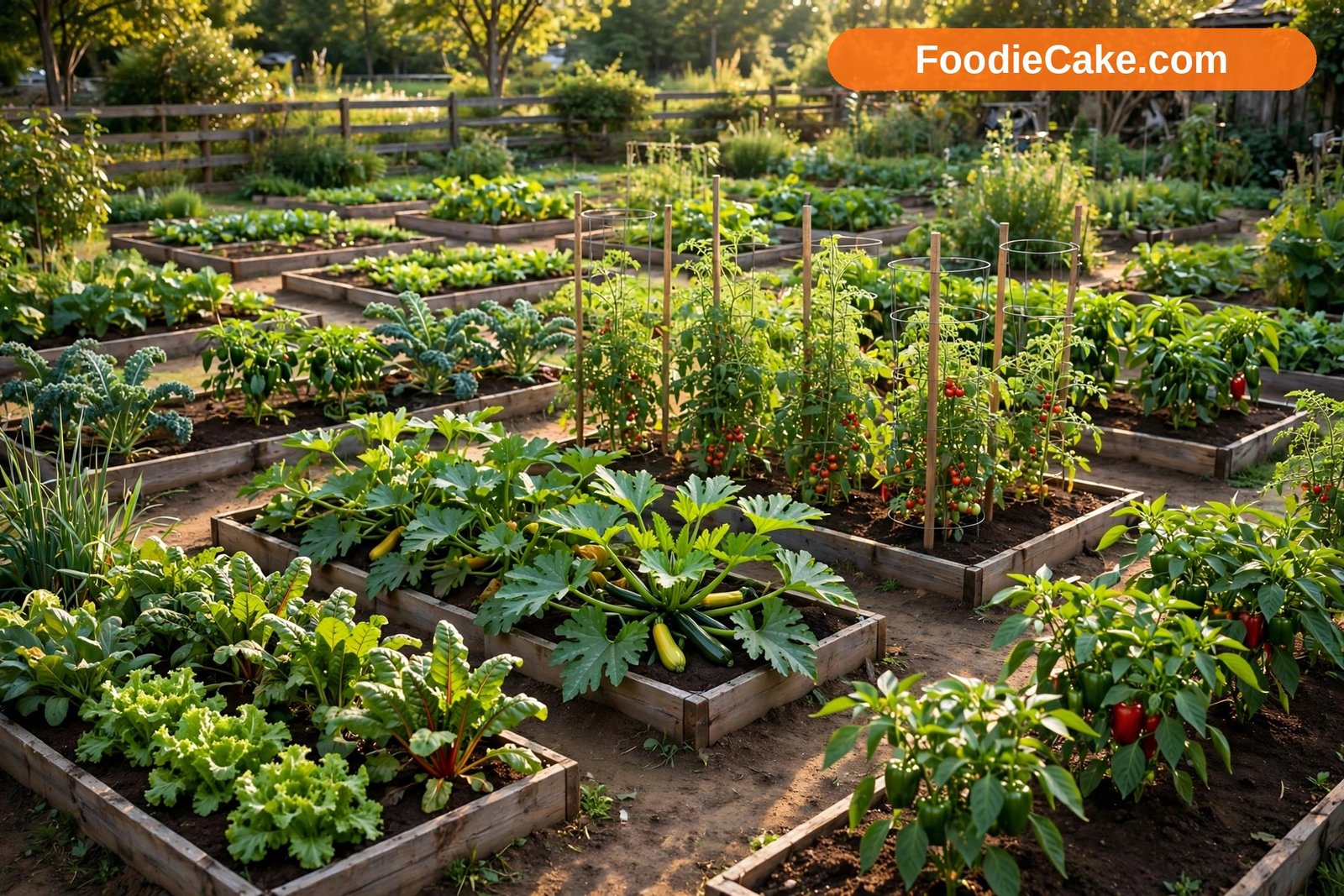
Next, think about room to spread. A single zucchini plant can fill a square metre by midsummer. A row of dwarf French beans, by contrast, stays neat and compact. If space is tight, favour crops that earn their place: cut-and-come-again lettuce, climbing beans that grow upwards, and herbs you use often. Gardeners with raised beds often find it helpful to compare notes on the best vegetables to grow in raised beds before deciding how much room each crop really needs.
Climate matters just as much as space. In zones 5–8, warm-season crops such as tomatoes and peppers are usually started indoors in late winter or early spring and planted out only after the last frost. In milder zones 9–10, you can often sow earlier and enjoy a longer season, but heat and drought become the bigger challenge. In cooler zones 3–4, choose shorter-season varieties, warm the soil with fleece or cloches, and focus on dependable crops such as peas, radishes, carrots, and hardy greens alongside your summer favourites.
Finally, be realistic about time. Some vegetables need almost daily picking at their peak. Others sit happily until you are ready for them. A good first garden mixes both: a few generous, fast crops for excitement, and a few steady ones that do not punish you for going on holiday for a week.
The Best Vegetables to Grow in a Home Garden, One by One
The nine crops below were chosen for flavour, reliability, and value for space. None of them needs specialist equipment, and all of them are widely available as seed or young plants from garden centres.
Tomatoes
Difficulty: Moderate, but very rewarding. Sun: Full sun, at least eight hours if possible. Space: One plant per large pot, or 45–60 cm apart in the ground.
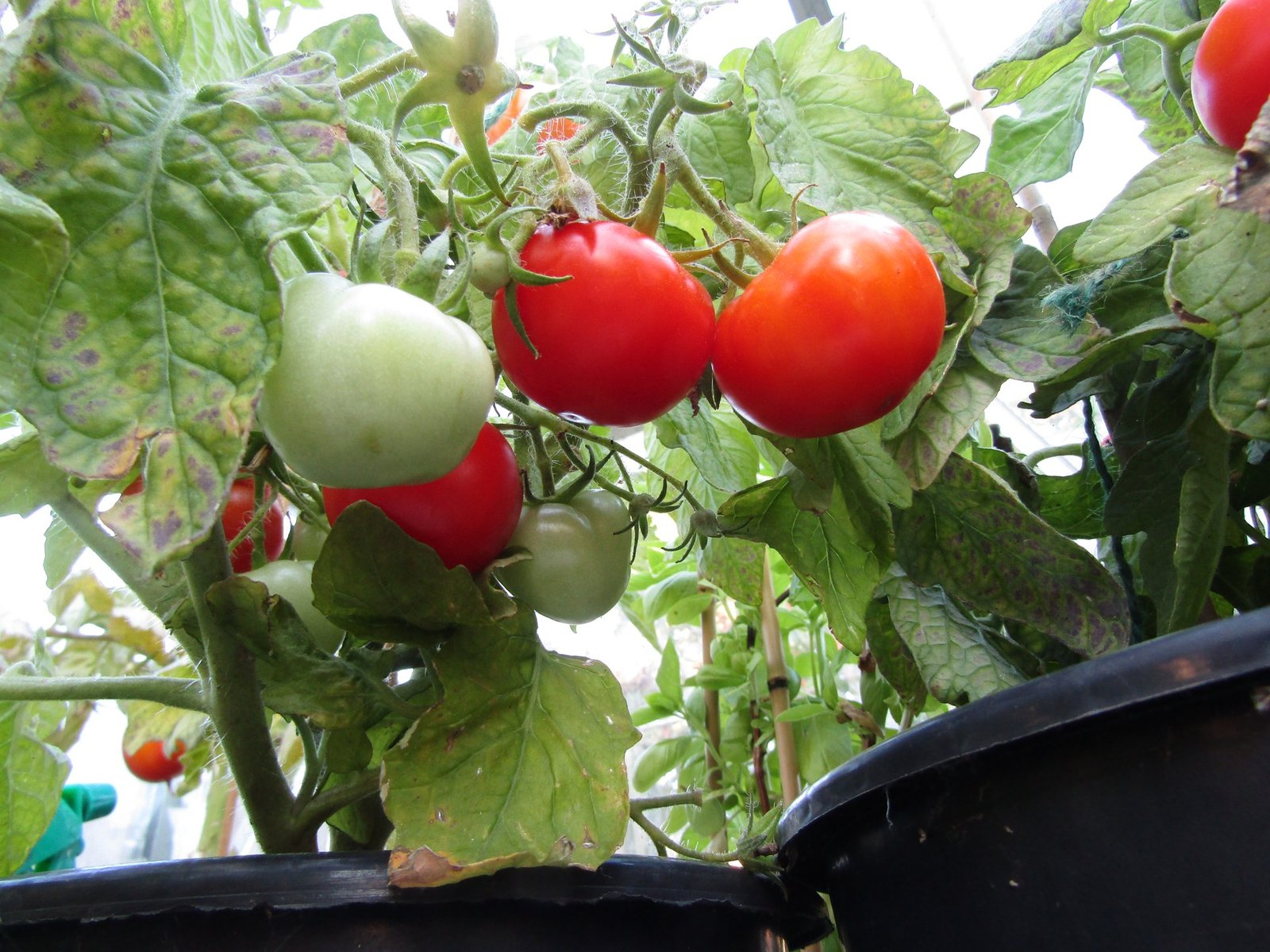
Tomatoes are the crop most home gardeners remember long after summer ends, because a ripe tomato picked warm from the vine tastes nothing like a chilled supermarket one. Indeterminate, or cordon, varieties such as ‘Gardener’s Delight’, ‘Sungold’, and ‘Moneymaker’ keep growing and cropping over a long season and need a sturdy cane or string for support. Bush, or determinate, varieties such as ‘Roma’ and ‘Tumbling Tom’ are shorter, suit pots and hanging baskets, and need far less pruning.
In zones 5–8, sow seed indoors in March or early April, keep seedlings on a bright windowsill, and transplant outside after all risk of frost has passed. In zones 9–10, you can start a little earlier, but watch for cold nights. Plant tomatoes deeply, burying part of the stem, because they form extra roots along it. Water at the base, mulch once the soil warms, and feed weekly with a tomato fertiliser once the first flowers set fruit. Pick fruit as it colours fully, and pick often — it encourages the plant to keep producing. If you want a fuller walk-through, this guide to how to grow tomatoes at home covers support, pruning, and feeding in more detail.
Peppers
Difficulty: Easy to moderate. Sun: Full sun and warmth. Space: 30–45 cm apart, or one per medium pot.
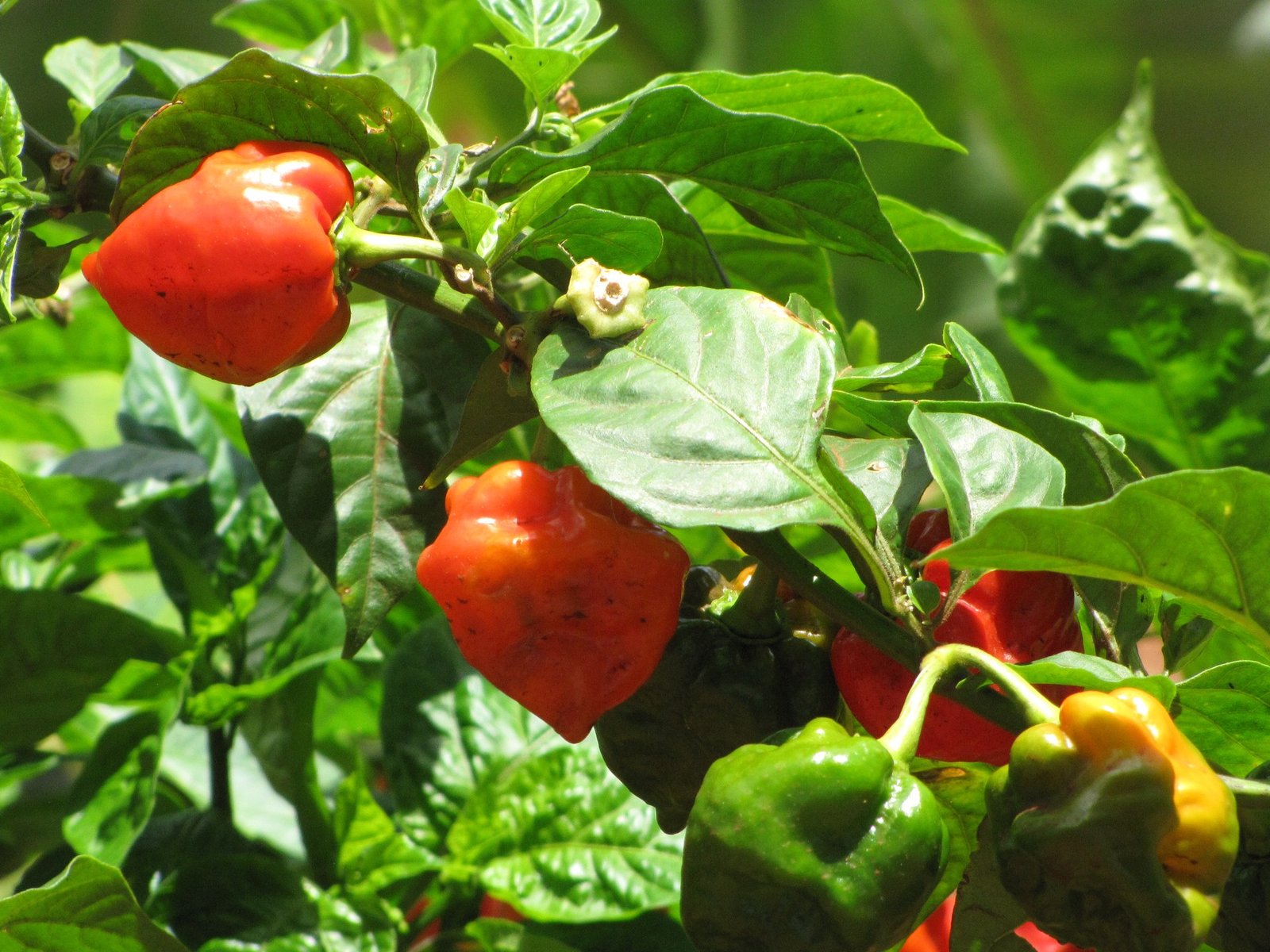
Sweet peppers and chillies are slow to start but generous once they get going, and they look handsome while they do it. Reliable sweet varieties include ‘California Wonder’ and ‘King of the North’, which was bred for shorter, cooler seasons. For chillies, ‘Jalapeño’ is mild and productive, while ‘Cayenne’ dries well for winter use.
Sow indoors earlier than almost anything else — February or March in zones 5–8 — because seed germinates slowly and seedlings grow steadily rather than fast. Peppers hate cold soil and cold nights, so wait until the weather has properly settled before planting out. A sheltered, south-facing spot or a greenhouse border suits them best. Water regularly so the compost or soil does not swing between dry and soaked, which can cause blossom end rot and dropped flowers. Harvest sweet peppers green for a sharper flavour or leave them to ripen to red, orange, or yellow for sweetness. Chillies can be picked at any stage, and frequent picking keeps more coming.
Zucchini and Summer Squash
Difficulty: Easy. Sun: Full sun. Space: Generous — allow about 90 cm per plant.
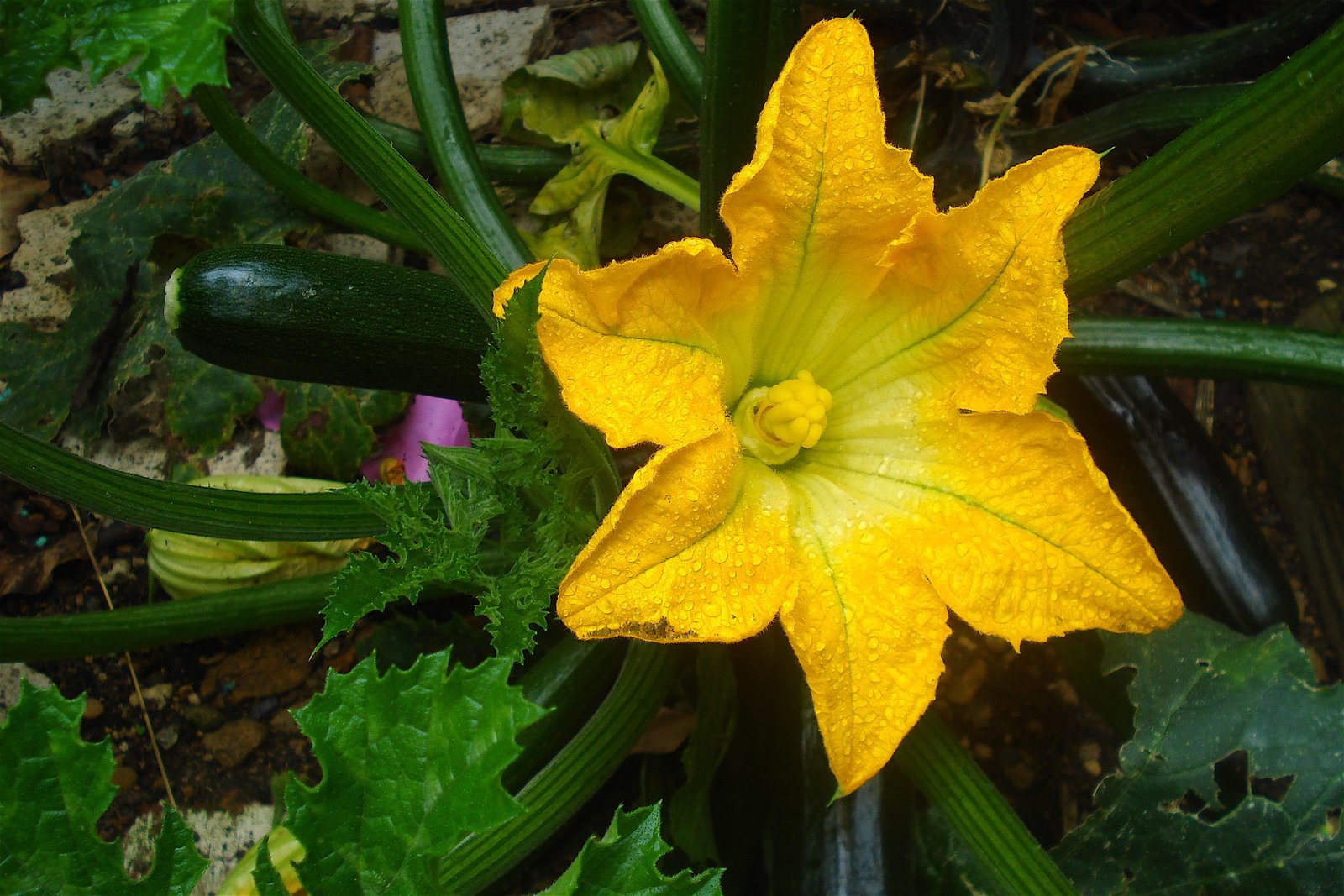
If you want one crop that makes a new gardener feel successful, plant a zucchini. Varieties such as ‘Defender’, ‘Costata Romanesco’, and the compact ‘Patio Star’ grow quickly in warm soil and produce fruit for weeks. Sow indoors in April, or direct sow outdoors in late May in zones 5–8 once frosts are over. In warmer zones, direct sowing a little earlier usually works well.
The secret is picking. Harvest zucchini small, at 10–15 cm long, and check plants every two or three days in warm weather. Left alone, the fruit swells into marrows, the plant slows down, and you end up with more than any kitchen can use. Powdery mildew often appears on leaves later in summer. It looks untidy but rarely stops production; remove the worst leaves, water at the base, and give plants air to breathe. Water deeply in dry spells, because those big leaves lose a lot of moisture on hot days.
Cucumbers
Difficulty: Easy to moderate. Sun: Full sun, with shelter from strong wind. Space: Climbing types need a trellis; allow 45 cm between plants.
Cucumbers are thirsty, fast, and deeply satisfying to pick on a warm morning. Outdoor ridge varieties such as ‘Marketmore 76’ are hardy and reliable in zones 5–8, while ‘Telegraph’ and similar greenhouse types give longer, smoother fruit under cover. For small spaces and pots, look for compact varieties such as ‘Spacemaster’.
Sow indoors in April or direct sow in late May to early June once the soil has warmed. Cold, wet soil is the main cause of failure, so patience pays. Train climbing plants up canes, netting, or a trellis to save space and keep fruit clean and straight. Water consistently — irregular watering is a common reason cucumbers taste bitter. A thick mulch helps keep moisture even. Pick fruit young and often, before the seeds inside become large and tough. In hot zones, a little shade during the fiercest part of the afternoon can reduce stress without cutting the harvest.
Beans
Difficulty: Easy. Sun: Full sun, though dwarf types tolerate light shade. Space: Climbing beans need 2-metre supports; dwarf beans fit almost anywhere.
Beans may be the best value crop in the whole garden. They germinate quickly, grow fast, need little feeding, and actually leave the soil richer than they found it because their roots fix nitrogen. Climbing French beans such as ‘Blue Lake’ and ‘Cobra’ crop over a long period and rarely suffer from the stringiness that can affect runner beans. Runner beans such as ‘Scarlet Emperor’ are vigorous, ornamental, and loved by bees. Dwarf French beans such as ‘Purple Teepee’ suit pots and the front of beds.
Direct sow outdoors from mid-May in zones 5–8, or start in pots a few weeks earlier if slugs are a problem in your garden. Sow a second batch in early July for a later harvest. Keep the soil moist while flowers are setting, especially in dry weather, or pods may fail to form. Pick every two or three days. Beans left to mature on the plant tell it to stop flowering, so regular picking really does mean more beans.
Lettuce and Leafy Greens
Difficulty: Easy. Sun: Four to six hours is enough; partial shade helps in summer. Space: Minimal — perfect between slower crops.
Lettuce, spinach, chard, and salad leaves are the quiet heroes of a home garden. Loose-leaf lettuces such as ‘Saladin’ and ‘Lollo Rosso’ let you pick a few outer leaves at a time instead of cutting a whole head. ‘Little Gem’ gives crisp, compact hearts. Swiss chard such as ‘Bright Lights’ is tougher than spinach, looks colourful, and keeps producing for months.
Sow little and often, every two or three weeks from March to September in zones 5–8, for a steady supply instead of a glut. Lettuce seed germinates poorly in hot soil, so in midsummer sow in a shady spot or in the evening and keep the row damp. Thin seedlings so the remaining plants have room; crowding invites slugs and mildew. Harvest in the morning when leaves are crisp. In zones 9–10, focus leafy greens in the cooler months of autumn, winter, and early spring, when they are far less likely to bolt.
Carrots
Difficulty: Moderate — success depends on the soil. Sun: Full sun to light shade. Space: A row takes little room, but the soil needs depth.
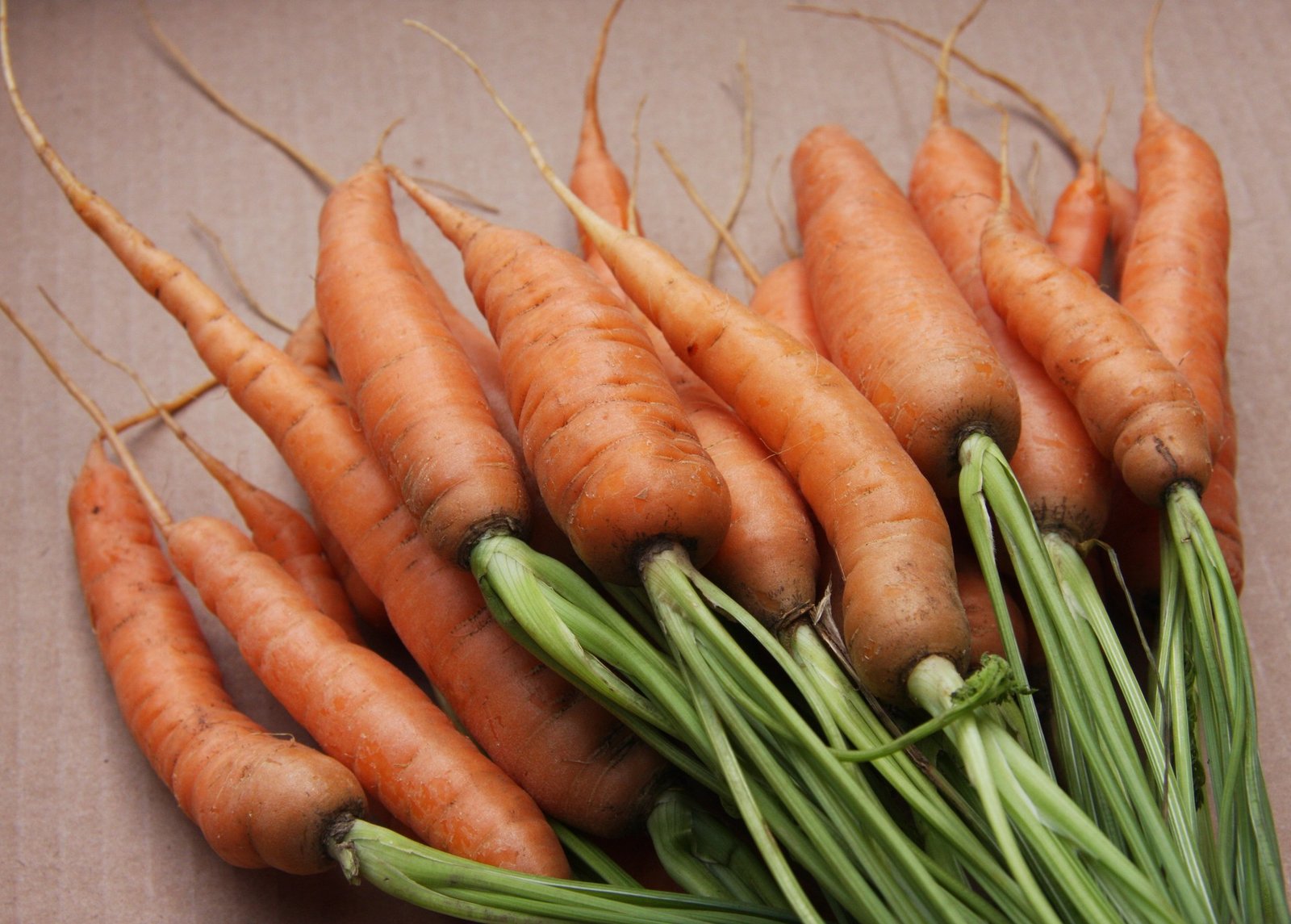
Carrots reward patience and preparation. Short, round varieties such as ‘Paris Market’ cope with heavy or shallow soil. For longer roots, ‘Nantes 2’ and ‘Autumn King’ are dependable where the soil is light and stone-free. The main rule is simple: carrots dislike freshly manured ground and hard, lumpy soil, which make roots fork. A bed that was manured the previous year is ideal.
Sow thinly outdoors from March to July in zones 5–8, in shallow drills, and cover lightly. Germination is slow — often two to three weeks — so keep the surface moist. A plank or fleece laid over the row until seedlings appear can help. Thin seedlings in stages to about 5 cm apart, ideally on a still evening, because the scent of crushed foliage attracts carrot fly. A low fleece barrier or fine mesh is the simplest protection. Harvest when the shoulders of the roots look wide enough, loosening the soil with a fork first so they do not snap.
Radishes
Difficulty: Very easy. Sun: Full sun to partial shade. Space: Tiny — sow them in gaps anywhere.
Radishes are the fastest crop most gardeners will ever grow, often ready in three to four weeks from sowing in warm weather. ‘French Breakfast’ is mild and pretty, ‘Cherry Belle’ is round and crisp, and ‘Scarlet Globe’ is a reliable all-rounder. Because they grow so quickly, radishes are perfect for marking rows of slow crops such as carrots and parsnips, and for giving children — or impatient adults — an early success.
Sow directly outdoors every two weeks from March to September. Keep them watered; radishes grown too dry or left too long become woody and fiercely hot. Thin to about 2–3 cm apart so the roots have room to swell. In hot weather in zones 8–10, choose a slightly shady spot and harvest promptly. A pot of radishes on a sunny doorstep is a perfectly respectable start to vegetable growing.
Herbs for Vegetable Gardens
Difficulty: Easy. Sun: Most need full sun; parsley and coriander accept light shade. Space: Small, and many thrive in pots.
Basil, parsley, chives, coriander, and dill blur the line between vegetable garden and kitchen in the best way. Basil belongs beside tomatoes, both on the plate and in the bed, but it is tender: sow indoors and plant out only when nights are warm. Flat-leaf parsley is slower to germinate than almost anything else here, so sow it, mark the spot, and wait. Chives are perennial, almost indestructible once established, and their purple flowers are loved by pollinators. Coriander bolts quickly in heat, so sow it little and often and accept the seeds as a second harvest if it does flower.
Herbs want sharp drainage and do not need rich feeding. In fact, basil and rosemary-type herbs taste stronger in slightly leaner soil. Keep herbs near the kitchen door if you can. The best herb garden is the one you actually walk past with scissors in hand.
A Simple Planting Calendar to Keep You on Track
Gardening feels much easier when you stop trying to plant everything on one busy weekend. Spread the work out and the garden will reward you with a longer, steadier harvest.
In late winter and early spring, start peppers and tomatoes indoors, and sow broad beans, peas, and the first radishes outside where the soil is workable. In mid-spring, sow carrots, lettuce, chard, and herbs outdoors, and start zucchini and cucumbers in pots under cover. After your last frost — which might be April in zone 8 and late May in zone 5 — plant out tomatoes, peppers, zucchini, and cucumbers, and direct sow beans.
Through summer, keep sowing the quick crops: lettuce every few weeks, radishes every fortnight, and a late row of dwarf beans in early July. Water during dry spells, pick fast-growing crops little and often, and mulch beds to keep moisture in. In early autumn, sow hardy salad leaves and spinach for late pickings, harvest the last tomatoes before frost, and clear spent plants to the compost heap. Exact dates shift with your zone and your weather in any given year, so treat the calendar as a rhythm rather than a rulebook. Your last frost date and the feel of the soil are better guides than a date printed on a packet.
Soil, Watering, and Feeding Basics That Make Everything Easier
Good soil does half the work for you. Most vegetables like soil that holds moisture but drains freely, with plenty of organic matter worked in. A layer of compost, 3–5 cm deep, spread on beds each year is enough for most home gardens. You do not need to dig deeply every season; worms will pull much of it down for you. If your soil is heavy clay, raised beds and added compost gradually improve structure. If it is very sandy, compost helps it hold water and nutrients for longer.
Water deeply and less often rather than giving plants a light sprinkle every day. Deep watering encourages roots to grow down, where the soil stays cooler and damper. Morning is the best time, because leaves dry quickly and slugs get less encouragement. Soaker hoses, watering cans aimed at the base, and a thick mulch of straw or compost all waste less water than sprinklers. Pots are the exception: in hot weather they may need water once or even twice a day.
Feeding does not need to be complicated. A general organic fertiliser at planting time suits most crops. Leafy greens appreciate extra nitrogen, while fruiting crops such as tomatoes and peppers do better with a potassium-rich tomato feed once flowering starts. Beans and peas need very little extra feed at all. If a plant looks pale and growth is slow, feed it; if it is lush and dark green, leave it alone. More fertiliser than a plant can use does not mean more vegetables.
Practical Tips for a More Productive Home Vegetable Garden
Start smaller than you think you should. A well-tended bed measuring three metres by one metre will out-produce a large, neglected plot, and it will leave you wanting more rather than feeling behind. You can always add a second bed next season.
Succession planting is the quiet trick behind gardens that never seem empty. As soon as one crop finishes, have the next ready to go in. Early radishes make way for beans. Spring lettuce is followed by chard. Seed packets are cheap; empty soil in June is a missed opportunity.
Keep a simple notebook or a note on your phone. Write down what you sowed, when, and whether it worked. Variety names, sowing dates, and one honest sentence — ‘Sungold, superb, sow again’ or ‘carrots failed in the stony bed’ — will save you repeating mistakes and help you repeat your successes.
Support plants before they need it. Canes for beans, strings for tomatoes, and netting for peas are far easier to install when plants are small. Mulch after rain, when the soil is already damp, to lock that moisture in. Visit the garden with a small basket most days in summer, even if you only pick a handful of beans or a few leaves. Frequent, small harvests keep plants productive and help you spot problems while they are still minor.
Finally, grow one thing just for pleasure each year. An unfamiliar tomato variety, purple beans that turn green when cooked, or a row of edible flowers. Gardens that are only about efficiency rarely stay loved for long.
Common Mistakes and Problems to Watch For
The most common mistake is sowing everything at once. A whole packet of lettuce seed sown in April gives you twenty lettuces in June and none in July. Sow a short row, then another two weeks later. The second most common mistake is planting tender crops too early. Tomatoes, peppers, beans, and zucchini checked by cold may sit and sulk for weeks, and a single late frost can finish them. Waiting a week almost always beats rushing.
Crowding causes more trouble than most pests. Plants packed too closely compete for water, shade each other, and trap damp air that encourages mildew and blight. Follow the spacing on the packet even when the seedlings look lost at first. They will fill the space faster than you expect.
Watch for slugs after rain, especially around young beans and lettuce. Beer traps, copper tape on pots, and evening patrols with a torch all help, and encouraging frogs and birds helps most of all in the long run. Blossom end rot — a dark, sunken patch on the bottom of tomatoes and peppers — is usually caused by irregular watering rather than disease, so steady moisture is the cure. Yellowing leaves can mean hunger, overwatering, or simply age; check the soil with a finger before reaching for feed. And if something fails completely, take heart: every experienced gardener has a list of failures, usually involving carrots in stony soil or basil planted out too soon.
Frequently Asked Questions
What is the easiest vegetable to grow for a complete beginner?
Radishes and dwarf French beans are hard to beat. Radishes are ready in as little as three to four weeks and need almost no care beyond watering. Dwarf French beans germinate reliably in warm soil, need no supports, and crop generously. Lettuce grown as cut-and-come-again leaves is another forgiving choice, because you harvest a little at a time instead of judging the perfect moment to cut a whole head.
How much sun do vegetables really need?
Fruiting vegetables — tomatoes, peppers, cucumbers, and zucchini — need at least six hours of direct sun and do best with eight. Root crops such as carrots prefer full sun but tolerate light shade. Leafy greens are the most flexible and will grow well with four to six hours, and in hot climates they often prefer shade in the afternoon to stop them bolting and turning bitter.
Can I grow vegetables in pots instead of in the ground?
Yes, many of them do very well. Choose pots at least 30 cm across for most crops, and larger for tomatoes and zucchini. Bush tomatoes, peppers, dwarf beans, lettuce, radishes, and herbs are especially good in containers. The trade-off is watering: pots dry out much faster than beds, so check them daily in summer and use a good peat-free compost with some slow-release feed mixed in.
When should I start sowing in zones 5–8?
Start peppers indoors in February or March and tomatoes indoors in March or early April. Sow hardy crops such as radishes, lettuce, peas, and carrots outdoors from March onwards where the soil is workable. Wait until after your last frost — typically from late April to late May depending on your zone — to plant out tender crops or sow beans, zucchini, and cucumbers outdoors.
Why are my tomato fruits splitting or rotting at the bottom?
Splitting usually follows heavy rain or generous watering after a dry spell, when the fruit swells faster than the skin can stretch. Water steadily to reduce it, and pick fruit that is nearly ripe before forecast downpours. A dark patch at the bottom is blossom end rot, linked to uneven water reaching the fruit. Regular deep watering and mulch usually prevent it, and affected plants often produce healthy fruit later in the season.
How do I keep harvests coming instead of getting one big glut?
Sow little and often. Make small sowings of lettuce, radishes, spinach, and beans every two to three weeks through the season instead of one long row. Pick zucchini, cucumbers, and beans every few days, because regular picking encourages more flowers and pods. Planting two varieties of the same crop, one early and one maincrop, also spreads the harvest out.
Final Thoughts
A home vegetable garden does not have to be perfect to be worthwhile. A few tomato plants on a sunny patio, a row of beans against a fence, and a pot of salad leaves by the door already count, and they will teach you more in one season than any book can. Start with the vegetables your household loves, give them sun and steady water, and sow in small batches so the harvests keep coming.
Keep notes, forgive the failures, and repeat what worked. Carrots may sulk one year and thrive the next. That is not a problem with you; it is simply gardening. Choose a handful of crops from this list, plant them at the right time for your zone, and enjoy the particular satisfaction of cooking something you grew yourself.
[…] you can be picking leaves from spring to autumn in most zones, and they belong at the heart of the best vegetables to grow in a home garden precisely because they earn their space week after […]