

When people ask about the best vegetables to grow in summer, they are usually picturing the crops that actually love heat rather than merely survive it. That is the right instinct. Summer is not the season to nurse cool-weather plants along with shade and hope. Lettuce bolts, spinach gives up, and peas go starchy and tired. The vegetables in this guide do the opposite: they wait for warm soil and long days, then grow fast, fruit heavily, and reward the gardener who keeps up with watering and picking.
The list below focuses on reliable heat lovers — tomatoes, peppers, eggplant, okra, cucumbers, zucchini and summer squash, green beans, sweet corn — plus basil, which belongs beside them in the kitchen and the bed. For each one you will find what it needs to do well, when to plant it, and the small details that matter, like why cucumbers turn bitter in a drought or why beans should be sown in short batches rather than all at once.
One honest warning before the list: summer advice depends heavily on where you garden. In mild coastal areas in zones 8–9, the main task is keeping plants watered through dry spells. In hot inland valleys and desert climates in zones 9–11, midsummer heat itself can stall pollination and scorch fruit, and planting dates shift earlier in spring and later towards autumn. Gardeners in zones 5–7 have a shorter but often kinder summer window. Read the timings here as a pattern to adapt to your frost dates and your heat, not as fixed calendar dates that fit everywhere.
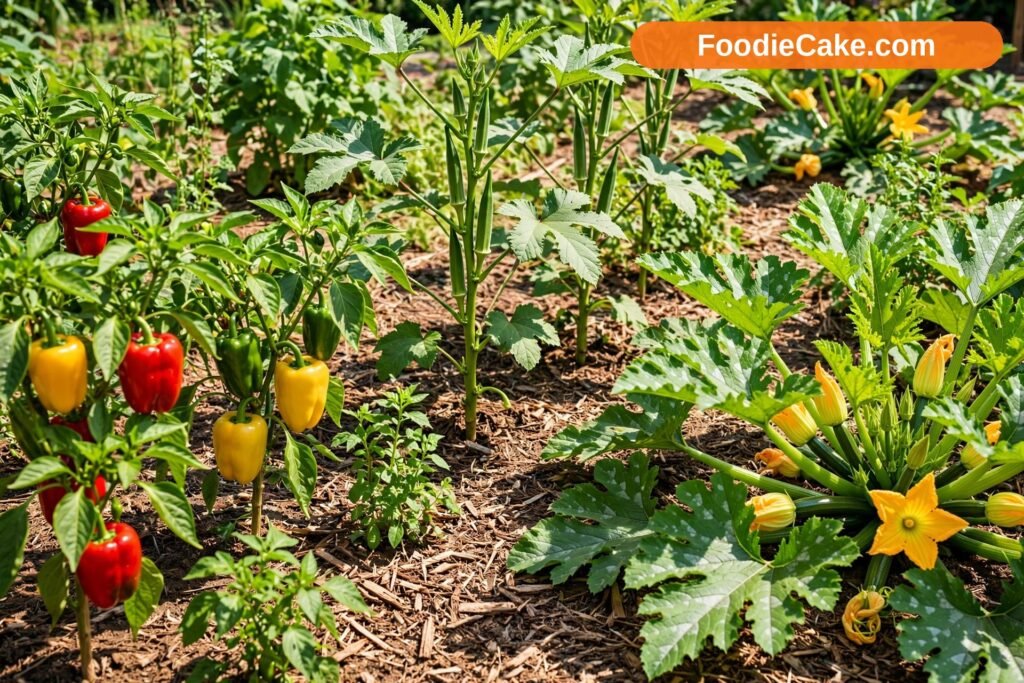
Tomatoes: The Summer Centrepiece
Tomatoes define the summer garden for good reason. They need warm soil — wait until nights stay above 50°F — full sun, and steady moisture, and in return they fruit from midsummer until frost. Cherry types such as Sungold and Sweet Million are the most forgiving and often the earliest, ripening in around 60 to 70 days from transplanting. Roma and other paste types suit cooking and preserving, while beefsteaks like Brandywine or Cherokee Purple need the longest, warmest season and should only be attempted where summers are long or reliably hot.
Grow indeterminate varieties on stakes or sturdy cages, spacing them 24 to 36 inches apart, and mulch once the soil warms to hold moisture and prevent soil splash. The two problems to anticipate are blossom end rot, prevented mainly by even watering rather than extra calcium, and cracking after heavy rain following a dry spell. Pick regularly, including fruit at the blushing stage before forecast downpours, and tomatoes will keep coming for weeks.
Peppers: Sweet and Hot Types That Love Heat
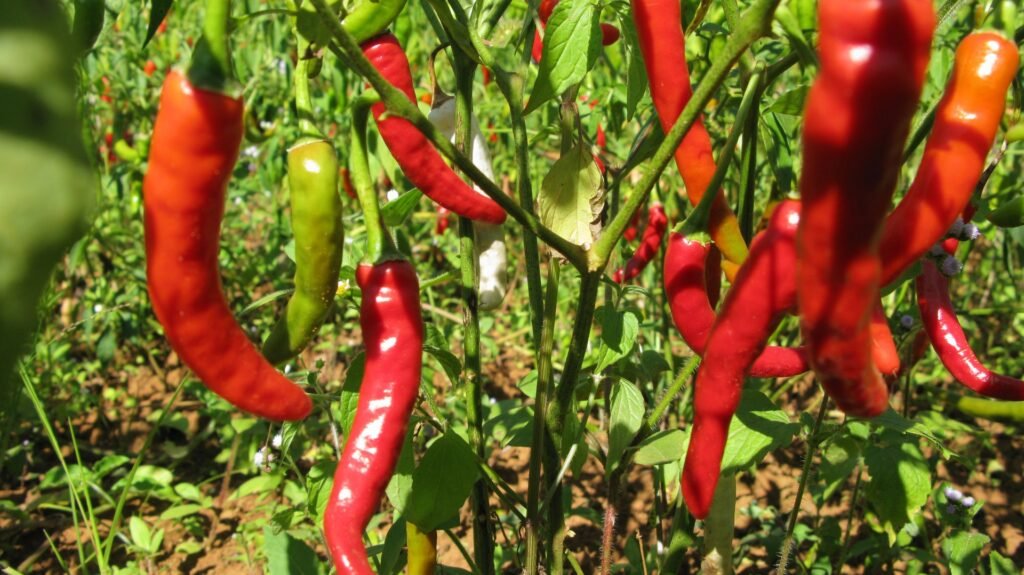
Peppers are slower and more heat-demanding than tomatoes, which is exactly why they shine in summer. Transplant them two to three weeks after tomatoes, once soil is genuinely warm, because peppers sulk in cold ground and may never fully recover the lost time. Bell peppers such as California Wonder and King of the North — the latter bred for shorter northern seasons — need consistent watering to produce thick-walled fruit. Hot peppers are generally easier and more productive: Jalapeño for everyday heat, Cayenne for drying, and Habanero only where the season is long and hot, since it is slow to ripen.
Space peppers 18 to 24 inches apart in full sun, and support taller plants with a small stake or cage before they load up with fruit and topple. Peppers tell you about watering with their harvest: irregular moisture gives thin walls and blossom end rot here too. In very hot inland climates, peppers appreciate the soil being heavily mulched and, during extreme spells, the kind of protection described in our guide on how to protect plants from extreme heat, though in most gardens they handle heat that would stop beans or cucumbers in their tracks.
Eggplant: A True Heat Lover
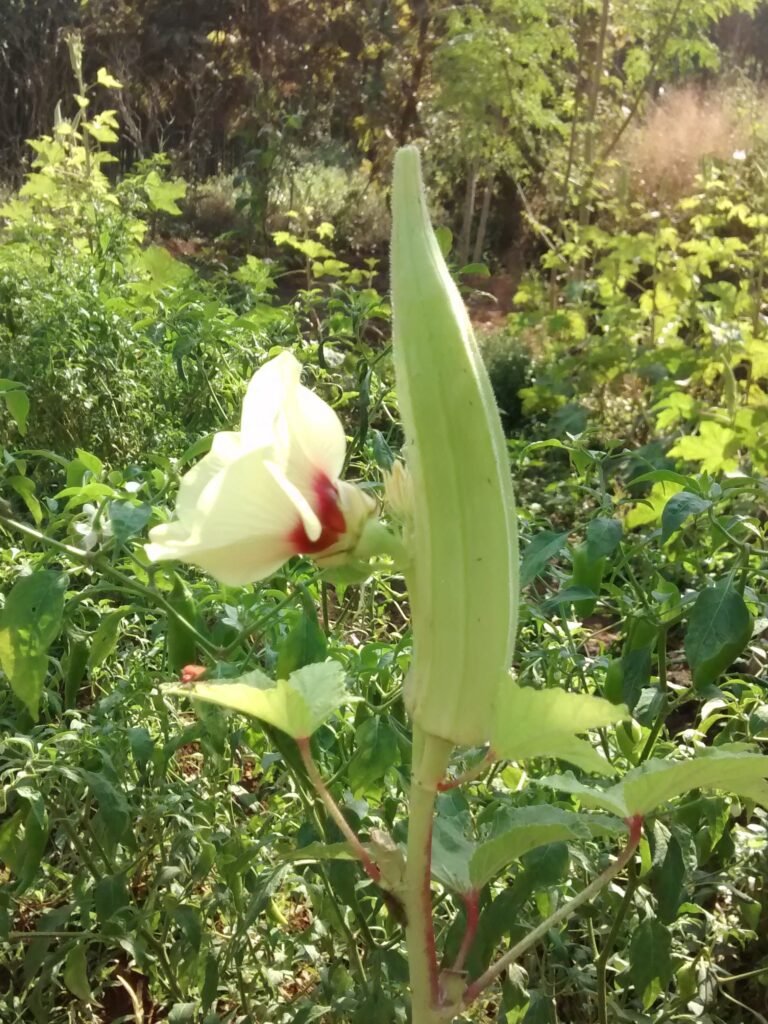
Eggplant, also called aubergine in many places, wants even more warmth than peppers and repays it with glossy, handsome fruit all summer. Black Beauty is the familiar large purple type, Ichiban and other long Asian varieties often produce earlier and set more fruit in humid heat, and small varieties such as Fairy Tale suit pots and shorter seasons. Start seeds indoors eight to ten weeks before your last frost, or buy sturdy transplants, because eggplant is slow from seed and hates cold starts.
Plant in full sun, 24 to 30 inches apart, in rich soil with reliable watering. The main pest is the flea beetle, which peppers young leaves with tiny holes in early summer. A floating row cover until flowering, removed so pollinators can reach the flowers, prevents most damage without sprays. Harvest eggplants while the skin is glossy. Dull skin and brown seeds mean the fruit stayed on too long and will taste bitter and seedy. Cut rather than pull, leaving a short stem, and expect production to peak in the hottest weeks when other crops pause.
Okra: The Crop That Wants More Heat, Not Less
If your summers are hot and humid and other vegetables struggle, okra is your plant. Clemson Spineless is the standard variety — productive and with fewer spines — while Burgundy adds deep red pods that turn green when cooked. Okra seed should go directly in the ground after all frost danger, once soil reaches about 70°F, because it transplants poorly and grows fast anyway. Soaking seed overnight can help germination in dry soil.
Space plants 12 to 18 inches apart in full sun. Beyond regular watering while establishing, okra is genuinely drought tolerant once its deep roots are down, which makes it a sensible choice alongside the other best drought tolerant plants for gardens if your summers bring watering restrictions. The critical habit is picking. Pods are best at 3 to 4 inches long, and they reach that size quickly and pass it just as quickly, turning woody within a day or two in peak heat. Pick every other day, wear gloves and long sleeves if the fine hairs irritate your skin, and the plant will keep producing until frost.
Cucumbers: Fast, Thirsty, and Generous
Cucumbers grow so fast in warm soil that direct sowing after the last frost usually catches up with transplants within weeks. Slicing varieties such as Marketmore 76 are dependable and resist disease well, Lemon cucumber gives round, mild, yellow fruit that children tend to love picking, and pickling types like National Pickling produce heavily over a shorter window. Choose bush varieties for pots and small beds, and vining types where you can give them a trellis. Growing cucumbers upward saves space, keeps fruit clean and straight, and improves airflow.
Cucumbers are mostly water, and they act like it. Give them rich soil, an inch or more of water a week, and mulch to keep moisture even. Drought-stressed cucumbers turn bitter, especially at the stem end, and misshapen fruit usually means uneven watering or poor pollination during a heat spike. Pick often and pick small rather than large. One forgotten cucumber swelling to yellow maturity on the vine tells the plant its job is done, and production slows sharply. Harvest in the morning, when fruit is crisp, and check under the big leaves — cucumbers are experts at hiding.
Zucchini and Summer Squash: Plant Less Than You Think
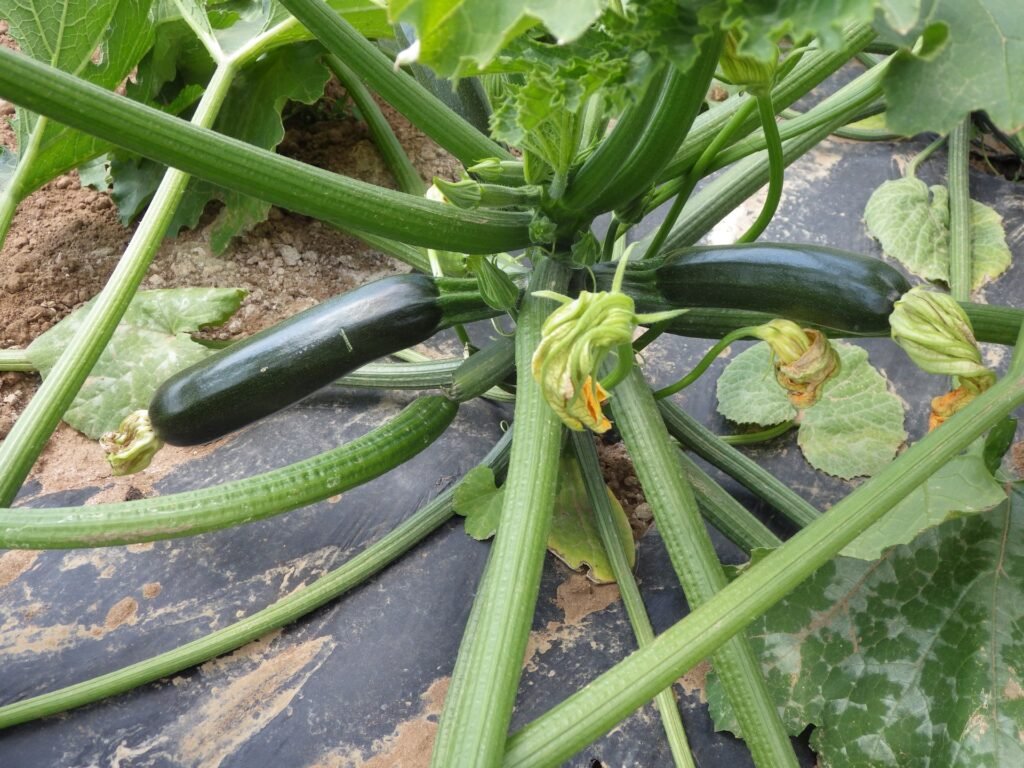
Every experienced gardener has a zucchini story, and it usually involves giving bags of them to neighbours. One or two healthy plants are enough for most households. Costata Romanesco is a ribbed Italian type with excellent flavour and spectacular flowers for stuffing, Defender is a reliable standard zucchini with some virus resistance, and yellow summer squash such as Zephyr or straightneck types add colour and a slightly different texture to the pan.
Sow directly after frost into warm soil, or transplant carefully without disturbing roots, spacing plants about 3 feet apart — they become large, leafy bushes by midsummer. Rich soil and steady watering give the best results, and a mulch layer keeps fruit off damp ground. The main summer problem is the vine borer in many eastern and central regions, whose larvae hollow the stem; burying a section of stem so it roots, or covering young plants until flowering, reduces losses. Powdery mildew on the big leaves late in the season looks alarming but often matters less than it appears, since the plant is winding down anyway.
Harvest is the secret to success here. Pick zucchini at 6 to 8 inches and summer squash while the skin is still tender enough to dent with a thumbnail. Check plants daily in peak season. Oversized squash are not a bonus — they are watery, seedy, and they slow the plant down.
Green Beans: Sow Little and Often
Beans split into two useful types. Bush beans such as Provider and Contender mature quickly, in around 50 to 55 days, and crop over a few weeks — ideal for a planned glut for freezing. Pole beans such as Blue Lake and Kentucky Wonder take longer to start but produce over a much longer season on a trellis or poles, and many gardeners find the flavour better. Either way, beans are direct-sown after frost into warm soil, because they dislike root disturbance and cold, wet ground rots the seed.
The summer trick with beans is succession. Sow a short row or a small patch every two to three weeks from late spring until about eight weeks before your first expected autumn frost, and you will pick tender beans continuously instead of drowning in them for one fortnight. In zones 5–6 that last sowing may be mid-July; in zones 8–9 you can often sow well into August. Water at the base and avoid handling wet plants, which spreads disease. Pick pods before the seeds inside swell and bulge, and pick thoroughly — like cucumbers, beans slow down if ripe pods are left hanging.
Sweet Corn: Worth It If You Have the Room
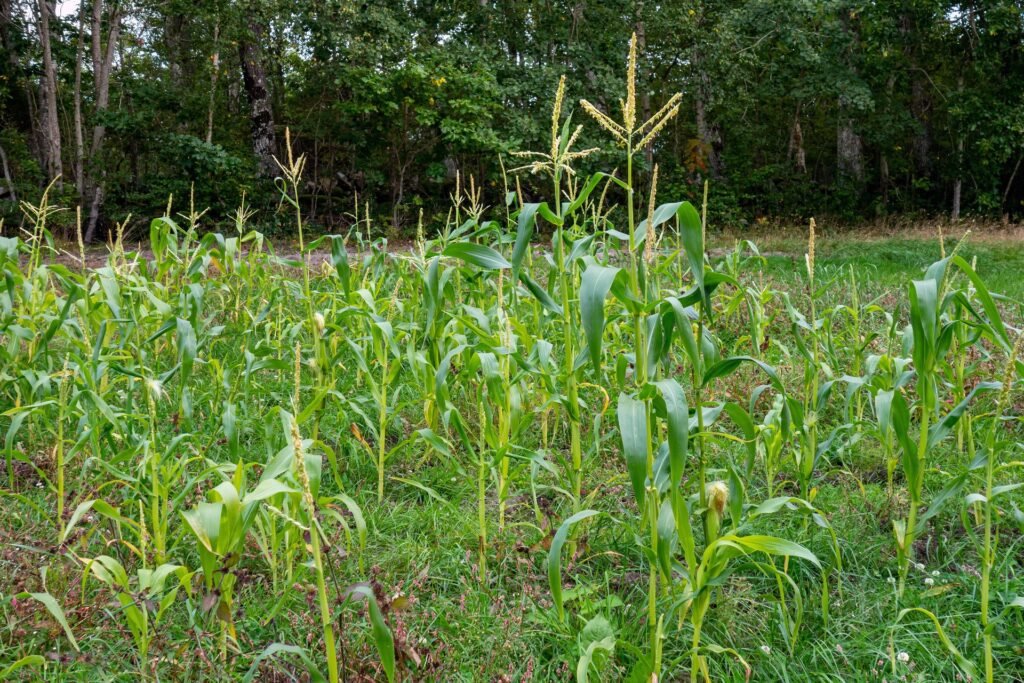
Sweet corn is the one vegetable on this list that demands space to be worthwhile. Corn is wind-pollinated, so it must be planted in a block of at least four short rows rather than one long line, or pollination will be patchy and ears half-filled. Varieties are grouped by sweetness type; Peaches and Cream is a popular bicolour, Silver Queen is a long-standing white variety, and modern supersweet types must be isolated from other corn types or the kernels turn starchy. Your seed packet will say if isolation is needed, and it is worth obeying.
Sow directly after the last frost, in rich soil, and feed corn generously — it is one of the hungriest vegetables you can grow. Water matters most as tassels appear and ears fill. A dry week at that stage means shrunken, gappy cobs. The honest drawbacks are real: raccoons and birds in some areas find ripe corn the night before you do, and a small block yields a modest number of ears for the ground it takes. Grow it because fresh corn, boiled within the hour, tastes like nothing from a shop — not because it is economical in a tiny garden. In a small plot, beans, peppers, or an extra tomato will give you more food per square foot.
Basil: The Companion Every Summer Bed Needs
Basil is a herb rather than a vegetable, but no summer list is complete without it, because it grows in exactly the same conditions as tomatoes and peppers and belongs with them on the plate. Genovese is the classic type for pesto and slicing over tomatoes, Thai basil brings a liquorice note that suits hot-climate cooking and handles heat well, and lemon basil is lovely with grilled vegetables and fish. Sow indoors with the tomatoes, or directly outside once nights are warm — basil blackens at temperatures that tomatoes merely dislike, so do not rush it out into cold spring nights.
Pinch out the growing tips regularly, always cutting just above a pair of leaves, and remove flower heads as they form. Pinching is not fussiness; it is what keeps the plant bushy and leafy instead of tall, woody, and flowering, after which leaf flavour fades. Harvest in the morning, never take more than about a third of the plant at once, and water at the base — wet basil leaves in humid weather invite downy mildew, which shows as yellowing leaves with grey fuzz underneath. Grow more plants than you think you need and let one flower late in the season for the bees.
What to Plant in Early Summer Versus Mid-Summer
Succession planting is the difference between a garden that peaks in July and one that feeds you until frost. In early summer, right after your last frost, the full list goes in: transplant tomatoes, peppers, eggplant, and basil, and direct-sow cucumbers, squash, beans, corn, and okra. These are your main-season crops and they get the longest run.
By mid-summer — roughly six to ten weeks later, depending on your zone — switch your thinking to fast finishers and second chances. Sow more bush beans, another short row of cucumbers, and a fresh zucchini plant, which often outproduces the original by late summer because it escapes the vine borers and mildew that tired the first one out. In zones 7–9, mid-summer is also the moment to start seeds of autumn crops such as kale and chard in a shaded spot, though that is beyond this list. In hot desert climates, mid-summer sowing of tomatoes and peppers is often deliberately delayed until the worst heat passes, aiming for an autumn harvest instead. Gardeners in zones 5–6 have the opposite constraint: a mid-summer sowing must be a genuinely fast crop, or frost will take it half-finished.
Keep a written record of sowing dates on the packet or in a notebook. From memory, everything was planted “in June.” In reality, three weeks separate a bean sowing that crops from one that does not.
Watering Deeply and Mulching Against the Heat
Summer watering should be deep and infrequent rather than little and often, with two exceptions: seedlings, which need constant moisture until established, and containers, which may need water once or even twice a day in hot weather. For beds, aim to soak the soil 6 to 8 inches deep, then let the top inch or two dry before watering again. That pattern drives roots down where the soil stays cooler and damper. Water early in the morning where you can — less is lost to evaporation than at midday, and leaves dry quickly, which discourages disease. Evening watering is second best and far better than letting plants wilt through a hot afternoon while you wait for the perfect hour.
Mulch is the other half of heat management, and it is not optional in a hot summer. A 3- to 4-inch layer of straw, shredded leaves, or untreated grass clippings around established plants shades the soil, cuts evaporation, keeps roots cooler, and stops mud splashing onto leaves. Keep mulch a few inches away from stems to avoid rot. Living soil under mulch stays noticeably cooler on a scorching day, and your watering goes much further. In containers, a lighter mulch layer plus a saucer in the driest weeks makes the difference between a thriving pepper and a daily wilting emergency.
Be honest about shade cloth, because gardening advice sometimes oversells it. A 30 to 50 percent shade cloth genuinely helps peppers, tomatoes, and cucumbers through extreme heat spikes in desert and hot inland gardens, reducing sunscald and helping fruit set when temperatures are extreme. In mild coastal gardens and in zones 5–7, it is usually unnecessary and can slow ripening by cutting light the plants actually want. Use it as a targeted tool for heatwaves and harsh climates, not as a permanent roof over a sun-loving garden.
Practical Tips for a Strong Summer Harvest
Pick early and pick often. Beans, cucumbers, squash, and okra all slow down when mature fruit or pods are left on the plant, and they all taste best picked younger and smaller than most beginners expect. A daily walk with a basket in peak season is the single most productive habit in summer gardening.
Feed fruiting crops once they start producing. A tomato, pepper, or squash plant setting fruit week after week is doing heavy work, and a liquid feed every couple of weeks — or a side dressing of compost — keeps it going. Pale leaves and slowing growth in midsummer usually mean hunger or thirst, not the end of the season.
Scout for pests while you water. Hornworms on tomatoes, aphids clustered on bean tips, and cucumber beetles on squash flowers are all easiest to deal with the day you spot them: hand-pick the big ones, blast aphids off with a jet of water, and remove badly infested leaves. Small problems handled early rarely need anything stronger.
Finally, plan for your own holidays. Summer crops peak exactly when schools break up. A thick mulch, a timer on a soaker hose, or a neighbour who waters in exchange for picking rights will save a garden that a week of neglect in a heatwave would finish.
Common Mistakes and Summer Growing Problems
The classic early mistake is planting heat lovers too soon. Peppers, eggplant, basil, and okra put into cold soil in a hopeful warm spell do not get a head start — they get set back, sometimes permanently. Check soil warmth and night temperatures, not just the frost date. The opposite error in hot climates is sowing tender crops like beans and cucumbers into the very peak of desert heat and wondering why germination is patchy and flowers drop. In zones 10–11 and desert areas, a short pause and a late-summer sowing often works better.
Overcrowding is the second big error. Summer vegetables grow far bigger than their spring size suggests. Squash smothers beans, tomatoes shade peppers, air stops moving, and fungal diseases move in. Give plants their full spacing even though the bed looks empty in May. It will not look empty in July.
Under-watering in a sneaky form causes many mid-season complaints. A daily light sprinkle wets the surface, trains roots upward into the hottest, driest soil, and leaves plants worse off than a proper soak twice a week. Blossom drop on peppers and tomatoes during extreme heat is usually the weather, not your fault — fruit set resumes when nights cool slightly — but bitter cucumbers, split tomatoes, and blossom end rot all point back to uneven moisture, and all improve when watering and mulch are sorted out. Powdery mildew on squash and cucumbers late in the season is nearly universal; remove the worst leaves, keep watering at the base, and accept a cosmetic battle you will not fully win in a humid summer.
Frequently Asked Questions
What is the easiest summer vegetable for a beginner?
Bush beans and zucchini are the most forgiving places to start, with cherry tomatoes close behind. Beans sow directly, grow fast, and need little beyond water and regular picking. Zucchini produces heavily from a single plant. All three tolerate beginner mistakes far better than fussy crops like sweet corn.
Which summer vegetables grow best in pots?
Peppers, bush cucumbers, compact tomatoes, and small eggplants all do well in containers of 5 gallons or more. Basil thrives in pots too. The trade-off is watering: pots in full summer sun can need water daily, sometimes twice daily in a heatwave, and a liquid feed every week or two.
How often should I water vegetables in summer?
For beds, deeply once or twice a week is a good starting pattern, adjusted for rainfall, soil type, and heat — sandy soil and heatwaves need more, clay soil and coastal gardens less. Check with a finger a few inches down. If it is dry at that depth, water. Containers need checking every day.
Can I still plant vegetables in July?
Yes, in most zones. Bush beans, cucumbers, and zucchini sown in early to mid-July still crop well before frost in zones 6–8, and gardeners in zones 9 and warmer have an even longer window. Count backwards from your first autumn frost date and choose varieties whose days to maturity fit the weeks remaining.
Why are my pepper and tomato flowers falling off without making fruit?
Heat is the usual reason. When nights stay very warm and days are extreme, pollen becomes less viable and flowers drop. The plants are not dying, and fruit set normally resumes when temperatures ease. Steady watering, mulch, and — in the hottest climates — temporary shade cloth during a heatwave all help.
Which summer vegetables can cope with a dry spell?
Okra is the standout, producing through heat and moderate drought once established. Peppers and eggplants manage with less water than cucumbers or corn, especially under mulch. Nothing on this list truly thrives without water, though — drought tolerant means it survives and still crops, not that it prefers to be thirsty.
Final Thoughts
A good summer garden is less about growing everything and more about growing the right things well. Choose a handful of heat lovers that suit your space and your climate — tomatoes and peppers for almost everyone, okra where summers are fierce, beans sown in small batches for a steady supply, and basil wherever there is a gap in the sun. Plant them into warm soil, mulch them properly, water deeply, and pick far more often than feels necessary.
Adjust the plan to your place. Coastal gardeners fight dry spells, desert gardeners fight the heat itself, and northern gardeners fight the calendar — and the crops above can win all three fights when the timing is right. Start with a few plants this summer, note what thrived, and build from there. That is how a summer garden gets better every year.
[…] open invitation to powdery mildew. If you are planning a mixed summer bed, it helps to look at the best vegetables to grow in summer and group zucchini with crops that enjoy the same heat, rather than squeezing it beside cool-season […]