How to Grow Zucchini in a Home Garden
If you want to know how to grow zucchini in a home garden without ending up with either no fruit at all or a wheelbarrow of giant, watery marrows, you are in the right place. Zucchini has a reputation for being almost too easy, and there is truth in that — one healthy plant can keep a household supplied for weeks. But that reputation hides real traps: planting too early in cold soil, crowding big plants into a small bed, missing the short window when fruit are tender, and losing a thriving plant almost overnight to a vine borer.
The good news is that zucchini asks for nothing complicated. It wants warmth, sunshine, rich soil, steady water at its roots, and room to spread. Give it those things, pick the fruit young and often, and watch for the few pests that love it as much as we do, and the plant will do the rest at a speed that still surprises experienced gardeners.
This guide takes you through the whole season in order, from choosing a variety and sowing seed to hand pollination, pest control, and a simple second sowing that keeps tender zucchini coming after the first plants tire. Timings are tied to frost dates and soil warmth rather than fixed calendar dates, because a sowing that works in zones 5–7 may need to wait in a cool spring and can happen weeks earlier in warmer zones 9–10.
Step 1: Choose a Variety That Fits Your Space and Table
Start with room, because zucchini plants are not shy. Traditional bush varieties still spread 3 to 4 feet across, and older vining types can wander much further. If you have a generous bed, Black Beauty is hard to beat as a starting point: dark green, glossy fruit, heavy yields, and a long track record in home gardens.
Costata Romanesco is the pick for flavour. This Italian heirloom produces ribbed, speckled fruit that look beautiful sliced into rounds, and its large male flowers are excellent stuffed or fried. Many cooks rate its firm, nutty flesh above standard types, especially picked small with the flower still attached. Gold Rush gives you bright yellow fruit on a fairly compact bush. The colour is practical as well as pretty — yellow zucchini are far easier to spot under big leaves, so fewer escape notice and swell into clubs.
Round types solve a different problem. Eight Ball produces small, round fruit best picked at about the size of a billiard ball, perfect for stuffing or grilling in thick slices. Ronde de Nice is a similar French type, tender and quick. A round zucchini a day or two too big is still more usable than a long one turned seedy and tough.
Check days to harvest on the packet. Most zucchini are ready about 45 to 55 days from sowing, which is fast for a fruiting vegetable. That speed is why one or two plants are enough for most families. Planting four or five is rarely a plan for fresh eating. It is a plan for giving zucchini away to neighbours, and then to neighbours you barely know.
Step 2: Pick a Warm, Sunny Spot With Room to Breathe
Choose the sunniest spot you can offer, ideally six to eight hours of direct sun a day. In shade plants grow leggy, flower poorly, and sit in damp air that encourages mildew. A sheltered spot is a bonus, because huge leaves catch the wind and hollow stems can snap, but shelter should never cost you sunshine.
Think about access as well as light. You will need to get in among the leaves every day or two at the height of the season to look for fruit. A plant at the back of a deep bed, behind other crops, is a plant whose fruit you will miss. Put zucchini at the edge of a bed or the end of a row where you can walk around it. Some gardeners grow a single plant in a half-barrel on a patio for exactly this reason, though container plants need more watering and feeding than those in the ground.
Leave room for air to move. Crowded, still, humid air is an open invitation to powdery mildew. If you are planning a mixed summer bed, it helps to look at the best vegetables to grow in summer and group zucchini with crops that enjoy the same heat, rather than squeezing it beside cool-season plants that will be flopping just as it hits its stride. Sweet corn, beans, and nasturtiums are traditional neighbours. Avoid planting where squash, cucumbers, melons, or pumpkins grew last year if you can, because these relatives share several pests and soil diseases.
Step 3: Sow After Frost, or Start Indoors Just a Little Early
Zucchini seed germinates quickly in warm soil, sulks in cold soil, and is killed by even a light frost. Direct sowing outdoors is the simplest and usually the best method. Wait until all danger of frost has passed and the soil has warmed to at least 60°F, ideally nearer 70°F. In zones 5–7 that often means a week or two after the last frost date, not on it. In warmer zones 9–10 you can sow earlier and, in the longest seasons, sow again in midsummer for an autumn crop. Seed sown into cold, wet soil often rots, and weak seedlings rarely catch up.
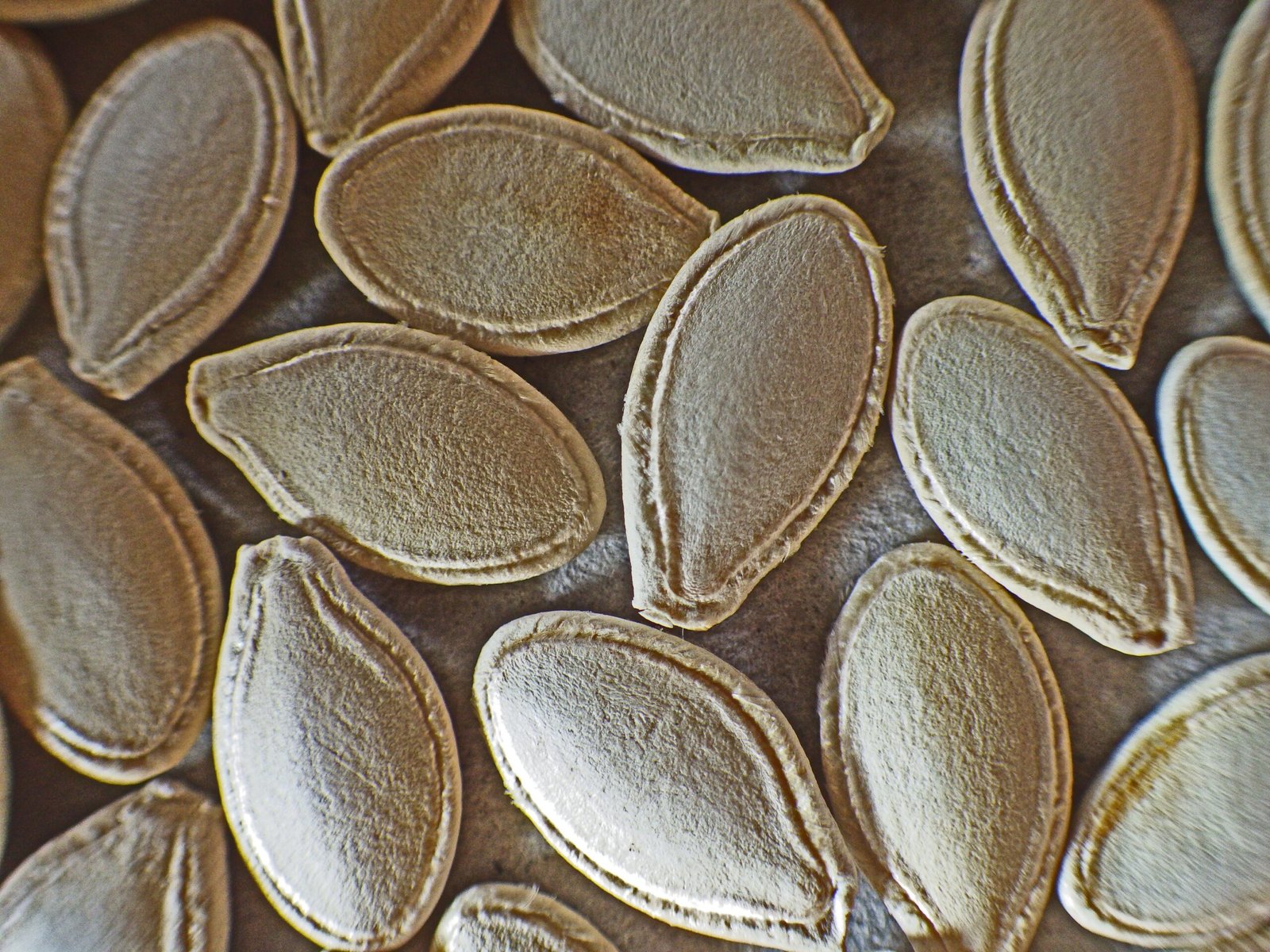
Sow seeds about 1 inch deep. A common approach is to sow two or three seeds at each planting spot and thin to the strongest seedling once they have a couple of true leaves. That insurance costs a few seeds and saves a gap if one fails. Keep the soil evenly moist until germination, usually five to ten days in warm conditions.
Starting indoors can buy a week or two, but do not overdo it. Zucchini grows so fast, and dislikes root disturbance so much, that a plant started a month early often ends up pot-bound while a direct-sown plant sails past it. Sow indoors only two to three weeks before your outdoor planting date, one seed per 3- to 4-inch pot, and give seedlings bright light close above them so they do not stretch. Harden plants off over several days, handle them by the root ball rather than the stem, and water them in well. If a late cold snap threatens, fleece or an upturned bucket overnight can save them.
Step 4: Give Plants Proper Spacing and Try Hills
Spacing is where good intentions fail. Seedlings look tiny and lost, and it feels wasteful to leave 3 feet of bare soil around each one. Resist that feeling. Within a month those seedlings will be large, leafy bushes, and plants that touch compete for water, shade each other’s flowers from pollinators, and hold damp air against their leaves.
For bush varieties, allow about 2 to 3 feet between plants in each direction. In rows, 3 feet between plants and 3 to 4 feet between rows gives you room to walk in and harvest. Vining types need more, often 4 to 5 feet. If space is genuinely tight, grow one plant well rather than two badly, or choose a compact variety for a pot of at least 5 gallons, ideally larger.
Hills are the traditional way to plant zucchini, and they still make sense. A hill is not a mountain — it is a low, flat-topped mound about 8 to 12 inches across, raised a few inches above the bed. Hills warm faster in spring, drain freely after heavy rain so crowns do not sit in puddles, and give you a clear spot to water. Sow three or four seeds per hill, thin to one or two strong plants, and space hills about 3 to 4 feet apart. On flat, free-draining soil in a warm climate hills matter less. On cool or heavy soil, they can be the difference between a strong start and a rotten one.
Step 5: Feed the Soil Before You Feed the Plant
Zucchini are hungry, fast-growing plants, but they do best on a well-prepared bed rather than repeated rescue feeds. Before sowing or planting, dig in 2 to 3 inches of compost or well-rotted manure. That improves drainage in clay, holds moisture in sand, and supplies a slow, balanced diet. Zucchini prefer a soil pH around 6.0 to 7.5, which is where most compost-amended beds already sit, so most gardeners need to adjust nothing unless a soil test says otherwise.
If your soil is poor, work a balanced general fertiliser into the bed at planting time, following the label rate rather than guessing generously. More is not better. Heavy high-nitrogen feed produces a magnificent plant of huge dark leaves and disappointing flowers, and soft, disease-prone growth. You can genuinely feed a plant into giving you less fruit.
Once plants are flowering and setting fruit, a side dressing sustains them. Scatter a handful of balanced fertiliser or a shovelful of compost around each plant, a few inches from the stem, and water it in. Container plants need a liquid feed every week or two once fruiting starts, because watering washes nutrients from pots quickly. Yellow leaves on an otherwise dry plant often mean hunger, but yellow leaves in soggy soil mean a drainage problem, and feeding will not fix that. Check the soil before you reach for the feed bag.
Step 6: Water Deeply at the Base, Not Over the Leaves
Zucchini need consistent moisture to grow fast and set fruit well — roughly an inch of water a week in moderate weather, and more in a heatwave or in sandy soil. The key word is consistent. Long dry spells followed by a soaking stress the plant, interrupt fruit set, and leave it vulnerable to mildew. A deep watering two or three times a week that soaks the root zone beats a daily sprinkle that only wets the surface and trains roots to stay shallow.
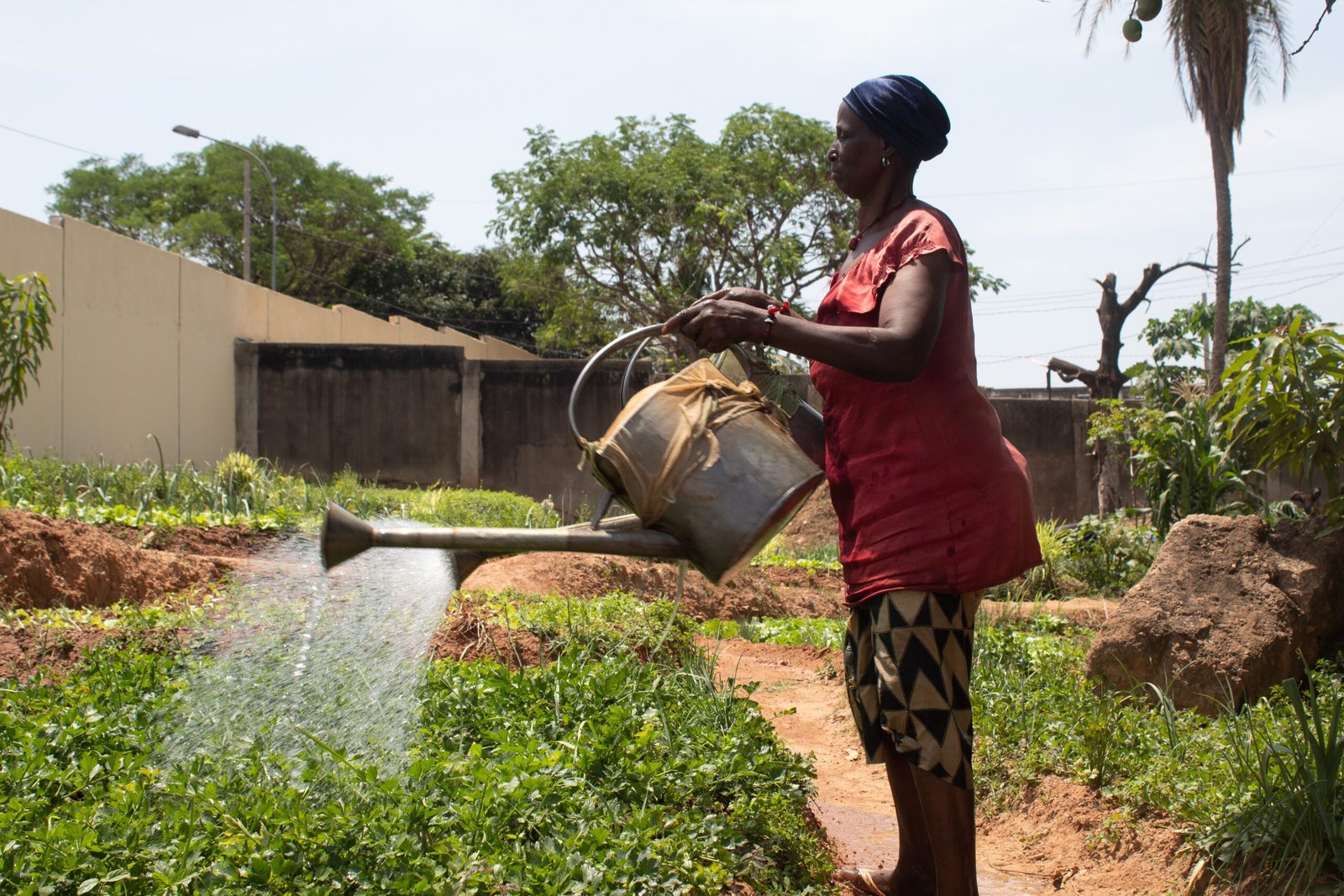
Water at the base, in the morning if you can. A watering can without a rose, a soaker hose, or a drip line all do this well. Keep water off the leaves and flowers where possible. Wet foliage that stays wet overnight is exactly what fungal diseases want, and overhead watering also interferes with pollen at the moment bees are trying to move it. If you must use a sprinkler, water early on a sunny morning so leaves dry quickly.
Mulch is the partner to good watering. Once the soil has warmed and plants are established, a 2- to 3-inch layer of straw, shredded leaves, or clippings from an untreated lawn keeps moisture even, stops soil splashing onto leaves, and keeps fruit cleaner. Choosing the best mulch for vegetable gardens matters less than simply getting some mulch down once plants are growing strongly. Keep mulch a small distance from the stem, so the crown stays dry and you can inspect it — that inspection matters for the pest in Step 8.
Step 7: Help Pollination Along and Understand Rotting Baby Fruit
Every new zucchini grower has the same puzzling week. Small fruit form, look promising, then yellow at the tip, shrivel, and rot while still only a few inches long. It looks like a disease. Usually it is not. It is poor pollination, and it is most common early in the season.
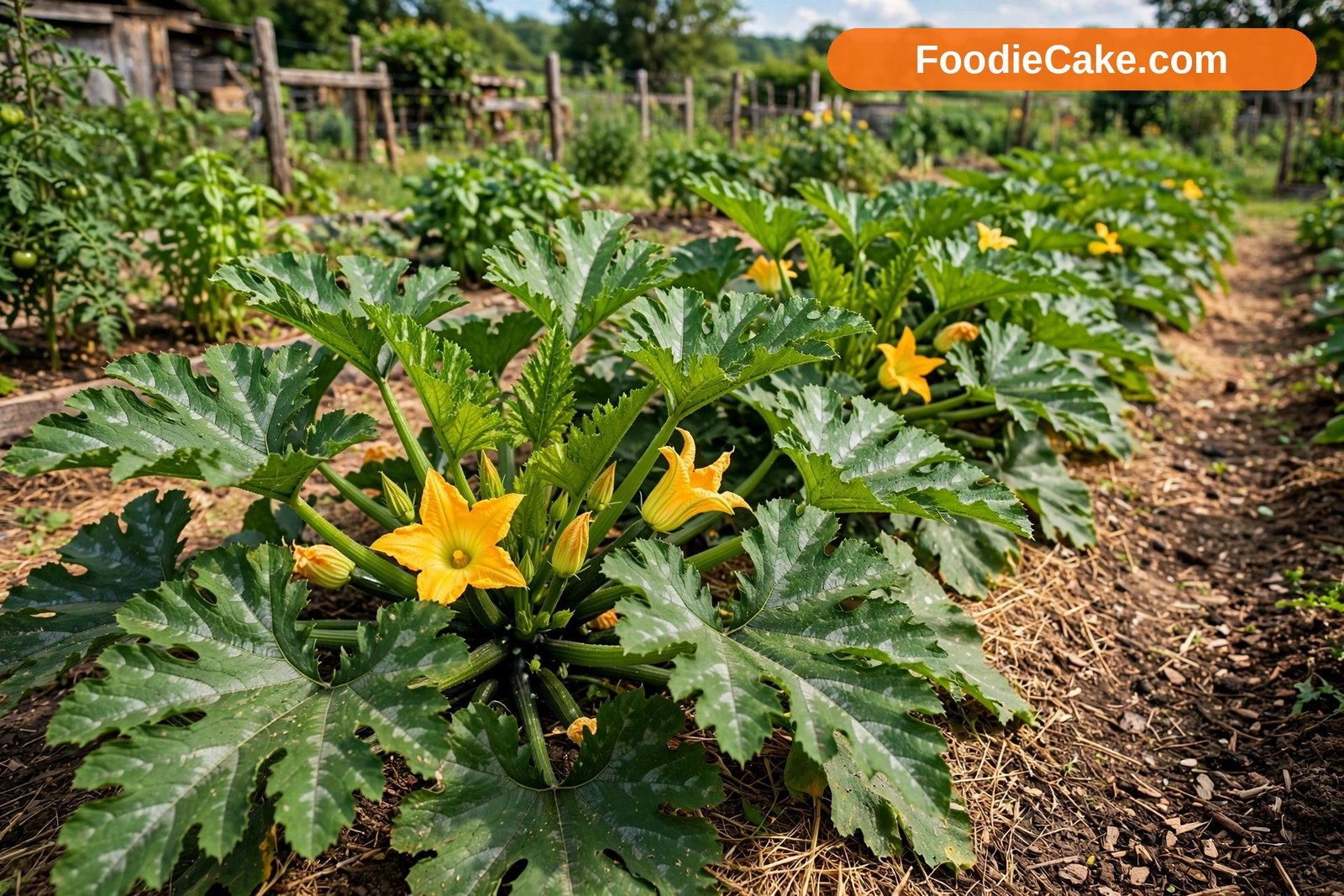
Zucchini plants produce separate male and female flowers. The female is easy to recognise: it has a tiny, immature zucchini — a swollen bulge — directly behind the bloom. The male sits on a thin, straight stem with no bulge. Pollen must move from male to female, usually carried by bees. Early in the season a plant often produces mostly male flowers first, so there is pollen but little to receive it, or a female opens on a cold, wet day when bees stay home. A female flower that is not pollinated, or only partly pollinated, aborts its fruit. That is your shrivelling baby zucchini.
Hand pollination takes a minute and fixes it. On a dry morning, pick a freshly opened male flower, peel back its petals, and dab its pollen-covered centre onto the centre of an open female flower. Or use a small, soft paintbrush to carry the pollen. Do this when flowers are fully open, usually in the morning, because zucchini flowers often last only a day. After a week or two of warm weather, when both flower types are plentiful and bees are active, the problem usually resolves itself. Encourage bees by avoiding insecticide sprays on open flowers — ideally avoiding them altogether — and by letting a few flowering herbs grow nearby.
Do not confuse pollination failure with other rots. If fruit grow to a decent size and then develop a soft, dark patch at the blossom end while the plant looks stressed, uneven watering is the more likely cause, and steady watering at the base is the cure. Small, early, shrivelling fruit on an otherwise healthy plant almost always points back to pollination.
Step 8: Watch for Powdery Mildew, Vine Borers, and Squash Bugs
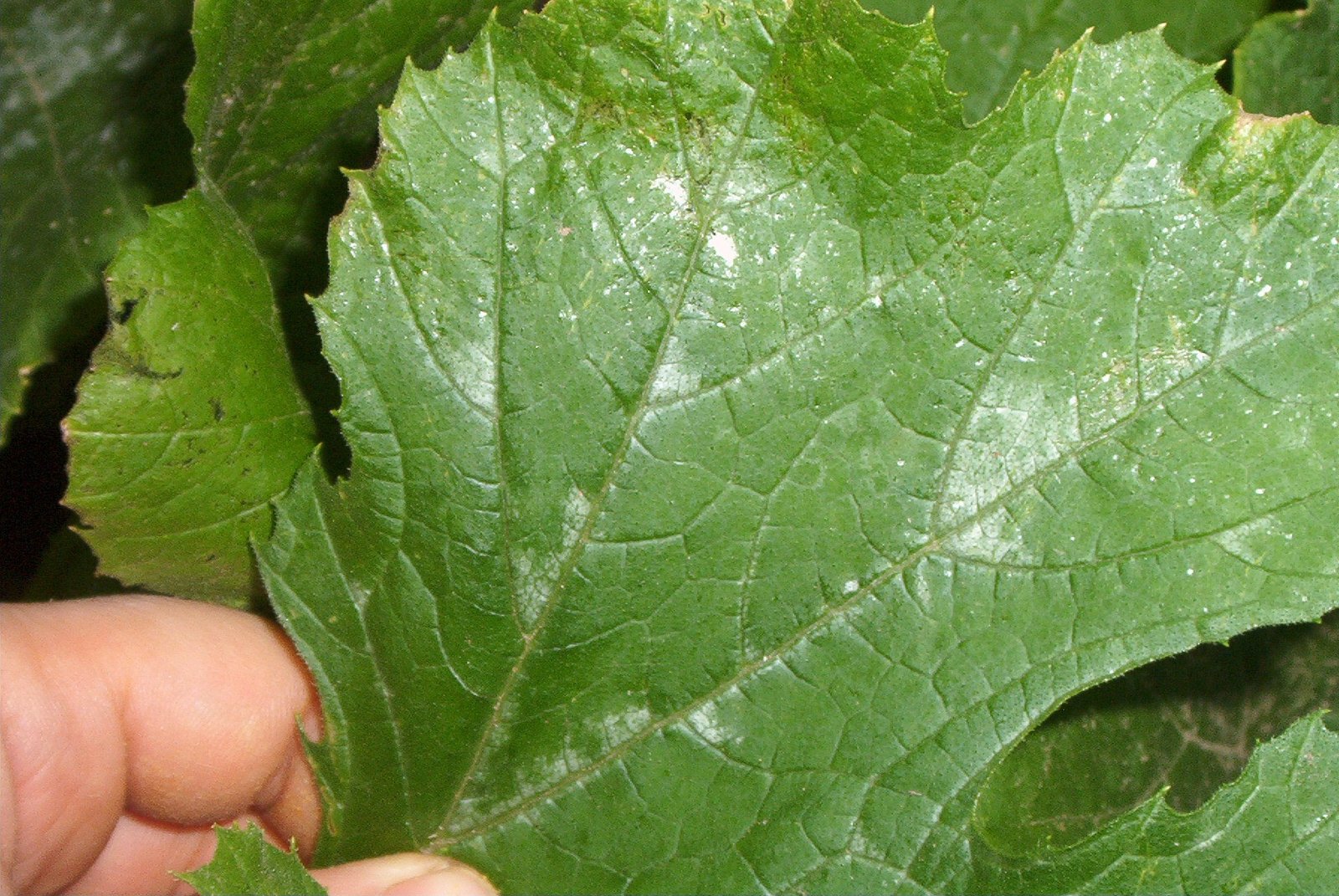
Three problems account for most zucchini trouble, and each needs a different response. Powdery mildew is the most familiar: white, floury patches on the upper surfaces of older leaves, usually from mid to late summer when days are warm, nights are cool, and air is still. Mildly affected leaves keep working for a while, so the goal is to slow the disease, not panic. Improve air flow, water at the base, and put the worst leaves in the bin, not the compost heap. Some gardeners find milk or potassium bicarbonate sprays help on early patches. Honestly, late-season mildew is very common, and a plant that has already given you weeks of fruit has done its job even if it looks tired in August.
Squash vine borer is the heartbreaker. The adult is a clearwing moth that lays eggs at the base of the stem. The larva tunnels inside, and a plant fine on Monday can wilt completely by Friday, with yellowish, sawdust-like frass piled at the stem base. Prevention beats cure: inspect the lower stem regularly, cover young plants with fine insect mesh until flowering, then remove it so pollinators can reach the flowers, and mound soil over a section of stem so the plant can root along it if the base is damaged. If you find frass, some gardeners slit the stem lengthwise, remove the larva, and bury the wounded section under soil — it works often enough to be worth trying. In zones 5–7 the moth is usually most active in early to midsummer, so that is when vigilance matters most.
Squash bugs are the third regular visitor: grey-brown, shield-shaped insects that cluster under leaves and suck sap, leaving yellow speckling that turns brown. Their bronze, football-shaped eggs, laid in neat groups between leaf veins, are the easiest target. Scrape eggs off with tape or a knife every few days and drop adults into soapy water in the morning, when they are sluggish. Boards laid on the soil overnight give adults a hiding place where you can collect them at dawn. Catching the eggs breaks the cycle far better than chasing fast, tough adults in July.
Step 9: Harvest Small, Harvest Often, and Sow Again
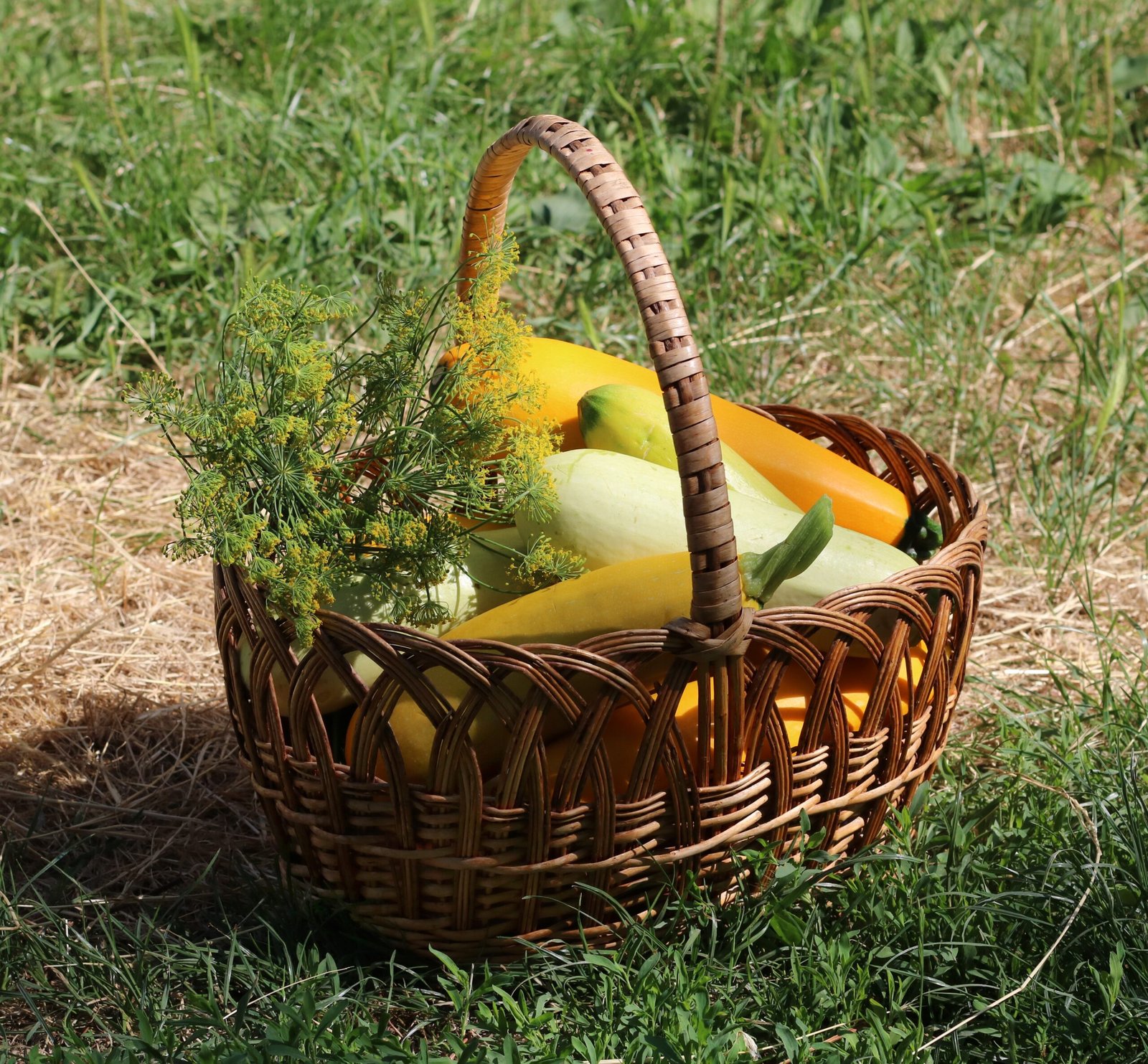
One habit separates a great zucchini harvest from a mediocre one: pick small and pick often. For standard types, harvest at about 6 to 8 inches long, while the skin is glossy and a fingernail presses easily into it. Yellow types are best at a similar size. Round types come off at 2 to 3 inches across. At that stage the seeds are tiny, the flesh is firm, and the plant gets the message to make more flowers.
Leave a fruit to become a giant and two things happen. The flesh turns watery and seedy, good mainly for grating into baking, and the plant slows down, because from its point of view it has made mature seed and finished its job. Check plants every day in warm weather, and at least every other day otherwise. Fruit can go from perfect to oversized in 48 hours in July. Cut fruit off with a knife or secateurs, leaving a short stub of stem, rather than twisting and tearing at the main stem.
Successional sowing keeps the season going after the first plants slow, mildew, or fall to borers. Sow a second batch about four to six weeks after the first, in a spare corner or in large pots. In zones 5–7 a second sowing in early to midsummer still produces well before frost. In warmer zones 9–10 you may fit a later sowing still. A fresh young plant hitting its stride in late summer, when the old plant is exhausted, is the simplest way to enjoy tender zucchini from early summer to the first cold nights.
Practical Tips for Bigger, Healthier Harvests
Take a five-minute morning walk around the plants with a basket. In one round you harvest at the right size, spot eggs and mildew early, and notice a wilting stem before the whole plant is lost. That habit is worth more than any spray. On days when male flowers are plentiful, pick a few for the kitchen — stuffed or fried, they are a genuine treat — but always leave several open for pollination.
Feed the pollinators as well as the plant. Borage, lavender, or flowering basil nearby brings bees into the bed all day, and better bee traffic means fewer aborted fruit. If your garden is very tidy and flower-free, let one herb plant flower purely for the bees.
In a heatwave, container plants may need checking twice a day. A big zucchini in a pot drinks astonishing amounts, and a plant that wilts hard every afternoon will stop setting good fruit. In very hot inland climates a temporary shade cloth for the fiercest afternoon hours can help, though in most temperate gardens steady watering is enough.
Finally, plan an outlet for the glut before it arrives. Zucchini freezes well grated for winter baking, grills beautifully, and disappears happily into soups, fritters, and pasta sauces. Fruit picked young is better for all of those uses than a monster, so generosity with the harvest knife pays twice.
Common Mistakes That Cost You Zucchini
Planting too early is the classic first mistake. Seed sown into cold soil rots or staggers, and tender transplants set out before the last frost can be killed in one night. Zucchini cannot be hurried past the weather. Waiting a week for warm soil almost always gives you a stronger plant than gambling a week early.
Crowding comes next. Two plants squeezed into space fit for one do not give double the harvest. They give mildew, hidden giant fruit, and a daily fight to reach anything. If in doubt, plant fewer and space them honestly.
Watering the leaves from above, especially in the evening, invites disease and does little for the roots. Water deeply at the base in the morning instead. Feeding heavily with nitrogen is a similar error: the plant you want is balanced, flowering, and fruiting, not a dark green jungle with nothing to pick. And the quietest mistake is harvesting too late and too rarely. Every oversized fruit left on the plant slows the next flush of flowers. The saddest mistake is ignoring the base of the stem — thirty seconds spent looking for eggs and frass twice a week saves plants that no late spraying can rescue.
Frequently Asked Questions
How many zucchini plants does a family need?
One or two healthy plants are enough for most households. A single plant in full production can give several fruit a week, which adds up quickly. Plant a second plant a few weeks later, rather than two at once, if you want a longer, steadier supply instead of a flood followed by a gap.
Why are my zucchini flowers falling off without making fruit?
Many of those flowers are probably males, and male flowers are supposed to fall after a day — they carry pollen but never become fruit. Only female flowers, with a small swollen fruit behind the bloom, can develop. If female flowers drop or their tiny fruit shrivel, pollination is the likely problem, and hand pollination on a dry morning usually helps.
Why do the small zucchini turn yellow and rot at the end?
Usually that fruit was not pollinated, or only partly pollinated, so the plant aborts it. It is most common early in the season, in wet weather, or where bees are scarce. Hand pollinate, encourage bees with nearby flowers, and avoid spraying open blooms. If larger fruit rot from a dark patch at the blossom end instead, look at uneven watering.
Can I grow zucchini in a container?
Yes, if the container is large. Choose a compact bush variety, use a pot of at least 5 gallons and preferably 7 to 10 gallons, fill it with good compost-based potting mix, and expect to water daily in hot weather and feed weekly once fruiting starts. One plant per pot is the rule, however generous the pot looks when the seedling is small.
When should I pick zucchini?
Pick standard varieties at about 6 to 8 inches long, while the skin is glossy and tender, and round types at about 2 to 3 inches across. Check plants every day or two in warm weather, because fruit grow very fast. Picking young and often keeps the plant producing new flowers instead of putting its energy into one large, seedy fruit.
What can I do about white powder on the leaves?
That white, floury coating is powdery mildew, common in mid to late summer. Remove the worst leaves, water at the base rather than overhead, and improve air flow. Early patches sometimes respond to milk or potassium bicarbonate sprays. A plant with mildew can still produce for some time, and a later successional sowing often gives you clean plants to take over.
Final Thoughts
Zucchini rewards gardeners who keep things simple and pay attention. Choose a variety that suits your space, wait for warm soil, space the plants honestly, water deeply at the base, and pick fruit while they are still small enough to be delicious. Help the bees for a few mornings early in the season, keep an eye under the leaves and at the base of the stem, and sow a second small batch to carry the harvest into late summer.
Do those few things and this famously generous plant will live up to its reputation in the best way — not with a single overwhelming glut of giants, but with a steady, manageable stream of tender fruit all season long. Start with one or two plants this year. Next year you will know exactly how much zucchini your household really eats, and you will probably still plant one more than that, just in case.