

A balcony does not look like much of a garden at first glance. It is a slab of concrete or a few boards, a railing, maybe a tap if you are lucky, and a lot of sky. Yet some of the most productive, joyful little gardens are grown in exactly that space — tomatoes ripening a few feet from the kitchen door, basil you can pick while the pasta water boils, strawberries for breakfast. The secret is not space. It is choosing the right plants, and if you are wondering where to begin, the best plants for a balcony garden are the ones bred or naturally suited to pots: compact, generous for their size, and happy with a bit of pampering.
Balconies have real advantages that ground-level gardens envy. There are fewer slugs, often more sun and warmth bouncing off walls, and everything is close enough to water and inspect daily. They also have honest challenges — wind, containers that dry out fast, weight limits, and neighbours below who will notice your watering habits. This guide works through both sides, plant by plant, so you can build a balcony that actually thrives instead of one that merely survives until August.
Whether your balcony is a sun trap facing south or a shady ledge, there is a combination below that will work for you. Start small, grow what you love to eat and look at, and let one good season teach you the rest.
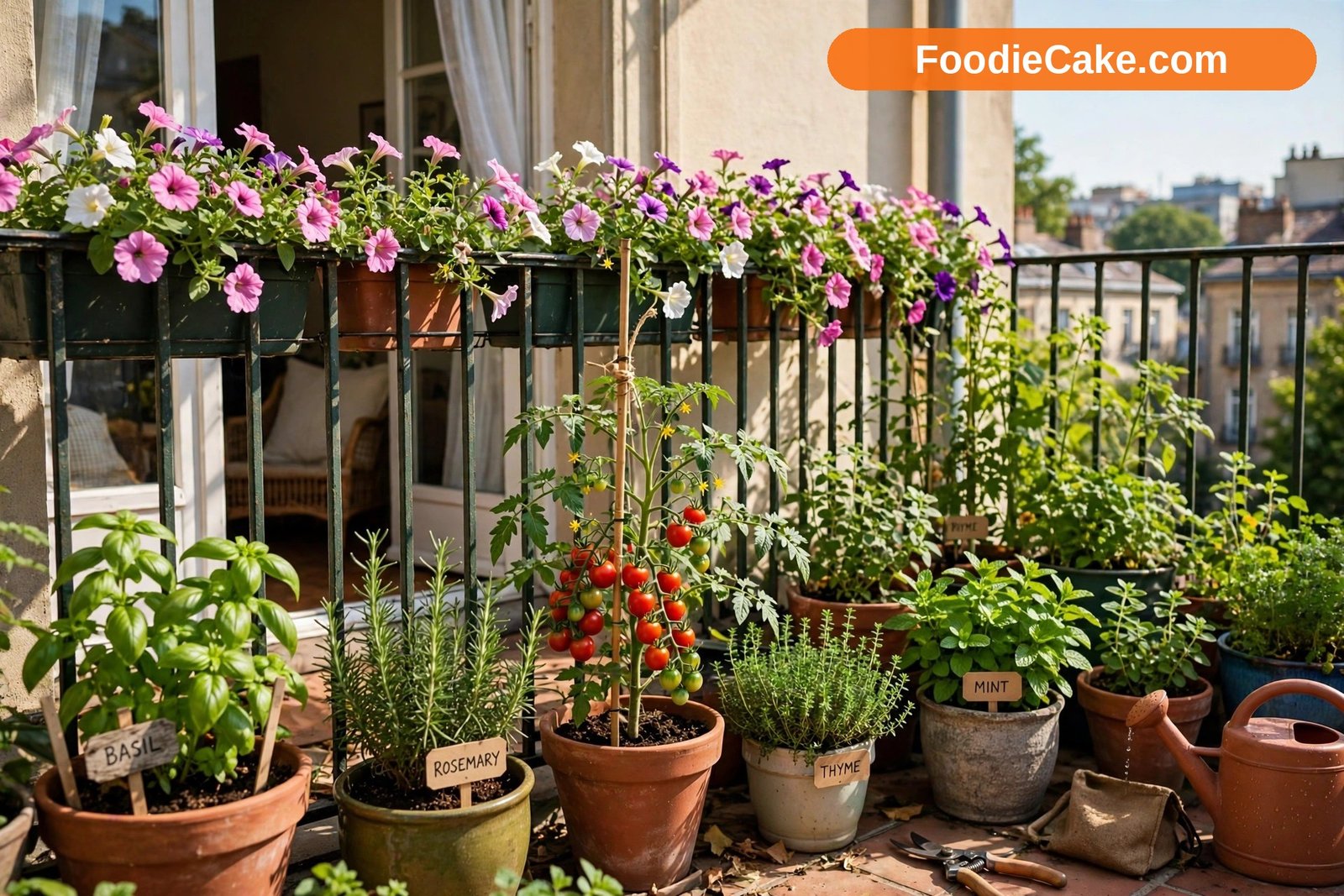
First, Read Your Balcony: Sun, Shade, Wind, and Weight
Before buying a single plant, spend a couple of days reading your balcony like a gardener, not a tenant. How many hours of direct sun does it get, and when? A south- or west-facing balcony in zones 5–7 might receive six to ten hours — perfect for tomatoes, peppers, and lavender. An east-facing balcony gets gentler morning sun, lovely for salad leaves and herbs that bolt in heat. A north-facing or deeply shaded balcony suits mint, parsley, leafy greens, and shade-tolerant flowers, but will disappoint sun-hungry fruiting plants however well you feed them. In warmer zones 9–10, the question flips: a scorching west-facing balcony may need shade cloth at midday to stop containers cooking.
Wind is the second factor, and the one beginners underestimate most. The higher the balcony, the stronger and gustier the wind, which dries pots quickly, batters tall plants, and can shred large leaves. Group pots together — they shelter each other and create a pocket of humidity — keep tall plants against walls rather than on exposed corners, and choose sturdy, compact varieties over lanky ones. Secure anything on a railing properly; a falling pot is a safety issue, not just a gardening loss.
Finally, weight. Wet compost is heavy, and a row of large, freshly watered containers along a railing adds up fast. If your building has rules about balcony loads or railing planters, check them first. As a sensible habit, put your biggest pots on the floor against the wall where the structure is strongest, use lighter plastic or fabric grow bags for large volumes, and save the railing for smaller, purpose-built planters designed to straddle or hook on securely.
Herbs That Earn Their Place on Any Balcony
If you grow nothing else, grow herbs. They are compact, forgiving, expensive to buy fresh, and at their best picked seconds before eating — which is exactly what a balcony outside the kitchen allows. A cluster of herb pots is the highest-value square metre in any small garden.
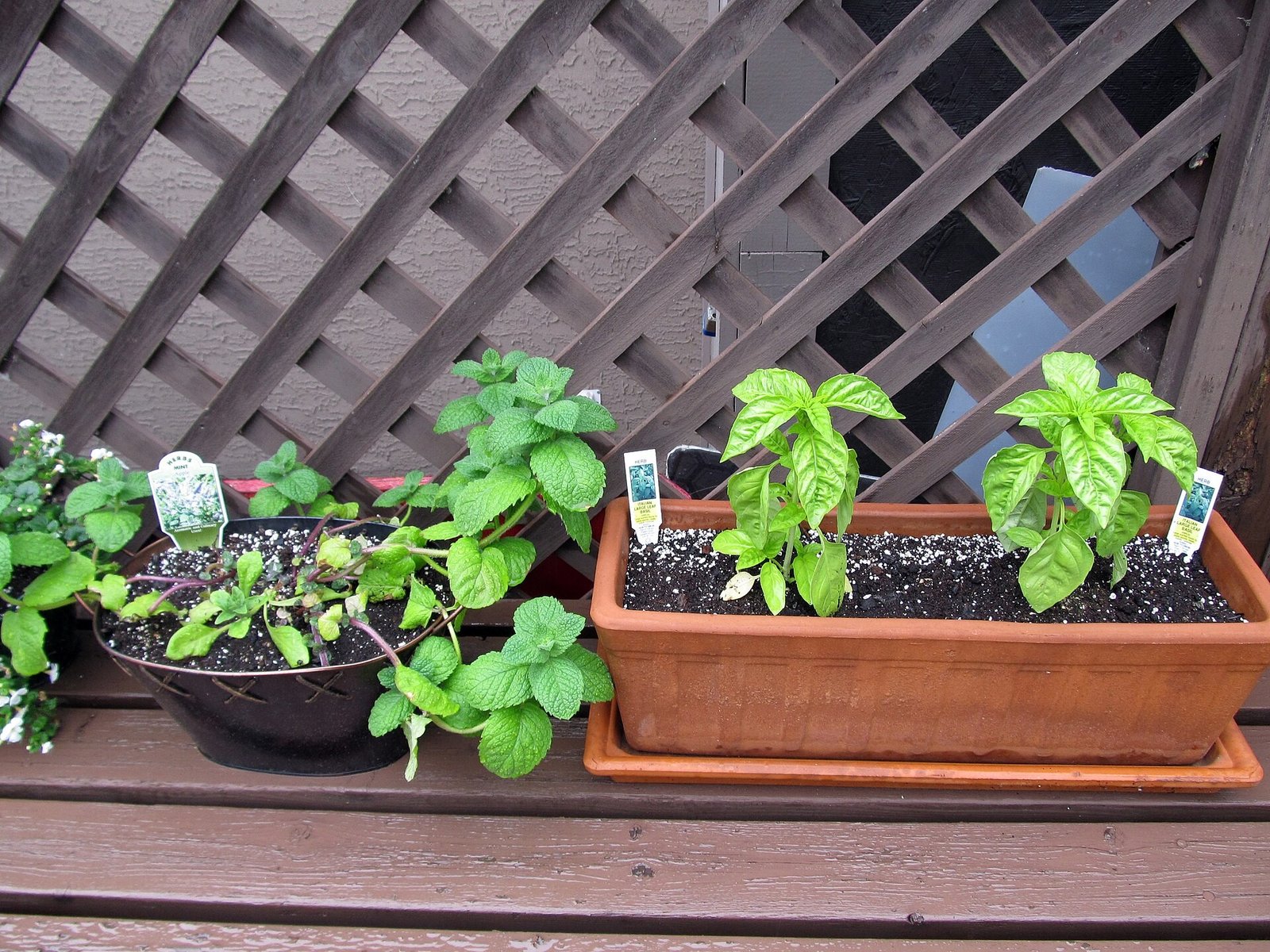
Basil is the summer essential. Sweet basil such as ‘Genovese’ gives you proper pesto leaves; sow or plant it out only when nights are reliably warm, because basil sulks below about 10°C (50°F) and blackens at a hint of frost. Pinch the tips regularly to keep it bushy and delay flowering. Mint is the opposite problem — it never sulks and never stops. Grow mint in its own pot, always, because its roots will colonise any shared container within a season. Spearmint for drinks and Moroccan mint for tea are both vigorous and hard to kill, which makes them perfect confidence builders.
Rosemary suits balconies beautifully once you respect its Mediterranean origins: it wants the sunniest spot, a gritty, free-draining mix, and restraint with the watering can. Upright forms such as ‘Miss Jessopp’s Upright’ stay neater in pots than sprawling types. Chives are the reliable fourth member of the starter set — clumps of hollow, onion-flavoured leaves from spring to autumn, pretty purple flowers the bees enjoy, and almost no complaints in sun or light shade. Add parsley, thyme for a low, fragrant pot edge, and coriander in spring and autumn, and you have a working kitchen garden in five or six pots.
Compact Vegetables Bred for Pots
Modern breeding has been kind to balcony gardeners. Many vegetables now come in genuinely compact forms that crop well in containers instead of merely tolerating them, and choosing those varieties is the single biggest upgrade you can make.
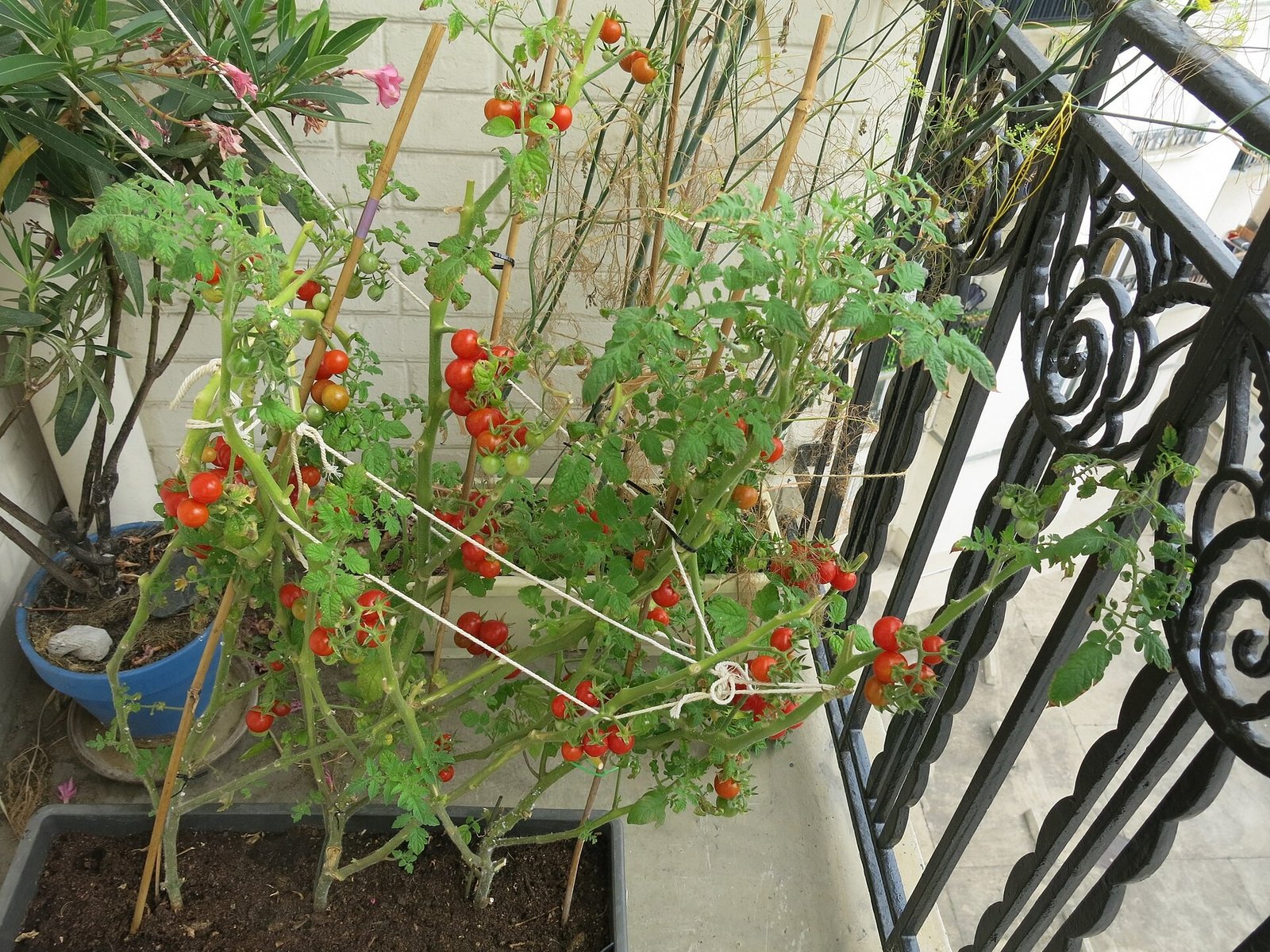
Cherry tomatoes are the headline act. For a hanging basket or railing planter, trailing types such as ‘Tumbling Tom Red’ and ‘Tumbling Tom Yellow’ spill over the edge and fruit for months without staking. For a floor pot of at least 10 litres, compact bush varieties like ‘Maskotka’ or patio types such as ‘Sweetheart’ stay manageable while still giving you handfuls of fruit. In zones 5–7, start plants indoors or buy them in late spring and keep them out of cold nights; in zones 9–10, you may get a second, autumn crop once peak heat eases. Feed weekly once flowers appear, and water consistently to avoid split fruit and blossom end rot.
Peppers — sweet and chilli alike — love balcony heat. Their roots enjoy warm containers, their size stays modest, and varieties such as ‘California Wonder’ for sweet peppers or ‘Apache’ and ‘Prairie Fire’ for compact chillies crop happily in 5 to 8 litre pots. Bush beans are another easy win: dwarf French beans like ‘Purple Teepee’ or ‘Sonesta’ need no canes, crop within a couple of months of sowing, and a 10 litre pot holds enough plants for regular pickings. Finish the edible set with fast, forgiving crops — cut-and-come-again salad leaves, loose-leaf lettuces such as ‘Saladin’, and radishes like ‘Cherry Belle’, ready in as little as four to six weeks in spring. If you are planning the layout from scratch, our step-by-step guide on how to start a container garden from scratch will help you match pot sizes to each crop before you spend anything.
Strawberries: The Balcony Classic
Strawberries and balconies were made for each other. The fruit hangs clean over the edge of pots and hanging planters instead of rotting on wet soil, slugs rarely find them several floors up, and a ripe strawberry picked warm from the sun genuinely tastes different from a shop-bought one. Grow them in hanging baskets, railing planters, or a stack of pots — about three plants to a 30 cm (12 inch) basket is a good rule.
Choose your type by when you want to eat. June-bearing varieties such as ‘Honeoye’ or ‘Cambridge Favourite’ give one generous flush in early summer. Everbearing and day-neutral types such as ‘Mara des Bois’ — famous for its perfume — or ‘Seascape’ fruit in smaller waves from late spring through autumn, which suits balcony grazing much better. Alpine strawberries are smaller still but intensely flavoured and tolerant of light shade, a useful trick for east- or north-facing spaces.
Strawberries are thirsty and hungry in pots: water so the compost stays evenly moist while fruit swells, feed with a tomato fertiliser once flowering starts, and snip off runners in the first year unless you want free plants for next season. In zones 5–7, pots may need fleece or a sheltered corner in hard winters, since roots in containers feel the cold more than roots in the ground. In warmer zones 9–10, most varieties still fruit well, though they appreciate afternoon shade in peak summer heat.
Compact Flowers for Colour and Pollinators
A balcony of only edibles works, but a balcony with flowers sings. Flowers bring pollinators up to your tomatoes — bees will happily work several floors up — and make the space somewhere you want to sit, not just harvest. Choose compact, long-flowering varieties, and snip spent blooms once or twice a week to keep them going for months.
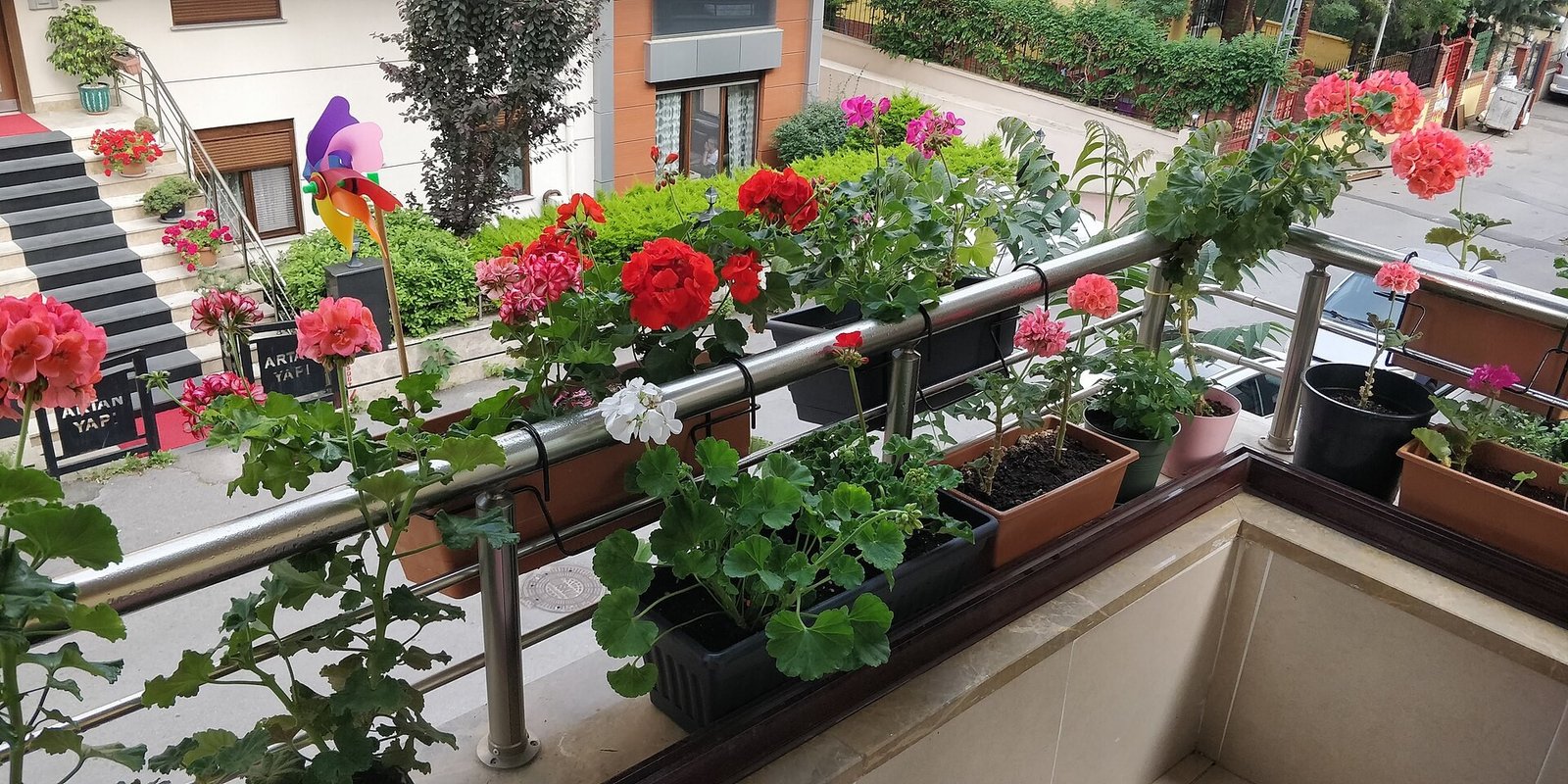
Petunias are the balcony staple for a reason: trailing forms cascade from railing planters in waves of colour from late spring to the first frosts, especially modern weather-tolerant series bred to shrug off rain better than old varieties. Geraniums — properly, zonal pelargoniums — thrive on exactly what balconies offer: sun, warmth, and containers that are allowed to dry slightly between waterings. Their only real dislike is sitting wet, so let the compost breathe. Marigolds earn a double wage: cheerful orange and yellow flowers, plus a reputation among gardeners as good companions near tomatoes and beans. Compact French marigolds such as the ‘Bonanza’ series stay neat in mixed planters.
Lavender closes the set and perfumes the whole space on a warm evening. Compact varieties such as ‘Hidcote’ and ‘Munstead’ suit pots of gritty, free-draining compost in full sun, and ask for very little water once established — a gift where every litre is carried out by hand. Pair lavender and marigolds with your herbs, and your balcony starts to look, smell, and pollinate like a real garden, however many floors up it is. For more ideas on mixing flowers and edibles in tight quarters, see our selection of the best plants for small gardens and patios — most of them adapt happily to balcony pots.
Choosing for Sun or Shade: A Quick Matching Guide
Match the plant to the light and most other problems shrink. For a full-sun balcony — six or more hours of direct sun — lean on the Mediterranean and fruiting crowd: tomatoes, peppers, bush beans, strawberries, rosemary, thyme, lavender, geraniums, and petunias. These plants convert sun into flavour and flowers, and the main job becomes keeping up with watering.
For part shade — three to five hours of sun, or bright light without much direct sun — the leafy and herby crowd takes over: salad leaves, radishes, chives, parsley, coriander, and alpine strawberries all do well, and mint positively prefers it in hot climates. Flowers for these spots include busy Lizzies (impatiens), begonias, and fuchsias, which flower generously without demanding a sunbathing pitch.
For a genuinely shady balcony, be honest and grow what loves it: lush pots of mint, parsley, chervil, leafy Asian greens, and hostas or ferns for pure foliage effect. Shade is not a failure — a cool, leafy balcony in a hot city summer is a lovely thing. The mistake is forcing a tomato to perform in it and concluding you cannot garden.
Containers, Railing Planters, and the Watering Reality
Containers are a balcony garden’s soil, roof, and plumbing in one, so choose them with care. Bigger is generally kinder: more compost holds moisture longer, buffers temperature swings, and forgives a missed watering. As working minimums, herbs manage in 1 to 3 litre pots, chillies and peppers want 5 to 8 litres, and bush tomatoes and strawberries do best at around 10 litres per plant. Every container must have drainage holes — no exceptions — and a saucer beneath it, both to protect the floor and to stop your water dripping onto the balcony below. Your downstairs neighbours will thank you.
Railing planters extend your space wonderfully but come with rules. Use planters designed for your railing type, fit them exactly as the maker intends, and never overload them — wet compost in a long trough is surprisingly heavy. Line them if they dry out too fast, and position them inside the railing where local rules or common sense require it. Fabric grow bags deserve a mention, too: cheap, light, foldable for winter storage, and excellent for potatoes or extra beans on the floor, though they dry out faster than rigid pots.
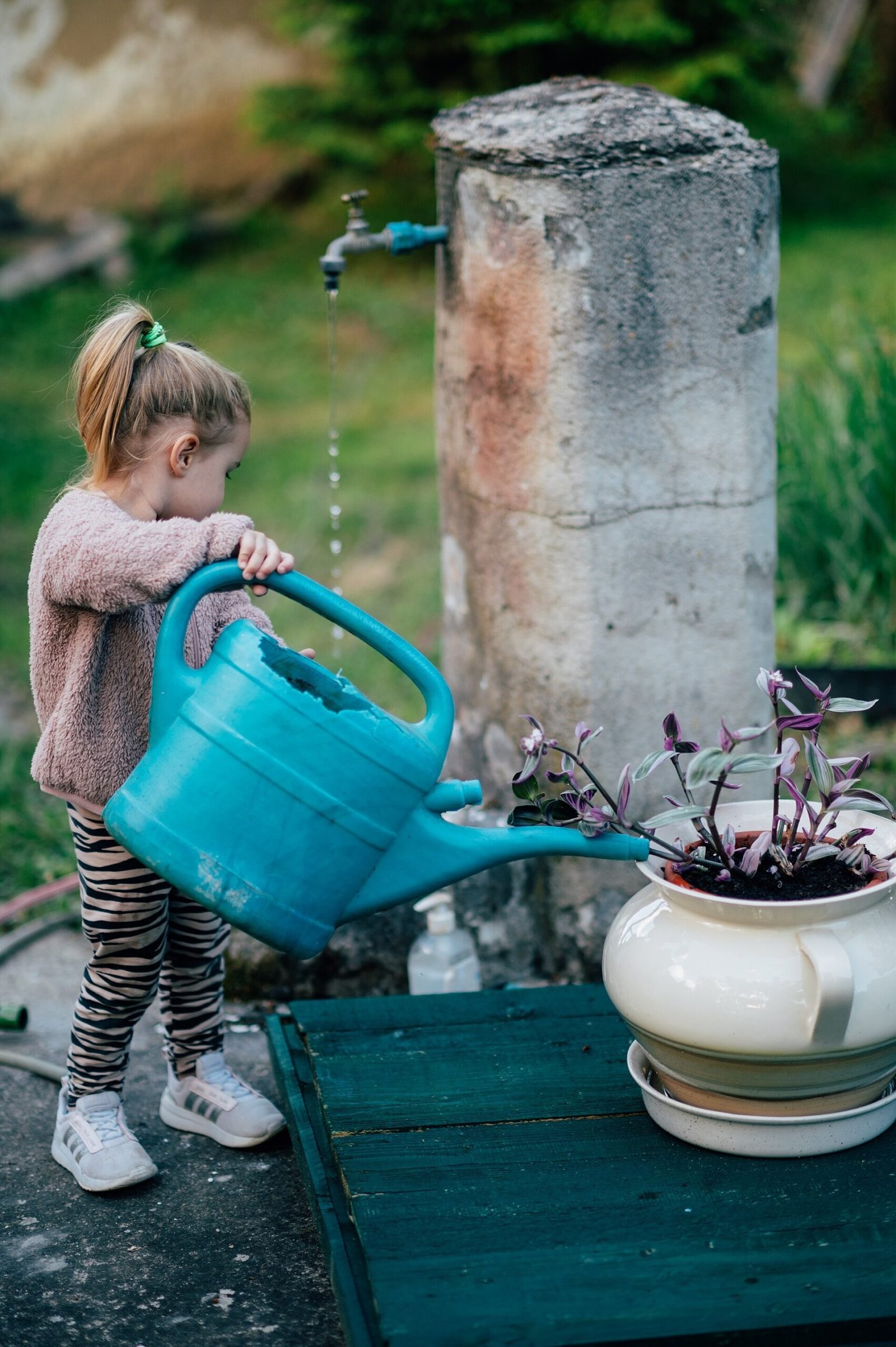
Now the honest part: watering. Balcony pots in summer sun can need water every day, sometimes twice in a heatwave in zones 9–10. Check with a finger — if the top 2 to 3 cm (about an inch) of compost is dry, water thoroughly until it runs from the drainage holes, rather than sprinkling the surface. Self-watering pots, a simple drip kit on a timer if your building allows it, and mulching pot surfaces with bark or grit all buy you time, and grouping pots together slows drying too. Plan for holidays before you need them: a neighbour with a watering can and a promise of tomatoes is the classic arrangement, and it still works.
Practical Tips for Balcony Growing Success
Start smaller than your ambition. Six well-tended pots beat twenty neglected ones, and you can always add a planter next month. Buy the best compost you can — a peat-free, multi-purpose or container mix — and refresh or replace it each season for annual crops, scratching in a slow-release fertiliser at planting time for anything staying in its pot all year.
Feed little and often. Container plants cannot send roots out in search of nutrients, so a weekly liquid feed for fruiting crops once they flower, and a gentler fortnightly feed for herbs and flowers, keeps everything moving. Watch for the balcony pests: aphids on soft tips (squash them, or blast them off with water), red spider mite in hot, dry corners (mist, and improve airflow), and pigeons treating your salad trough as a buffet — a little netting saves a lot of swearing.
Keep a simple rhythm: a morning look while the kettle boils catches dry pots, ripe fruit, and problems at the easy stage. Rotate pots a quarter turn every week or so if light comes from one side, so plants grow evenly instead of leaning like sunbathers. Finally, celebrate the small harvests. Balcony gardening is measured in handfuls, not barrowloads — and a handful of your own cherry tomatoes is worth more than a punnet of anyone else’s.
Common Mistakes Balcony Gardeners Make
The first mistake is choosing plants for the balcony you wish you had. A tomato on a north-facing ledge, lavender in a soggy shaded corner — good plants in wrong places fail, and the gardener blames their thumbs instead of the match. Read your light honestly and pick from the right list.
The second is small pots and big thirst. Undersized containers dry out by noon, roots cook against hot plastic, and plants wilt daily until they give up. If you take one upgrade from this article, take bigger pots. The third mistake is drainage denial: pots without holes, or pots standing in waterlogged saucers for weeks, rot roots quietly. Water should pass through, rest briefly in the tray on a hot day, and never become a permanent pond.
Overloading the railing, forgetting holiday watering, and planting mint in a shared trough complete the classic set. So does neglecting wind — a tall sunflower in an exposed corner is a kite waiting for weather. Stake early, secure everything, and let the balcony’s conditions lead.
Frequently Asked Questions
What is the easiest plant to grow on a balcony?
Mint and chives are about as close to foolproof as gardening gets — both forgive irregular watering, tolerate a range of light, and keep producing for years. Among vegetables, radishes and cut-and-come-again salad leaves are the fastest and easiest for beginners, and a cherry tomato such as ‘Tumbling Tom’ is the easiest genuinely exciting crop if your balcony gets good sun.
How much sun does a balcony garden need?
It depends on what you want to grow. Fruiting plants such as tomatoes, peppers, and strawberries need at least six hours of direct sun a day to crop well. Leafy crops and many herbs manage happily on three to five hours, and mint, parsley, and leafy greens will grow in bright shade. Measure your balcony’s actual hours for a day or two before choosing plants.
How often will I need to water balcony pots?
In the height of summer, expect to water most pots daily, and small pots in full sun or wind may need it morning and evening. In spring and autumn, every two to three days may be plenty. Bigger pots, self-watering containers, mulch on the compost surface, and grouping pots together all stretch the interval — but balcony watering is a real commitment, so plan holidays around it or arrange a helper.
Can I grow vegetables on a shady balcony?
Yes — the leafy ones. Salad leaves, radishes, Asian greens, parsley, chives, mint, and coriander all grow well without full sun, and alpine strawberries tolerate light shade too. What will not work is the sun-loving fruiting group: tomatoes, peppers, and aubergines need real sun to ripen, and on a shady balcony they tend to grow leaves instead of harvests.
What size pots do balcony plants need?
As a practical guide, give herbs 1 to 3 litres each, chillies and sweet peppers 5 to 8 litres, and tomatoes and strawberries around 10 litres per plant. Bush beans do well in a wide trough or a 10 litre pot shared by several plants. When in doubt, go one size up — larger pots hold water and nutrients far better and need less daily attention.
Do balcony plants attract bees and other insects?
Flowers and herbs in bloom certainly attract bees, butterflies, and hoverflies, even several floors up — which is a benefit, since they pollinate your tomatoes, beans, and strawberries as they visit. You will also meet aphids now and then, as every gardener does. Serious pests are usually fewer on balconies than at ground level, and slugs and snails are mercifully rare above the first floor.
Final Thoughts
A balcony garden succeeds on matching, not square metres: the right compact plants, in the right-sized pots, in the light you actually have, watered with a routine you can actually keep. Herbs by the door, a trailing tomato over the railing, strawberries for June mornings, lavender for warm evenings — none of it requires a plot of land, and all of it changes how a home feels.
Start this season with a handful of pots you are confident about, learn your balcony’s moods through one summer, and expand next year with everything that knowledge buys you. Before long, you will not see a slab and a railing any more — you will see the garden, and check what is ripe.