

If you are wondering how to control garden pests naturally this weekend, without reaching for a bottle of something harsh, you are asking the right question at the right moment. Most garden pests — aphids on the beans, slugs after the lettuce, caterpillars in the cabbages — can be kept to a level your plants can live with using hands, water, simple homemade sprays, and a few well-placed barriers. You do not need a shed full of products. You need a short routine, a spray bottle, and a willingness to look closely at your plants.
Natural pest control is not about creating a pest-free garden. That garden does not exist, and chasing it usually causes more harm than the pests ever did. It is about keeping numbers low enough that crops grow well and flowers bloom, while the ladybirds, birds, frogs, and other helpers that eat pests for free stay alive and keep working for you. A few nibbled leaves are the price of a garden that is actually alive, and most healthy plants shrug off a little damage without any drop in harvest.
Everything in this guide is hands-on and doable with ordinary household items: picking pests off by hand, blasting aphids with water, mixing a simple soap or garlic spray, laying mesh and copper tape, and making your patch welcoming to predators. Just as importantly, it is honest about limits. Home remedies help most against soft-bodied insects caught early; they are not magic, and used carelessly — especially in sunshine or on open flowers — they can harm the very insects you need. Used thoughtfully, though, they work surprisingly well.
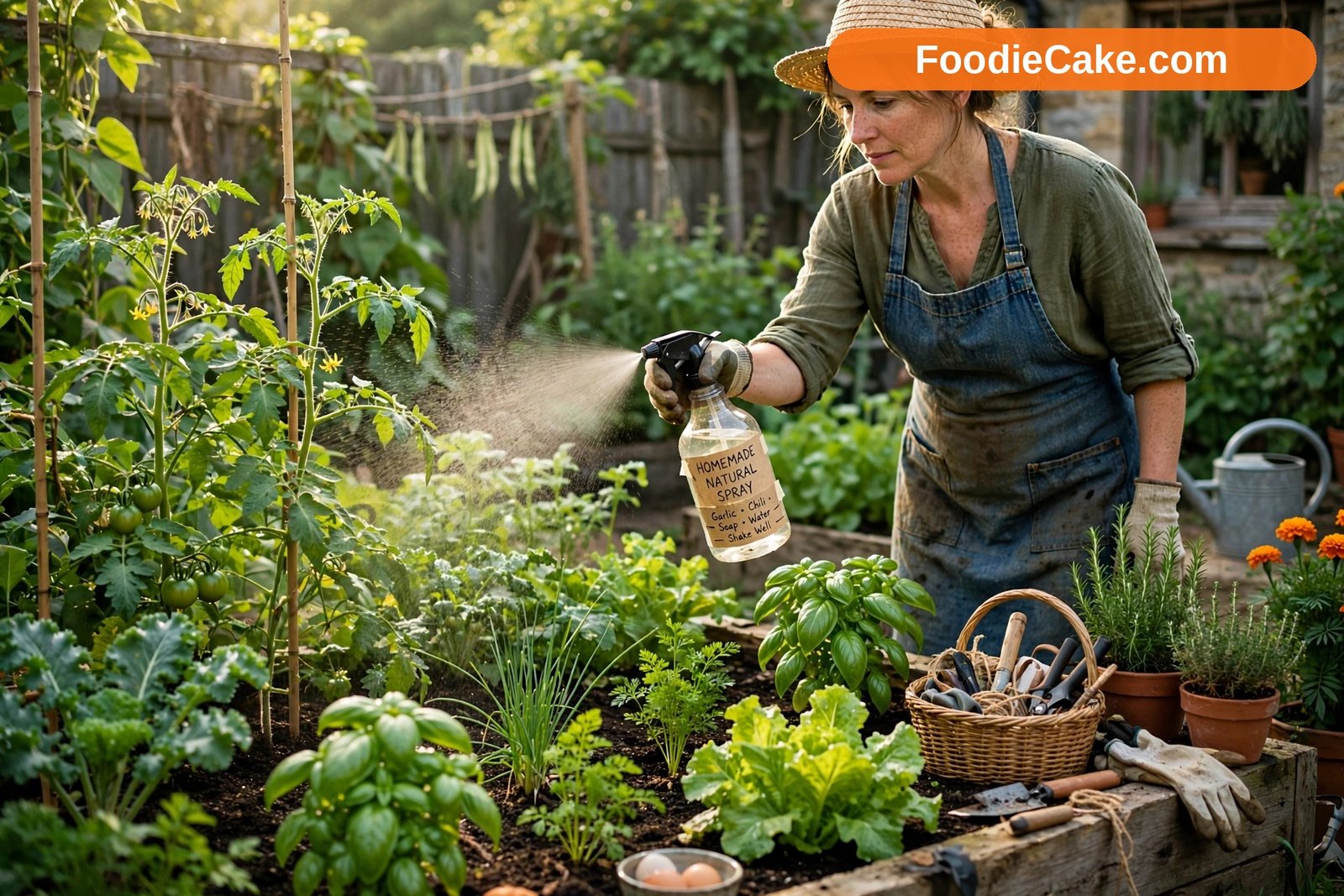
Start With Prevention: Healthy Plants Get Eaten Less
The least exciting advice is the most effective: pests overwhelmingly target stressed plants. A thirsty, hungry, overcrowded vegetable is a signal flare to aphids and a soft target for everything else, while a well-fed plant growing steadily can tolerate a fair amount of nibbling and grow straight through it. So your first pest control session is not about pests at all. It is about soil, water, and spacing.
Build healthy soil and you build resilient plants. Fork compost into beds before planting, mulch around established plants to hold moisture and reduce stress in dry spells, and avoid piling on high-nitrogen fertiliser that forces soft, sappy growth — aphids adore that kind of growth. If you are starting out, following a few simple organic gardening tips for beginners will do more for pest control in the long run than any spray, because almost all of them are really about soil and steady growth.
Water at the base of plants in the morning where you can, so foliage dries during the day and fungal problems stay low, and space plants so air moves between them. Rotate vegetable families around the plot each year so soil pests and diseases that build up under one crop meet something they cannot eat the next season. Clear away badly infested leaves and finished crops promptly, because old, yellowing brassica leaves and spent bean plants are hotels for pests. None of this is glamorous, but gardens that do these basics rarely suffer the worst outbreaks in the first place.
Choose varieties with your eyes open, too. Some lettuces, carrots, and brassicas are described by seed suppliers as more resistant to particular problems, and growing a mix of varieties rather than one long row of a single type means a pest that loves one plant does not get an uninterrupted feast. Finally, sow and plant at sensible times: seedlings growing strongly in warm soil race past the vulnerable stage, while seedlings sitting cold and stalled for weeks get picked off one by one.
Identify Before You Act: Not Every Insect Is a Pest
Before you spray, squish, or trap anything, take two minutes to find out what you are actually looking at. A surprising share of the insects on a plant are either harmless or actively helping you. Ladybird larvae, which look like small, dark, spiky beetles with orange markings, eat aphids in large numbers and are killed every year by gardeners who mistake them for pests. Hoverfly larvae, tiny green or translucent maggots found right inside aphid colonies, are also eating the aphids. Ground beetles hunt slugs and eggs at night. If you remove the predators along with the prey, the next outbreak is usually worse, because pests breed faster than the creatures that eat them.
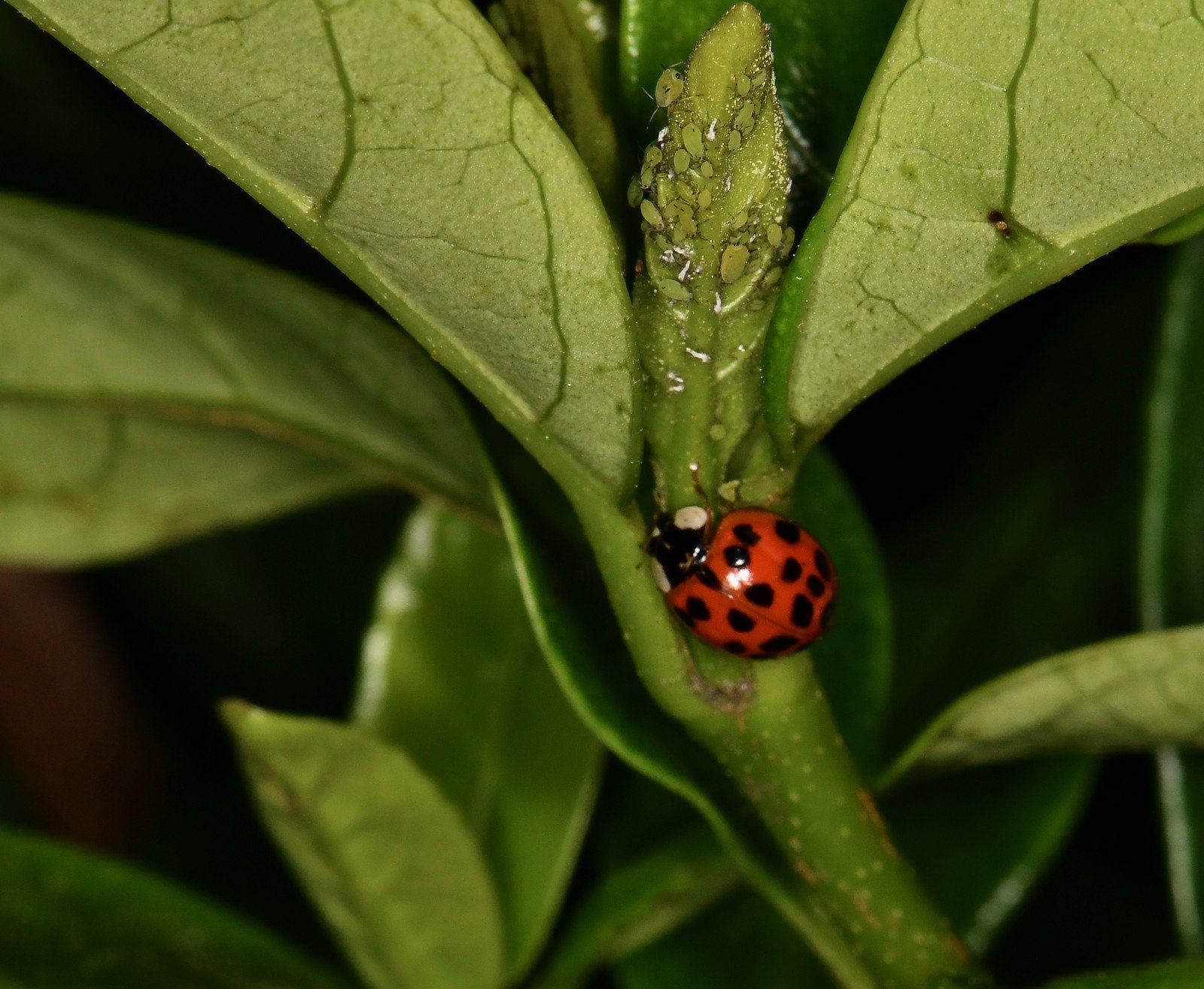
Learn the handful of real troublemakers in your garden and what their damage looks like. Aphids cluster on soft tips and leaf undersides and leave sticky honeydew. Slugs and snails leave slime trails and ragged holes, mostly after dark. Caterpillars leave droppings and neat holes, often with the culprit curled under a leaf nearby. Flea beetles pepper leaves with tiny shot holes, whitefly puff up in a cloud when brassicas or greenhouse plants are disturbed, and vine weevil larvae — the hidden ones — eat roots so a plant wilts despite wet soil. Damage with no culprit visible usually happens at night, so a torch check after dark often answers the question in seconds.
Also check whether the problem is actually a pest at all. Yellow leaves can mean hunger or overwatering, holes can be hail or wind tearing soft foliage, and wilting at midday on a hot day is often just a plant coping until evening. Treating a watering problem with a pest spray wastes time and stresses the plant further. A quick photo and a search of the symptoms, or simply watching the plant for two days, saves a lot of pointless spraying.
Set yourself a tolerance threshold while you are at it. A few aphids on a rose, a hole or two in a cabbage leaf, a little flea-beetle grazing on young leaves — in most cases the right response is to watch, not act. Act when numbers are climbing fast, when the plant is young and small, when the crop itself is being eaten, or when a virus-spreading pest such as aphids is colonising a plant you know is vulnerable. That judgement call, more than any recipe below, is what natural control really consists of.
Physical Methods You Can Do Today
Hand-picking sounds old-fashioned because it is — and for many pests it is still the most reliable method there is. It works best on the larger, slower culprits: caterpillars on brassicas, slugs and snails after rain or at dusk, Colorado beetle-type pests where they occur, lily beetles in their bright red coats, and the plump larvae you find curled in the soil when digging. Drop what you collect into a bucket of soapy water so nothing crawls back. Ten focused minutes twice a week keeps numbers down far better than one furious purge a month, because you catch each new wave before it breeds. Wear gloves if you prefer, check leaf undersides and the hearts of plants, and take a torch out on damp evenings for slugs — that single habit transforms lettuce losses in most gardens.
A strong jet of water is your best first move against aphids, whitefly, and spider mites. Use a hose with a firm spray setting, or a pump-action bottle sprayer for pots, and blast the undersides of leaves where the colonies sit. The insects are knocked off, many are damaged or drowned, and most cannot find their way back to the same plant. Repeat every two or three days for a week or so, because eggs and survivors will rebuild if you stop after one pass. Do it in the morning so leaves dry quickly, and support delicate stems with your other hand so the cure does not snap the plant. For plants in pots, simply holding the foliage under a tap or shower head achieves the same thing.
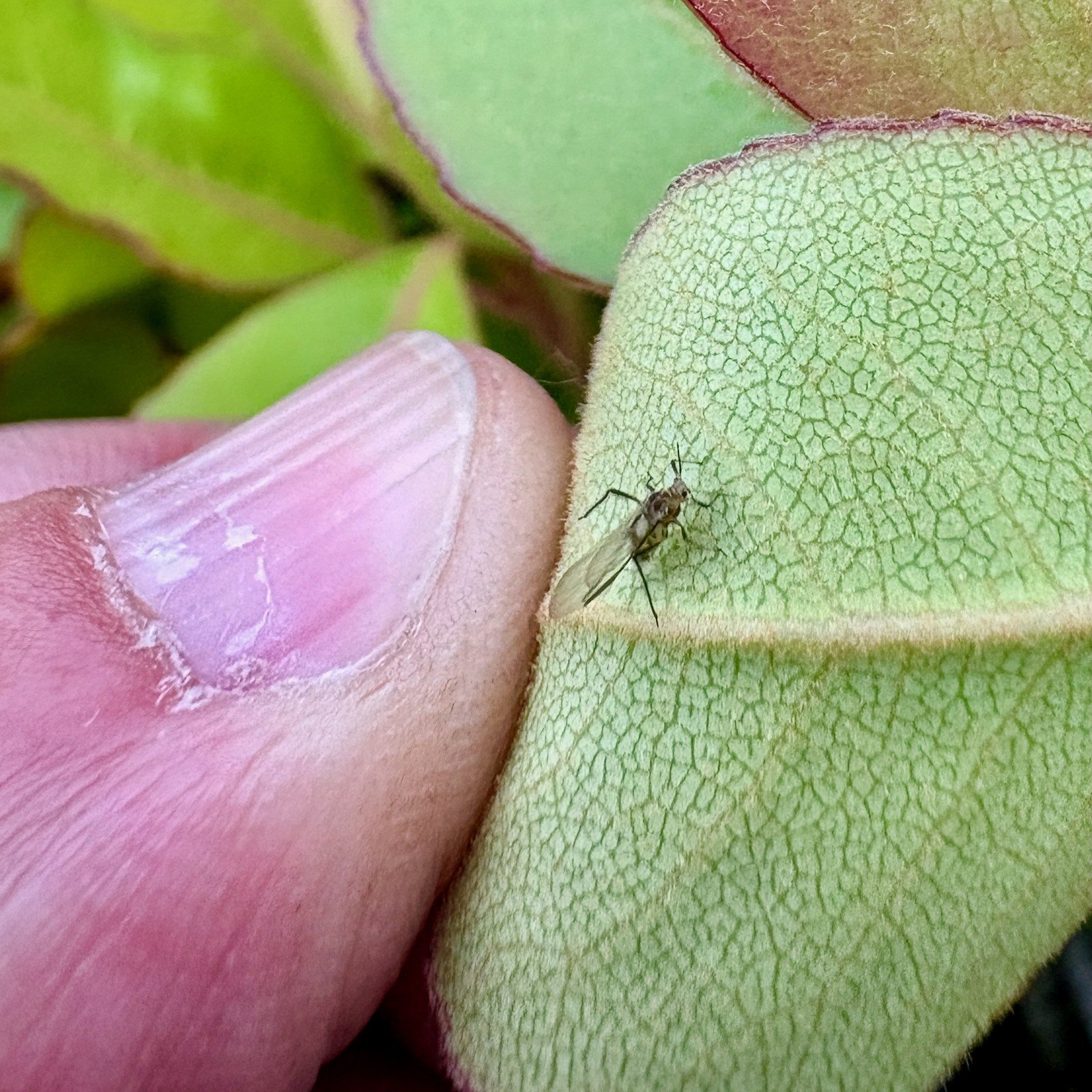
Inspecting leaf undersides deserves to be a habit on its own. That is where aphids feed, where whitefly settle, where caterpillar eggs are laid in neat clusters, and where the first signs of trouble appear days before the top of the leaf shows anything. When you water or harvest, turn a few leaves over as you go. Rubbing off a cluster of cabbage white eggs with your thumb, or wiping away the first dozen aphids on a bean tip, takes five seconds and prevents the outbreak you would otherwise be spraying next week. Prune out and bin — do not compost — the worst infested tips and leaves when numbers concentrate in one place; removing a heavily infested shoot is often more effective than spraying the whole plant.
Other simple physical tricks earn their keep too. Shaking plants over a sheet or tray dislodges weevils and beetles for easy collection. Yellow sticky traps in a greenhouse or on a windowsill catch whitefly and fungus gnats and, just as usefully, tell you numbers are rising before you can see them. And a prompt tidy matters: remove fallen, infested fruit, lift slug shelters such as planks and pots during the day and clear what is hiding beneath, and keep the area right around vulnerable seedlings free of damp cover where slugs spend the daytime.
Homemade Sprays: Simple Recipes, Used Carefully
Homemade sprays are contact treatments: they work on the pests they actually hit, they break down quickly, and they have little lasting effect — which is both their safety and their limit. They are best for aphids, whitefly, spider mites, and other soft-bodied insects caught early, on plants you can reach thoroughly. They will not fix a heavy, weeks-old infestation in one go, and they do not work as preventatives sprayed onto clean plants just in case. Make small batches, test on a few leaves first, and wait a day to check for leaf scorch before spraying the whole plant.
A simple soap spray is the staple. Stir about a teaspoon of genuine liquid soap — plain castile-style soap is ideal — into a litre (roughly a quart) of water in a spray bottle, with no added detergents, degreasers, or antibacterial agents. Spray in the cool of the evening, soaking the pests directly, especially under leaves, and repeat after three or four days if needed. The soap breaks down the insects’ outer coating, so thorough coverage matters more than strength; a stronger mix mostly raises the risk of damaging leaves. Rinse the plant with plain water the next morning if the weather is hot or the plant is tender. One careful note on a common myth: washing-up liquid is not the same as soap. Many such liquids are detergents with additives, are more likely to strip the leaf’s own protective wax and scorch foliage, and results vary widely between brands. If it is genuinely all you have, use only a drop or two in a litre, test first, and treat it as a last resort rather than the recipe.
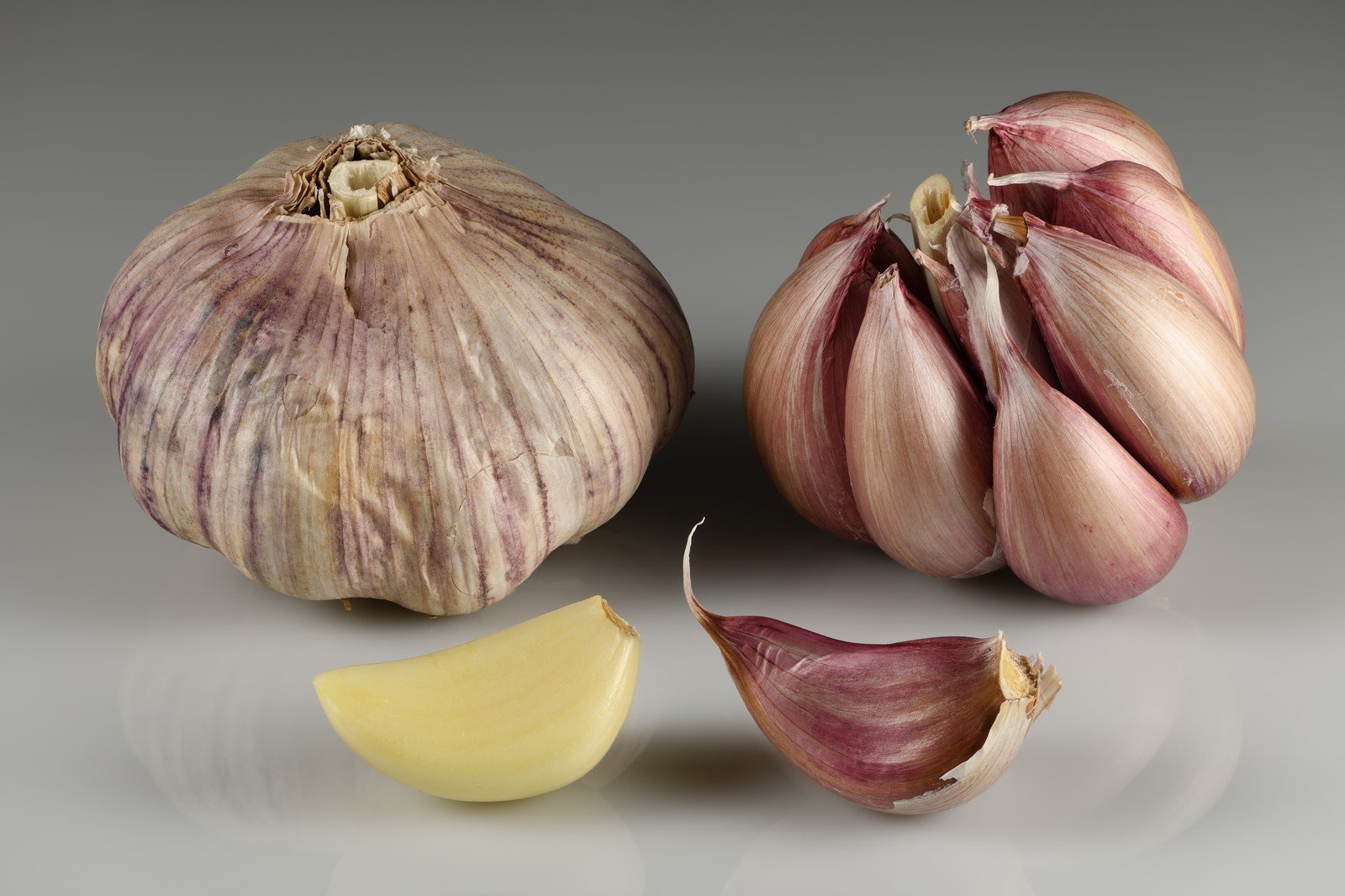
A garlic and chilli spray works mainly as a repellent, making leaves taste and smell unwelcoming. Blend or finely crush two or three garlic cloves and a small hot chilli (or a teaspoon of chilli flakes) in about a litre of water, leave it to steep overnight, then strain it very well through cloth so the nozzle does not clog. Add just a drop of liquid soap to help it stick to leaves. Spray onto foliage in the evening, reapply after rain, and keep it off open flowers. Wear gloves, keep it away from your eyes and face — it stings exactly as you would expect — and label the bottle clearly so nobody mistakes it for anything else. Be honest with yourself about results: some gardeners swear by it for aphids and caterpillar deterrence, others find the effect modest and short-lived. Used alongside hand-picking and water jets, it can help; on its own, it rarely controls an established colony.
Neem oil is a plant-derived product rather than a kitchen recipe, and it deserves a little extra respect. Mixed exactly as the product label directs and sprayed thoroughly, it disrupts feeding and growth in a range of insects and is most useful against aphids, whitefly, and young caterpillar stages. It must be applied in the evening, never in bright sun or heat, both to protect leaves and — critically — to protect bees: neem can harm bees that are sprayed directly or that walk over wet spray, so never spray open flowers and never spray while bees are active. Once dry, the risk drops greatly, which is why timing matters so much. The same bee rule applies to every spray in this section, including the homemade ones: spray at dusk, aim at the pests, and keep spray off blooms.
Whatever spray you use, technique decides whether it works. Soak the undersides of the leaves, not just the tops, spray to the point of dripping on the affected areas, and expect to repeat — eggs are usually unaffected, so a second spray four to seven days later catches the next hatch. Keep a small notebook note or phone reminder of what you sprayed and when; without one, everyone forgets and either gives up too soon or sprays far too often.
Barriers and Traps: Keep Pests Off in the First Place
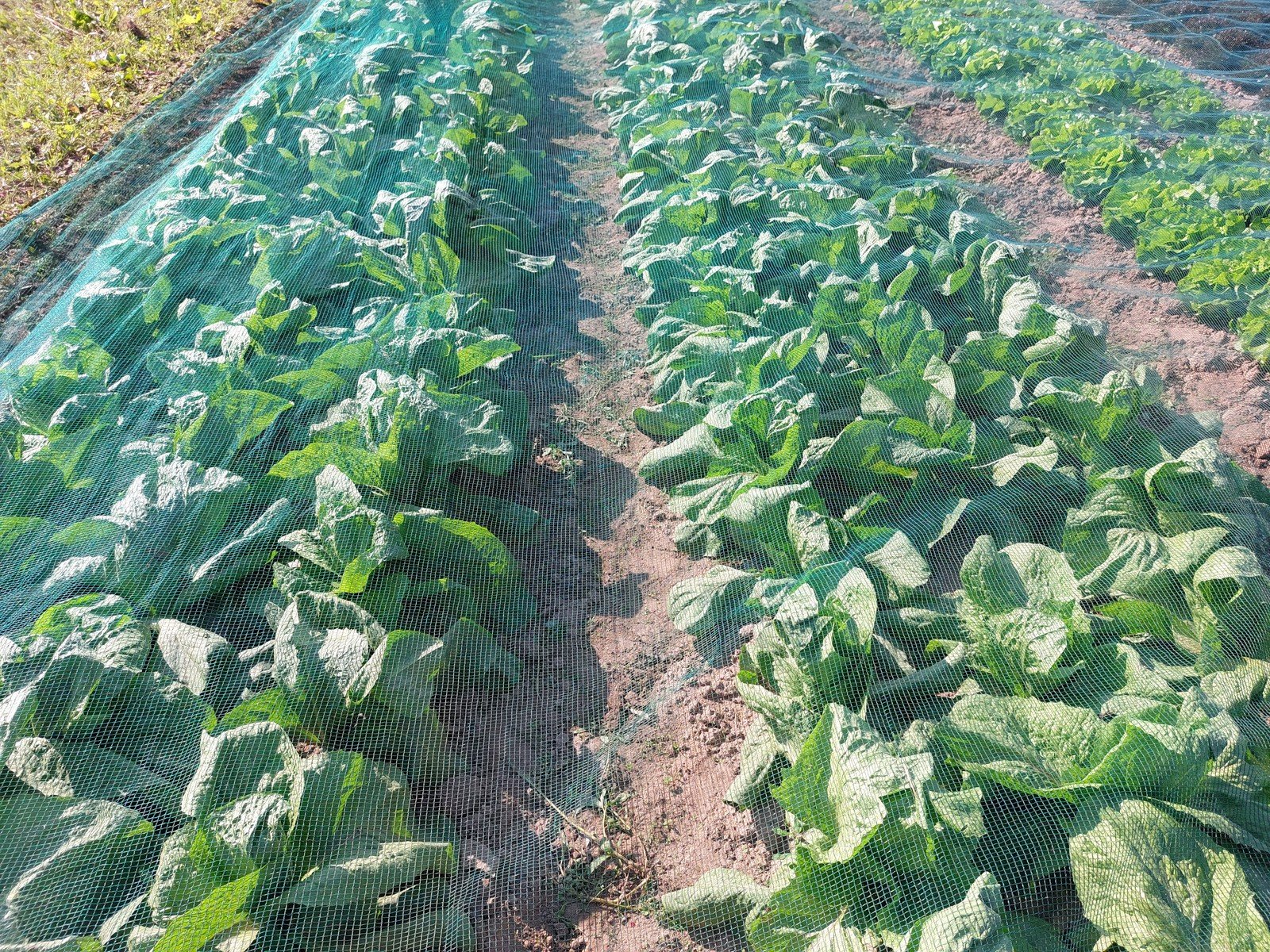
Stopping pests reaching the plant beats curing an infestation almost every time, and barriers are the most dependable tool in this whole guide. Fine insect mesh laid over brassicas, carrots, and young salads keeps out cabbage white butterflies, carrot fly, flea beetles, and many other flying pests while letting light and rain through. Drape it over hoops or supports so it does not rest directly on the leaves, bury or weigh down every edge — one gap is an open door — and put it on the day you sow or plant, not after you spot the first butterfly. Keep it on for the period the pest is active; for carrots, that is essentially the whole season. Mesh is reusable for years if you store it dry, which makes it one of the best-value purchases a vegetable gardener can make.
Copper tape is the classic slug barrier for pots, and it works within honest limits: slugs and snails dislike crossing it and receive a mild electric-like sensation from the copper, so a clean, unbroken band at least 5 centimetres (2 inches) wide around a pot protects the plant inside — provided no leaf bridges over the tape and no neighbouring pot touches it. It does nothing for slugs already living in the soil inside the pot, and it is impractical for open beds. For beds, sharp barriers such as grit, crushed eggshell, or wool pellets around individual plants slow slugs down in dry weather but wash into the soil and lose effect when wet, so treat them as a helping hand, not a wall.
Collars stop specific soil-level attackers. A simple collar of cardboard or plastic, pushed a little into the soil around the stem of a young transplant, blocks cutworms that sever seedlings at ground level overnight. Similarly, a mat or collar around brassica stems helps deter cabbage root fly from laying eggs at the base. Beer traps — a small pot sunk to its rim and part-filled with beer or a yeast mixture — genuinely do drown slugs, but use them honestly: they attract slugs from the surrounding area as well as catching them, so place them at the edge of a bed rather than in the middle of your lettuces, empty them often because they get unpleasant quickly, and see them as a way to reduce numbers around a vulnerable crop rather than a final solution. A board or an upturned grapefruit half left on the soil overnight achieves a similar result without the beer — slugs gather underneath by morning, ready for you to remove.
Bird and mammal protection counts here too. Netting over fruit keeps birds off ripening berries, but use proper, taut, small-mesh netting and check it daily, because loose, fine netting can trap and injure the very birds you want in the garden for pest control. A simple cage or cloche over young seedlings protects them from pigeons, which can strip brassica seedlings in a morning. Thinking ahead like this — mesh on planting day, collars on transplant day — is what separates gardeners who battle pests all season from gardeners who barely meet them.
Inviting Beneficial Insects and Other Predators
Your cheapest pest control workforce is already looking for work; your job is to house and feed it. Ladybirds, lacewings, hoverflies, ground beetles, parasitic wasps, birds, frogs, and toads together eat a quantity of pests no gardener could match by hand. They stay where there is food, water, shelter, and — crucially — a garden that is not sprayed with broad treatments that kill them along with everything else. Every time you tolerate a small, early aphid colony instead of erasing it, you are also feeding the ladybird larvae that will patrol that plant for weeks.
Flowers are the fuel for adult predators and parasitoids, many of which feed on nectar and pollen even though their young eat pests. Simple, open flowers work best: marigolds, calendula, alyssum, phacelia, dill, fennel, and coriander left to flower all draw hoverflies and tiny parasitic wasps. This is the real power behind well-planned planting combinations — for example, the pairings described among the best companion plants for tomatoes work largely because the flowering partners feed and shelter predators right beside the crop. Let a few herbs flower rather than cutting them all, and keep something in bloom from spring to autumn, because a predator that starves in June is not there for your July aphids.
Habitat is the other half. A small pile of logs or stones in a quiet corner shelters ground beetles, frogs, and toads. Leaving some leaf litter under shrubs overwinter gives ladybirds and beetles somewhere to hibernate. A shallow dish of water with stones in it lets insects and birds drink safely, and even a tiny pond will bring frogs, which are among the finest slug hunters you will ever have. Avoid tidying every corner in autumn; a slightly scruffy garden edge is predator housing, and the tidy beds in the middle are where those predators go to work. Nest boxes and a bird feeder keep insect-eating birds visiting year-round, and birds with chicks to feed collect caterpillars and aphids in remarkable quantities.
One practical warning: bought ladybirds and other mail-order predators sound appealing but often simply fly away or arrive when there is little for them to eat. Building habitat and avoiding harmful sprays nearly always achieves more, more cheaply, within a season or two. Be patient — predator numbers build over time, and the second year of gardening this way is usually noticeably easier than the first.
Practical Tips for Natural Pest Control That Actually Works
Walk the garden little and often. A five-minute check every day or two, turning the odd leaf and looking at new growth, catches almost every problem while it is still a five-minute problem. Most disasters are simply small problems nobody looked at for three weeks.
Keep a basic kit together so you act immediately: a spray bottle, a small bottle of plain liquid soap, gloves, a roll of copper tape, some mesh and hoops, plant labels to note dates, and a torch for evening slug patrols. Pests do not wait while you order supplies.
Spray in the evening, every time, as a fixed rule. It protects bees and other daytime pollinators, stops spray scorching leaves in sunshine, and hits pests as many of them become active. Never spray open flowers, and never spray a plant that is wilting from drought — water it first and treat it another day.
Rotate your responses. If water jets alone are not shifting aphids, add hand-wiping, then a soap spray, rather than repeating the weakest method louder. Layers of modest methods, switched as needed, outperform any single tactic — that combination approach, not any one recipe, is the real system.
Keep simple records. A line on your phone — what pest, on what crop, what you did, whether it worked — turns next year’s guessing into knowledge. Note the week a pest first appeared, too; next season you can have mesh on and be checking undersides before it arrives.
Protect the plant’s most vulnerable stage hardest. Seedlings and young transplants deserve the mesh, the collars, and the daily check, because they can be killed by damage an established plant would barely notice. As plants grow large and tough, you can relax — which also means your effort naturally concentrates where it pays.
Common Mistakes and How to Avoid Them
Spraying everything, just in case, is the most common mistake. Spraying clean plants with soap, garlic, or neem when there is no pest present does nothing useful — these are contact treatments with no lasting protective coat — and it can stress leaves, waste your time, and harm beneficial insects that happen to be present. Look first, identify, and treat only the plants that actually have the pest, only where the pest actually is.
Harming bees and other pollinators is the mistake with the widest consequences. Any spray, homemade included, can kill a bee it hits directly, and spraying open flowers invites exactly that. The fixes are simple and absolute: spray at dusk when bees have stopped flying, never spray blossoms, shield nearby flowers if you must treat a plant in bloom, and let spray dry fully before morning. A garden that protects its pollinators keeps its predators too, because the two habits are the same habit.
Expecting zero pests sets you up to fail and to over-treat. Some aphids, some holes, and the odd caterpillar are the normal background of a healthy garden, and they are also the food supply that keeps your predators resident. Gardeners who demand perfection usually spray more and more, kill the predators, and end up with worse outbreaks than the neighbour who tolerates a little damage. Judge success by your harvest and the health of the plants, not by whether every leaf is unmarked.
Using harsh household chemicals and calling them natural is a trap worth naming. Bleach, strong detergents, excessive washing-up liquid mixtures, and mystery recipes involving solvents have no place on food plants or in soil — they damage leaves, harm soil life, and are not made safer by being mixed at home. Stick to the simple, known recipes here, at sensible strengths, tested on a few leaves first. Similarly, over-strong homemade mixes cause more damage than weak ones ever prevent: more soap, more chilli, and more oil is not more effective, it is just more likely to scorch the plant you were trying to save. And finally, giving up after one attempt — one water blast, one spray, one night of hand-picking — guarantees the method looks useless. Almost every natural method works by repetition over one to two weeks. Judge it after the routine, not after the first try.
Frequently Asked Questions
What is the quickest natural way to get rid of aphids?
Start with a strong jet of water aimed under the leaves, repeated every two or three days — that alone clears most light infestations. If numbers stay high, follow up with a soap spray in the evening, about a teaspoon of plain liquid soap per litre of water, coating the aphids directly. Check for ladybird and hoverfly larvae among the colony first, and leave those patches if you can, because the larvae will finish the job for you.
Are homemade sprays safe for vegetables I am going to eat?
Simple soap and garlic-chilli sprays made as described, at sensible strengths, are widely used on vegetables. Wash produce before eating as you normally would, avoid spraying in the days right before harvest where you can, and use neem products only as their label directs for edible crops, including any harvest interval the label states. When in doubt, physical methods — water, hands, and mesh — carry no residue questions at all.
How do I protect seedlings from slugs without pellets?
Combine several small defences: go out at dusk with a torch and remove slugs by hand for the first couple of weeks, keep the soil surface around seedlings clear of damp hiding places, use copper tape around pots and raised-bed edges where practical, and set a board trap nearby to collect slugs each morning. Growing seedlings on in pots until they are larger and tougher before planting out also helps a great deal, because big plants survive nibbling that kills tiny ones.
Will natural methods work in my zone and climate?
The principles work everywhere, but timing and the main pests vary. In zones 5–8, for example, slug pressure peaks in cool, wet spring and autumn weather, while aphids and whitefly build in warm summer spells; hotter zones see pest activity for more of the year and need mesh on for longer. Watch your own garden for a season, note when each pest appears, and shift the same methods earlier or later to match — the methods travel well, the calendar is local.
Why did my soap spray burn the leaves?
Usually one of three reasons: the mix was too strong, the spray was applied in sun or heat, or the product used was a detergent with additives rather than plain soap. Next time, use about a teaspoon of plain liquid soap per litre, test on a few leaves and wait a day, and spray in the cool of the evening. Tender, drought-stressed, and very young plants are the most sensitive, so treat those most gently of all.
Final Thoughts
Controlling garden pests naturally is less a product than a posture: look closely, act early, use the simplest method that fits, protect the creatures helping you, and repeat a little and often. Hand-picking, water jets, mesh, and one or two careful homemade sprays will handle the great majority of what a season throws at a home garden, especially on top of the quiet foundation of healthy soil and unstressed plants.
Start this weekend with just three things — a torch-lit slug check, a water blast for any aphids you find, and mesh over your most vulnerable crop — and you will already be ahead of most outbreaks. The garden will not be pest-free, and it does not need to be. It needs to be balanced, watched, and full of life on your side, and that is a goal any gardener can reach with a spray bottle, a roll of mesh, and ten honest minutes at a time.
[…] pests will not have been touched by the first round. Gardeners who already follow good habits for how to control garden pests naturally often find soap is the only spray they actually need to keep on the shelf, because it handles the […]
[…] storing them. Clean, unstressed plants cope better with insect problems as well — our guide to controlling garden pests naturally without chemicals works hand in hand with the disease routine here. Finally, wash your hands and gloves after […]