

There is something wonderful about picking a lemon you grew yourself, just steps from your kitchen door. If you do not have a frost-free garden or a big sunny border, that is not the end of the idea. Learning how to grow lemon trees in pots opens the whole thing up to patios, balconies, and bright rooms indoors, because a pot lets you follow the sun in summer and dodge the frost in winter.
Be honest about what a potted lemon asks for, though. It is not difficult, but it is not a neglect-it houseplant either. Citrus in containers dry out faster than trees in the ground, are hungry feeders, and sulk in cold, soggy soil. Get light, drainage, and watering right, and the tree will reward you for years with glossy leaves, fragrant blossom, and fruit that keeps well on the branch.
This guide covers the whole job step by step. If you are planning a wider collection of compact fruit, our guide to the best fruit trees for small gardens is a good companion read before you buy anything else.
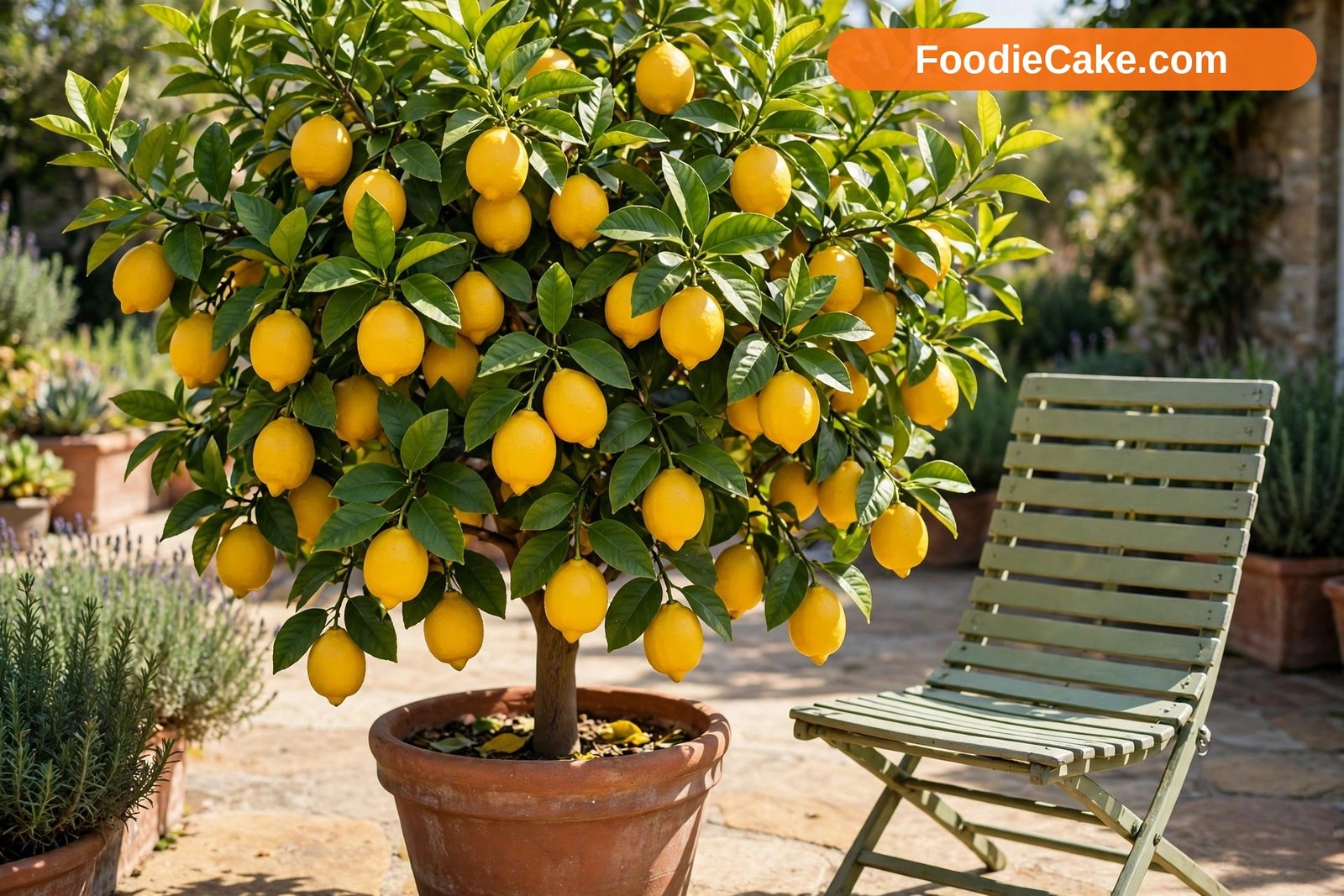
Step 1: Choose a Variety That Suits a Pot
Variety shapes everything else, so take your time here. The best-known pot lemon is Improved Meyer, a cross between a lemon and a mandarin-type citrus, which explains its rounder, thinner-skinned, slightly sweeter fruit and its compact, bushy habit. It is the most forgiving choice for containers and cooler homes, and it flowers and fruits in flushes through much of the year once mature. Buy the virus-free Improved form rather than an older unnamed Meyer.
Lisbon and Eureka are the classic true lemons from shops. Lisbon is thorny, vigorous, and a little more cold-tolerant. Eureka is less thorny and fruits at the branch tips. Both want to become proper trees, so in pots they need a larger container and firmer pruning.
Ponderosa, sold as American Wonder Lemon, is a compact novelty with very large, thick-skinned fruit, kept by some growers for marmalade and zest.
Whatever you choose, look for a tree grafted onto a dwarfing rootstock such as Flying Dragon or another trifoliate type, which restrains growth and helps the tree fruit at a manageable size. Buy a healthy plant: dark green leaves, no sticky residue, and a firm trunk.
Step 2: Pick the Right Pot Size and Material
Start smaller than you think. A young tree in a 1 to 3 gallon nursery pot is happy moving up to a container around 12 to 14 inches across. A huge tub sounds kind, but unused mix stays wet too long around a small root ball, and that is how root rot starts. Step up one size at a time until a mature tree settles into a 20 to 24 inch pot, roughly 15 to 20 gallons.
Drainage is non-negotiable. The pot must have real holes in the base and should sit on feet or a wheeled caddy so water escapes freely. A saucer is fine for catching drips indoors, but empty it after watering. Never let a lemon stand in water for hours.
Material is a trade-off. Terracotta breathes and its weight stops a top-heavy tree blowing over, but it dries out fast and can crack in a freeze. Plastic is light and holds moisture longer, though it can overheat in fierce sun. A mature lemon in a wet 20 inch pot is heavy, so castors are not a luxury.
Step 3: Use a Free-Draining Citrus Mix and Pot Up Carefully
Ordinary garden soil does not belong in a pot. It compacts, drains poorly in a container, and can carry fungal problems to the roots. Use a bought citrus and cactus mix, or a good peat-free compost opened up with extra drainage material. A mix that works well is roughly equal parts quality compost, coarse bark fines, and perlite or pumice. You want it gritty and open: a damp handful should hold together lightly, then crumble rather than stay in a solid wet lump. Citrus prefer a slightly acidic mix, roughly pH 5.5 to 6.5.
To pot up, water the tree an hour beforehand. Set it so the top of its root ball sits an inch or two below the rim, with the graft union, the knobbly join low on the trunk, above soil level. Fill around the sides, firm gently, and water until it runs from the base. Do not bury the trunk deeper than before, and skip the layer of gravel in the bottom, which does not improve drainage as people expect.
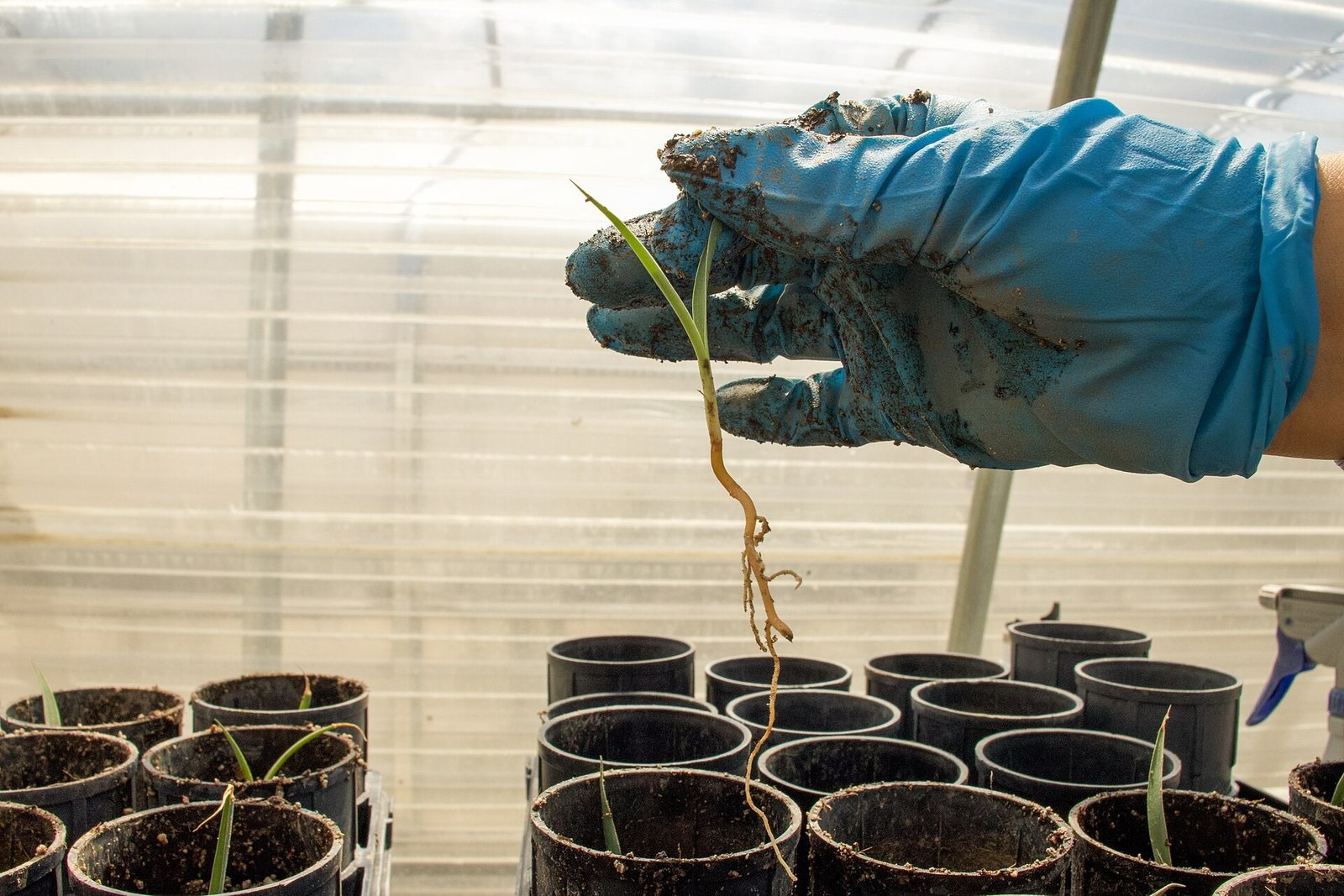
Step 4: Give It as Much Light as You Can
Lemons are sun plants, full stop. Outdoors, aim for at least 6 to 8 hours of direct sun a day, and more is better in cooler climates. A south or west facing patio, or a spot against a warm wall that reflects heat, will do well, provided the tree is sheltered from cold, drying winds. Rotate the pot a quarter turn every week or two so the canopy grows evenly.
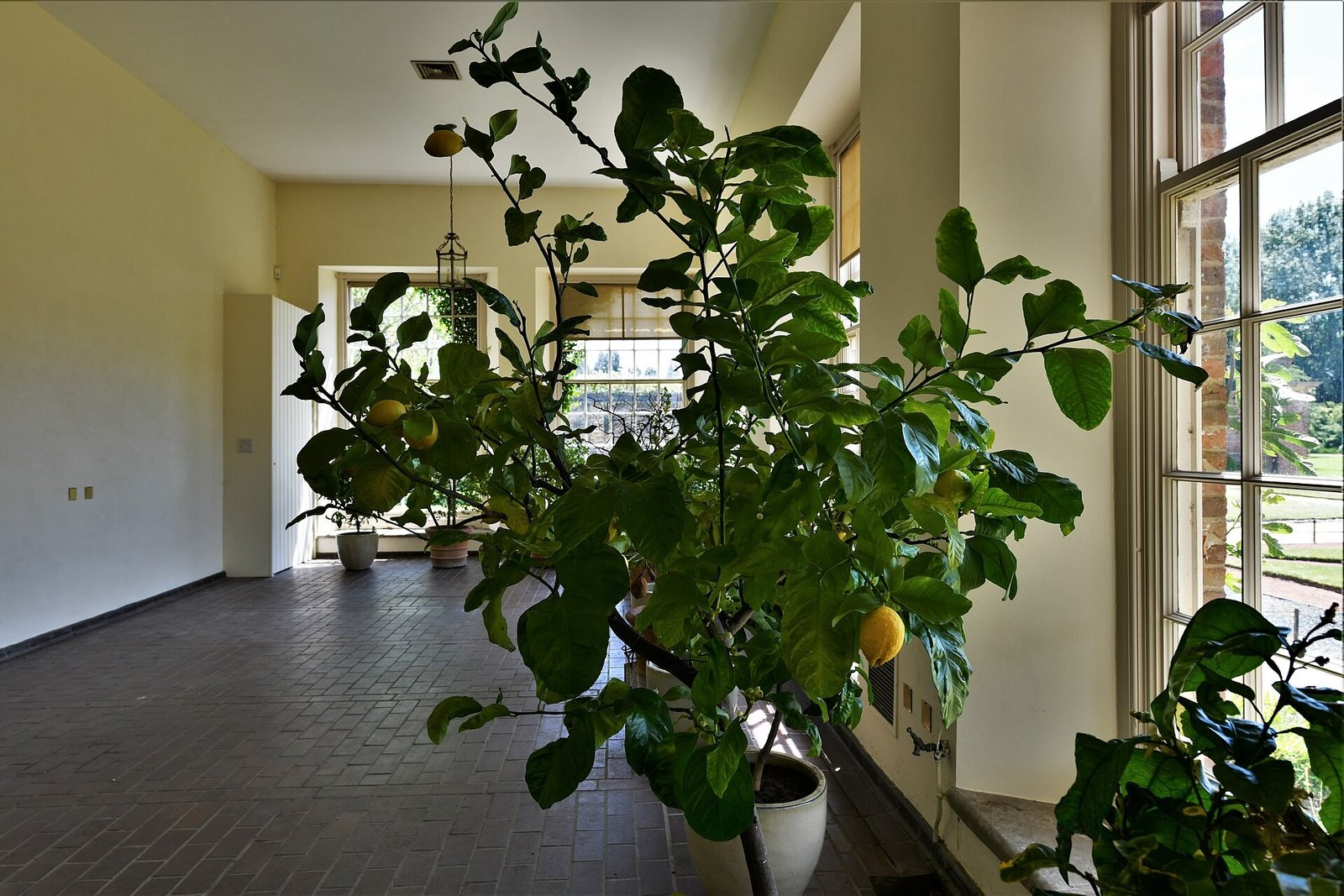
Indoors, honesty matters. A bright south facing window can keep a lemon alive through winter, but in zones 5 to 7, where days are short and grey, window light alone is rarely enough for good fruiting. A simple full-spectrum LED grow light, run for 12 to 14 hours a day, makes a genuine difference.
Pale, stretched growth is a tree asking for more light; deep green, compact growth is what you want. In spring, harden the tree off over a week or ten days before moving it out, or the leaves can scorch.
Step 5: Water Deeply, Then Let the Top Dry
More potted lemons are killed by watering habits than by cold. The pattern is simple: water thoroughly, then wait. Soak the whole root ball until water runs freely from the base, empty the saucer, and do not water again until the top inch or two of mix feels dry to a finger. In hot, windy summer weather that might mean watering every day or two. In a cool room in winter it might mean once a week or less. The soil decides, not the calendar.
Underwatering shows as wilting, curling leaves, and dropped blossom. A good soak usually revives a dry tree within hours. Overwatering is quieter and more dangerous: leaves yellow and fall while the mix is still wet, and roots begin to rot. If you see that pattern, ease off, check the drainage holes, and let the pot dry further.
Rainwater is ideal if you can collect it. Very hard tap water can push the mix alkaline and lock up iron, showing as yellow leaves with green veins. Alternating with rainwater and using a citrus feed usually corrects it over a season.
Step 6: Feed Little and Often Through the Growing Season
Citrus in pots are hungry, because every watering washes a little nutrition out of a limited volume of mix, and fruiting takes a lot out of a tree. From early spring, when new growth starts, through to early autumn, feed regularly with a fertiliser made for citrus. These feeds balance nitrogen with the trace elements citrus often miss, especially magnesium and iron. A liquid feed at the label rate every week or two is easy to control, while slow-release citrus granules in spring and again in midsummer suit growers who know they will forget a liquid routine.
Hold back in winter, when one light feed is plenty for a tree under lights. If leaves pale between veins while veins stay green, think iron or magnesium shortage before disease. Do not overdo nitrogen either: a heavily fed tree makes sappy leaves, little fruit, and a feast for aphids and scale.
Step 7: Help With Pollination, Especially Indoors
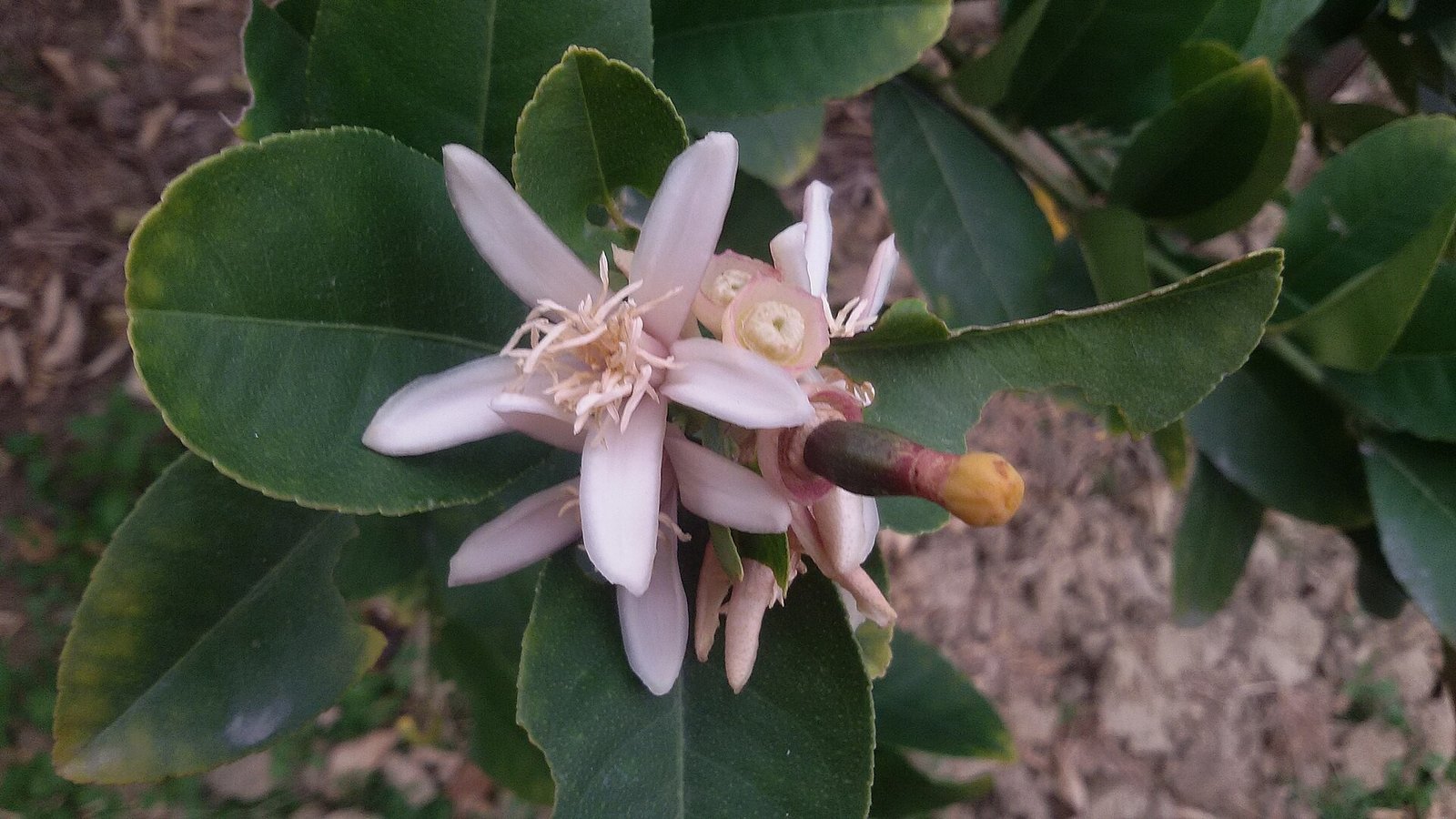
Outdoors, bees do this job for you, moving pollen between the fragrant white flowers. Lemon flowers contain both male and female parts, and most varieties here are self-fertile, so you only need one tree. A garden full of flowers and pollinators will always improve fruit set, but a second lemon is not required.
Indoors there are no bees, and still air moves pollen poorly. Help by hand: touch a small soft paintbrush into each open flower in turn, over several days as new ones open. It takes two minutes and noticeably improves how many fruitlets hold.
Do not panic when the tree drops fruit. A healthy lemon sets far more fruitlets than it can carry and sheds the excess when they are pea to marble sized. What remains is the crop it can ripen. Removing most fruit in the first year or two lets roots and canopy establish, paying you back later.
Step 8: Prune Lightly and Keep the Centre Open
Lemons need far less pruning than apples or pears, and heavy annual cutting costs you fruit, because lemons flower largely on new growth at the outer canopy. Your jobs are simpler: remove dead, damaged, or crossing wood, take out any suckers growing from below the graft union, and keep the centre open enough for light and air. Suckers from trifoliate rootstock are often more vigorous, sometimes with different leaves, and will never give you good lemons, so cut them off cleanly at the base as soon as you spot them.
Do your main tidy-up in late winter or early spring, just before the spring flush, and avoid hard pruning in late autumn before bringing a tree indoors. Pinching the tips of very long shoots in summer keeps a pot tree compact. Wear gloves: even Improved Meyer has thorns, and Lisbon thorns are properly serious. If you are new to shaping fruit trees, a clear guide on how to prune fruit trees will give you the basic cuts and confidence that transfer well to citrus.
Never remove more than about a quarter of the canopy in one go. If a tree has lost leaves to winter stress, let it regrow before judging which wood is dead.
Step 9: Watch for Scale, Spider Mites, and Leaf Miner
Pests find indoor citrus reliably, so inspect little and often, especially leaf undersides and the joints where leaves meet stems. Scale insects look like small brown or grey bumps fixed to stems and leaf midribs. They secrete sticky honeydew, and sooty black mould often follows on leaves below. Wipe small infestations off with a cotton bud dipped in horticultural soap solution, and repeat weekly, because eggs and young crawlers are easy to miss.
Spider mites are the classic winter problem, thriving in warm, dry, centrally heated air. The first sign is fine pale speckling on leaves, then very fine webbing, then leaf fall if numbers build. A strong shower of lukewarm water over the whole canopy, paying attention to leaf undersides, knocks numbers down well. Raising humidity and repeating the shower weekly keeps them in check in most homes. Neem or horticultural oil sprays, used exactly as labelled and never in blazing sun, help with both scale and mites.
Citrus leaf miner is an outdoor summer nuisance: tiny larvae tunnel inside new leaves, leaving silvery trails and curled growth. It looks alarming but rarely harms a mature tree. Pick off the worst leaves and let the tree grow through it. Aphids and mealybugs respond to the same approach: catch them early and wash or wipe them off.
Step 10: Overwinter Indoors Without the Drama
Unless you garden where winters stay reliably mild, plan on bringing a potted lemon in. Outdoors year-round is realistic only in zones 9 to 11 roughly, and even there a rare hard frost can damage an unprotected pot tree, because roots in a container get colder than roots in the ground. Improved Meyer is among the hardier lemons, tolerating a brief dip to around 30°F once mature, but treat that as survival, not comfort. In zones 5 to 7, and in most of zone 8, the tree comes in.
Move it before the first frost, ideally when nights dip into the low 40s Fahrenheit, and make the transition gradual: in for nights only for a week first. Before it comes in, inspect and wash the canopy, check the pot base for slugs, and remove fallen leaves. A clean tree starts winter with far fewer pests.
Indoors, the ideal winter home is bright and cool rather than hot and dim: the sunniest window you have, plus a grow light if needed, at roughly 50 to 65°F. Central heating dries the air, encouraging spider mites. Sit the pot on a pebble tray of water in very dry houses. Some leaf drop after the move is normal and the tree will settle. Keep watering light, away from radiators and draughts, and harden it off gradually again in spring.
Step 11: Be Patient While Fruit Ripens, Then Pick at Full Colour
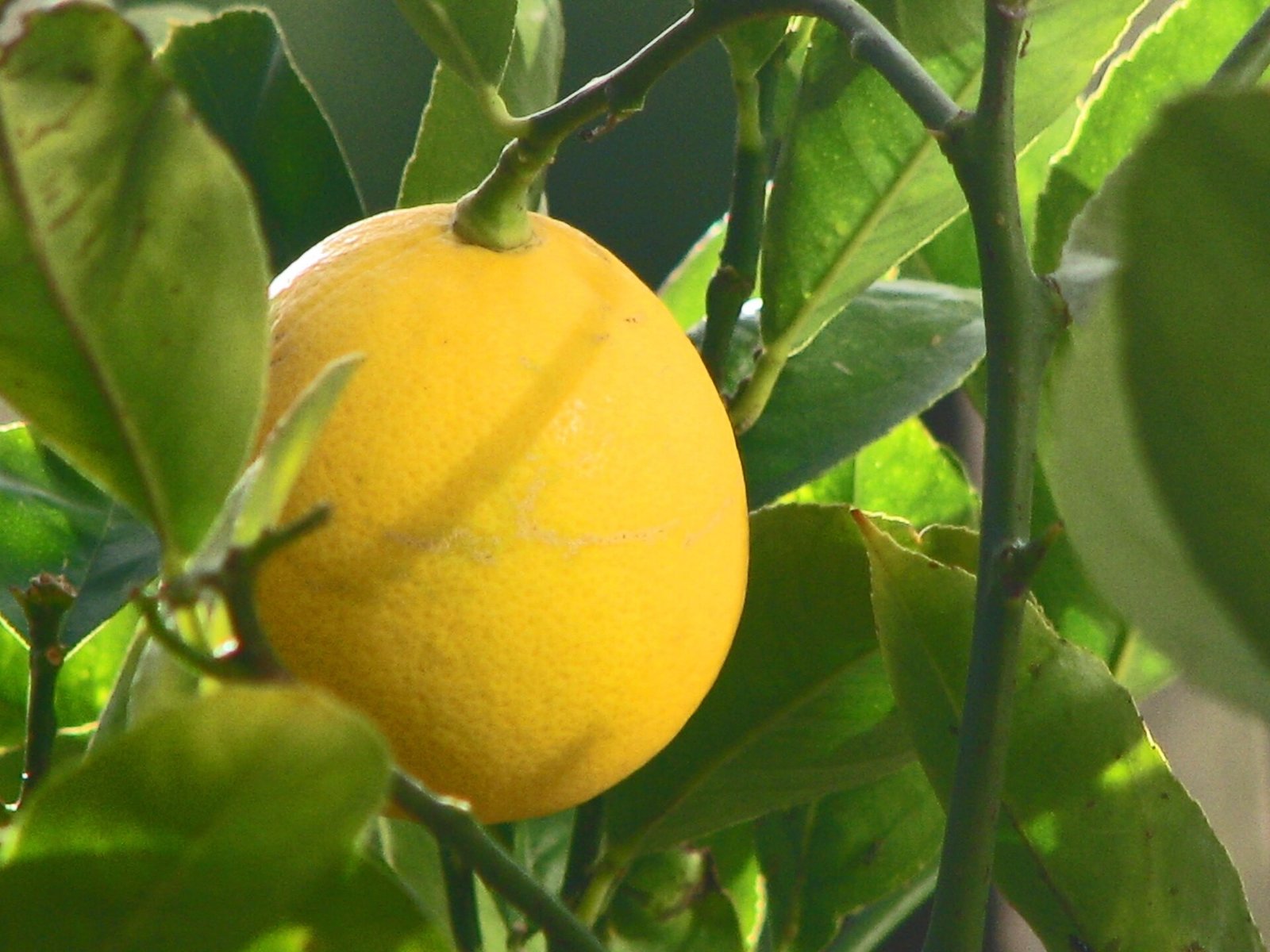
Lemons take their time, and no shortcut changes that. From blossom to ripe fruit is commonly six to nine months, and on a Meyer grown under mixed indoor and outdoor light it can be longer. Fruit sizes up, sits green for what feels like forever, then colours to yellow over a few weeks. Colour is your main guide, along with a slight give when squeezed gently and a fruit that feels heavy for its size. Taste one before stripping the tree. A properly ripe Meyer is aromatic, juicy, and noticeably less harsh than an underripe one.
Fruit does not need picking the moment it colours. Lemons store well on the tree for weeks, one of the great conveniences of growing your own, though they eventually become puffy and overripe. Cut fruit off with secateurs, leaving a short stub of stem. Judge success by flavour and tree health, not crop size in year one.
Practical Tips for Happy Potted Lemons
Keep a simple routine. Each week, check soil moisture with your finger, turn the pot a little, and look under a few leaves for scale or mites. Two minutes prevents most problems.
Plan for weight before the tree gets big. Put larger pots on a wheeled caddy, and measure your widest doorway before the tree outgrows it. People get caught out by this every autumn.
Order winter care light first, then temperature, then humidity. A cool, bright tree will usually make it through winter with some leaf loss. A warm, dark tree will not. Keep rough notes, too: feeding, blossom, and colouring dates tell you what your tree actually does in your home.
Common Mistakes With Lemons in Pots
The biggest mistake is a pot with poor drainage paired with kind, daily watering. Soggy roots, yellow leaves, and slow decline follow, and growers often respond by watering and feeding more, which makes it worse. Check drainage and dry-back first whenever a potted lemon looks unhappy.
The second is too little light indoors, followed by disappointment when blossom drops and no fruit sets. A lemon in a dim hallway is surviving, not cropping. Move it to your brightest spot or add a light before blaming the variety or the feed.
Oversizing the pot too early, burying the graft union, and using garden soil all cause the same wet-root problems, as does leaving the tree out for one frosty night too many. Finally, impatience: picking fruit still green and hard, or hard pruning a leaf-dropped winter tree, works against you.
Frequently Asked Questions
How long does it take for a potted lemon tree to produce fruit?
A grafted tree from a nursery may flower and carry a few fruit in its first year or two, but a useful crop usually comes once the tree has filled a larger pot and built a strong canopy, often in its second or third season. Trees grown from seed take far longer, commonly many years, and may not fruit true to type, which is why grafted named varieties are the sensible buy for pots.
Can a lemon tree stay indoors all year?
Yes, provided the light is genuinely strong. A tree by a large south facing window, supplemented with a grow light for 12 to 14 hours a day in winter, can grow, flower, and fruit indoors year-round. Without that light level, most trees survive but crop poorly. If you can give it a summer holiday outdoors, with gradual hardening off, it will almost always grow more strongly for it.
Why is my potted lemon dropping leaves in winter?
Some leaf drop after moving indoors is normal adjustment to lower light and different humidity. Heavy or continuing drop usually points to low light combined with warm dry air from heating, cold draughts, or roots kept too wet in cool conditions. Improve light first, move the tree away from radiators and draughts, water more sparingly, and wait for spring growth before assuming the worst.
How often should I repot a lemon tree in a pot?
Young, fast-growing trees usually need moving up a pot size every year or so in spring. Mature trees in their final 20 to 24 inch pots can stay two to three years, with the top few inches of mix scraped off and replaced each spring. Roots circling thickly at the drainage holes, water running straight through without wetting the mix, and growth slowing despite good feeding are all signs it is time.
Are Meyer lemons hardy enough to leave outside in winter?
Only in mild climates. Improved Meyer can survive a brief dip to around 30°F, but prolonged cold and frozen mix will damage or kill a container tree. Year-round outdoor life is realistic roughly in zones 9 to 11. Everywhere colder, bring the pot in before frost.
Why are the leaves yellow while the veins stay green?
That pattern, called interveinal chlorosis, usually means the tree cannot take up iron or magnesium, often because the mix has turned alkaline from hard water, or the roots are cold and wet. Check drainage first, then feed with a citrus fertiliser containing chelated iron. New leaves should come through greener.
Final Thoughts
A lemon tree in a pot asks for sun, sharp drainage, steady feeding, and a bright winter home, and in return it gives you years of scent, glossy leaves, and fruit that tastes better for having been picked minutes before use. Start with Improved Meyer if you are unsure, keep the pot size sensible, and learn the water-then-wait rhythm in your first season.
Do not be put off by a little winter leaf drop or a slow first year. These are long-lived, forgiving trees once their basics are met. Set your pot in your sunniest spot, and enjoy your first ripe lemon.