Best Natural Fertilizers for Plants
Gardeners ask about the best natural fertilizers for plants for a good reason: they want to feed their plants well without relying entirely on synthetic products, with materials that improve the soil too. Natural fertilizers work differently from the blue crystals in a packet. They release nutrients slowly, as soil microbes break them down — gentler, steadier feeding with less risk of scorching roots, but less precision, and slower results when a plant is hungry.
Most natural options feed the soil first — the bacteria, fungi, and worms — and plants benefit as that living system does its work. Gardens fed this way often become easier to manage over time: soil holds moisture better, structure improves, and plants cope better with a dry week or a cold snap. None of it happens overnight.
It also helps to be clear-eyed about nutrient numbers. With natural materials, nutrient content is genuinely variable: one batch of manure differs from the next, and compost depends on what went into the pile. Where typical content is mentioned here, treat it as rough orientation, not a recipe to calculate to the gram. That is simply the nature of working with real, once-living materials — and their slow nutrient release makes exact numbers less critical than with soluble feeds.
This guide goes through ten natural fertilizers a home gardener can realistically get hold of — what each provides, which plants it suits, how to use it, and where its limits are. Together, they cover almost everything an ordinary garden needs.
Before You Choose: What Plants Actually Need
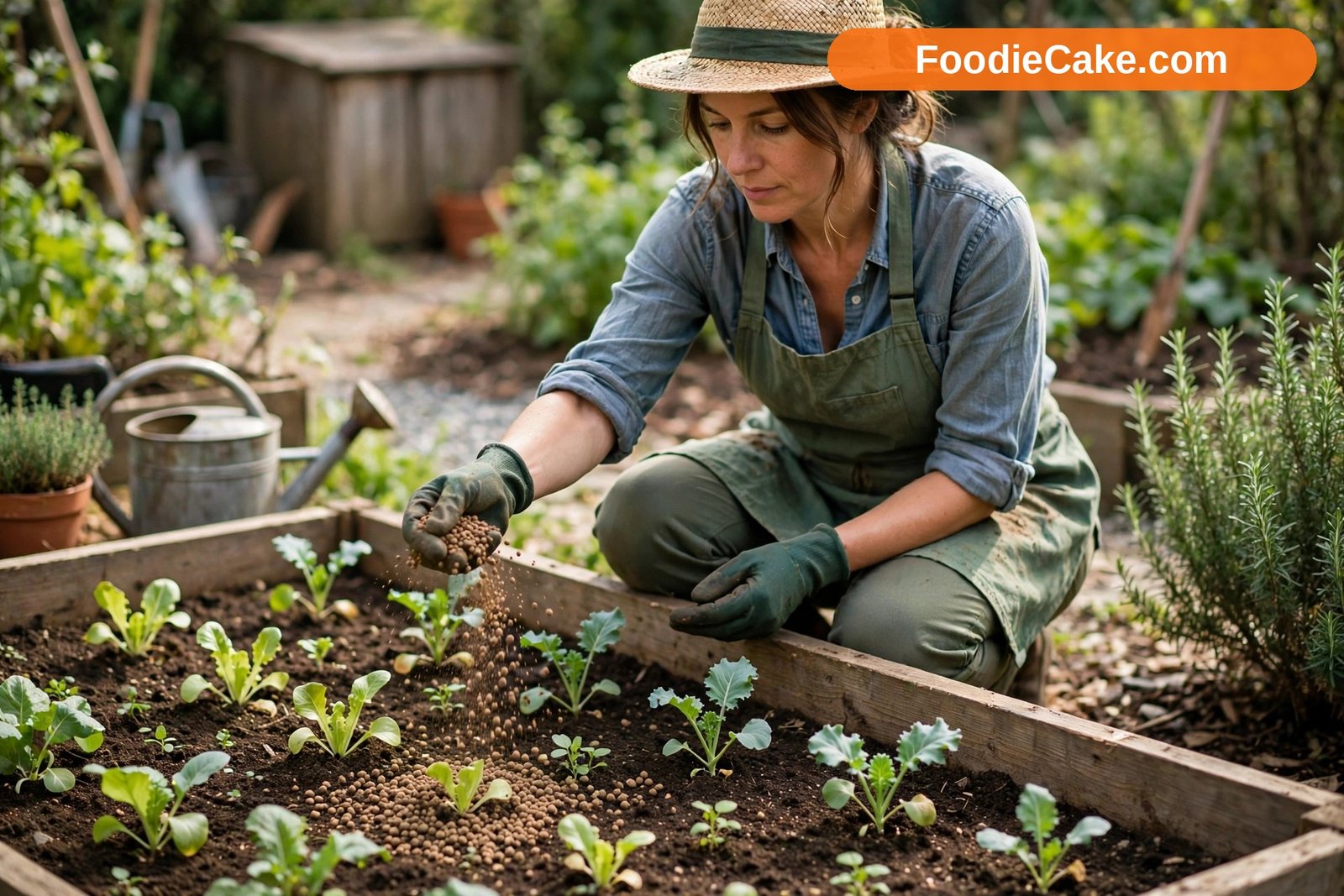
Plants need a range of nutrients, but three get most of the attention. Nitrogen supports leafy, green growth; phosphorus plays a big role in root development, flowering, and fruiting; potassium helps with overall vigour, water regulation, and disease resistance. Labels summarise these three as the NPK ratio. Natural materials rarely supply all three in neat balance, which is why gardeners combine two or three of them instead of searching for one perfect product.
Just as important is knowing whether your plants need feeding at all — soil rich in organic matter may need little beyond a yearly mulch of compost. Pale, slow growth can signal hunger, but it can also signal dry roots, waterlogging, cold soil, or the wrong pH — and feeding a plant whose real problem is drainage will not fix it. An occasional basic soil test is worth more than any single fertilizer, because it shows whether you are short of something specific or simply need more organic matter.
Timing matters too: natural fertilizers work best when soil is warm enough for microbes to be active — spring through early autumn — and material spread on cold winter soil sits there. Little and often beats one heroic application in a panic. Our guide to homemade fertilizer for vegetable plants covers simple homemade recipes that pair well with the materials below.
The Best Natural Fertilizers, One by One
1. Compost
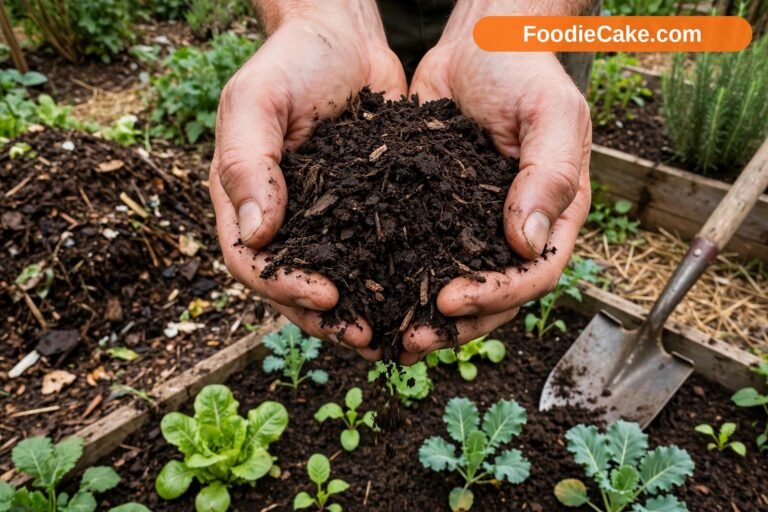
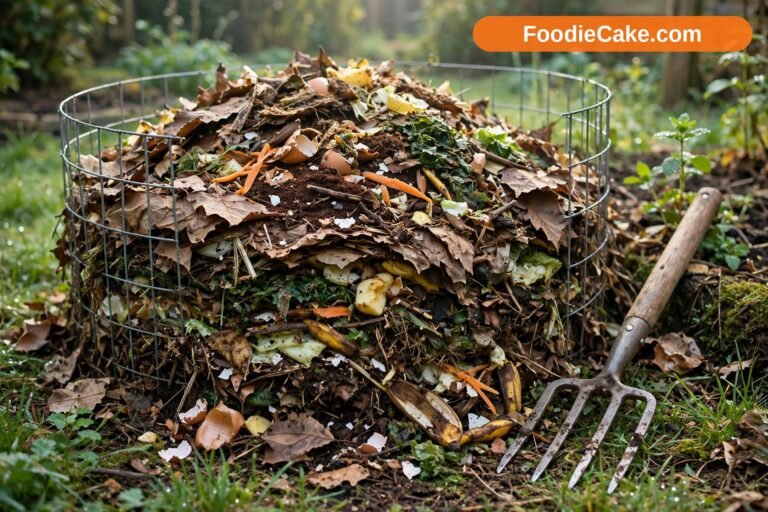
Compost earns first place on almost any honest list, not because it is the strongest fertilizer — it is not — but because it does the most jobs at once. It supplies a modest, broad spread of nutrients, improves soil structure, helps soil hold water, and feeds the microbial life that makes every other fertilizer work better.
Its nutrient content is the most variable of anything here — typically low, often around one percent or less of each major nutrient, depending on what went into the pile. That sounds unimpressive until you remember gardeners apply compost in bucketfuls, not spoonfuls. Use it everywhere: dug into new beds, spread as a mulch, forked into planting holes, or sieved for potting mixes — just make sure it is actually finished, dark, crumbly, and earthy-smelling, before it goes around seedlings.
2. Well-Rotted Manure
Farmyard manure from herbivores — cows, horses, sheep, chickens — has fed gardens for centuries, and remains a practical bulk fertilizer. Like compost, it brings modest nutrients and valuable organic matter together, improving soil as it feeds.
The phrase well-rotted is not optional, though. Fresh manure can scorch plants, smells strong, often contains viable weed seeds, and should never be used fresh near food crops, because of the risk of harmful bacteria reaching produce eaten raw. Properly rotted manure — dark, crumbly, its smell mostly gone — is a much safer material; if offered fresh manure, stack it, cover it, and give it several months before it goes near vegetables. Nutrient content varies, but manure is generally a gentle, balanced feed — chicken manure notably stronger than cow or horse, so use it more sparingly.
3. Worm Castings
Worm castings — the material that passes through composting worms — have a devoted following, and they are a genuinely lovely material: fine, dark, crumbly, mildly earthy-smelling. Their nutrient content is modest, but in forms plants can use readily, and they bring a rich population of beneficial microbes with them.
Their best uses are targeted ones: a handful in a planting hole for seedlings, mixed into potting compost for containers, or as a thin top-dressing for houseplants and prized vegetables. Because castings are made in small quantities or sold at a premium, treat them as a tonic for individual plants, not a bulk soil feed.
4. Bone Meal
Bone meal is made from steamed, ground animal bones, and its role is specific: primarily a source of phosphorus, with a little nitrogen and a good amount of calcium. Phosphorus supports root growth and helps with flowering and fruiting, making it a traditional choice at planting time for bulbs, roses, fruit trees, and flowering shrubs.
It releases nutrients slowly, over months — a plant-it-and-forget-it fertilizer, not a rescue treatment. It works best in soil that is not strongly alkaline, since high pH can lock its phosphorus away. Because it is made from bone, it can attract dogs and foxes, so water it in well. Only use it where phosphorus is actually wanted; soils fed generously for years are often already rich in it.
5. Blood Meal
If bone meal is the slow phosphorus source, blood meal is its near-opposite: a fast-acting source of nitrogen made from dried blood. Among natural fertilizers it is one of the richest in nitrogen, typically well into double figures by percentage, though the exact figure varies. That makes it useful for leafy crops that look pale and hungry — sweetcorn, leafy greens, brassicas — and for a timely lift in the growing season.
The same strength calls for restraint: scatter it lightly, keep it off leaves and stems, and water it in. Too much nitrogen pushes soft, sappy growth that aphids love, often at the expense of flowers and fruit. Use blood meal in modest, occasional doses as a targeted tonic, stored sealed and out of reach of pets.
6. Fish Emulsion
Fish emulsion is a liquid feed made from processed fish, and its great virtue is speed. Applied diluted in water, its nutrients — nitrogen usually the headline, in modest single-figure percentages — are available quickly, making it one of the few natural fertilizers that perks up a hungry plant within a week or two. Containers, potted seedlings, and vegetables in full growth all respond well to regular dilute feeds.
The trade-off is famous: it smells. Keep it away from a patio where you plan to sit that evening; the scent fades quickly once watered in. Follow the label dilution and resist strengthening the mix — half-strength given regularly beats strong given rarely, and avoids leaf scorch. It is a feed, not a soil builder, so pair it with compost and mulch.
7. Seaweed and Kelp
Seaweed has been gathered and spread on coastal fields for generations, and modern kelp meals and liquid extracts carry on the tradition in tidier form. Seaweed is not a big source of nitrogen, phosphorus, or potassium — its potassium is its most useful contribution among the three — but it brings a wide spread of trace elements that support general plant health. Gardeners often describe seaweed-fed plants as coping better with stress, and its long record of use suggests it earns its place.
Liquid seaweed is used as a dilute feed or foliar spray and suits almost everything: vegetables, fruit, roses, lawns, houseplants. Dried kelp meal works more slowly, forked into soil or planting holes. Because its nutrients are modest, treat seaweed as a supporting player — a general tonic — not the backbone of a feeding programme.
8. Wood Ash
Wood ash from a stove or bonfire is either valued or wasted, depending on whether the gardener knows what it does. Ash from untreated wood contains useful potassium, a good amount of calcium, and trace elements — but no nitrogen, which is lost during burning. It also has a liming effect, raising soil pH.
Sprinkled thinly and raked in, it suits fruit trees and bushes, root vegetables, and most ornamental beds. The pH effect makes it useful on acidic soil — and a poor choice where soil is already alkaline, or around acid-lovers such as blueberries and rhododendrons. Keep it away from potatoes too, since alkaline conditions favour scab. Use it sparingly, only from untreated, unpainted wood, and never alongside a nitrogen fertilizer, since the combination can drive nitrogen off as gas.
9. Coffee Grounds
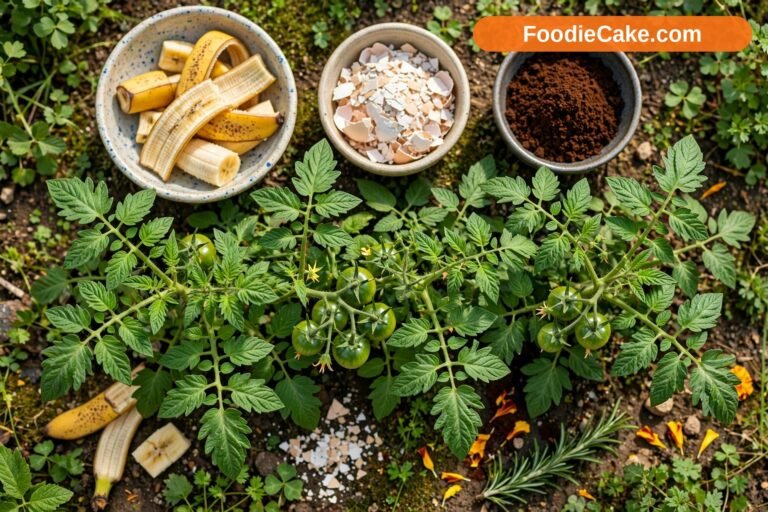
Coffee grounds are the natural fertilizer most likely to already be in your kitchen, and they attract more myths than most. Used grounds are mildly nitrogenous, roughly comparable to a gentle green compost ingredient. Despite their reputation, they are close to neutral in pH — most of the acid leaves in the cup — so they will not meaningfully acidify soil.
Their best use is as an ingredient rather than a headline act: added to a compost pile, grounds count as a green; sprinkled thinly on soil under mulch, they break down without issue. What does not work is tipping a thick layer onto beds or into pots: wet grounds compact into a crust that sheds water, and heavy doses can harm seedlings — caffeine residues can slow very young plants.
10. Eggshells
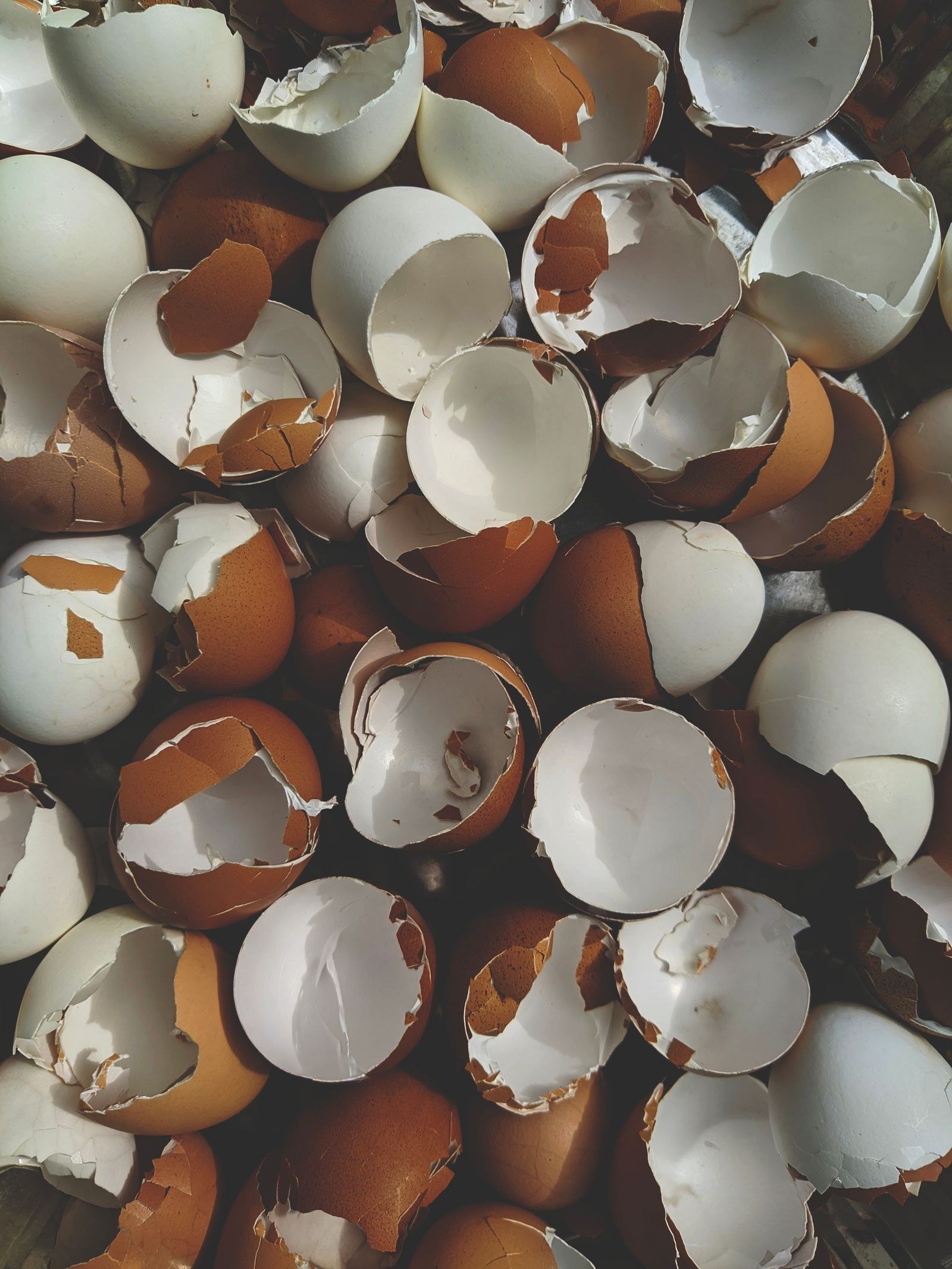
Eggshells are mostly calcium carbonate, and their honest role is as a very slow source of calcium. The key word is slow: a roughly broken shell can sit in soil for a long time before giving up much of anything. That is why the advice to toss shells into tomato planting holes against blossom end rot deserves a sceptical look — that problem is usually caused by irregular watering interrupting calcium transport within the plant, not by a lack of calcium in the soil.
Eggshells become more useful when you help them along. Rinsed, dried, and ground to a fine powder, they present far more surface area and break down faster, in soil or in the compost pile. Think of them as a long-term soil conditioner, not a fertilizer to rely on this season: they cost nothing and reduce waste — just do not expect them to rescue a suffering plant.
How to Combine Natural Fertilizers Sensibly
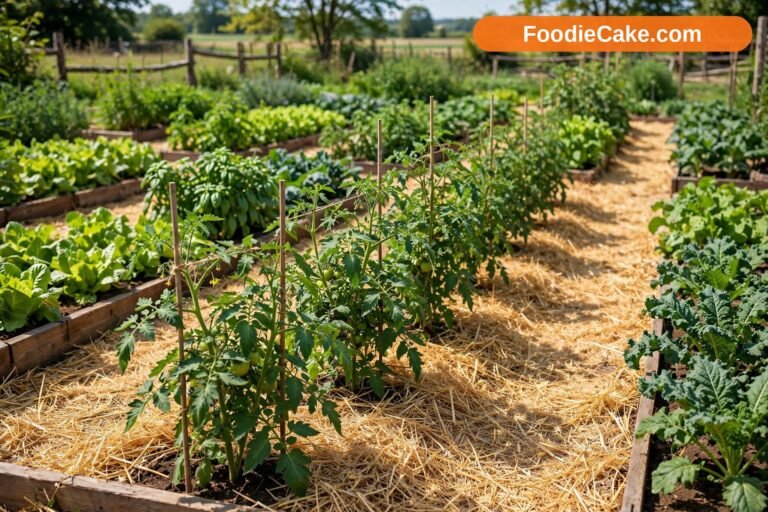
No single item on this list does everything, and gardens that thrive on natural feeding almost always use a small combination. A reliable pattern for a vegetable garden: compost or well-rotted manure as the base, spread generously once a year; a nitrogen source such as blood meal, or regular fish emulsion, for hungry leafy crops; bone meal at planting time; and seaweed as an all-purpose tonic every few weeks.
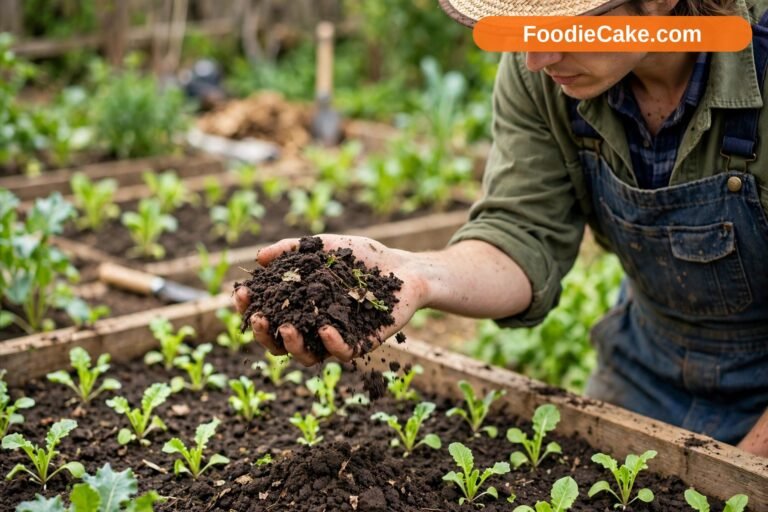
That pattern sits at the centre of any serious attempt to improve your garden soil naturally, because it treats feeding and soil-building as the same job. Start with one or two materials you can get easily and cheaply, learn how your plants respond, and add others only when you can see a gap. A few simple notes — which beds got manure, which crops got a liquid feed — will teach you what your own soil needs.
Practical Tips for Using Natural Fertilizers
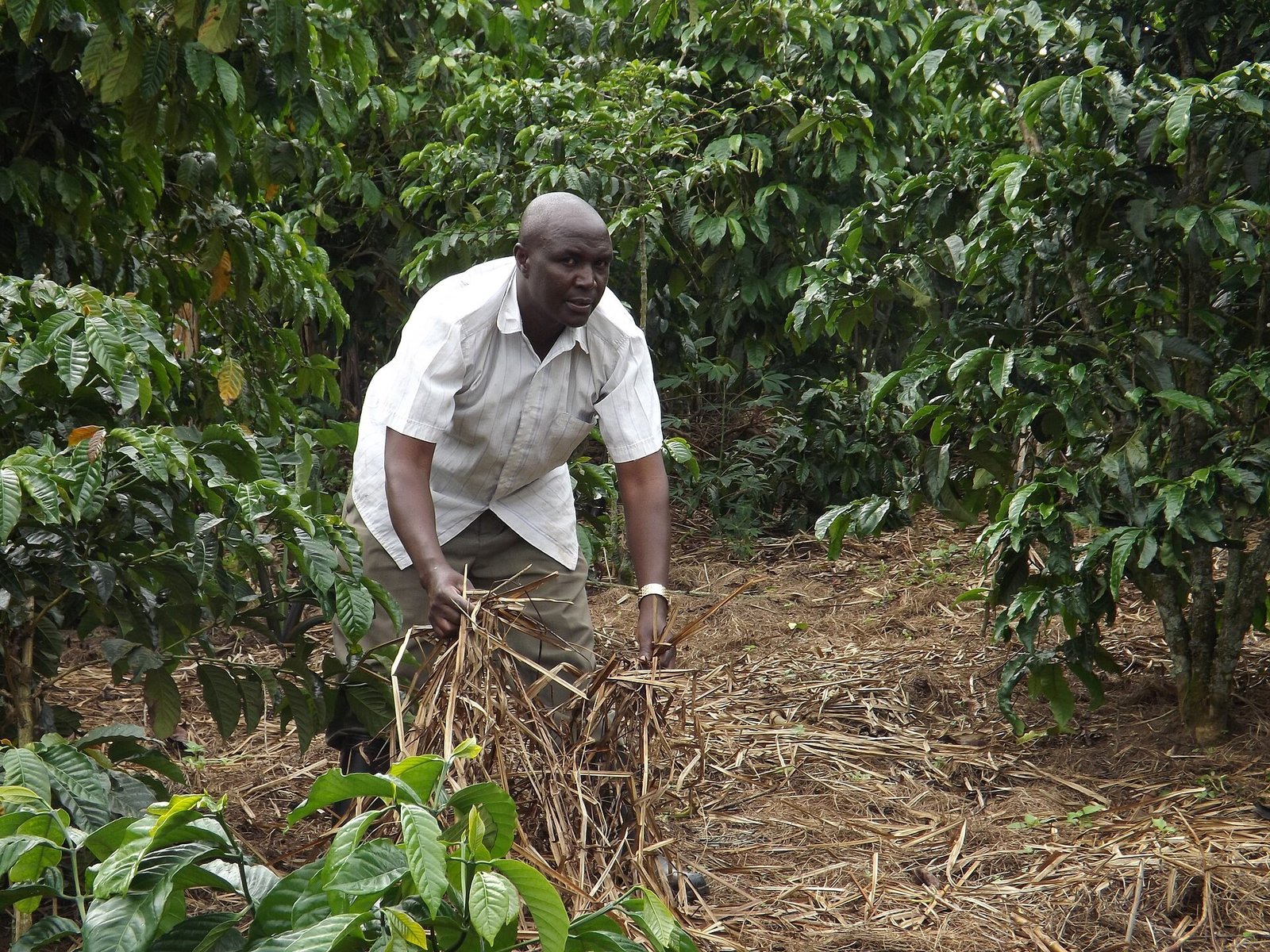
Apply dry fertilizers to moist soil and water them in, or time an application just before gentle rain: nutrients only reach roots in solution. Avoid spreading anything just before heavy forecast rain, which can wash nutrients away first.
Be patient, and judge over weeks rather than days. Natural fertilizers release nutrients as microbes work. A response that takes a fortnight in June might take a month in a cold April.
Watch the plants, not just the calendar. Deep green, steady growth usually means feeding is about right; very dark, lush, floppy growth with few flowers suggests too much nitrogen; pale leaves and slow growth on a watered, otherwise healthy plant are your cue to feed.
Common Mistakes and Problems to Avoid
Using fresh manure on food crops. This one has a genuine safety angle. Fresh manure can scorch plants, spread weed seeds, and carry bacteria you do not want on food eaten raw. Always use manure properly composted or rotted down, keep a sensible interval between application and harvest, and wash all produce before eating.
Expecting instant results. Gardeners raised on soluble feeds sometimes declare natural fertilizers useless after ten days. They are slower by design. Give a feeding programme a full season before judging it — much of the benefit is cumulative, showing up in steadier plants and easier soil.
Overdoing nitrogen. It is easy to keep adding the feed that makes things grow visibly, and end up with huge, soft, leafy plants, few flowers or fruit, and a crowd of aphids. If growth is lush but harvests are poor, nitrogen is the first suspect. Ease off the blood meal and liquid feeds.
Ignoring pH. Wood ash on already alkaline soil, bone meal expected to work in strongly alkaline conditions, acid-lovers given liming materials — pH quietly decides whether many natural fertilizers can work at all. If plants persistently fail to respond to feeding, test the soil before buying anything else. The problem is often availability, not absence.
Believing the miracle claim. Any product promising dramatic, guaranteed transformations deserves the scepticism you would give a stranger selling miracle cures at a market. Natural fertilizers are useful, practical tools, not magic — the gardeners who get the most from them use them steadily, alongside good soil care.
Frequently Asked Questions
What is the best all-round natural fertilizer?
Compost is the closest thing to an all-rounder: it adds modest nutrients, improves soil structure and water retention, and feeds soil life. Its nutrient levels are low, so hungry crops may still want a supplement such as fish emulsion or blood meal — but nothing else covers as many bases.
Are natural fertilizers as effective as synthetic ones?
They work differently rather than simply better or worse. Synthetic feeds deliver precise, immediately available nutrients and are better for correcting a known deficiency quickly. Natural fertilizers release nutrients slowly, are harder to over-apply, and improve the soil as they feed.
How often should I apply natural fertilizers?
For most gardens, bulk materials like compost and well-rotted manure go on once a year, in autumn or spring. Slow dry feeds such as bone meal are applied at planting time or once a season. Liquids like fish emulsion and seaweed are the exception, used diluted every one to three weeks during active growth.
Can I use natural fertilizers on houseplants and containers?
Yes — containers often benefit most, because their limited compost runs out of nutrients quickly. Worm castings make an excellent top-dressing, and dilute fish or seaweed feeds suit most houseplants in their growing season. Go gently — indoor plants in low light need far less feed than an outdoor tomato.
Is it safe to use manure on vegetables?
Yes, provided it is well-rotted or properly composted first, which removes the scorch risk and reduces bacterial concern. Never use fresh manure on or near food crops, keep a sensible gap between application and harvest, and wash all produce before eating.
Final Thoughts
The best natural fertilizers for plants are rarely exotic or expensive. They are compost from your own heap, manure given time to rot down properly, a bottle of fish or seaweed feed for the season, and a handful of honest extras — bone meal, wood ash, crushed eggshells — used where each one actually fits. Their nutrient content will always be approximate, and their pace set by the weather and the life in your soil. That is fine. Steadiness, not speed, is what they offer.
Start simple. Build the compost habit, feed hungry plants little and often, and let a season teach you what your soil is short of. Gardens improve the way compost heaps do: gradually — and then one day you notice the beds are darker, the plants steadier, and you are buying in less and less. That is natural feeding doing its quiet, cumulative work.