
Best Flowers That Bloom All Summer
There is a particular kind of disappointment every gardener knows: you plant a border in spring, it looks glorious for three weeks in June, and then it quietly gives up just as summer properly begins. The good news is that it does not have to be that way. If you choose flowers that bloom all summer rather than flowers that peak and fade, you can have colour from early summer right through to the first frosts, with very little drama in between. The secret is not one miracle plant. It is a mix of tireless annuals that flower until cold weather stops them, and sturdy perennials that either bloom for months or return for a strong second show when you cut them back.
What makes a flower earn a place on this list is staying power. Some plants bloom for a long season because that is simply how they grow, producing new buds week after week. Others need a little help from you, mainly regular deadheading, so the plant puts its energy into more flowers instead of seeds. A few need the right spot more than anything else, which for almost everything here means sun, and plenty of it. Give most of these plants six or more hours of direct sun a day, soil that drains freely, and a drink during long dry spells, and they will repay you far beyond the effort involved.
If you are new to flower gardening, several of these overlap happily with easy flowers to grow for beginners, so you do not need experience to get a border that lasts. Pick three or four to start, plant them in generous groups, and you will be surprised how full the garden still looks in late August.
The short answer: For the longest colour with the least fuss, plant zinnias, marigolds and cosmos as annuals, and coneflowers, coreopsis and black-eyed Susan as perennials. Add lavender for scent and salvia for a second flush after cutting back. All of them need at least six hours of sun, free-draining soil, and regular deadheading through the season.
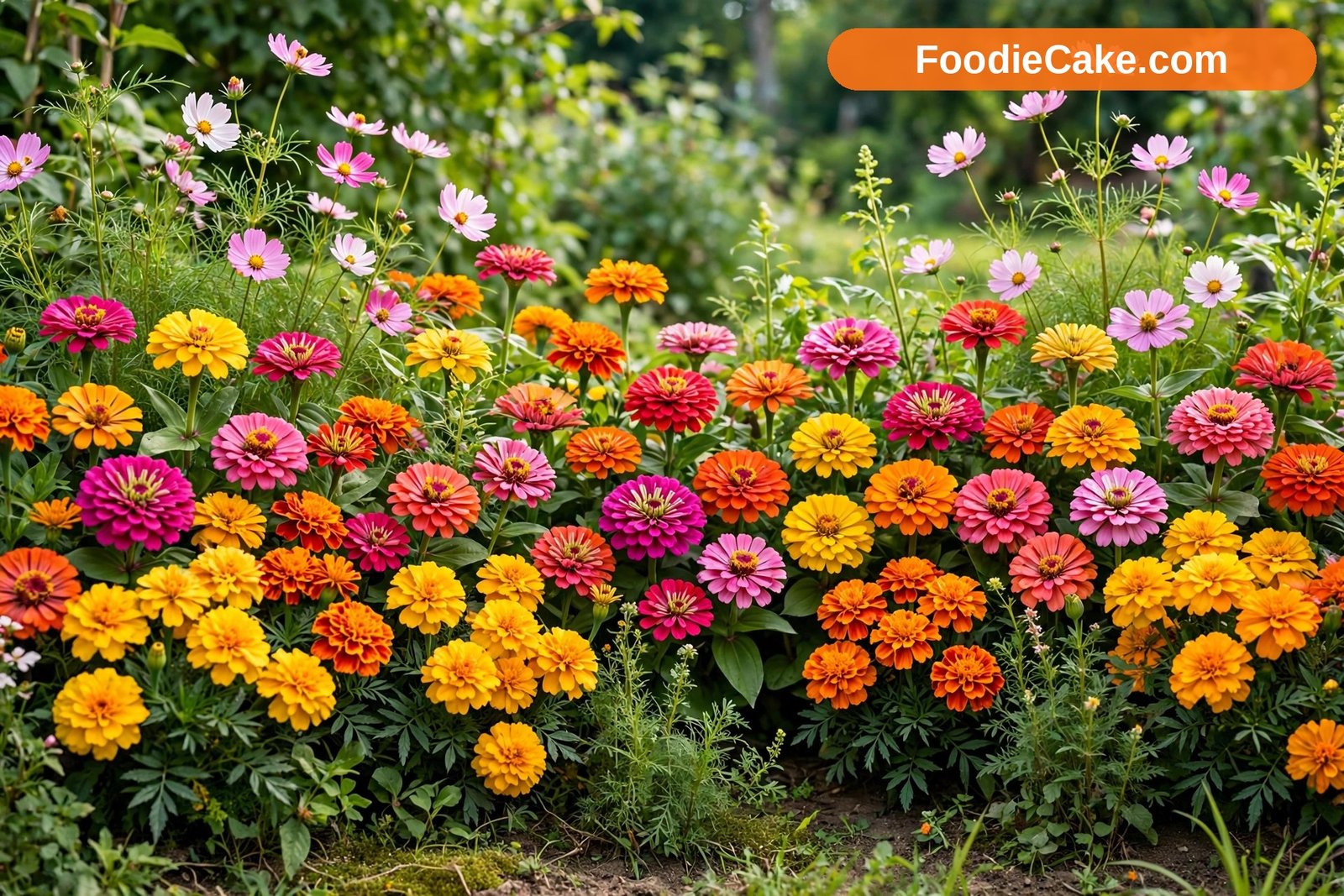
The Ten Flowers at a Glance
Before the detail, here is the whole list in one place, so you can see at a glance which plants are annuals, which come back, and how long each one realistically flowers. No single flower does everything. Annuals tend to bloom the longest in one season but need replanting each year. Perennials ask for patience in their first year and then reward you by returning, often getting better as the clumps mature. The happiest summer borders use both: the annuals as your non-stop colour, and the perennials as the backbone that holds the bed together and comes back next spring without you lifting a finger.
| Flower | Annual or perennial | Main flowering season | Hardiness (USDA zones) | Best for |
|---|---|---|---|---|
| Zinnia | Annual | Early summer to frost | Grown as annual everywhere | Cutting, bold colour |
| Marigold | Annual | Late spring to frost | Grown as annual almost everywhere | Edging, pots, vegetable beds |
| Cosmos | Annual | Midsummer to frost | Grown as annual; self-seeds in mild spots | Airy height, bees |
| Black-eyed Susan | Perennial | Midsummer to autumn | 3 to 9 | Late-season gold, birds |
| Coneflower | Perennial | Early or midsummer to early autumn | 3 to 8 or 9 | Drought-tough borders, pollinators |
| Petunia | Tender perennial, grown as annual | Late spring to frost | 10 to 11 to overwinter | Baskets, pots, edges |
| Geranium (pelargonium and hardy types) | Tender perennial / hardy perennial | Late spring to frost; early summer to autumn | 9 to 11 (pelargonium); 3 to 8 (hardy) | Pots, front of borders |
| Lavender | Perennial subshrub | Early to midsummer, sometimes a second flush | 5 to 9 (English types) | Scent, bees, drying |
| Coreopsis | Perennial | Early summer to autumn | 4 to 9 | Long sunny colour, low fuss |
| Salvia | Perennial / annual types | Early summer, then again after cutting back | Varies; farinacea types 8 to 10 | Upright spikes, hummingbirds and bees |
If you are still deciding where the sun actually falls in your garden, it is worth checking your chosen bed against a guide to best plants for full sun gardens before you commit, so you are matching plants to the light you actually have rather than the light you hope you have. Six hours of direct sun is the honest minimum for most of this list, and eight is better for zinnias, lavender and cosmos.
Annuals That Flower Until Frost
Annuals are the workhorses of the all-summer border. They live fast, flower hard, and are finished by the first frost, which is exactly why they can afford to bloom without stopping. You sow or plant them in spring, and from early summer onwards they keep producing fresh flowers as long as you keep removing the faded ones. They are also the cheapest way to fill a new bed in its first year, when the perennials are still small and gappy.
Zinnias: The Hardest-Working Annual in the Bed
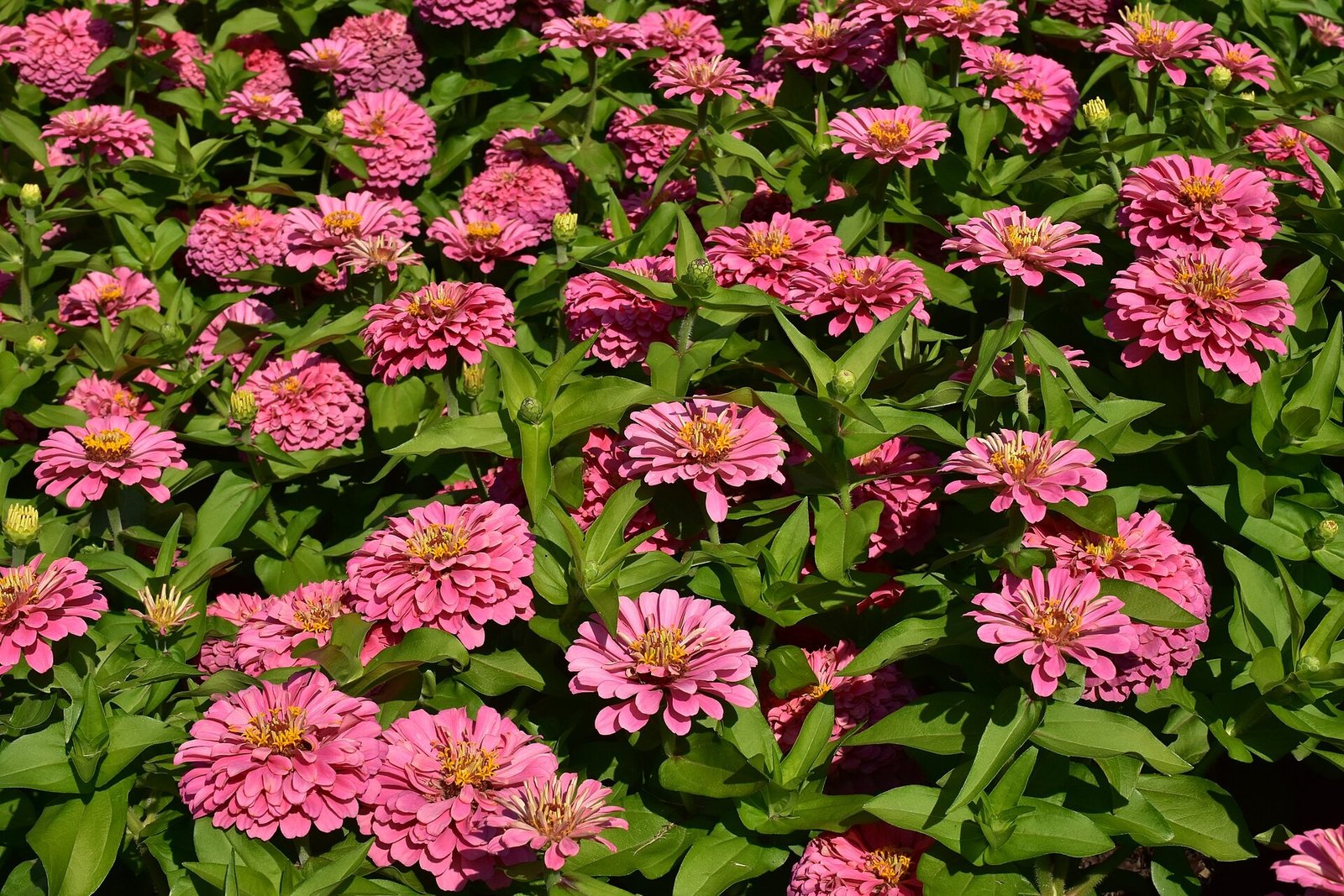
Zinnias are, for many gardeners, the first flower that comes to mind when someone asks for colour that never quits. They start blooming once the weather is properly warm, usually in early to midsummer depending on when you sowed them, and they keep producing fresh flowers until frost blackens the foliage. The more you pick, the more they branch and bloom, which makes them brilliant if you like bringing a small jug of flowers indoors. Colours range from soft pastels to hot pinks, oranges, reds and cheerful yellows, and the flower forms range from neat single blooms that pollinators love to full, dahlia-like doubles.
Zinnias are true annuals everywhere, grown fresh from seed each year, and they are wonderfully easy from seed sown directly where they are to flower once the soil has warmed. They need full sun, at least six hours and ideally more, and they dislike being crowded in damp, still air, which can encourage powdery mildew later in the season. Space them as the packet suggests, water at the base rather than over the leaves when you can, and deadhead or cut regularly. For compact bedding, look for the Profusion and Zahara series, which are bred for disease resistance and tidy growth. For cutting and taller borders, Benary’s Giant and State Fair are long-standing favourites, while Oklahoma and Queen Lime types offer softer, more unusual colours.
Marigolds: Cheerful, Tough, and Almost Impossible to Kill
Marigolds have a reputation as a beginner’s flower, and they have earned it honestly. French marigolds stay compact and bushy, African (sometimes called American) marigolds grow taller with big pompom blooms, and both types flower from late spring or early summer until frost in most gardens. Their bloom habit is relentless as long as you keep removing the faded heads. Leave spent flowers on the plant and it will slow down to make seed, so a quick pinch every few days really does make a visible difference within a week or so.
Marigolds are annuals in all but the very mildest climates, and they are usually bought as young plants in spring or sown indoors a few weeks before the last frost. They want full sun and will tolerate poorer soil than many flowers, though they bloom best in soil that is not overly rich or soggy. Deadheading is the main job, along with watching for slugs on young plants. Bonanza and Durango are reliable French types for edging and pots, while Crackerjack and other tall African types are better at the back of a border or dotted through a vegetable patch. Many gardeners plant marigolds near vegetables out of tradition and because they simply look right there, and the strong scent of the foliage is part of their charm, even if not everyone loves it.
Cosmos: Airy, Generous, and Loved by Bees
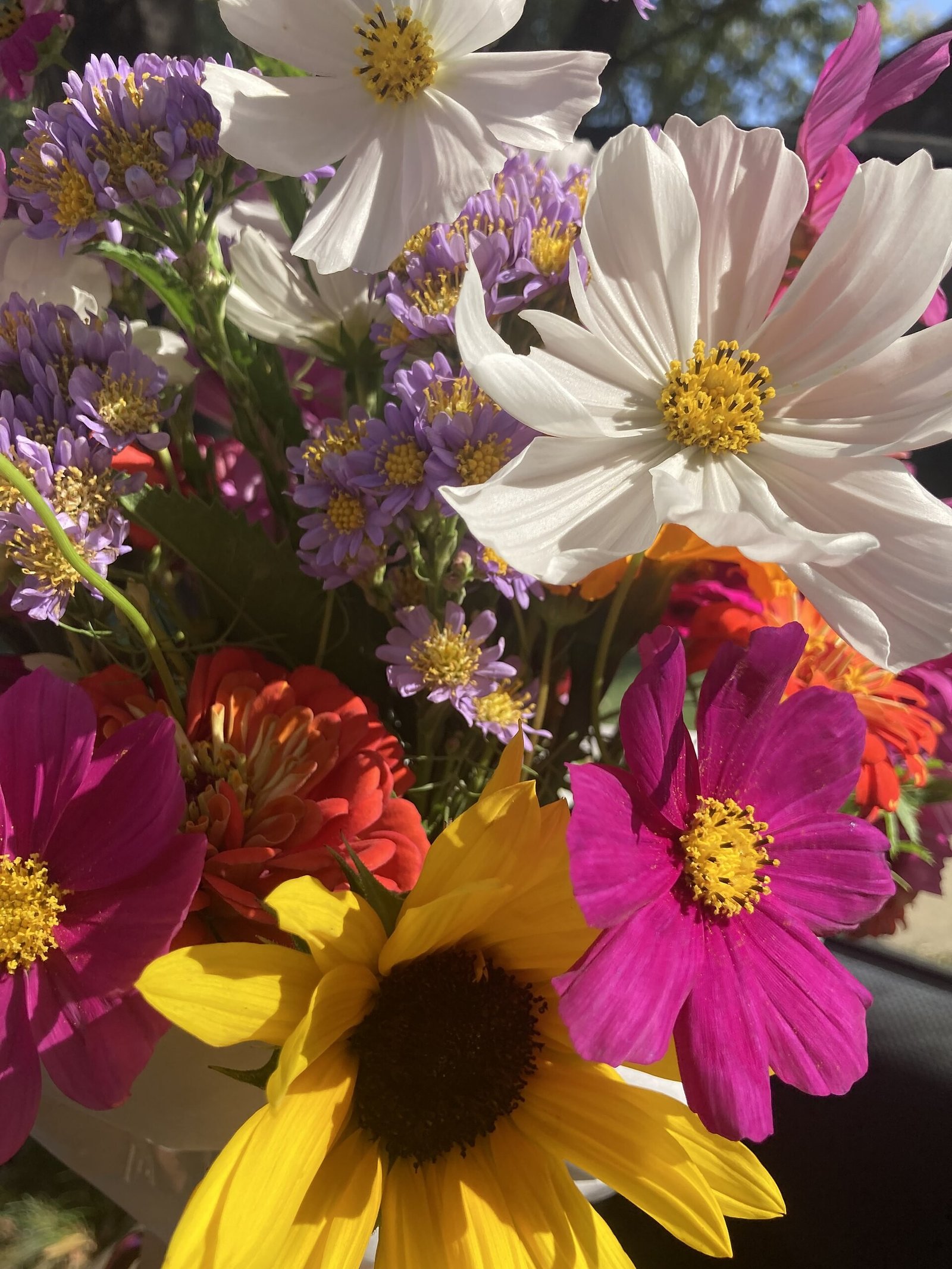
Cosmos bring something the other flowers on this list mostly do not: lightness. Their ferny foliage and simple, open flowers on long stems move in the breeze and soften any planting that is starting to look a bit solid and blob-like. Cosmos bipinnatus, the tall garden cosmos in pinks, whites and magenta, will bloom from midsummer until frost if you deadhead it, and it often self-seeds gently so a few plants reappear the following year in mild, free-draining spots. The sulphur cosmos types, in yellow and orange, are shorter, love heat even more, and are a common sight in warm-climate gardens.
Cosmos are annuals, and the golden rule is not to be too kind to them. Rich soil and lots of feeding produce tall, leafy plants with disappointing numbers of flowers, so an ordinary, well-drained spot in full sun is perfect. Sow directly outdoors after frost, or start them in pots and plant out once the nights are mild. Deadhead regularly for the longest display, or cut flowers for the house, which does the same job. Sensation Mixed is the classic tall choice, Sonata suits smaller gardens and containers, and the Cupcakes and Double Click types have ruffled, fuller petals if you want something a little different for cutting.
Petunias: Trailing Colour for Pots, Baskets, and Edges
If you have a sunny patio, a hanging basket, or a window box that needs to look good all season, petunias are hard to beat. Modern petunias bloom from planting time in late spring right through to frost, covering themselves in trumpet-shaped flowers in almost every colour except true blue. Their habit depends on the type. Grandiflora types have the biggest individual flowers but can sulk in wet weather, multifloras are a bit tougher, and the trailing and spreading types, including the well-known Wave and Supertunia lines, will spill over the edges of containers and even work as seasonal ground cover in a sunny bed.
Petunias are tender perennials botanically, but in practice they are grown as annuals almost everywhere except in frost-free climates, roughly USDA zones 10 and 11, where they can overwinter. In zones 5 to 7, and indeed anywhere with a real winter, treat them as a one-season plant and enjoy them without guilt. They need full sun to flower well, regular watering in containers, and more feeding than most bedding plants because all that flowering in a small volume of compost is hungry work. A liquid feed every week or two, plus a tidy-up and light trim if plants get leggy in midsummer, usually brings on a fresh flush. Deadheading matters more for older varieties; many modern trailing types are bred to drop their spent flowers cleanly, though a quick pinch still helps.
Perennials That Return and Keep Flowering
Perennials play a different game from annuals. They do not flower quite as relentlessly in year one, and a new plant can look almost embarrassingly small in its first summer. What they give you instead is a plant that comes back, gets bigger, and flowers for months once it is settled, year after year, with no replanting and no seed sowing. If annuals are the colour you buy each spring, perennials are the colour you invest in. The trick is to give them a season to settle before judging them, and to fill the gaps around them with annuals while you wait.
Black-Eyed Susan: Golden Daisies That Come Back Every Year
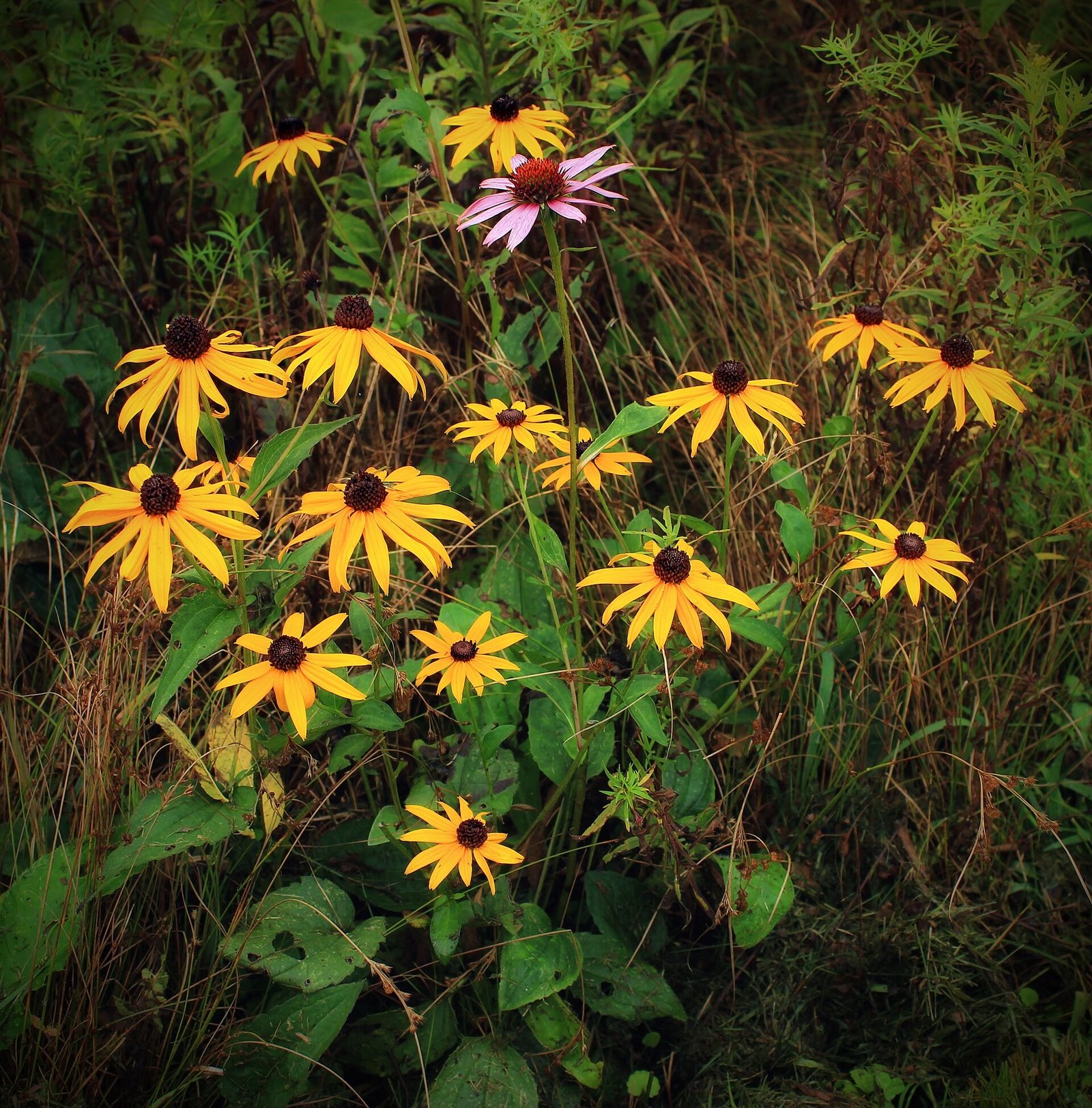
Black-eyed Susan, usually Rudbeckia fulgida and its well-known cultivar ‘Goldsturm’, is where the perennials start to shine. The golden-yellow daisies with dark centres appear in midsummer and can carry on well into autumn, giving you that late-season warmth just when earlier flowers are tiring. The bloom habit is different from an annual’s. Instead of a constant trickle, you get a long, strong flush that lasts for weeks, and the seed heads that follow look good in their own right and are visited by small birds. Plants form spreading clumps that get better over two or three years.
This is a hardy perennial in roughly USDA zones 3 to 9, so it is a plant-it-and-keep-it choice for most temperate gardens. It needs full sun for the best flowering, though it will cope with a little light shade at the cost of fewer blooms. Deadheading is optional. Removing spent flowers can tidy the plant and may encourage a few more blooms, but many gardeners leave the seed heads standing for winter interest and wildlife. There are also annual and short-lived rudbeckias, such as the larger-flowered Rudbeckia hirta types sold for bedding, so check the label if you specifically want the perennial kind. ‘Goldsturm’ remains the safest bet for reliability, while ‘Little Goldstar’ is a more compact option for smaller beds and the front of a border.
Coneflowers (Echinacea): Bold, Drought-Tolerant, and Great for Pollinators
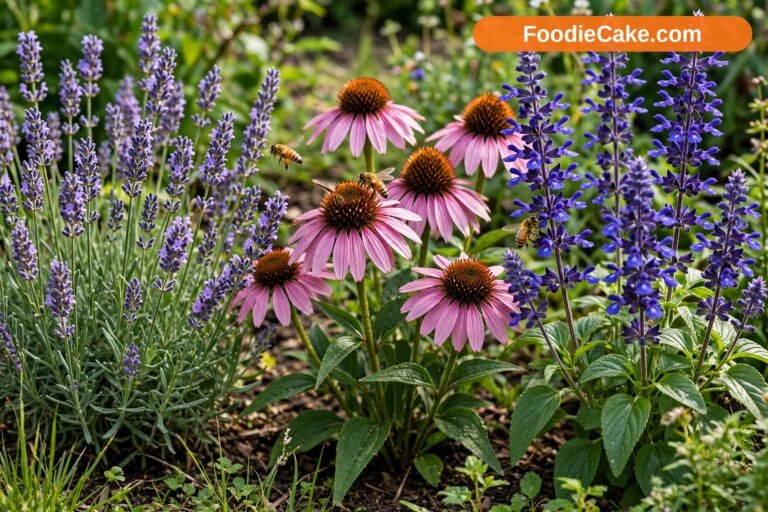
Coneflowers have become a backbone plant in sunny perennial borders, and for good reason. The classic purple coneflower, Echinacea purpurea, blooms from early or midsummer into early autumn, with large daisy flowers held on stiff stems that rarely need staking. Bees and butterflies visit constantly while the flowers are open, and if you leave the cones standing after the petals fall, finches and other small birds may pick at the seeds. Once established, plants are notably tolerant of heat and dry spells, which makes them a sensible choice for a sunny bed you cannot water every day.
Coneflowers are perennials, generally hardy in about USDA zones 3 to 8 or 9 depending on the variety, with newer hybrids sometimes a little less long-lived than the straight species. Full sun is best, along with soil that drains well in winter, since cold, wet soil bothers them more than cold air does. Deadheading can prolong flowering a little, but it is a trade-off with the seed heads, so many gardeners deadhead early in the season and leave the later flowers to stand. The Magnus type is a strong, classic purple, White Swan offers a clean white form, and the Sombrero and PowWow series bring brighter reds, oranges and yellows in more compact plants. Whatever you choose, give young plants a season to settle before judging them. Echinacea is famous for looking modest in year one and generous from year two onwards.
Coreopsis: Sunshine on a Stem, for Months
Coreopsis, often called tickseed, is one of those quietly excellent perennials that flower for an exceptionally long stretch, commonly from early summer well into autumn. The flowers are mostly in warm shades of yellow, gold and orange, with newer varieties adding reds, pinks and bicolours, all held above neat mounds or airy clumps of foliage. Threadleaf types such as Coreopsis verticillata have fine, feathery leaves and a cloud of small blooms, while the larger-flowered grandiflora types make more of a statement in a smaller space. Bees visit them freely, and the plants ask for very little once settled.
Most coreopsis are perennials in roughly USDA zones 4 to 9, though some of the brightest modern hybrids are less long-lived and may behave as short-lived perennials, especially in wet winter soil. There are also annual coreopsis types grown from seed for wildflower-style planting. Full sun and good drainage are the essentials, and deadheading is genuinely worthwhile here: snipping off faded flowers, or shearing the whole plant lightly in midsummer, can keep new buds coming for weeks longer. ‘Zagreb’ is a tough, compact threadleaf variety, ‘Moonbeam’ is a paler, softer yellow, and the Uptick and Big Bang series offer bold colours on tidy plants. Divide clumps every few years in spring if they start to fade, and you will keep them vigorous.
Salvia: Spikes of Blue, Purple, and Red That Keep Coming Back for More
Salvia is a huge family, but the summer border stars fall into two handy groups. The hardy perennial salvias, such as Salvia nemorosa types, produce dense spikes of violet, blue, pink or white flowers in early summer, and if you cut the whole plant back after that first display, most will flower again later in the season. ‘Caradonna’, with its dark stems and rich violet blooms, and ‘May Night’ (also sold as ‘Mainacht’) are long-standing favourites for this cut-and-come-again habit. The second group, including the scarlet Salvia splendens of bedding schemes and the mealycup sage Salvia farinacea with its blue-grey spikes, are tender and grown as annuals in cold climates, flowering tirelessly until frost. In warmer areas, roughly USDA zones 8 to 10 for farinacea types, they may persist as perennials.
All of these salvias want full sun and free-draining soil, and they cope with heat and moderate dryness once established. Deadheading is the key job: for perennial types, cut spent spikes right back to a pair of leaves or to the base foliage rather than just nipping the tip, because that stronger cut is what triggers a proper second flush. Annual types simply need faded spikes removed regularly. Hummingbirds, where they live, and bees everywhere are devoted to salvia flowers, which is reason enough to plant them, but the long season and the way the upright spikes contrast with daisy-shaped flowers is what makes them so useful in a mixed border.
Scent, Structure, and the Ones That Break the Rules
Not every long-flowering plant fits neatly into the annual or perennial boxes, and the two that follow are worth a section of their own, because they each solve a different problem. One gives you scent and evergreen structure as well as flowers. The other is really two different plants sharing one confusing name, and once you know which is which, both are easy.
Geraniums: Two Different Plants, Both Worth Growing
Geraniums cause endless confusion because the name covers two quite different groups, and both belong in a summer garden. The bedding geraniums in most pots and baskets are actually pelargoniums, tender plants from South Africa with rounded leaves and clusters of red, pink, white or salmon flowers that bloom from late spring until frost if you snap off the faded flower stalks at the base. They love sun, heat and sharp drainage, and they are famously forgiving if you forget to water a pot for a few days. Treat them as annuals in cold-winter areas, or lift favourite plants before frost and overwinter them on a bright windowsill. In roughly USDA zones 9 to 11 they can live outdoors year-round.
The other group, the hardy perennial geraniums or cranesbills, are true geraniums and come back every year in zones roughly 3 to 8, depending on the variety. The standout for long flowering is ‘Rozanne’, which produces violet-blue flowers over a very long season, often from early summer into autumn, sprawling happily at the front of a border or under roses. Hardy geraniums are less fussy about sun, flowering in sun or partial shade, and they need little deadheading, though shearing a plant back after its first flush can tidy the foliage and sometimes prompt more flowers. Between pelargoniums for pots and ‘Rozanne’ for the border, you could fill a lot of sunny space with plants called geranium and never be bored.
Lavender: Scent, Bees, and Flowers You Can Dry
Lavender earns its place here a little differently. Its main flowering is in early to midsummer rather than literally all season, but a well-grown lavender hedge or group of plants gives you weeks of fragrant bloom, silvery evergreen foliage that looks good the rest of the year, and, with the right varieties and a light trim after the first flush, sometimes a smaller second flowering later in summer. Few plants work harder for pollinators while they are in flower, and the dried stems in a jar indoors will remind you of the garden long after summer ends.
Lavender is a perennial subshrub, with English lavender types such as ‘Hidcote’ and ‘Munstead’ generally hardy in about USDA zones 5 to 9, while French and Spanish lavenders are tender in colder areas and better treated as container plants to shelter in winter, or as annuals where winters are harsh. What lavender cannot forgive is wet, heavy soil, especially in winter, so full sun and gritty, free-draining ground matter more here than for anything else on this list. Feeding should be minimal. Deadheading, in the sense of shearing the whole plant lightly just below the flower stalks once blooms fade, keeps it compact and stops it becoming woody and leggy in the middle. Grow it along a path edge where you brush past it, and you will understand why gardeners keep finding room for one more plant.
A Month-by-Month Look at the Season
It helps to picture the season as a relay rather than a single peak. No flower is at its best for five months straight, but a well-chosen group hands the display over from one plant to the next, so the border never has a gap. This is roughly how the ten flowers in this guide share out the summer in a temperate garden.
| Month | Coming into flower | At their peak | Fading or finishing |
|---|---|---|---|
| Late spring | Marigolds, petunias, pelargoniums | Hardy geranium ‘Rozanne’ starts | Spring bulbs (not in this guide) |
| June | Zinnias, lavender, coreopsis, salvia (first flush) | Marigolds, petunias | — |
| July | Cosmos, coneflowers, black-eyed Susan | Zinnias, lavender, coreopsis, salvia | Lavender’s main flush ends; trim for a possible second show |
| August | Second flush of salvia after cutting back | Zinnias, cosmos, marigolds, coneflowers, black-eyed Susan | Early coreopsis flush if not deadheaded |
| September to first frost | — | Zinnias, cosmos, marigolds, petunias, black-eyed Susan | Perennials wind down; seed heads left for birds |
Timing is where most summer displays are won or lost, and the main mistake is rushing. Tender annuals such as zinnias, petunias, marigolds and bedding geraniums hate cold soil and can sit and sulk for weeks if planted out too early, while their neighbours planted a fortnight later sail past them. As a rough guide, wait until after your last expected frost and until nights feel reliably mild before planting tender things outdoors. Hardy perennials such as coneflowers, coreopsis, black-eyed Susan and salvia are much more forgiving and can go in during spring or early autumn, which gives their roots time to establish before they need to perform.
Think in waves rather than in one big planting day. Start hardy perennials and lavender in spring so they settle in. Add tender annuals once the weather warms. Then, in early to midsummer, sow a second small batch of fast annuals such as zinnias and cosmos directly in the ground or in pots. That later sowing sounds like a small thing, but it gives you fresh, vigorous plants just as the first batch starts to tire in late summer, and it is one of the simplest ways to avoid the August slump. If your season is short, buy young plants instead of relying only on seed, and if your season is long and hot, lean on the varieties described as heat-tolerant, since flowering pauses in extreme heat are normal for some plants and they usually resume as nights cool slightly.
Soil preparation does not need to be elaborate. Most of the flowers in this guide are happiest in soil that drains well and has some compost worked in at planting time, rather than in ground that has been loaded with rich manure or high-nitrogen fertiliser. If you are unsure whether a plant will survive winter where you live, the USDA Plant Hardiness Zone Map is the standard reference for checking your zone before you buy.
The Small Weekly Habit That Doubles Your Flowers
If there is one habit that separates a border that flowers all summer from one that fades by July, it is deadheading. Most flowering plants have one goal, which is to set seed. Once seeds are forming, the plant has done its job and flowering slows or stops. Removing faded flowers before seeds ripen keeps the plant trying, which in plain terms means more blooms for you. For zinnias, marigolds, cosmos and petunias, that means pinching or snipping spent heads every few days in peak season. It takes minutes if you do it little and often, ideally with a cup of tea in the other hand and a small bucket for the trimmings.
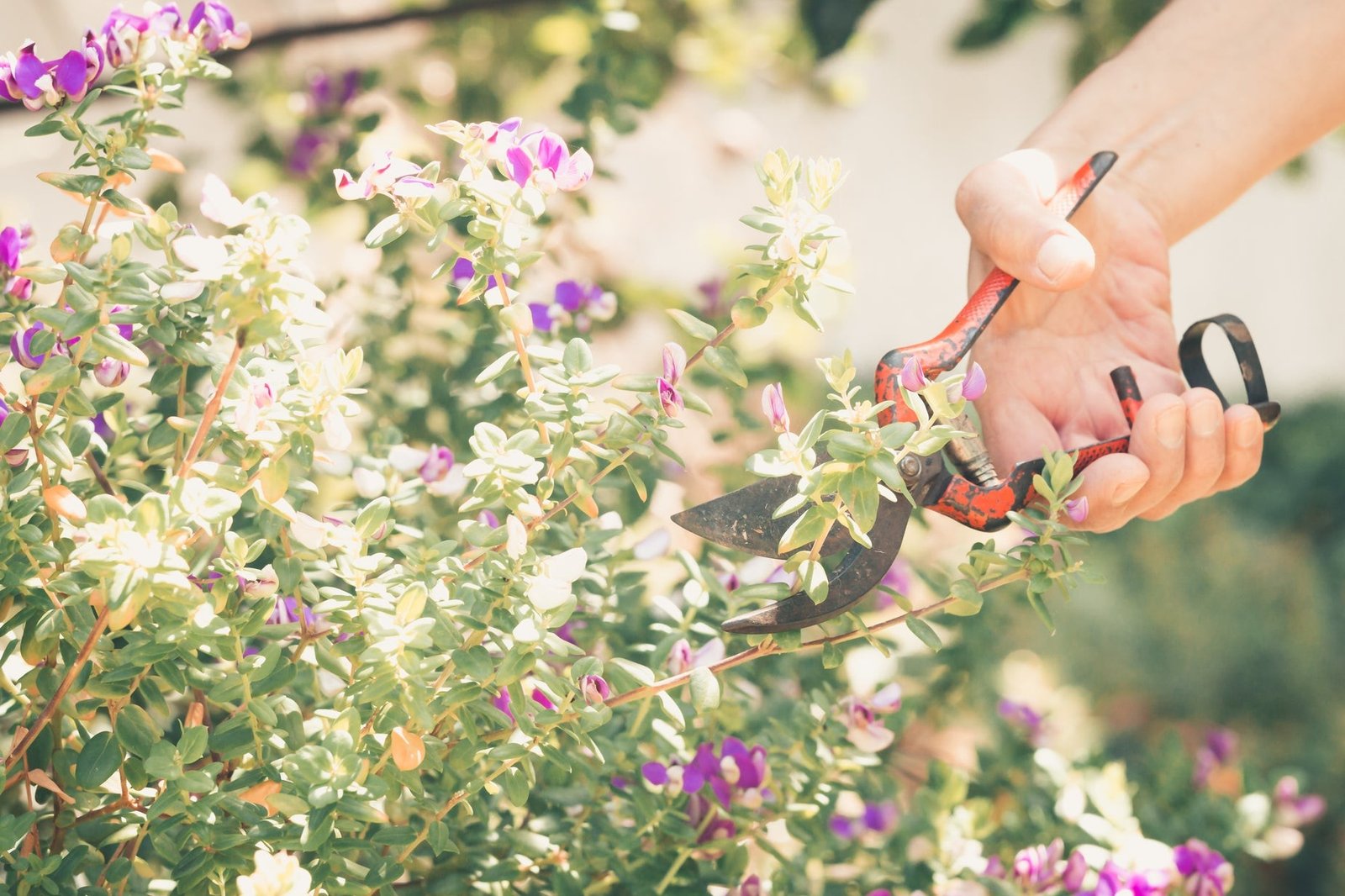
Technique matters a little. Do not just pull the petals off. Cut or pinch the stem back to just above a healthy leaf or side shoot, because that is where the next flowering stem will grow from. With salvia and lavender, be bolder and cut the whole spent spike back to the foliage. With perennials such as coreopsis, a light shear over the whole plant in midsummer can be quicker than flower-by-flower snipping. The exceptions are plants where you deliberately want the ending: leave late coneflower and black-eyed Susan heads standing for birds and for winter structure, and let a few cosmos go to seed if you would like self-sown plants next year. The Royal Horticultural Society’s guide to deadheading plants explains the same principle in detail, including which plants are best left alone.
Feeding is the other half of the equation, but more is not better. Plants in open ground usually manage well on the compost added at planting, plus perhaps one balanced feed in midsummer if growth looks pale and tired. Plants in pots and baskets are different. Frequent watering washes nutrients out of a small volume of compost, and heavy flowerers such as petunias and pelargoniums will visibly slow down without regular food. A general liquid feed every week or two during the main season suits most containers, following the strength on the label rather than guessing stronger. Avoid very high-nitrogen feeds for flowering plants, since they tend to push leafy growth at the expense of blooms. Lavender and cosmos, as noted, prefer things lean, so keep them out of the feeding routine almost entirely. And remember that no amount of feeding compensates for drought: a deep drink that soaks the root zone is worth more than three splash-and-dash waterings that only wet the surface.
Where Each Flower Belongs: Beds, Pots, and Edges
The most reliable summer borders are built in layers. Start with the perennials as your permanent structure: coneflowers and black-eyed Susans for midsummer height and substance, coreopsis and salvia for long-season colour, hardy geranium ‘Rozanne’ spilling at the front, and lavender where the drainage suits it, ideally along an edge or in a raised spot. These plants will have gaps between them in their first year, and natural quiet moments in later years, and that is exactly where annuals come in. Tuck zinnias, marigolds and cosmos into the spaces each spring, and the bed looks full from its first summer instead of its third.
There are a few practical points that make mixed planting work. Plant in groups of three, five, or more of the same flower rather than single plants scattered about, because blocks of colour read clearly from a distance and look intentional rather than spotty. Repeat the same plant in two or three places along a border to tie it together. Pay attention to heights: tall cosmos and African marigolds towards the back, mid-height zinnias, coneflowers and salvia in the middle, and French marigolds, coreopsis and hardy geraniums at the front. Finally, think about succession inside the bed. When the first salvia flush is cut back, nearby zinnias will be hitting their stride; when the zinnias finally tire in autumn, the coneflower seed heads and late rudbeckia still give the bed presence. You are, in effect, choreographing handovers so something is always taking over.
Containers deserve a mention in any mixed scheme because they are the easiest place to guarantee all-summer colour near a door or seating area. A large pot with a pelargonium or a small lavender at its centre, trailing petunias around the edge, and a few marigolds or a dwarf zinnia in between will flower for months with regular watering and feeding. Big pots are more forgiving than small ones because they dry out more slowly, and grouping pots together makes watering quicker and creates a little pocket of humidity the plants seem to appreciate in hot weather.
Water deeply and less often rather than lightly every day, at least for plants in the ground. A thorough soak once or twice a week in dry weather encourages roots to go downwards, where the soil stays cooler and damper, while daily sprinkling keeps roots near the surface where they suffer in heat. Water in the morning where you can, and aim at the soil rather than the foliage, especially for zinnias and other plants prone to mildew. New plants are the exception to the less-often rule: anything planted this season needs regular watering until its roots have spread into the surrounding soil, which usually takes several weeks.
Mulch is the quiet hero of the summer bed. A layer of compost, bark, or other organic mulch spread over the soil between plants in late spring holds moisture in, keeps roots cooler, and smothers a great many weed seedlings before they become a chore. Keep it a little away from the stems themselves. While you are at it, stake or support tall cosmos and the tallest zinnias before they need it, not after a thunderstorm has flattened them. A few twiggy sticks pushed in early disappear among the foliage and save a lot of regret later.
Keep a small, regular routine instead of heroic weekend rescues. Ten minutes every few days, deadheading, checking pots for dryness, and tying in anything floppy, will keep a border looking cared for all season. Cut flowers for the house generously if you grow zinnias and cosmos, because cutting is deadheading by another name and the plants respond with more stems. Take a phone photo of each bed once a month, too. It sounds unnecessary, but comparing July with June shows you exactly which plants carried the display and which ones sulked, and those notes are gold when you are ordering seeds and plants next spring. Finally, do not be afraid to pull out an annual that has genuinely finished and replace it with a fresh plant from the garden centre. Gardeners sometimes treat that as cheating. It is not. It is editing, and good borders are edited all season long.
Five Questions Gardeners Ask Before Planting
Which summer flowers bloom the longest?
In most gardens, the tender annuals give the longest single-season display, with zinnias, marigolds, cosmos and petunias flowering from early or midsummer until the first frosts as long as they are deadheaded regularly. Among perennials, coreopsis, hardy salvia cut back after its first flush, coneflowers and black-eyed Susan give the longest combined season, and they return each year, so over several seasons they arguably give you the most flowering for the least work.
Can I grow these flowers if my garden only gets part sun?
You can, but choose carefully and adjust expectations. Most plants in this guide flower best with six or more hours of direct sun, and in shade they tend to grow leggy with fewer blooms. Hardy geraniums such as ‘Rozanne’ cope best with partial shade, and coneflowers and black-eyed Susans will still perform reasonably with around five hours of sun. If your sunniest spot is a patio or a single bed, concentrate your true sun-lovers there in pots and groups rather than spreading them thinly through shadier areas.
Do I really need to deadhead, or is it optional?
It depends on the plant. For zinnias, marigolds, cosmos and petunias, deadheading is close to essential if you want maximum flowering, because these annuals slow down quickly once they start setting seed. For perennial salvia and coreopsis it is strongly worthwhile, since cutting back triggers a genuine second flush. For coneflowers and black-eyed Susans it is more of a choice: deadheading tidies the plant, but leaving the seed heads feeds birds and looks good in autumn and winter, so many gardeners do a little of both.
Which of these flowers are best for bees and butterflies?
Coneflowers, salvia, coreopsis, lavender and black-eyed Susan are all excellent for pollinators, and single-flowered zinnias and cosmos are visited constantly too. If wildlife is a priority, favour single or open flower forms over very double varieties, since doubles can make nectar and pollen harder for insects to reach. Planting in generous groups also helps, because a proper patch of one flower is easier for bees to find and work efficiently than single plants dotted around.
Will any of these flowers come back next year on their own?
The true perennials — coneflowers, black-eyed Susan, coreopsis, hardy salvia, hardy geraniums, and lavender in suitable soil — should return each spring within their hardiness ranges. Cosmos and some zinnias may self-seed if you leave a few seed heads to ripen, so seedlings can appear the following year in mild, well-drained gardens, though they will not always match the parent plant exactly. Tender plants such as petunias, pelargoniums and bedding salvias will not survive a cold winter outdoors in zones 5 to 7, but pelargoniums can be overwintered indoors on a bright windowsill if you have a favourite you want to keep.
Starting With Three or Four
A bed that flowers all summer is not built on rare plants or complicated techniques. It is built on a handful of generous, well-understood flowers — zinnias and cosmos for endless cutting, marigolds and petunias for tireless colour, coneflowers, coreopsis and black-eyed Susans as the perennial backbone, and lavender and salvia for scent, structure and the bees — planted in sun, watered sensibly, and deadheaded little and often. Start with three or four of them this year, plant more of each than you think you need, and let them prove themselves in your soil and your summers, which are the only test that really matters.
Most of all, walk through your flowers regularly and enjoy them while they are doing their work. Notice which corner stayed colourful in the August heat, which pot needed the least rescuing, and which flowers ended up in a jug on your table most often. Next year’s planting plan writes itself from those small observations, and each summer your border will hold its colour a little longer and ask a little less of you. That is the real pleasure of these plants: they give you a garden that keeps its promises from the first warm weeks right through to the edge of autumn.
Sources
- Royal Horticultural Society — Deadheading plants: how and why (rhs.org.uk)
- USDA Agricultural Research Service — 2023 Plant Hardiness Zone Map (planthardiness.ars.usda.gov)
- FoodieCake — Easy Flowers to Grow for Beginners and Best Plants for Full Sun Gardens

One Comment