

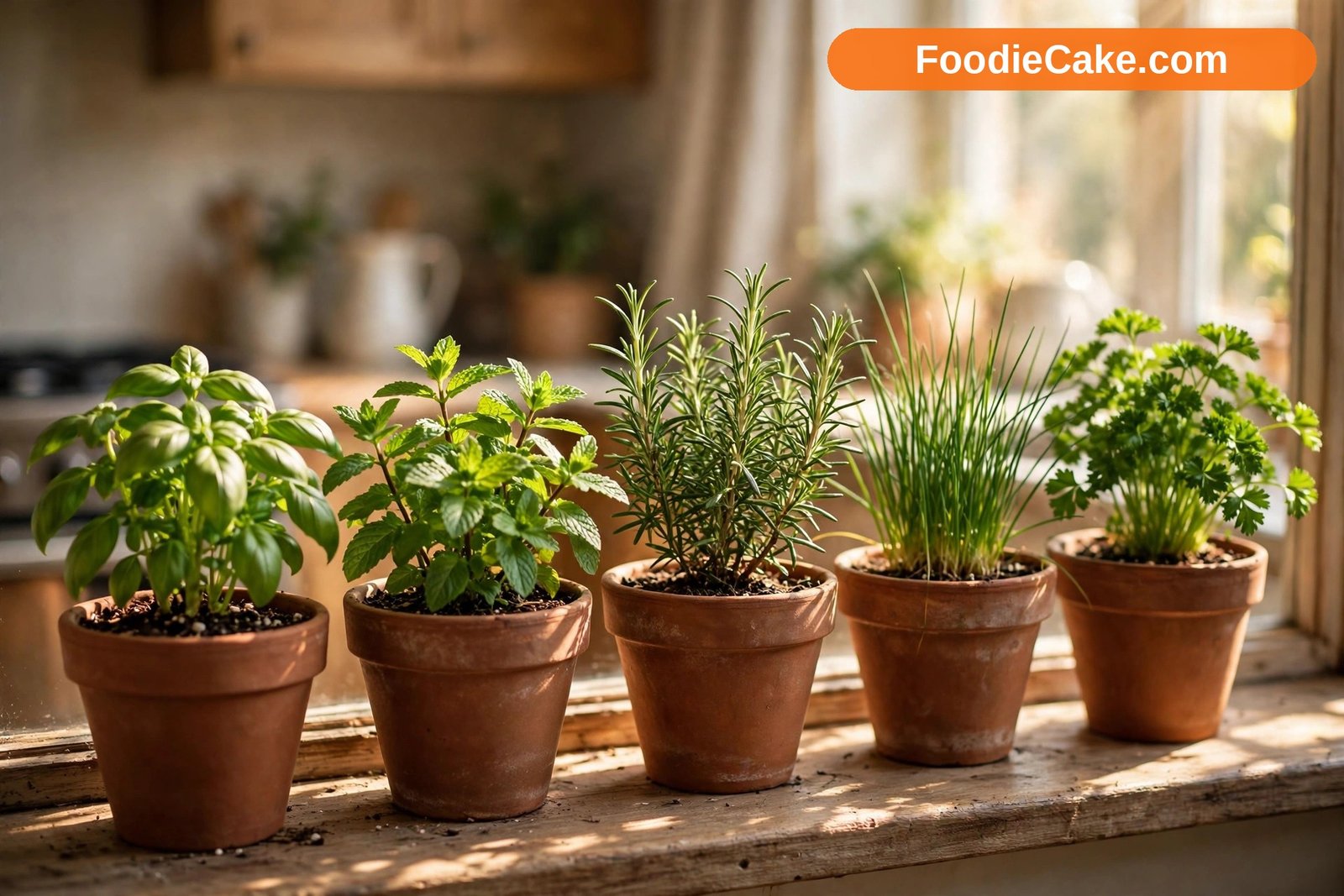
The best herbs to grow indoors are the ones that cope well with pots, modest light, and regular picking, and happily that list includes many of the herbs you reach for most often in the kitchen. Basil for pasta, mint for tea, chives for eggs, parsley for almost everything. Growing them inside means fresh leaves a few steps from the stove, in the middle of winter, without a trip to the shop for a plastic packet that wilts in three days.
Indoor herbs are not difficult, but they are honest plants. They will tell you quickly if the light is too weak, the pot is too small, or the watering is off. Most failures come down to light, which is the one thing beginners tend to overestimate. A bright-looking room is often not bright at all by plant standards. Get the light right, choose suitable herbs, and the rest is routine care that takes a few minutes a week.
You do not need a greenhouse, a conservatory, or expensive equipment to start. A sunny windowsill, a few pots with drainage holes, and three or four herbs you genuinely cook with will teach you everything you need. Add more once the first ones are thriving.
Light: The Thing That Decides Almost Everything
Herbs evolved outdoors, mostly in sunny places, so indoors they want as much light as you can give them. A south-facing window is the best spot in most homes in the northern hemisphere, with west-facing a reasonable second choice. East-facing windows give gentle morning sun that works for parsley, chives, and mint. A north-facing window alone is rarely enough for anything except perhaps mint and parsley for a while, and even they will grow slowly and pale there.
As a rough guide, most herbs want at least six hours of direct sun a day, and Mediterranean herbs such as rosemary, thyme, and oregano prefer more. If your plants stretch tall with long gaps between leaves and lean hard toward the glass, they are asking for light they are not getting. That stretched growth is called legginess, and you cannot fix it by feeding more. You fix it by moving the plant closer to the light or adding light from above.
Grow lights solve the problem neatly and are not complicated. A simple full-spectrum LED bulb or bar, placed 6 to 12 inches above the plants and left on for 12 to 14 hours a day on a plug timer, will grow basil in a basement in January. That is worth knowing if your only windows face north. Fluorescent tubes also work and have done for decades. Keep the lights close, because light fades fast with distance, and raise them as the plants grow.
Rotate each pot a quarter turn every few days. Indoor light comes from one side, so without turning, plants grow lopsided and the shaded side thins out. It takes five seconds while you make tea, and it keeps growth even.
The Most Reliable Herbs to Grow Indoors
Start with herbs that forgive mistakes. The list below is ordered roughly from easiest and most rewarding to those that need a little more from you. All of them are widely available as small plants in spring and summer, and most can be raised from seed if you prefer.
Basil
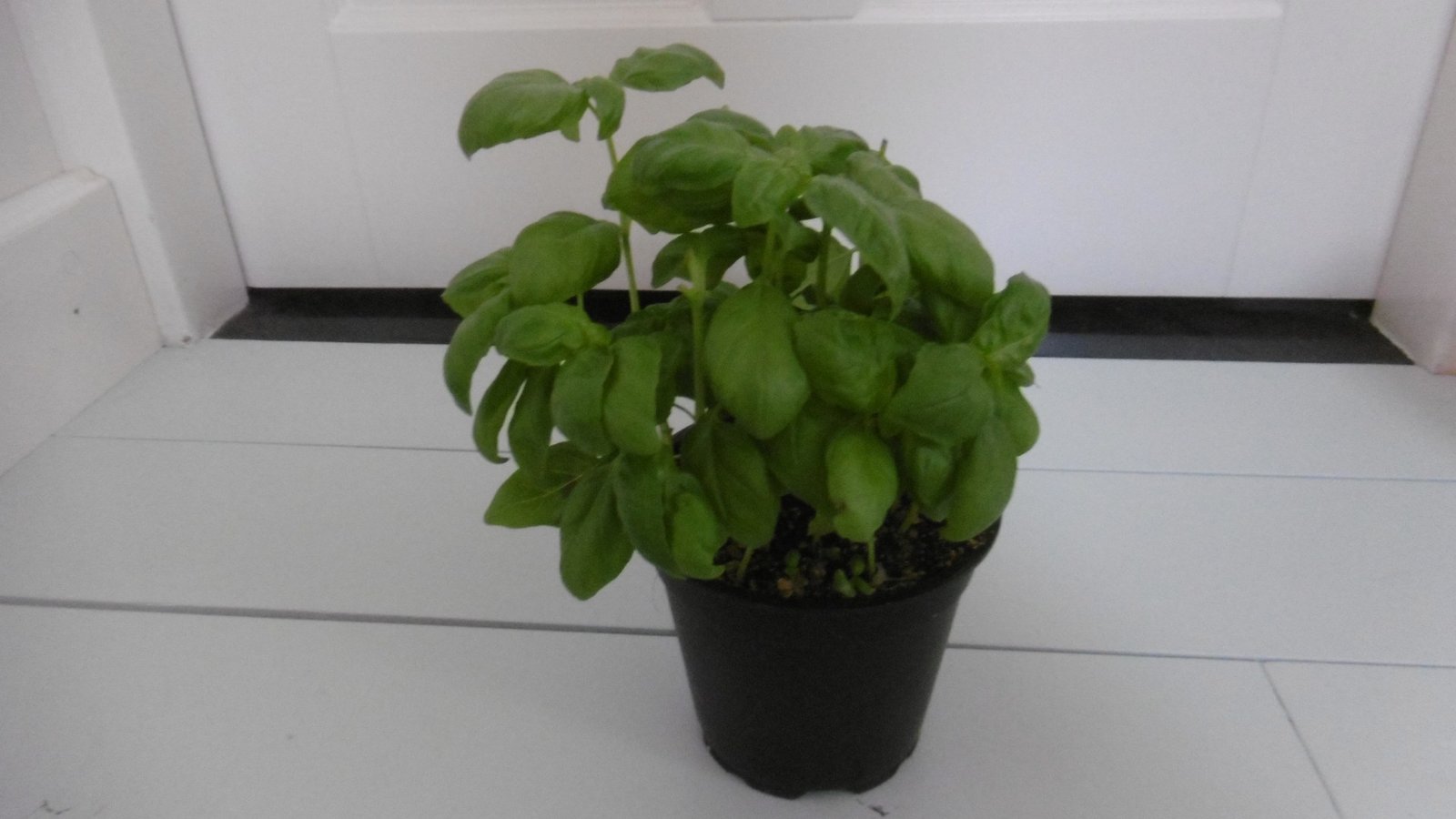
Basil is the herb people want most indoors, and sweet basil varieties such as ‘Genovese’ are the classic choice for pesto and tomato dishes. It loves warmth and light and hates cold draughts, so a chilly windowsill in winter can sulk. Keep it above about 15°C (59°F) if you can, water from below to keep leaves dry, and pinch the growing tips regularly. Thai basil and lemon basil also grow well in pots and bring different flavours. Basil is an annual, so even a well-kept plant will tire after several months of heavy picking. Sow a fresh pot every few months if you use a lot of it.
Mint
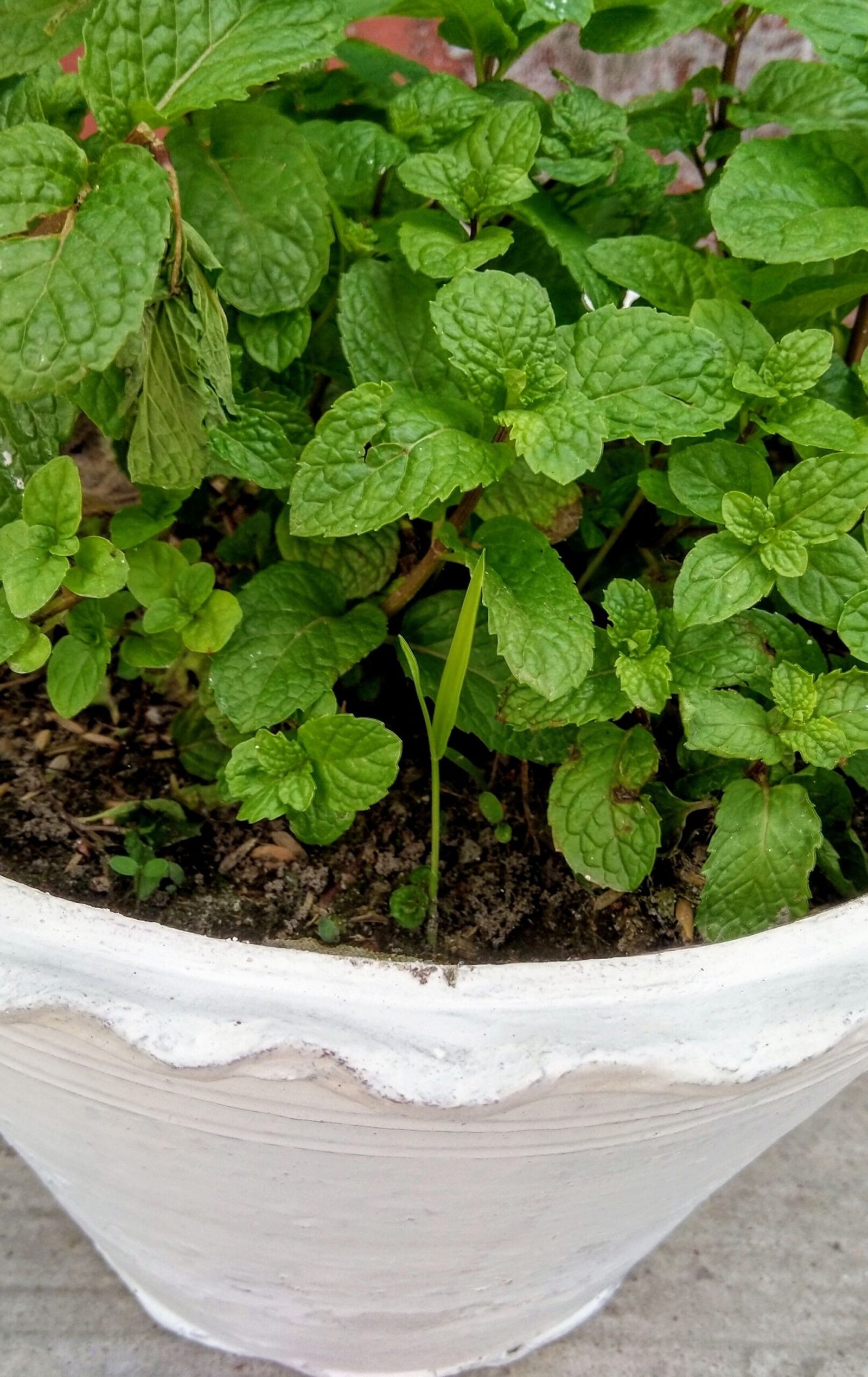
Mint is almost too easy. It grows vigorously, tolerates a little less light than most herbs, and bounces back from neglect. Spearmint is the all-purpose kitchen choice, while peppermint is stronger and better for tea. The one firm rule is to give mint a pot of its own. Its roots spread aggressively, and in a shared container or a garden bed it will crowd out everything else. Indoors that same energy is a virtue, as long as it is contained. Cut it back hard when it gets straggly and it will regrow fresh and bushy.
Chives
Chives are among the toughest herbs you can grow. The hollow, onion-flavoured leaves grow in clumps, tolerate regular cutting, and the plants keep going for years. They do well on an east or south window and are not fussy about soil. Garlic chives, with flat leaves and a mild garlic taste, behave the same way and are worth trying if you cook a lot of stir-fries and dumplings. Divide crowded clumps every couple of years into fresh compost.
Parsley
Both flat-leaf and curly parsley grow well indoors and are far more useful than their garnish reputation suggests. Flat-leaf types, often sold as Italian parsley, have the stronger flavour. Parsley is slow to germinate from seed, sometimes taking three weeks, and it forms a deep taproot, so give it a deeper pot than you would give basil. It is a biennial, meaning it grows leaves in its first year and tries to flower in its second, so many cooks simply replace plants yearly.
Cilantro (Coriander)
Cilantro is delicious and a little tricky. It dislikes heat, dislikes being transplanted, and bolts, meaning it rushes to flower and set seed, as soon as conditions annoy it. Sow it directly in its final pot, keep it in the coolest bright spot you have, and sow a small batch every three to four weeks for a steady supply. Slow-bolt varieties such as ‘Calypso’ give you more leaf before flowering. Let one plant flower and set seed and you get coriander seed for the spice drawer as a bonus.
Thyme and Oregano
These Mediterranean herbs are compact, long-lived, and content in small pots, which makes them well suited to windowsills. English thyme is the standard culinary type, and lemon thyme is lovely with chicken and fish. Greek oregano has the strongest flavour for cooking. Both want the sunniest spot you have, lean soil that drains sharply, and restraint with the watering can. Their small leaves store flavour and cope with dry air better than soft herbs like basil do.
Rosemary, With Honest Notes
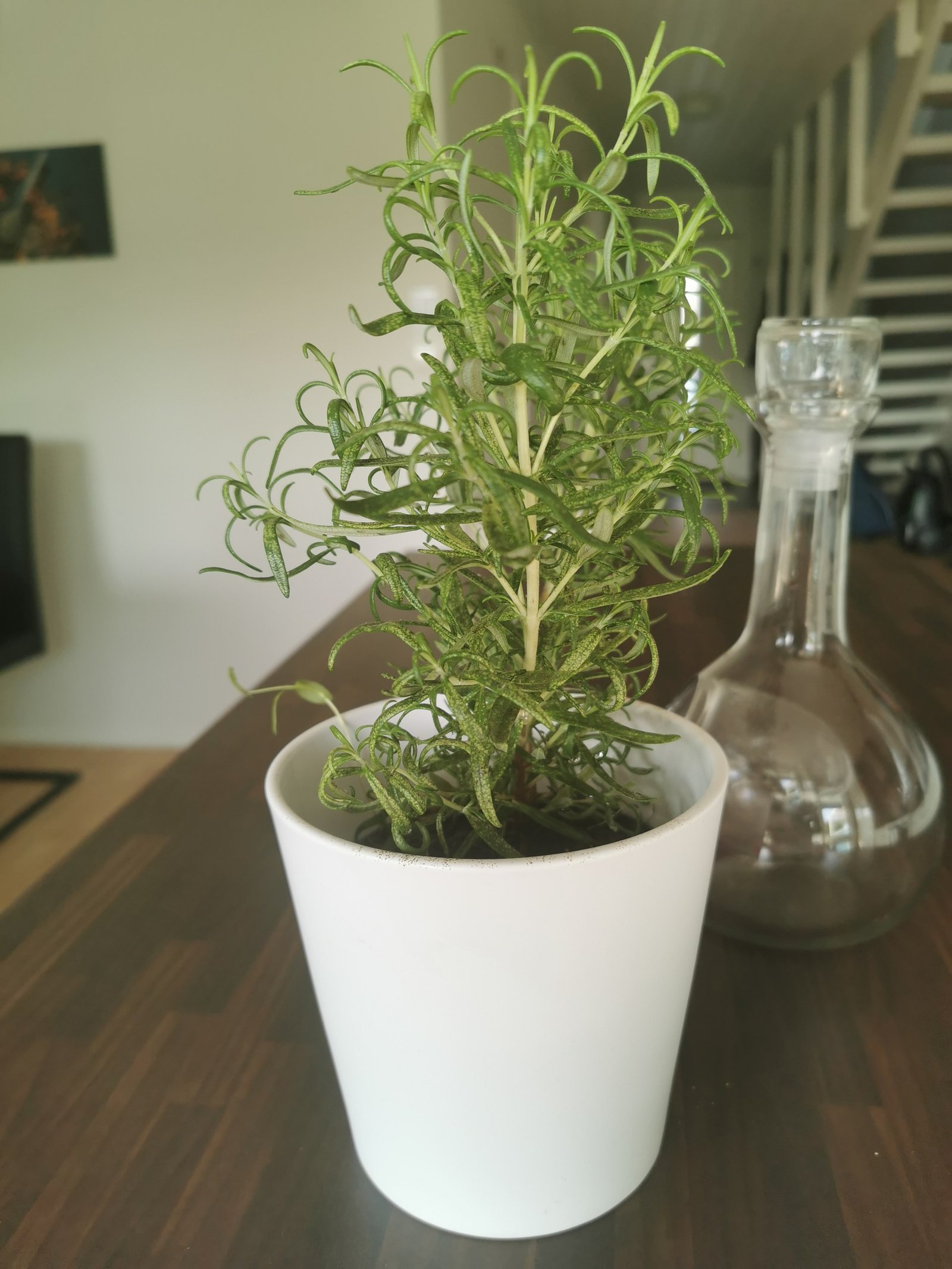
Rosemary can be grown indoors, and many people manage it, but it is the most likely plant on this list to disappoint. It wants very bright light, excellent drainage, and good air movement, and it resents wet roots more than almost any common herb. Indoor rosemary often drops needles or develops mildew in still, humid rooms. If you try it, choose a compact variety such as ‘Prostratus’ or a standard upright type in a terracotta pot, water sparingly, put it in your sunniest window, and consider a grow light in winter. Think of it as an intermediate project rather than a first herb.
Pots, Drainage, and Getting the Basics Right
Every herb pot needs drainage holes. Without them, water sits at the bottom, roots suffocate and rot, and the plant dies in a way beginners often mistake for thirst. Put a saucer or tray underneath to protect the sill, and empty standing water from it after watering rather than letting the pot sit in a puddle all day.
Size matters more than style. Most herbs do well in pots 6 to 8 inches across, with parsley and rosemary appreciating something deeper. A bigger pot holds moisture more evenly and gives you more margin for error, while a tiny 3-inch pot from a supermarket herb plant dries out daily and starves quickly. Those supermarket herb pots, by the way, are usually several seedlings crammed together. Splitting them gently into separate pots gives each plant room and extends their life a lot.
Terracotta suits Mediterranean herbs because it is porous and lets soil dry between waterings, which rosemary and thyme prefer. Plastic and glazed ceramic hold moisture longer and suit thirsty basil and mint. Either works if you adjust watering to match. Grouping pots together slightly raises humidity around the leaves, which most soft herbs appreciate in centrally heated rooms.
Soil for Indoor Herbs
Ordinary garden soil does not belong in pots. It compacts, drains poorly, and may carry weed seeds and disease. Use a good quality, peat-free multi-purpose potting mix as your base. It is light, clean, and formulated to hold both air and water in a container.
For basil, mint, parsley, chives, and cilantro, that mix on its own is fine, perhaps with a handful of extra compost blended in. For rosemary, thyme, and oregano, stir in a generous handful of coarse sand, perlite, or fine grit per pot to sharpen drainage. These plants rot in rich, soggy mix but thrive in lean, free-draining soil that mimics the stony ground they come from.
Feed modestly. Indoor herbs grow more slowly than outdoor ones, especially in winter, so they need less food. A half-strength liquid seaweed or general organic feed every two to four weeks during spring and summer is plenty. Stop feeding in midwinter when growth nearly pauses, unless your plants are under grow lights and growing actively. Overfeeding produces soft, bland growth, so restrained is better here too.
Watering Without Drowning or Drought
More indoor herbs die from overwatering than from anything else except low light. Roots in a permanently wet pot rot, the plant wilts anyway because the damaged roots cannot take up water, and the owner waters more, making it worse. The check is simple: push a finger an inch into the mix. If it feels moist, wait. If it feels dry at that depth, water.
When you do water, water properly. Pour until a little runs from the drainage holes, let the pot drain for ten minutes, then empty the saucer. This flushes salts through and wets the whole root ball instead of just the top layer. Shallow sips every day are the worst pattern for most herbs, leading to a wet surface, dry roots below, and fungus gnats above.
There are exceptions by plant type. Basil and mint like consistently moist soil and will wilt dramatically when dry, though mint recovers quickly. Rosemary, thyme, and oregano should dry out more between waterings and suffer if kept constantly wet. If you grow both groups, do not put them on the same watering schedule just because they share a sill.
Water in the morning where possible so wet leaves dry during the day. In winter, most herbs need noticeably less water because light levels and growth drop. Dry indoor air from heating is a separate issue: a tray of pebbles and water under the pots, or grouping plants together, helps more than misting, which raises humidity for only a few minutes.
Harvesting and Pruning So Plants Stay Bushy
How you pick herbs decides whether they stay full and productive or turn into one long, sad stem. The rule for leafy herbs is to cut from the top and cut often. Regular harvesting is pruning, and pruning is what makes plants branch.
For basil, never just pick the big lower leaves and leave the stem to grow upward. Find a point just above a pair of small leaves partway down the stem and cut there. The two small leaves will grow into two new branches, and the plant gets bushier instead of taller. Do this weekly in summer and you will have a rounded plant instead of a spindly one. Pinch off flower heads as soon as they form, because flowering changes the flavour and signals the plant to wind down.
For mint, thyme, and oregano, trim the stems back by up to a third at a time, cutting just above a leaf node. For chives and parsley, cut whole leaves from the outside of the clump, close to the base. Never take more than about a third of a plant at once, except for chives and mint, which handle hard cutting well. Sharp scissors or snips make clean cuts that heal better than torn stems.
Harvest in the morning after any dew has dried, when flavour is usually strongest. Use what you pick fresh where you can, dry surplus thyme and oregano, and freeze chopped parsley, chives, and cilantro in ice cube trays with a little water or oil for winter cooking.
If you are expanding from herbs to salad leaves, the same light and watering habits apply, and this guide on how to grow lettuce indoors walks through it step by step. And if your windowsill collection starts to spread across the whole kitchen, it may be time to plan it properly with our guide on how to start a kitchen herb garden, which covers layout and choosing what to grow together.
Keeping Plants Going Through the Seasons
Indoor herbs follow the seasons even though they live in a warm house. In spring and summer, growth is fast, watering is frequent, and most plants need feeding and regular trimming to stay in shape. This is the best time to start new plants from seed or buy young ones, because long days do half the work for you.
Autumn is the moment to bring in any herbs you grew outside in pots, if you want them to continue. Check them carefully for aphids and whitefly before they join your indoor plants, rinse the leaves, and isolate newcomers for a week or so if you can. A pest outbreak imported in October can spread across a whole windowsill by November.
In winter, expect slower growth and be patient. Light is short even on a south window, in zones with very dark winters especially so, and plants may simply hold steady rather than grow. Water less, feed not at all or rarely, and accept smaller harvests. Supplemental light changes the picture completely, which is why keen indoor growers often add a lamp in November rather than watching basil fade.
Perennial herbs such as chives, mint, thyme, oregano, and rosemary can live for years indoors with an annual refresh. In spring, tip the plant out, trim a little of the root ball if it is tightly pot-bound, and repot with fresh mix, one size up if needed. Annuals and short-lived plants like basil, cilantro, and parsley are simply replaced on a rolling schedule, which is normal and not a sign of failure.
Practical Tips for a Happier Windowsill
- Start with plants, not seed, for your first attempt. A healthy young basil or mint plant shows you what success looks like. Try seed once you know your light conditions.
- Write the name on the pot. Seedlings and young herbs are easy to mix up, and thyme does not want basil’s watering schedule.
- Keep herbs near the kitchen, but not above a radiator. Warm rising air dries pots fast and stresses leaves. A bright sill away from direct heat is better.
- Clean the window glass. It sounds trivial, but dusty glass cuts light noticeably in winter when plants are already short of it.
- Check under leaves weekly. Aphids and whitefly arrive quietly indoors. A strong rinse in the sink and removing badly affected leaves handles most early outbreaks.
- Use the harvest. Plants that are picked regularly grow better than plants left alone. Cook with them generously instead of saving them for a special occasion that never comes.
- Keep a spare pot of mint going. Mint is so useful and so forgiving that having a second plant costs nothing and covers you if one pot gets neglected on holiday.
- Tidy dead leaves promptly. Fallen leaves on wet soil invite mould and fungus gnats. A quick pick-over once a week keeps pots clean.
Common Mistakes and Indoor Problems to Watch For
Legginess is the most common indoor problem and the easiest to diagnose. Long, pale stems with wide gaps between small leaves mean the plant needs more light. Feeding will not cure it. Move the plant to your brightest window or under a lamp, and cut it back so it regrows more compactly in the better light.
Fungus gnats are the tiny black flies that drift up when you touch a pot. The adults are mostly harmless, but their larvae live in wet surface soil and can damage seedling roots. Let the top inch of mix dry between waterings, remove dead leaves, and use yellow sticky traps to catch adults. A thin layer of fine grit or sand on the surface makes it less attractive for egg laying. Persistent cases usually mean the soil stays too wet, so fix the watering first.
Overwatering and root rot come next. A plant that wilts in wet soil, with yellowing lower leaves and a sour smell from the pot, is probably rotting at the roots. Tip it out, trim away black, mushy roots, and repot into fresh, free-draining mix. Then water less.
Powdery mildew shows as a white, floury coating, often on basil and rosemary in still air. Improve air movement, avoid wetting leaves, space pots apart, and remove affected leaves. Whitefly and aphids cluster on soft new growth; rinse them off firmly in the sink, repeat every few days, and isolate the plant until they are gone. Sticky leaves usually mean one of these pests is present even if you cannot see them at first glance.
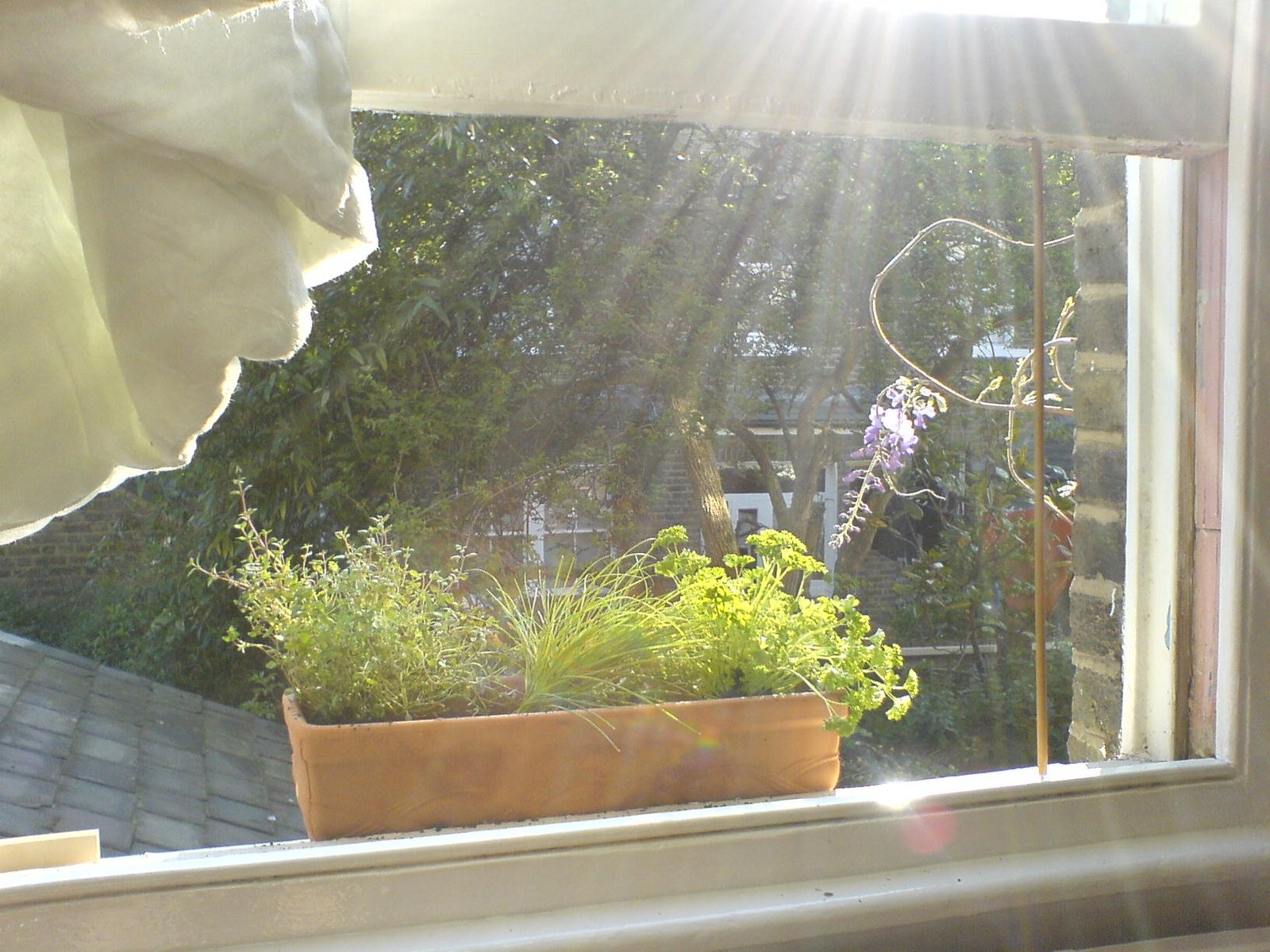
Other beginner mistakes are simpler. Planting several different herbs in one trough ignores their different water needs. Using pots without drainage holes invites rot. Keeping herbs in a dark corner because they look nice there starves them quietly. And expecting a small supermarket basil pot to live for a year sets you up for disappointment, since it was grown for quick sale, not longevity. Split it, pot it on, feed it, and you may get months from it instead of weeks.
Frequently Asked Questions
Which herb is easiest to grow indoors for a complete beginner?
Mint is the most forgiving, followed closely by chives. Mint tolerates average light, recovers from missed waterings, and regrows after hard cutting. Give it its own pot, since it spreads, and it will keep producing with very little input from you.
Can I grow herbs indoors all year round?
Yes, with realistic expectations. Perennials like mint, chives, thyme, and oregano can live indoors for years. Growth slows in winter when light is low, so harvests shrink unless you add a grow light. Warm-season herbs like basil grow best indoors from spring to autumn and often need supplemental light and warmth to do well through winter.
How many hours of light do indoor herbs need?
Aim for at least six hours of direct sunlight a day from a south or west window for most herbs, and more for rosemary and thyme. If you use grow lights instead, 12 to 14 hours a day with the light 6 to 12 inches above the plants is a good working target for healthy, compact growth.
Why is my basil wilting even though I water it?
Check two things. First, basil wilts quickly when dry but also collapses when its roots sit in cold, wet soil, so feel the mix before adding more water. Second, check the temperature. Basil dislikes cold draughts and chilly night-time windowsills, and a plant pressed against cold glass in winter can wilt for that reason alone.
Should I grow herbs from seed or buy plants?
Buy plants for your first round, especially slow or fussy starters like rosemary and parsley, which take a long time from seed. Sow fast, easy herbs from seed once you are set up. Cilantro and basil germinate quickly, and chives are straightforward too. Seed is cheaper and offers more variety, but plants give you a head start of several weeks.
Why does my indoor rosemary keep dropping needles?
The usual causes are too little light, soil that stays wet, or dry, still air from central heating, sometimes in combination. Move it to your brightest spot, water only when the soil has dried, choose a terracotta pot with sharp drainage, and consider a small fan or an open window nearby for air movement on mild days.
Final Thoughts
Growing herbs indoors is a small project with an outsized payoff. A few pots on a bright sill give you fresh flavour all year, cost very little to run, and ask only for light, sensible watering, and regular picking in return. Start with mint, chives, and basil, learn what your windows can actually do, and add the fussier herbs once the easy ones are thriving.
Do not be put off by a leggy plant or a pot of basil that gives up in February. That is information about your light and your routine, and both can be adjusted. Move a pot, add a lamp, change the watering, and try again. The windowsill gardeners who succeed are simply the ones who keep a few plants going, pay attention, and keep cooking.
[…] perlite or coarse sand so water runs through quickly. If you enjoy indoor growing, our guide to the best herbs to grow indoors shows how basil, mint, and chives handle windowsill light in a similar […]
[…] gives you the indoor growing bug, the same windowsill can soon host pots from our guide to the best herbs to grow indoors, which share lettuce’s love of a bright sill and regular […]
[…] of what makes it special, so freezing is the better choice — one more reason to count basil among the best herbs to grow indoors for fresh picking through the cooler months as […]
[…] have a young plant coming along. For a deeper look at varieties and conditions, our guide to the best herbs to grow indoors is a helpful next step once you have your first pots […]