Best Indoor Plants for Beginners
Best indoor plants for beginners are the ones that forgive a missed watering, cope with ordinary room light, and still look good while you are learning. That sounds like a modest wish list, but it rules out a surprising number of pretty plants sold in garden centres. Some are thirsty every second day. Some sulk the moment they are moved. The six plants in this guide are different. They are widely available, reasonably priced, and tolerant enough to give a new plant parent time to build confidence.
Starting indoors also has one big advantage over starting outdoors: you control most of the conditions. There are no sudden frosts on a bookshelf and no slugs on a windowsill. What a houseplant really needs from you is the right spot, a sensible watering routine, and a pot that drains.
You do not need a bright conservatory, a humidifier, or a shelf full of specialist feeds to succeed. A normal living room, bedroom, or kitchen window is enough for everything on this list, provided you match the plant to the light you actually have rather than the light you wish you had.
Six Reliable Plants That Forgive Beginner Mistakes
There is no single perfect first plant, because homes differ. If you travel a lot, you need drought tolerance. If you have a curious cat, you need to think about toxicity. If your only free space is a dim corner, you need a plant that genuinely tolerates low light. Work through the six below and pick two or three that fit your rooms and your routine.
1. Pothos
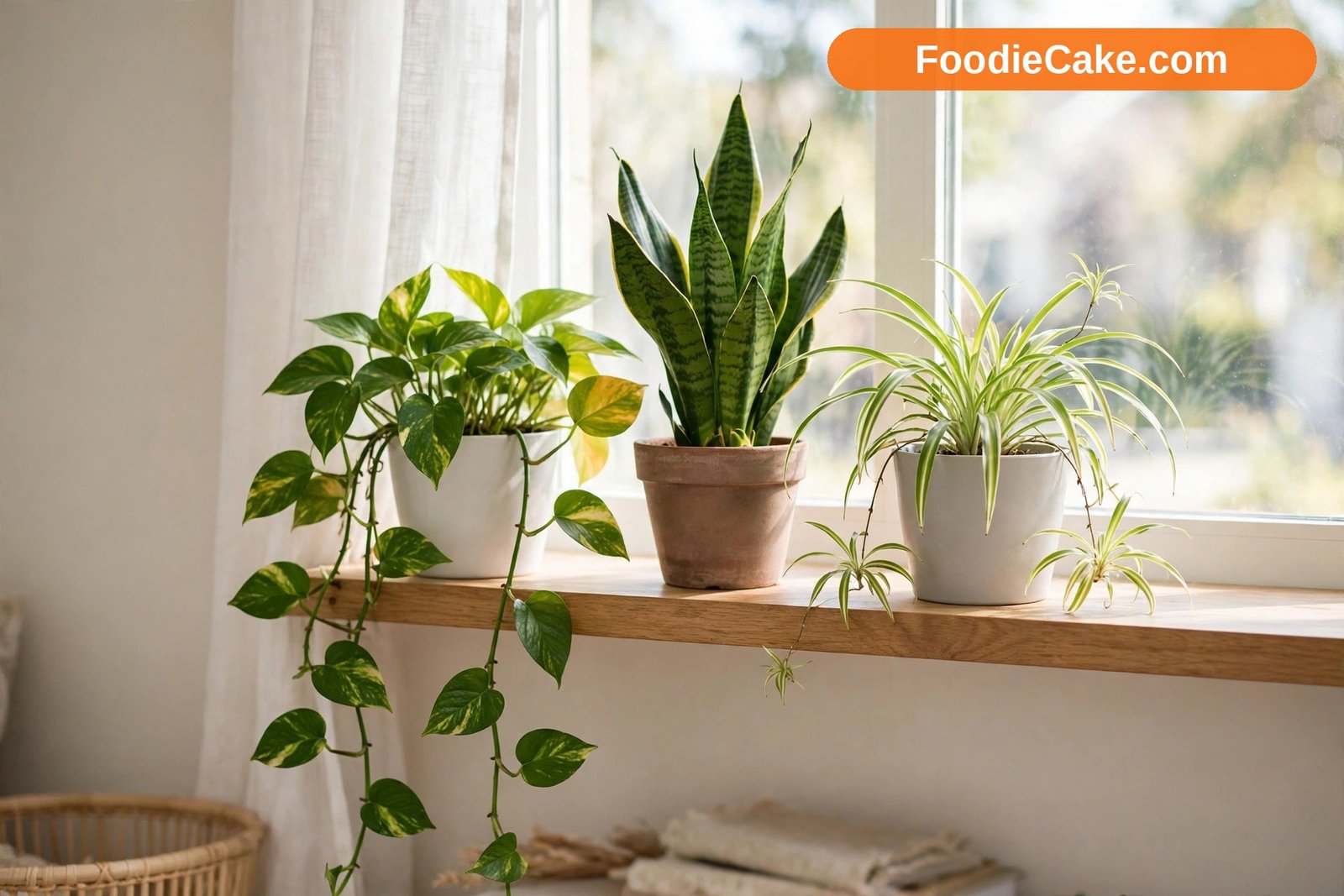
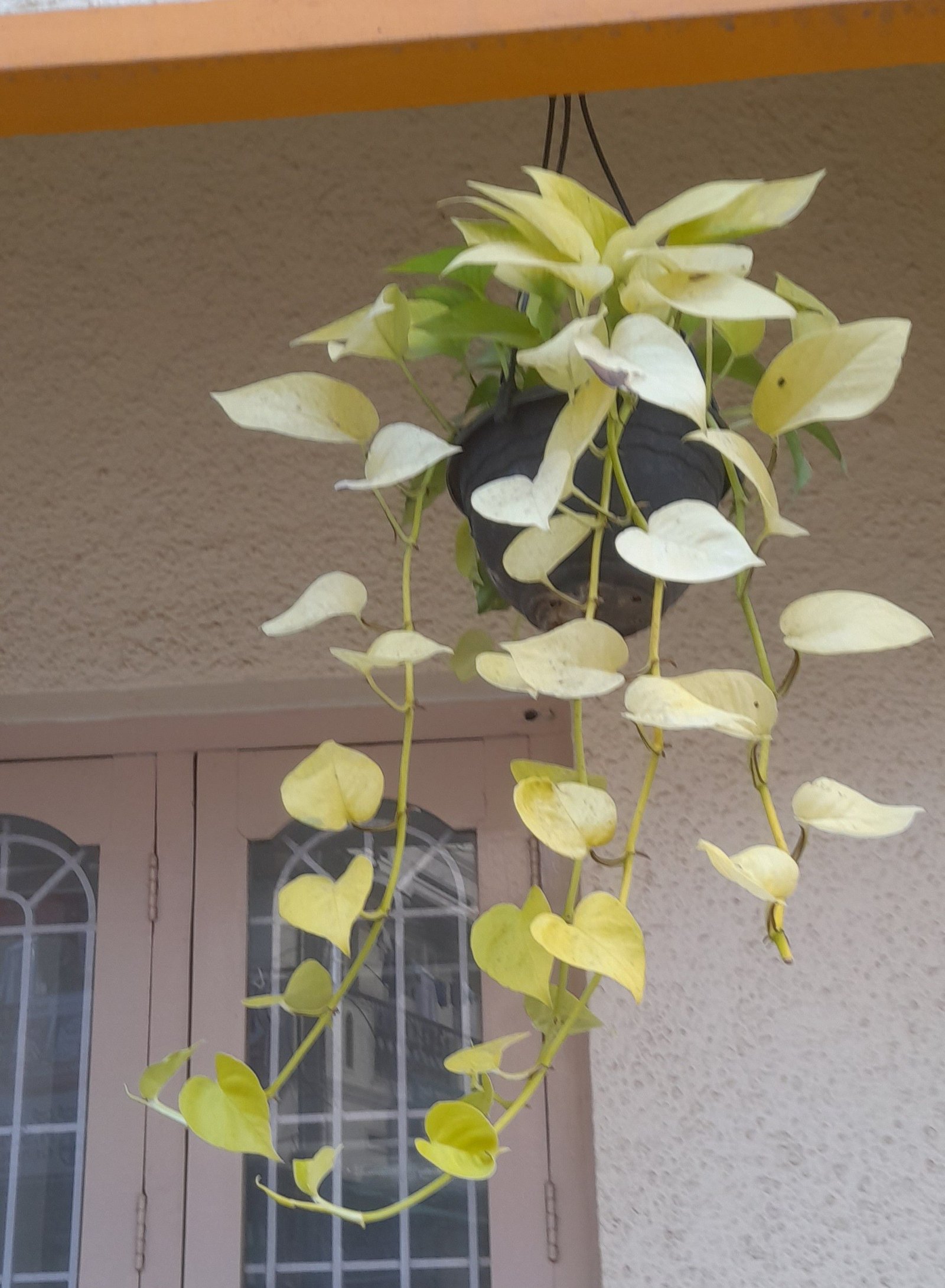
Pothos is often the first recommendation experienced growers give, and for good reason. Its heart-shaped leaves trail happily from a shelf or hanging basket, it roots easily in water if you want to make more plants, and it tells you clearly when it is thirsty by drooping just a little. Given water, it usually perks up within hours. Golden pothos, with yellow-splashed leaves, is the most common type, but marble queen and jade forms are just as straightforward to keep.
Light and water are simple here. Pothos grows best in bright, indirect light, where variegated types keep their pattern, but it tolerates medium and lower light by growing plainer green leaves and longer gaps between them. Water when the top few centimetres of compost feel dry, then empty the saucer so the roots are not sitting in water. In a warm room that might be every week to ten days; in winter, less often. Feed lightly once a month in spring and summer if you like, though it will manage without for a long while.
One caution matters for pet owners: pothos is toxic to cats and dogs if chewed, because it contains calcium oxalate crystals that irritate the mouth and stomach. Hang it high or place it on a shelf your pets cannot reach, or choose the spider plant below instead. For households without pets, few plants offer this much leaf for this little effort.
2. Snake Plant
The snake plant, also sold as Sansevieria or Dracaena trifasciata, is built for neglect. Its stiff, upright leaves store water, so it can go two to three weeks, sometimes longer in cool conditions, between waterings. That makes it an excellent choice for bedrooms, offices, and anyone who travels for work. It is also one of the few decorative plants that handles both a sunny sill and a fairly shady corner without much complaint.
Place it in bright indirect light for the strongest growth, though it will tolerate low light and a little direct sun. The real danger is kindness in the form of too much water. Water sparingly, only when the compost has dried out through most of the pot, and be especially careful in winter. Wet, cold compost rots the roots and the base of the leaves, and by the time the leaves flop over the damage is usually done. A gritty, free-draining potting mix and a pot with a drainage hole are not optional extras for this plant; they are the whole secret.
Snake plants are also toxic to cats and dogs if eaten, causing nausea and stomach upset, so position them where pets do not nibble. You may see them promoted as air purifiers, but that claim traces back to a NASA experiment in sealed chambers and is overstated for ordinary homes. Enjoy the snake plant for its looks and toughness, not as an air filter.
3. ZZ Plant
If your home has a spot that every other plant seems to dislike, try a ZZ plant. Its glossy leaflets grow on thick stems that rise from chunky underground rhizomes, which store water and nutrients. That built-in reserve explains its patience. ZZ plants grow slowly, hold their shape, and rarely look scruffy, which makes them popular for hallways, waiting rooms, and darker living room corners.
Low to bright indirect light all suits a ZZ plant, although growth will be slowest at the dim end and the new stems may stretch a little. Keep it out of harsh midday sun, which can scorch the leaflets. Watering follows the snake plant rule: less is more. Let the compost dry out well, then water thoroughly and drain completely. Every three to four weeks is plenty for many homes in winter. Because it grows slowly, it also needs repotting only every couple of years, and a slightly snug pot is fine.
All parts of the ZZ plant are considered toxic if eaten, so keep it away from pets and young children who might chew a fallen leaflet.
4. Spider Plant
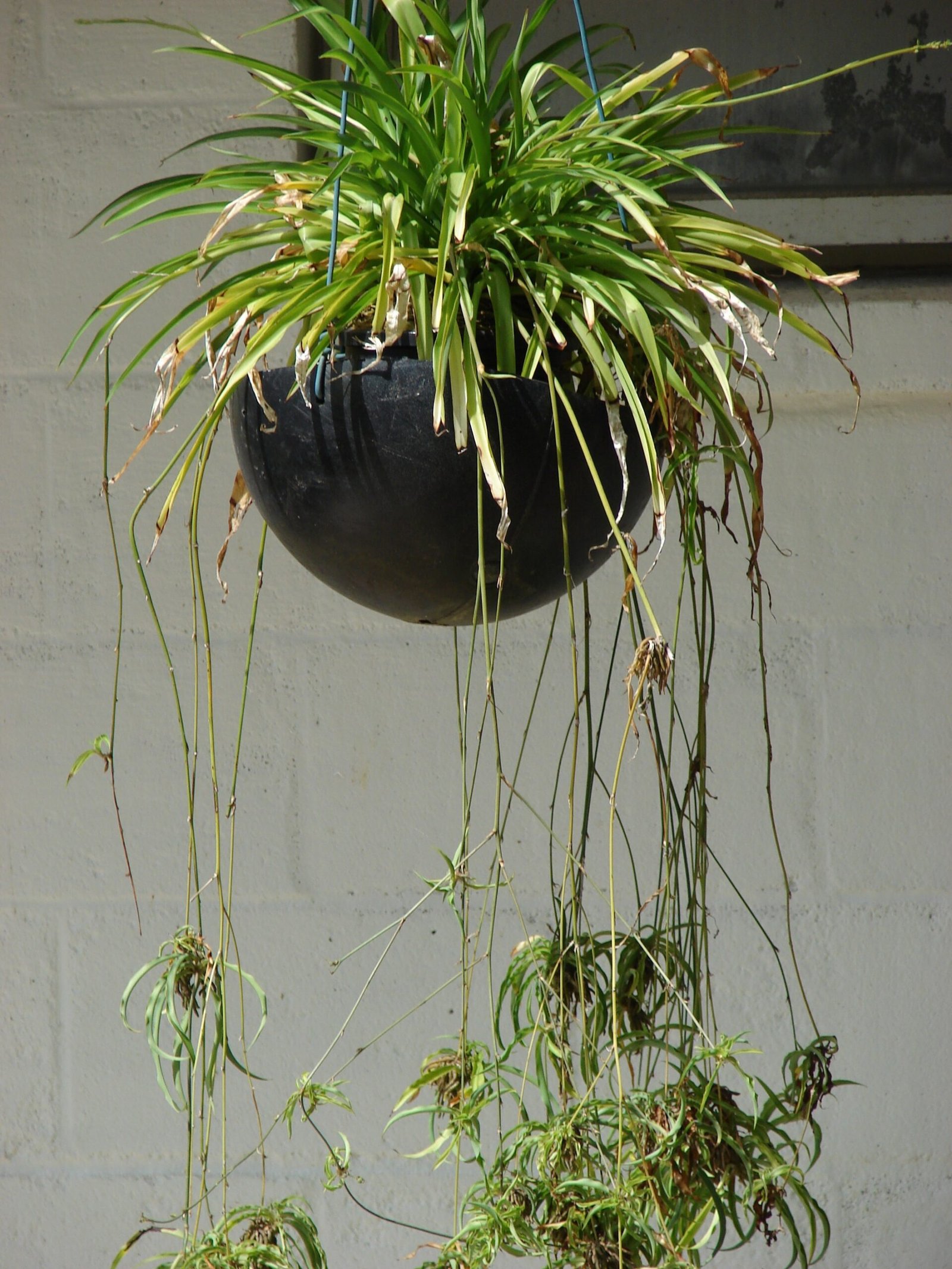
The spider plant is the cheerful, forgiving option for pet owners. It is generally listed as non-toxic to cats and dogs, which removes a whole layer of worry, and cats often enjoy batting its arching leaves without coming to harm. Better still, it produces baby plantlets on long stems. You can leave them dangling for a lovely cascading effect, or snip them off, root them in water or compost, and give them away. A plant that makes free presents is hard to beat for a beginner.
Give it bright to medium indirect light. In stronger light the cream stripes on common variegated types stay crisp; in deep shade the plant survives but turns mostly green and produces fewer babies. Keep the compost lightly moist in spring and summer, watering when the surface dries, and reduce a little in winter. Brown leaf tips are the classic spider plant complaint, often linked to very dry air, irregular watering, or a build-up of salts from tap water and feed. They are cosmetic rather than fatal. Trim them off with clean scissors, settle into a steadier routine, and use rainwater occasionally if you collect it.
5. Philodendron
Philodendrons come in two broad habits: trailing types, such as the heartleaf philodendron, which behave much like pothos, and upright, self-heading types with larger leaves. For a first plant, the heartleaf is the safest bet. It trails or climbs a moss pole, grows reasonably fast in good light, and shows you through soft, drooping leaves when it wants a drink. It is frequently confused with pothos, but its leaves are thinner, more heart-shaped, and a softer green.
Bright indirect light keeps it compact and lush; medium light is acceptable, though the stems will stretch. Water when the top few centimetres are dry, and avoid letting it sit in a saucer of water afterwards. Pinch or prune long, bare stems back to a leaf node and the plant will usually branch and look fuller. Cuttings root readily in water, which gives you backup plants while you learn.
Like pothos, philodendron contains calcium oxalate crystals and is toxic to pets and people if chewed. Grow it trailing from a high shelf or bookcase, where its stems can hang out of reach, and it becomes a practical as well as a handsome choice.
6. Peace Lily
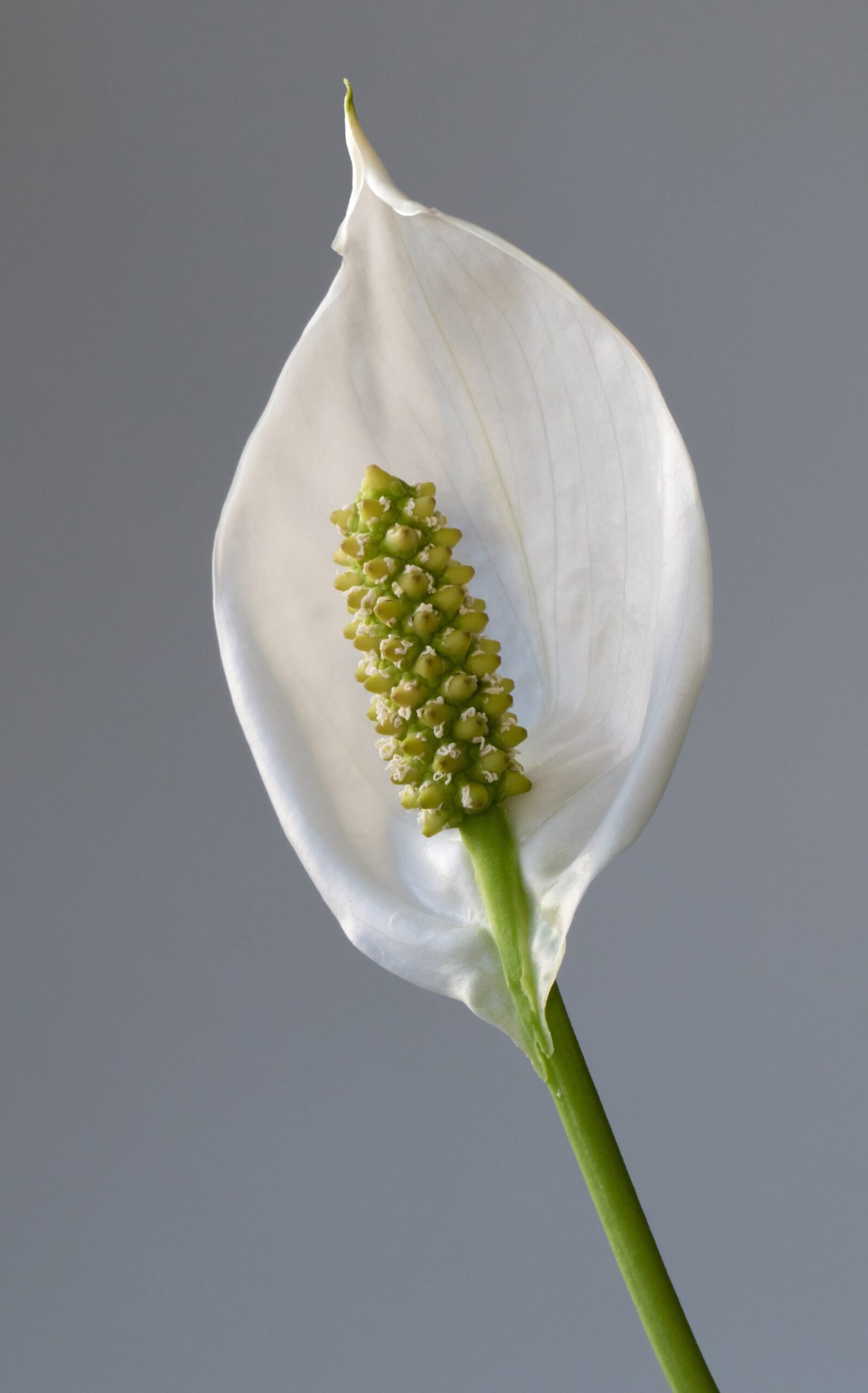
The peace lily is the plant to choose if you want flowers indoors. Its white spathes rise above deep green leaves for weeks at a time, and a happy plant can bloom more than once a year. It is also the most dramatic communicator on this list. When it gets too dry, the whole plant wilts as if it has given up entirely, then recovers within hours of watering. That theatrical droop actually helps beginners, because you get a clear signal before any real damage is done.
Peace lilies prefer medium to bright indirect light. Too little light and they stay green and leafy but stop flowering; harsh direct sun scorches the leaves. Keep the compost evenly moist rather than letting it dry out completely, which is the opposite routine from a snake plant or ZZ plant, so do not put them on the same watering schedule. Mist occasionally or group it with other plants if your air is very dry, and wipe the broad leaves with a damp cloth every month or so to remove dust.
A note on names and safety: despite the name, the peace lily is not a true lily, but it is still toxic to cats and dogs if eaten, causing mouth and stomach irritation, so keep it out of reach.
How to Choose the Right Plant for Your Room
Walk around your home in the middle of the day and look at the light without the lamps on. A spot within a metre or two of a window that never gets direct sun is bright indirect light, the sweet spot for most plants here. A windowsill that gets a few hours of morning sun suits nearly all of them too. A corner several metres from the window, or a north-facing room in winter, is low light, and that is where the snake plant and ZZ plant earn their keep.
Temperature rarely needs fussing over. Ordinary room temperatures, roughly 16 to 24 degrees Celsius, suit all six plants. What they dislike is sitting against a cold window on a winter night, baking above a radiator, or standing in the blast of a heater or air conditioner.
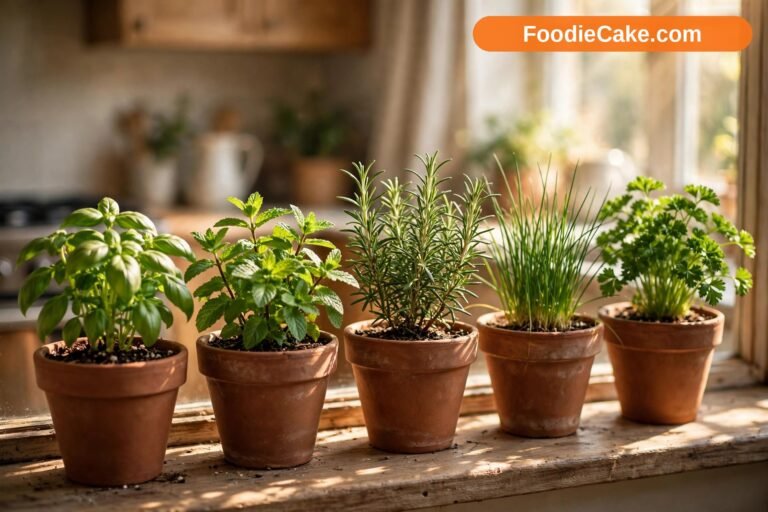
Pots and compost matter more than gadgets. Every pot needs a drainage hole, and decorative outer pots should be emptied after watering. Standard houseplant compost works for pothos, philodendron, spider plant, and peace lily. For the snake plant and ZZ plant, mix in extra perlite or coarse sand so water runs through quickly. If you enjoy indoor growing, our guide to the best herbs to grow indoors shows how basil, mint, and chives handle windowsill light in a similar way.
Practical Tips That Keep Beginner Plants Alive
Most houseplants are not killed by exotic diseases. They are killed by a watering can used on a fixed schedule, regardless of season. Learn to check the soil instead. Push a finger a few centimetres in: dry means water for the thirstier plants, while for a snake plant or ZZ plant you should check deeper and wait longer. Lifting the pot helps too, because a dry pot feels noticeably lighter than a freshly watered one. For a fuller explanation of judging moisture across different plants, see our advice on how often you should water garden plants, since the same check-before-you-water habit applies indoors and out.
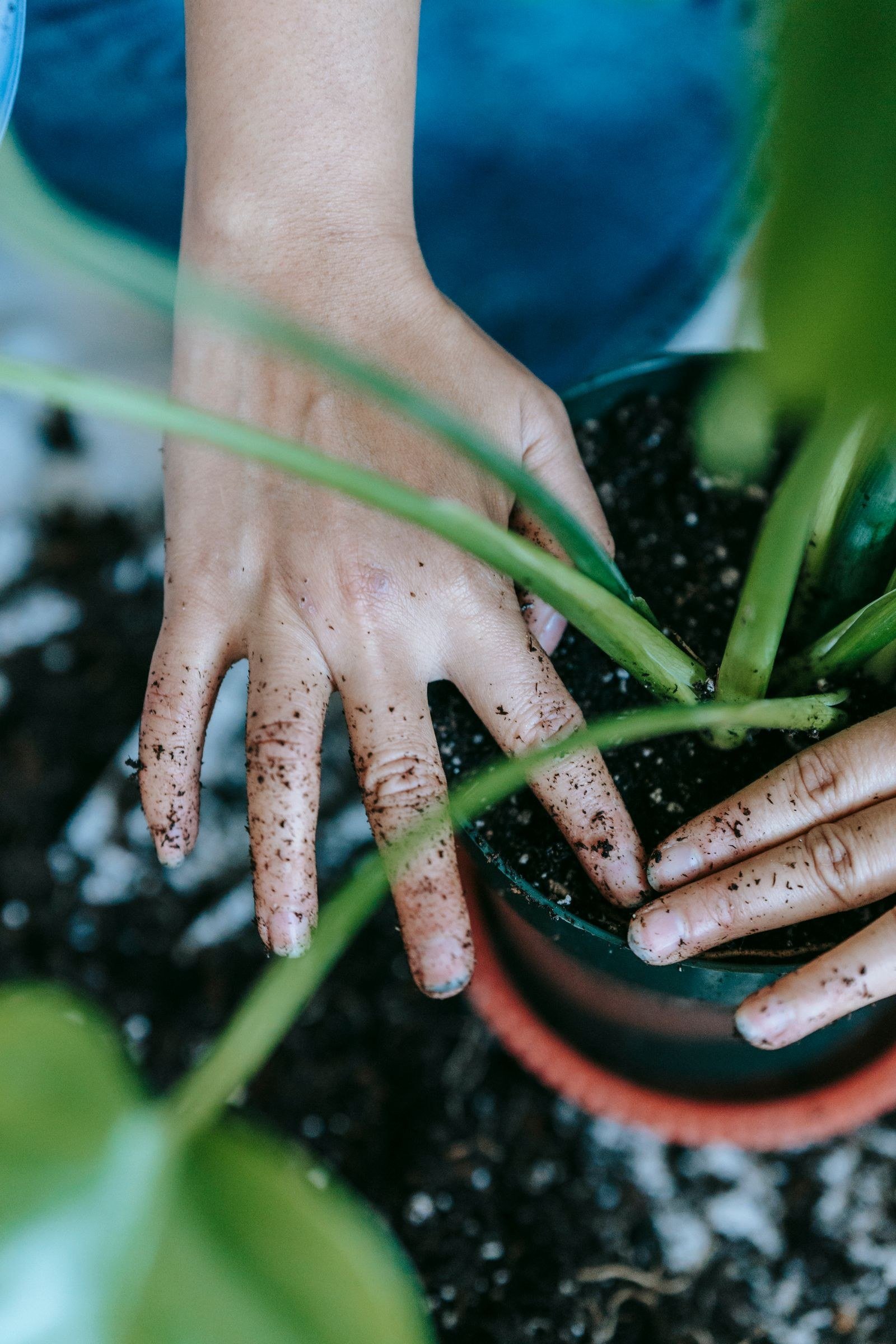
When you do water, do it properly. Take the plant to the sink, water slowly until it runs from the drainage holes, let it drain for ten minutes, then return it to its saucer or outer pot empty. This flushes out salt build-up and wets the whole root ball, unlike the daily splash that only dampens the surface and encourages fungus gnats.
Turn your plants a quarter turn every week or two. Leaves grow towards the light, and without turning, trailing plants become one-sided and upright plants lean.
Feed with restraint. Plants in average home light grow slowly and need little food. A general houseplant feed at half strength, once a month in spring and summer and not at all in midwinter, is plenty for this list.
Finally, look at your plants while the kettle boils. That small habit catches problems early: a sticky leaf, a web under a leaf, a stem going soft at the base. Just noticing change, while there is still time to act, is most of plant care.
Common Mistakes and Problems to Watch For
Overwatering is the number one beginner mistake, and it is confusing because a plant dying of root rot looks thirsty. The leaves yellow, wilt, and drop, so the owner waters again and finishes it off. If a plant wilts while the compost is already wet, do not water. Check the roots if you can: healthy roots are pale and firm, while rotted roots are brown and soft. Trim rotted roots, repot into fresh compost, and water lightly until new growth appears.
Too little light is the quiet second mistake. Plants rarely die outright; they stretch, pale, and stop growing, and variegated leaves revert to green. If a pothos stem has long bare gaps or a spider plant has not made a baby in a year, the plant is probably asking for a brighter spot rather than more food. Move it closer to a window gradually over a week so the leaves can adjust without scorching.
Pests turn up even in clean homes, usually arriving on a new plant. Quarantine newcomers on a separate windowsill for two weeks if you can. Spider mites leave fine webbing and speckled leaves in dry rooms, mealybugs look like tiny tufts of cotton in leaf joints, and fungus gnats hover around wet compost. Most small outbreaks respond to wiping leaves with a damp cloth, a firm shower in the sink, or letting the surface compost dry out.
Yellow leaves, finally, need context before panic. One old leaf yellowing at the base of a pothos is normal growth, not a crisis. Many leaves yellowing at once, especially with wet soil, points to overwatering. Yellowing with dry, crispy edges points the other way.
Frequently Asked Questions
Which indoor plant is hardest to kill?
The snake plant and the ZZ plant are the toughest on this list, because both store water and tolerate long gaps between waterings and lower light. If your main risk is forgetting, start with one of those two.
How much light do beginner houseplants actually need?
Most do best in bright indirect light, meaning near a window but out of strong direct sun for most of the day. Snake plants and ZZ plants cope with noticeably dimmer spots.
Are these plants safe around cats and dogs?
The spider plant is generally considered non-toxic to cats and dogs. Pothos, philodendron, snake plant, ZZ plant, and peace lily are all toxic if chewed, to different degrees. That does not rule them out for pet homes, but it does mean hanging them, shelving them high, or choosing a room your pets do not use unsupervised.
How often should I water my first houseplant?
There is no honest single answer, because it depends on the plant, pot, season, and room. Check the soil rather than the calendar. Peace lilies like to stay lightly moist, pothos and philodendron want to dry a little at the surface, and snake plants and ZZ plants want to dry out well. When in doubt, wait a day and check again.
Do I need to repot a plant as soon as I buy it?
Usually not. Most plants are happy in their nursery pot for months. Repot when roots circle the drainage holes, water runs straight through without soaking in, or the plant becomes top-heavy. Move up just one pot size, in spring if you can.
Can I grow these plants in a room with no window?
Not long term, no. All plants need some natural light or a proper grow light. Snake plants and ZZ plants will hold on the longest in very low light, but they will slowly decline in a windowless room. A simple LED grow bulb in a desk lamp turns a dark corner into a workable spot.
Final Thoughts
A first houseplant is not an exam. Pick one plant that suits your light and your pets, put it in a pot that drains, and learn its rhythm before you buy a second. Pothos if you want fast, trailing growth. A snake plant or ZZ plant if you travel or forget. A spider plant if animals rule the house. A peace lily if you want flowers and do not mind watering a little more attentively.
Within a few months you will notice you are checking soil by habit, turning pots without thinking, and spotting new leaves before they fully open. That is the whole hobby, quietly taking root.