

Best vegetables to grow in winter are the ones that can handle short days, chilly nights, and the odd hard frost without giving up. That does not mean every garden can produce the same harvest in January. If you live where winters stay mild, you might be picking fresh greens every week. If your ground freezes solid for months, winter growing is more about sowing in autumn, protecting what you planted, and harvesting carefully whenever the weather allows a thaw.
That honest difference matters. Winter gardening is rewarding precisely because it works with the season instead of fighting it. Many cold-hardy crops actually taste better after frost. Their plants convert some starches into sugars as a kind of natural antifreeze, so a kale leaf or carrot picked after a cold night can be noticeably sweeter than the same crop in summer. Growth slows a lot in midwinter, and that is normal. You are not chasing fast, lush growth. You are aiming for steady plants that hold well in the ground, keep their quality, and give you something fresh when the supermarket produce looks tired.
This guide walks through ten dependable choices — kale, spinach, Swiss chard, carrots, leeks, cabbage, Brussels sprouts, garlic, broad beans, and winter lettuce — with realistic timing, soil and watering advice, and protection ideas you can scale up or down. Whether you have raised beds, a small allotment, or a few large containers on a patio, there will be something here that fits your winter.
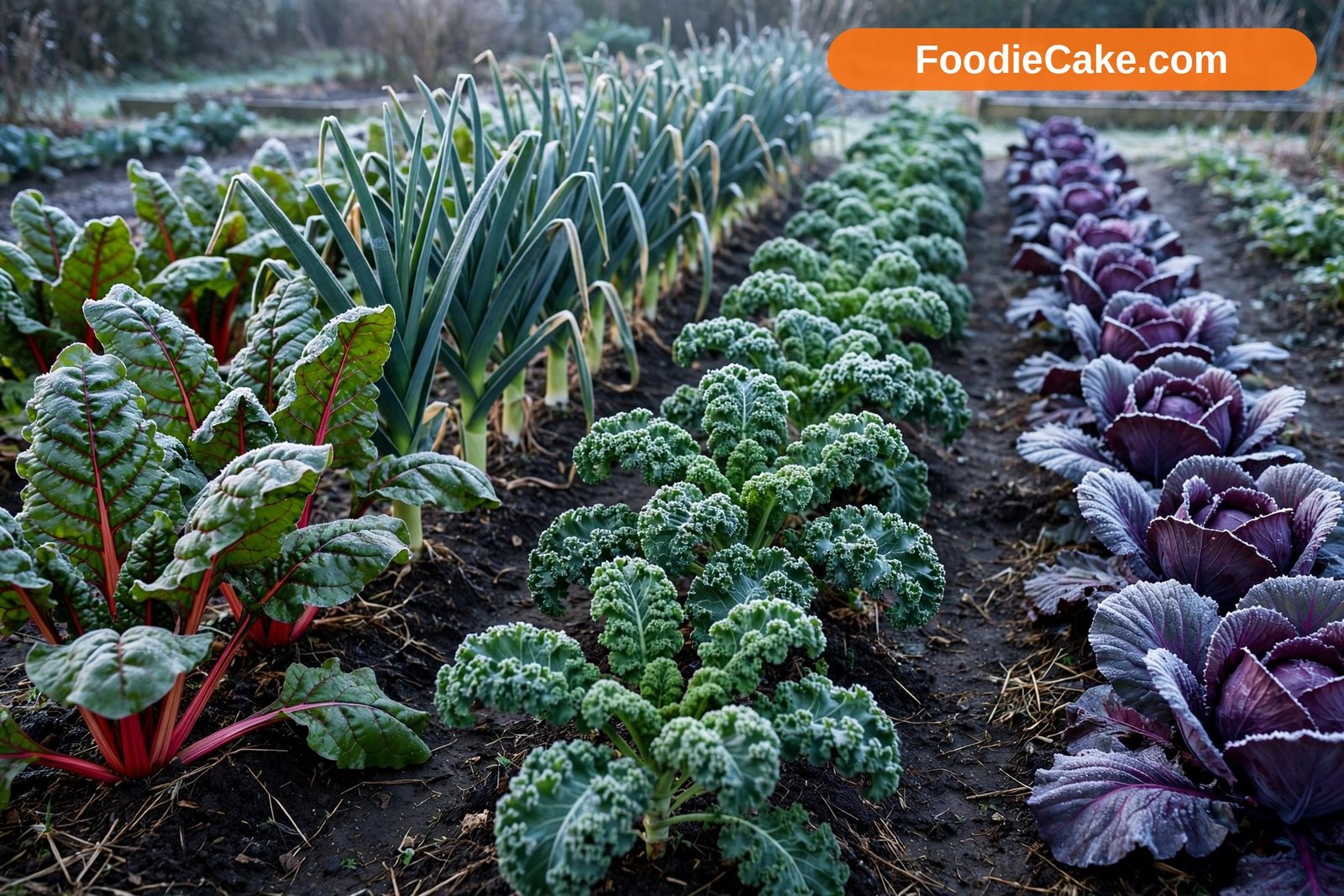
What Winter Growing Really Means in Your Zone
Before you order seeds, be clear about what winter looks like where you live. USDA hardiness zones are based on average winter low temperatures, and they give you a useful starting point, even though local wind, drainage, and shelter matter just as much.
In zones 8 to 10, winters are mild enough that many hardy vegetables keep growing, slowly but steadily, outdoors all winter. You can sow spinach and winter lettuce in early autumn and often into mid-autumn, harvest kale and chard through the coldest months, and leave carrots and leeks in the ground to lift as needed. A light row cover on the coldest nights is often all the protection you need.
In zones 5 to 7, you can still harvest through winter, but planning matters more. Most winter crops need to be well established before days get very short and growth nearly stops, usually by late autumn. Think of autumn as your real winter sowing season. Plants put on most of their size in September and October, then hold in the ground under row cover, a cold frame, or even a thick mulch. You harvest what is already there rather than expecting much new growth in December and January.
In zones 3 and 4, outdoor winter harvesting is much harder. The ground can stay frozen for long stretches, and even hardy plants may not be accessible, let alone growing. Gardeners there often treat winter crops in two ways: overwintering hardy crops such as garlic and some spinach or kale under deep mulch or snow cover so they resume growth early in spring, and using a cold frame or unheated greenhouse to extend autumn harvests a few extra weeks. That is still worthwhile. An extra month of fresh greens in late autumn is a real win.
There is also a simple distinction worth understanding. Winter harvesting means you are picking mature or near-mature crops during winter. Overwintering means the plant survives winter in a young or dormant state and then grows on strongly in spring. Garlic and broad beans are classic overwintering crops in colder areas. Kale can do both. Knowing which job a crop is doing in your garden stops a lot of disappointment.
Kale: The Most Reliable Winter Green
If you only grow one winter vegetable, make it kale. It is hardy, forgiving, and productive when little else is. Curly types such as Winterbor and Dwarf Blue Curled handle cold very well and hold their leaves in a tight rosette. Lacinato types, often sold as Nero di Toscana or Dinosaur kale, have a lovely flavour and texture but can be a touch less hardy in the coldest sites, so give them a sheltered spot or cover in zones 5 and below. Red Russian is tender and sweet for salads when young, though it too appreciates protection in a harsh winter.
Sow kale in mid to late summer for winter harvests in cold zones, so plants are sturdy before growth slows. In milder zones 8 to 10, you can sow into early autumn. Space plants about 45 to 60 cm apart, because a healthy kale plant gets bigger than most beginners expect. Plant into fertile soil that holds moisture but drains freely. Kale dislikes sitting in cold, waterlogged ground, so work in compost beforehand and avoid low spots where puddles linger after rain.
Harvest from the outside in. Pick the lowest, oldest leaves first and leave the central growing point alone, and the plant will keep producing new leaves from the centre for months. In very cold weather, leaves may droop in the morning and perk up by midday. Wait until they have thawed a little before picking, as frozen leaves bruise easily. A light frost improves flavour, but repeated hard freezes without cover can damage outer leaves in colder zones, so a simple layer of fleece or row cover is cheap insurance.
Spinach: Fast, Cold-Tolerant, and Versatile
Spinach is one of the best winter crops for gardeners who want something quick as well as hardy. Varieties bred for autumn and winter sowing, such as Giant Winter, Winter Density, and the savoyed Bloomsdale types, handle cold far better than spring varieties, which are more likely to bolt when days lengthen. Choose the right variety for the season and you have already solved half the battle.
Sow spinach in late summer to early autumn for winter picking in most zones, and a little later in mild areas. It germinates best in cool soil, so if a late summer heatwave is forecast, wait a week or sow in the evening and water well. Sow seeds about 2 cm deep in rows 30 cm apart, then thin seedlings so the remaining plants have room to form a proper rosette. Crowded spinach stays small and is more prone to mildew.
Spinach loves moisture and rich soil. Keep the bed evenly moist, especially while plants are establishing, and mulch between rows once plants are big enough. That keeps soil splashing off the leaves and reduces watering. Pick outer leaves a few at a time for a long harvest, or cut whole small plants if you sowed thickly for baby leaf. If you enjoy growing in containers through the colder months too, our guide to how to grow spinach in pots covers pot sizes and spacing in detail.
Watch the calendar as spring approaches. Lengthening days can trigger bolting, when the plant sends up a flower stalk and leaves turn bitter. That is not a failure, it is the plant finishing its cycle. Use the last harvest promptly and clear the bed for spring crops.
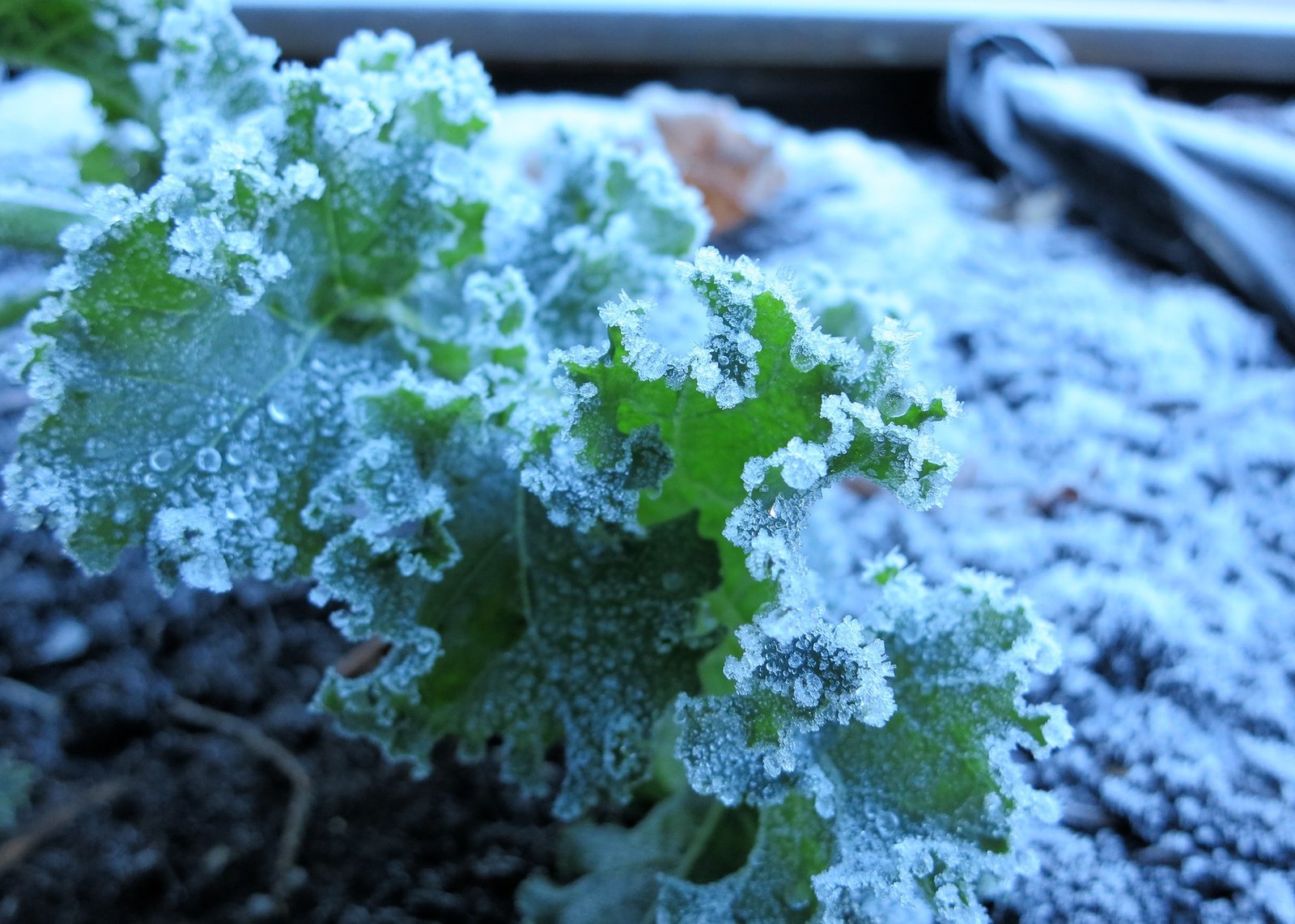
Swiss Chard: Colour and Cut-and-Come-Again Harvests
Swiss chard sits between spinach and kale in its habits. It is not quite as hardy as the toughest kales, but in zones 7 to 10 it often sails through winter, and in zones 5 and 6 it can survive with row cover or a cold frame and then regrow strongly in spring. What it offers in return is a very long picking season and, with varieties such as Bright Lights and Rainbow, stems in yellow, pink, red, and white that brighten a grey winter bed.
Fordhook Giant is a dependable green-stemmed choice with big, savoyed leaves. Bright Lights is milder and prettier for salads when leaves are young. Sow chard in late spring to midsummer for plants that will carry into winter in colder areas, or in late summer in mild zones. It needs a longer run-up than spinach, so do not leave sowing too late if your winters are cold. Space plants 30 to 40 cm apart in fertile, moisture-retentive soil.
Harvest chard by twisting or cutting outer stems at the base, leaving the centre to keep growing. Use the leaves like spinach and the thick stems like a separate vegetable — chopped and sautéed with garlic, they hold their texture well. If a hard freeze blackens the outer leaves, do not dig the plant up straight away. Cut away damaged growth when the weather softens and check the crown. Chard often resprouts from the centre if the roots were not frozen solid for long.
Carrots: Sweeter After Frost
Carrots are a winter pleasure that rewards patience. A carrot lifted on a cold morning, brushed clean, and eaten raw can taste remarkably sweet. That sweetness is real. As temperatures fall, carrots store more sugar in the root, which helps them resist freezing.
For winter harvests, choose varieties known for cold tolerance and good storage in the ground. Autumn King, Nantes types for lighter soils, and shorter, sturdier types such as Chantenay for heavier soil are all sensible choices. Sow in mid to late summer so roots size up before growth stops. In mild zones you can sow a little later, but a tiny carrot in November will still be a tiny carrot in February, because roots barely bulk up in midwinter.
Soil preparation decides your results more than any feed. Carrots need deep, loose, stone-free soil to grow straight. Fork the bed deeply, remove stones, and avoid fresh manure, which can cause roots to fork. Sow thinly, keep the seed bed consistently moist until germination, which can take two to three weeks, and thin in stages to 5 to 8 cm between roots. In cold zones, cover the row with a thick layer of straw or shredded leaves once frosts arrive. That mulch insulates the soil so you can still lift roots on many winter days instead of facing ground frozen like concrete. Mark the row clearly, because the tops die back and it is easy to lose track of where you planted.
One honest warning: in very wet winter soil, carrots can rot or be chewed by slugs sheltering under mulch. Check a root or two every couple of weeks. If the ground stays waterlogged, it is better to lift the crop and store the roots in a box of slightly damp sand in a cool shed than to lose the lot in the bed.
Leeks and Cabbage: The Slow, Steady Winter Staples
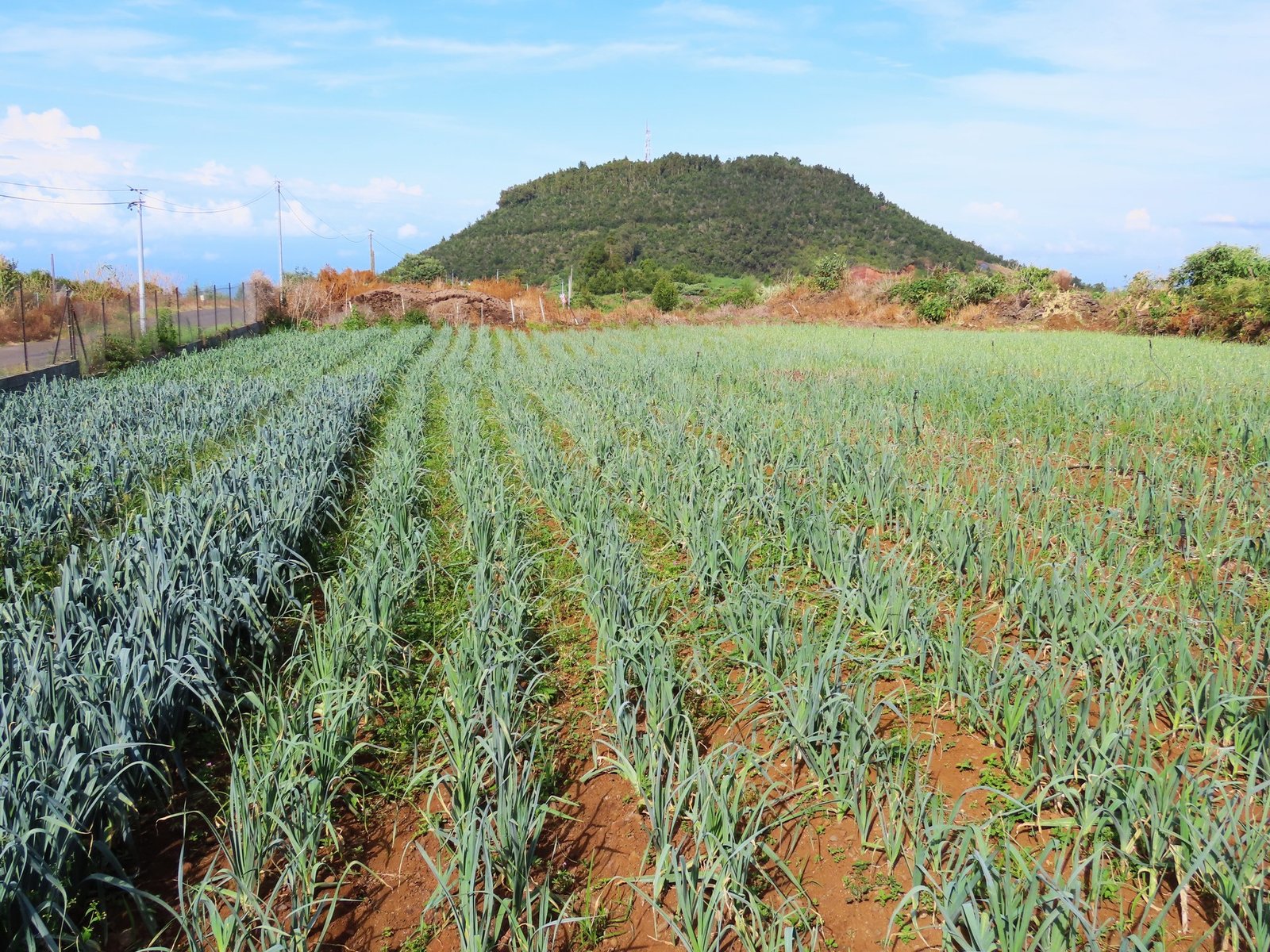
Leeks are made for winter. Varieties such as Musselburgh, Blue Solaise, and Bandit are bred to stand through cold weather and still look respectable in late winter when much of the plot is bare. They take a long time to grow, so they are almost always started in spring and planted out in early to midsummer, then left to thicken for winter use. If you are reading this in autumn hoping to sow leeks for this winter, be realistic: they are a crop to plan for next year, not a quick fix now.
Plant leeks into rich soil, in holes about 15 cm deep, spacing them 15 cm apart in rows 30 cm apart. Water them into their holes to settle soil around the roots. As they grow, draw a little soil up around the stems to blanch a longer white shank, though modern varieties are fairly self-blanching and this is optional. Harvest with a fork, easing the plant out rather than pulling, because winter soil can grip tightly. Trim roots and the darkest leaf tips in the kitchen, not on the plot, if you want the leeks to store a few days in the fridge.
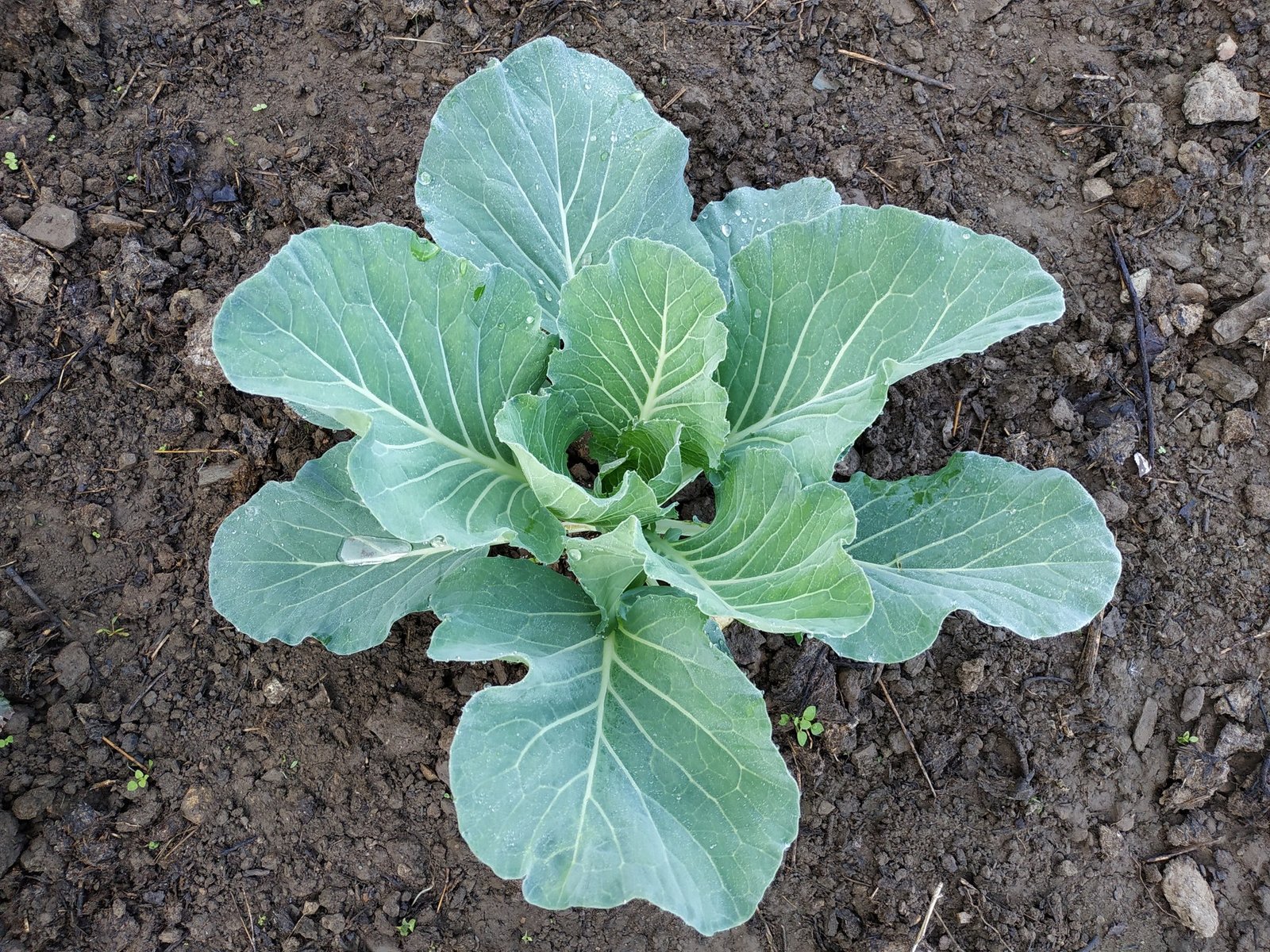
Winter cabbage is equally steady. January King, with its purple-tinged leaves, is a classic savoy type for harvesting through winter, and varieties such as Tundra and Wintergreen are bred specifically to hold well in cold weather. Like leeks, winter cabbages are sown in spring and planted out in early summer so heads are firm before winter. Give them firm, fertile soil — cabbage dislikes loose, poor ground — and space them generously, around 45 to 60 cm apart. Netting in summer helps keep pigeons and cabbage white butterflies off, and firm heads store in the ground far better than soft, fast-grown summer cabbages. Cut heads as you need them, checking occasionally for slugs hiding between outer leaves.
Both leeks and cabbage teach the central lesson of winter gardening: the harvest you enjoy in January was decided by what you did in May, June, and July. Keep a simple note each year of sowing and planting dates. Next winter, you will thank yourself for it.
Brussels Sprouts, Garlic, and Broad Beans
Brussels sprouts divide opinion at the table, but in the garden they are a genuinely valuable winter crop. Plants such as Igor, Brendan, and traditional types like Evesham Special produce buttons that improve in flavour after frost and can be picked a handful at a time over many weeks. Sow in spring, plant out in late spring to early summer into very firm, fertile soil, and stake tall plants in windy sites, because a sprout plant leaning at an angle in winter is awkward to harvest and more likely to blow loose in wet soil. Pick sprouts from the bottom of the stem upwards, choosing firm buttons about the size of a walnut and snapping them off cleanly. Remove yellowing leaves from the lower stem to improve air flow.
Garlic works on a different calendar. It is planted in autumn, usually from mid-autumn to early winter depending on your zone, because the cloves need a period of cold to form a proper bulb with separate cloves. Hardneck varieties such as Music and German Extra-Hardy suit cold winters well. Softneck varieties such as Artichoke types often do better in milder areas and store longer. Plant individual cloves pointed end up, about 2.5 to 5 cm deep and 15 cm apart, in free-draining soil in full sun. Garlic hates winter waterlogging more than cold, so raised beds help on clay. You will see green shoots before winter, a pause in the coldest weeks, then strong growth in spring, with harvest the following summer. It is an overwintering crop, not a winter harvest, and it is worth every month of patience.
Broad beans, called fava beans in North America, can be sown in autumn in zones 7 to 10 for an early crop the following spring. Aquadulce Claudia is the classic autumn-sowing variety, bred for exactly this job. Sow seeds 5 cm deep, 20 cm apart, in a sheltered spot, and support the rows with string between canes once plants grow tall, because winter winds can flatten them. In colder zones, or on exposed plots, spring sowing is safer and only slightly later to harvest. Either way, picking the pods young gives you tender beans, and picking regularly encourages more pods.
Winter Lettuce and Other Quick Wins
Not everything for winter needs a six-month plan. Winter lettuce varieties such as Winter Density, Arctic King, and Winter Gem are bred to grow slowly in cool conditions and tolerate light frost. In zones 8 to 10 they can produce pickable leaves through much of winter from an early autumn sowing. In colder zones, grow them in a cold frame or under a double layer of row cover and treat any midwinter harvest as a bonus rather than a promise.
Sow little and often in late summer and early autumn, either in short rows or in modules for transplanting. Lettuce needs light to germinate well, so barely cover the seed. Keep soil moist and pick outer leaves rather than whole heads in winter, so each plant lasts longer. The same approach works for Asian greens such as mizuna and tatsoi, corn salad (also called lamb’s lettuce), and land cress, all of which shrug off cold that would finish summer salads. If you are new to growing and want quick results alongside your winter beds, you might also enjoy our round-up of the best fast growing vegetables for beginners for crops to try when spring returns.
Radishes deserve a brief mention too. Winter types such as daikon and Black Spanish are different from the small spring radishes. Sown in late summer, they form large roots that store in the ground or in a cool shed and add a crisp bite to winter cooking. They are not for everyone raw — they can be pungent — but grated into slaws or roasted, they earn their space.
Sowing and Planting Times That Actually Work
Timing is where winter growing most often goes wrong, so here is a plain way to think about it. Count back from when growth slows down in your area, not from when you want to harvest. In many temperate gardens, plant growth nearly stops when days drop below about ten hours of light, often from late autumn into midwinter. Your crops need to reach near harvest size before that slowdown begins.
As a rough guide, kale, chard, and cabbage-family crops for winter in zones 5 to 7 are sown in late spring to midsummer and planted out by midsummer. Spinach and winter lettuce for winter picking are sown from late summer into early autumn. Carrots for winter lifting are sown in midsummer. Garlic goes in during autumn. In zones 8 to 10, you can shift many of the autumn sowings two to four weeks later, because growth continues longer into the season. In zones 3 and 4, shift earlier and rely more on protection and overwintering.
Keep a notebook or a note on your phone. Variety, sowing date, planting date, and one line on how it performed will teach you more about your own plot in two seasons than any general guide can, because your soil, shelter, and rainfall are specific to your garden. Seed packets give a useful range, but your notes give you the local truth.
Protecting Crops With Cold Frames and Row Cover
Protection does not need to be expensive or complicated. Row cover, also called horticultural fleece, laid loosely over hoops so it does not press frozen fabric directly onto leaves, can give a few degrees of frost protection and keeps off winter pests and driving rain. Weight the edges with bricks or soil so wind cannot lift it. On milder days in late winter, lift the cover for a few hours to let air circulate and reduce the risk of mould.
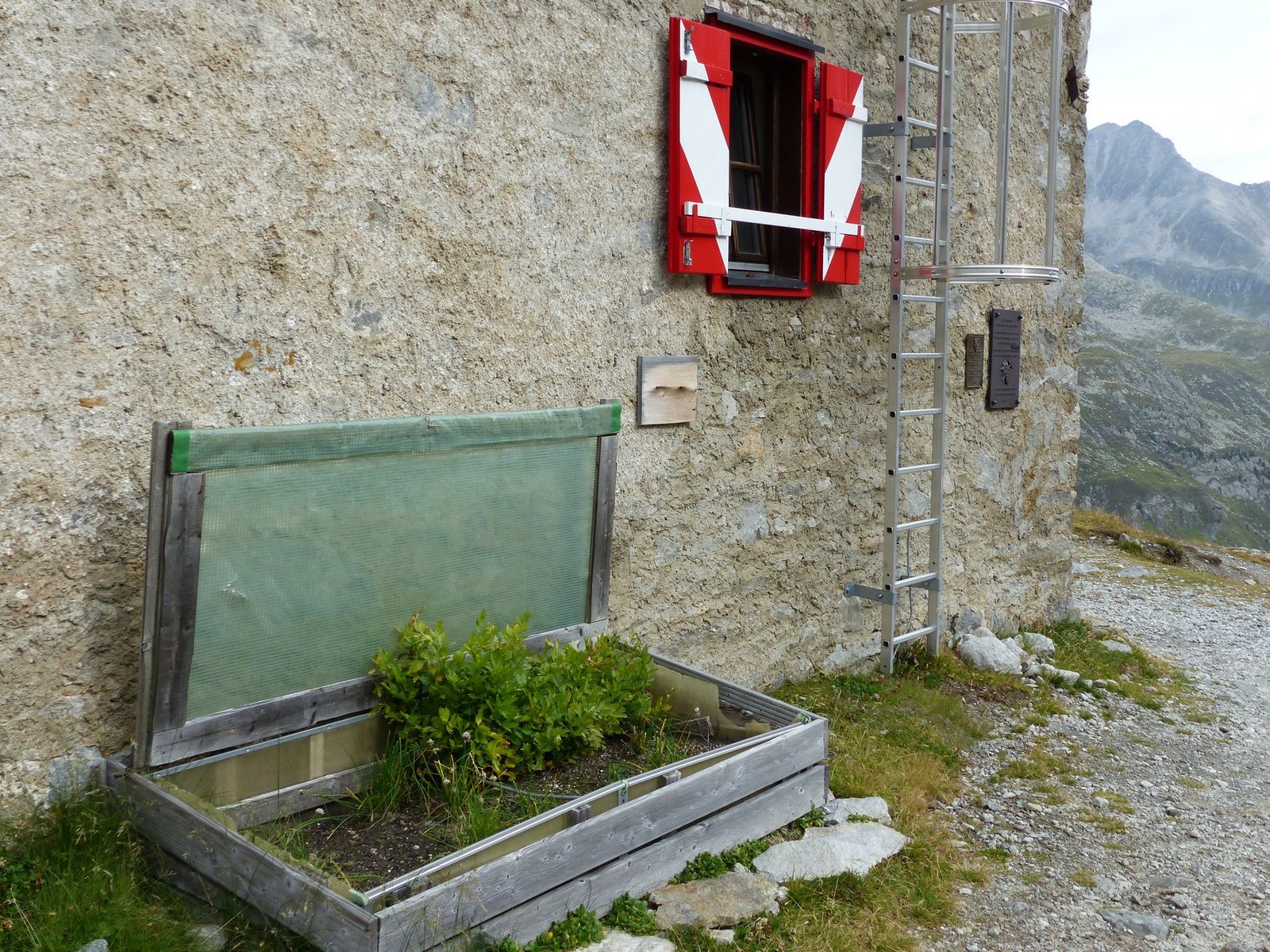
A cold frame — a bottomless box with a transparent lid — suits smaller crops such as spinach, lettuce, and young chard. Position it in a sunny, sheltered spot, and prop the lid open on sunny days, even in winter, because temperatures inside can spike and then crash, which stresses plants more than steady cold. Cloches, even simple ones cut from large clear plastic bottles with the cap removed for ventilation, protect individual plants surprisingly well.
Mulch is the quiet third option. A thick layer of straw, shredded leaves, or compost around carrots, leeks, and parsnip-type roots insulates the soil and makes lifting possible in frosty weather. For leafy crops, mulch between plants rather than over them. Whatever protection you choose, check under it once a week. Slugs love the sheltered, damp world under fleece as much as your crops do.
Soil, Watering, and Feeding in Cold Weather
Winter soil asks for drainage above all. Most winter crop failures blamed on cold are really failures of wet soil. Roots sitting in cold water rot, and plants that were perfectly hardy in a dry frost collapse in a wet one. If your plot is heavy clay, raised beds, added organic matter, and avoiding walking on wet beds to compact the soil will do more for your winter harvest than any special feed. Dig in garden compost in late summer or early autumn before planting winter crops, and let worms do the mixing.
Watering in winter surprises new gardeners. You will water far less than in summer, and in rainy climates you may not need to water established outdoor crops at all for weeks. Crops under cover are the exception. Cold frames and cloches shed rain, so check the soil underneath with a finger pushed a few centimetres down. If it feels dry at root depth, water in the morning so foliage dries before night. Always water at the base rather than over the leaves in cold weather, since wet leaves going into a frosty night are more likely to be damaged and to develop disease.
Feeding should be modest. Plants growing slowly in low light cannot use heavy doses of fertiliser, and soft, overfed growth is more vulnerable to frost damage and aphid attack under cover. A compost mulch and, for hungry crops such as cabbage and leeks, a general organic fertiliser applied at planting time is usually enough. Save liquid feeding for spring, when overwintered crops wake up and start growing strongly again. That spring feed, given as growth resumes, is one of the most useful things you can do for garlic, broad beans, and overwintered kale.
Practical Tips for a Better Winter Harvest
Start with the tips that make the biggest difference, then add the refinements as you gain confidence.
Choose varieties bred for winter, not just varieties that happen to survive it. Seed catalogues label them clearly — words like winter, hardy, autumn-sown, and frost-tolerant in the variety description are worth paying attention to. A winter spinach and a summer spinach are genuinely different tools for different jobs.
Give plants shelter without shade. A fence, hedge, or wall that blocks the prevailing winter wind protects crops a great deal, especially broad beans and tall Brussels sprouts. Just make sure the shelter does not cast the bed into all-day shade, because winter light is already scarce and crops need every hour of it.
Sow a little extra and expect some losses. Winter is harder on young plants than summer. Having a few spare spinach or lettuce plants in modules under cover lets you fill gaps after a storm or a slug attack without losing the row.
Label everything with the variety and sowing date. Winter beds all look similar by December, tops die back on root crops, and you will not remember which row was which. A simple label saves a lot of guesswork at harvest.
Harvest little and often, and harvest thoughtfully. Pick outer leaves from kale, chard, and spinach rather than stripping plants. Lift carrots and leeks as you need them, because the ground is the best store you have, as long as it is not waterlogged. On very cold days, harvest in the afternoon after plants have thawed, not first thing when leaves are frozen and brittle.
Keep a small winter toolkit handy: spare fleece for a sudden hard frost forecast, a few bricks to weight it down, string and canes for wind-blown broad beans, and slug protection you are comfortable using, checked regularly. Five minutes of preparation before a cold snap saves crops that took five months to grow.
Finally, enjoy the plot in winter, even on days when there is nothing to pick. A short walk around the beds shows you where water sits, which corner catches the wind, and which plants are thriving. Those observations quietly make next year’s winter garden better.
Common Mistakes and Problems to Avoid
The most common mistake is sowing too late. Gardeners get inspired in October, sow kale or carrots, and then watch seedlings sit still all winter and conclude that winter growing does not work. The crop was fine. The calendar was not. Most winter crops need to do their growing in autumn. If you have missed the window, sow garlic, broad beans where suitable, or prepare beds for spring instead, and put the dates in your diary for next year.
The second mistake is ignoring drainage. Planting winter crops into a bed that stays soggy, then blaming frost when they rot, is very common. Improve the soil, use raised beds on wet ground, and never plant garlic or broad beans into soil that puddles and stays puddled.
Crowding is another quiet problem. Winter plants need airflow even more than summer ones, because damp, still air under cover encourages grey mould and mildew. Thin spinach properly, space cabbages generously, and remove yellowing lower leaves from sprouts and kale so air can move.
Pests do not disappear in winter. Pigeons can strip kale and cabbage-family leaves to the midrib in a few days when other food is scarce, so net those crops before damage starts rather than after. Slugs remain active in mild, wet spells and shelter under mulch and fleece. Check regularly, especially after rain. Aphids sometimes build up on crops under cover where natural predators are less active. A firm jet of water or simply removing badly infested leaves usually keeps them in check until spring.
Disease problems in winter are mostly about air and water. Grey mould appears as fuzzy grey growth on damaged or crowded leaves. Remove affected leaves promptly, space plants properly, and ventilate cold frames on mild days. Clubroot, a soil disease of cabbage-family crops, shows as stunted plants with swollen, distorted roots. It persists in soil for years, so if you suspect it, grow that family in a different bed in future years and avoid moving soil from the affected bed around the garden on boots and tools.
The last mistake is giving up on plants too quickly after a hard frost. Kale, chard, and leeks often look dreadful after a severe night, with limp, darkened outer leaves, and then recover from the centre once temperatures ease. Wait a few days, remove only tissue that has clearly turned mushy, and see what regrows before you clear a bed.
Frequently Asked Questions
What is the easiest vegetable to grow in winter?
Kale is the easiest for most gardeners. It tolerates cold, keeps producing leaves for months, and forgives uneven watering and mediocre soil better than most crops. Spinach is a close second if you choose a winter variety and sow it on time, because it grows faster and gives you a harvest sooner.
Can I grow vegetables in winter in zones 5 to 7?
Yes, with planning. Sow and plant in summer and early autumn so crops are well grown before midwinter, then protect them with row cover, mulch, or a cold frame and harvest through winter. Growth will be very slow in the coldest weeks, so think of the bed as a living store cupboard rather than a fast-growing summer plot.
Which vegetables actually taste better after frost?
Kale, Brussels sprouts, carrots, parsnips, and leeks are well known for sweetening after frost. Cold triggers the plants to convert some starch into sugar, which acts as protection against freezing and gives the harvested crop a milder, sweeter flavour. A light frost helps. A long, severe freeze without protection can still damage leaves, so sweeter does not mean invincible.
When should I sow vegetables for a winter harvest?
It depends on the crop and your zone, but most winter harvests start much earlier than people expect. Cabbage-family crops are usually sown in late spring to midsummer, carrots in midsummer, spinach and winter lettuce from late summer to early autumn, and garlic in autumn. In mild zones 8 to 10 you can sow leafy crops a few weeks later than in zones 5 to 7.
Do winter vegetables need watering?
Established outdoor crops in a rainy winter climate often need very little extra water. Crops under row cover, cloches, or cold frames do need checking, because the cover keeps rain off the soil. Push a finger into the soil, and if it is dry a few centimetres down, water at the base in the morning.
Can I grow winter vegetables in containers?
Yes. Kale, spinach, chard, winter lettuce, and carrots in a deep pot all work well in containers. Use the largest pots you can, because a bigger volume of compost holds moisture and temperature more steadily. Containers dry out faster than beds even in winter, and pots can freeze through in severe cold, so group them in a sheltered spot and check moisture weekly.
Final Thoughts
A winter vegetable garden will never look like a summer one, and it is not meant to. It is slower, quieter, and more about timing and toughness than abundance. But there is a particular pleasure in walking out on a cold afternoon and coming back with a bunch of kale, a few leeks, and carrots that taste sweeter for having waited in frosty ground.
Start small if this is new to you. One bed of kale and spinach, a row of garlic, and a short row of carrots under straw mulch will teach you more than a grand plan you cannot keep up with. Note your sowing dates, protect crops simply, and harvest little and often. Next year, you will sow a week earlier where it mattered, choose the varieties that proved themselves on your soil, and wonder why you ever left the garden empty all winter.