How to Grow Spinach in Pots
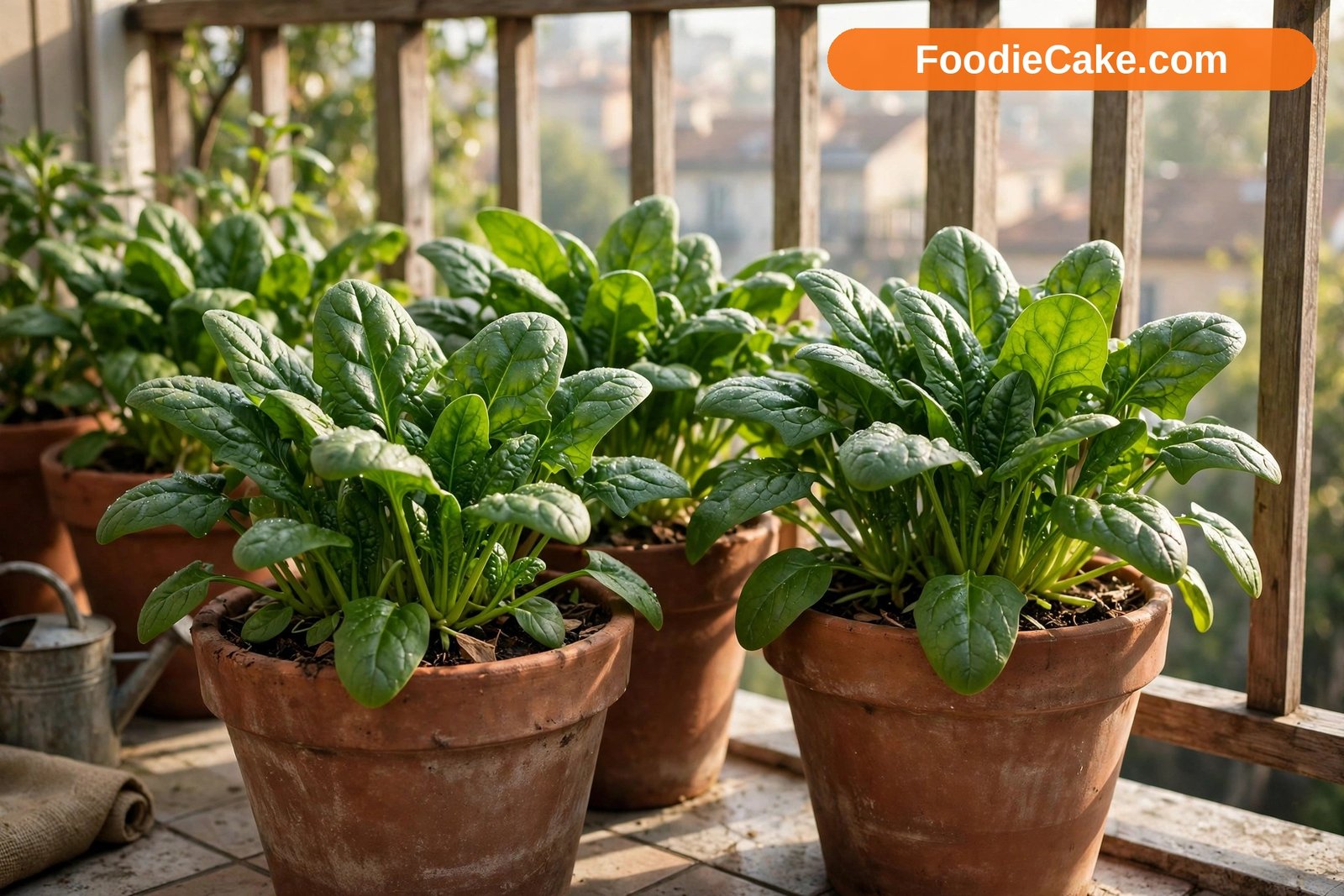
How to grow spinach in pots is one of the most useful skills a small-space gardener can learn, because spinach is almost designed for container life. It grows quickly, its roots stay shallow, it loves the cool weather of spring and autumn when many other crops are barely moving, and you can pick it leaf by leaf for weeks. A single wide pot on a balcony, patio, or sunny windowsill can keep you in salads, sandwiches, and quick wilted greens without needing a vegetable bed at all.
Spinach also suits the way most of us actually garden. You do not need to wait for a whole crop to mature at once, you do not need to dig, and if the weather suddenly turns hot you can simply move the pot into shade — something no gardener with spinach in the ground can do. For beginners especially, a pot gives you control: over the soil, over the watering, and over slugs, which are far easier to keep off a raised container than off an open bed.
With spinach, when you sow matters almost as much as how you sow. Get the timing right and you will be picking your first tender leaves in as little as five or six weeks. Get it wrong — sow into the heat of midsummer — and the plants bolt before you pick a single decent leaf. This guide is built around that calendar, so the timing stays front and centre.
The Two Windows: A Spinach Calendar
Spinach is a cool-season crop through and through. It grows best when days are mild, roughly between 10°C and 20°C, and it slows down, then bolts, as days lengthen and temperatures climb. In a pot you can follow the season around your space: a sunny spot in March, a shadier corner in May, back into the light for an autumn crop. That mobility is a real advantage, and it extends your harvest at both ends of the year.
| Sowing window | When | What happens |
|---|---|---|
| Spring | Late winter into spring, as soon as compost is workable and days are regularly above about 5°C; small sowings until late spring | Fast growth in lengthening days; pick before the heat arrives |
| Late summer to autumn | From late summer onwards, into the cool, shortening days | Often the better window — plants grow steadily, bolt slowly, and in mild areas can overwinter with a little protection for an early spring pick |
| Midsummer | Avoid | Seed sown into hot compost in the longest days either fails to germinate or bolts almost immediately; grow heat-loving crops in the pots instead |
Sow a small pot or a short row in a trough every two weeks through spring, pause in the hottest part of summer unless you have a cool shady spot, then resume every two weeks from late summer into autumn. Each pot is at its best just as the previous one tires. Write the sowing date on a label in each pot, and let the calendar, not guesswork, tell you when to sow the next one. The RHS spinach guide agrees that sowing little and often is the key to a long season — see How to grow spinach | RHS.
Savoy, Smooth or Semi-Savoy: Which Leaf Suits You
Choosing the right variety matters more in a pot than in the ground, because you want plants that stay compact, resist bolting for as long as possible, and suit the way you like to eat spinach. Varieties fall into two broad leaf types, and it helps to know the difference before you order seed.
Savoy spinach has deeply crinkled, dark green, almost blistered leaves. It looks handsome, has a rich flavour, and the sturdy leaves hold up well in cooking. The trade-off is that the crinkles trap soil and grit, so savoy types need thorough washing. Smooth-leaf spinach has flat, rounded leaves that are much easier to rinse clean, tend to grow a little faster, and are the usual choice for baby-leaf salads and for containers. Semi-savoy types sit in between, with gentle crinkles and easier washing.
| Variety | Leaf type | Why grow it |
|---|---|---|
| Bloomsdale Long Standing | Savoy | Classic flavour; stands longer than older savoy types as weather warms; substantial leaves for cooking |
| Baby’s Leaf | Smooth | Bred for tender baby leaves; smooth, sweet and quick; ideal for salads and little-and-often sowing |
| Tyee | Semi-savoy | Good bolt resistance and tolerance of downy mildew; works for spring and late-summer sowings |
| Space | Smooth | Fast, upright growth keeps leaves cleaner and makes picking easy; good bolt resistance |
For a spring pot, pick a slow-to-bolt variety such as Tyee or Space. For baby-leaf salads, a smooth type such as Baby’s Leaf is the easy choice.
The Pot and the Mix
Spinach needs width more than depth, but it still needs enough soil volume to stay evenly moist — and soil volume is the thing beginners most often skimp on. As a minimum, choose a container at least 15 to 20 centimetres deep, and preferably 25 to 30 centimetres wide or more for a small group of plants. A wide, shallow trough, a window box, or a broad terracotta or plastic pot all work well. A fabric grow bag of ten litres or more is another good option and is easy to move. Avoid tiny pots: a small volume of compost heats up, dries out in hours on a bright day, and stresses the plants straight into bolting.
Drainage is non-negotiable. The pot must have holes in the base, and it should sit on feet, bricks, or a saucer that lets excess water escape rather than leaving the base sitting in a puddle. Spinach likes moisture, but it does not like sitting in waterlogged compost, which starves roots of air and invites rot. A thin layer of coarse material over the holes can stop compost washing out, but a deep layer of crocks is unnecessary and just steals soil depth the plants could use.
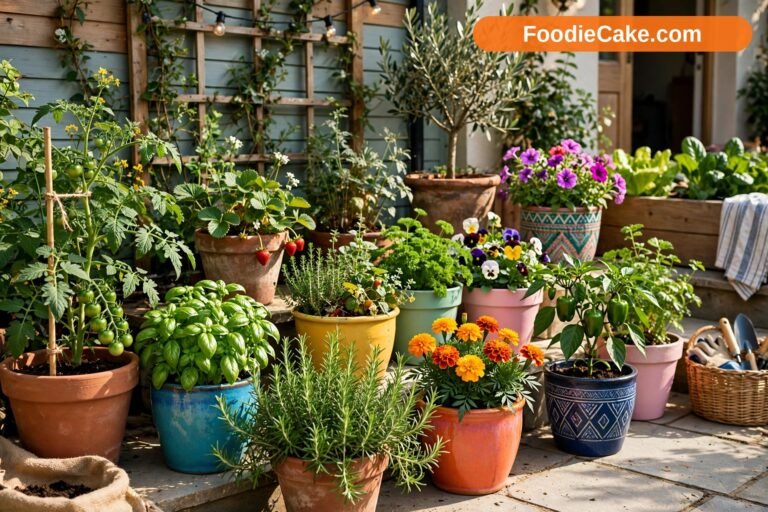
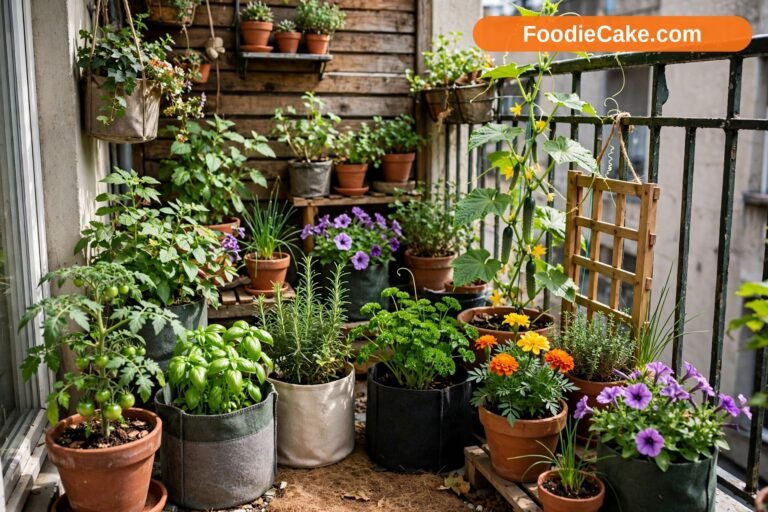
For the growing mix, use a good-quality, peat-free multi-purpose compost as your base, and mix in a few handfuls of garden compost or well-rotted leaf mould if you have it — roughly three parts multi-purpose to one part garden compost is a comfortable blend. Spinach likes a fertile, moisture-retentive mix that still drains freely, with a roughly neutral pH. Avoid using straight garden soil in pots: it compacts, drains poorly in a container, and brings weed seeds with it. If you are setting up several containers this season, the basics in our guide to how to start a container garden will help you get pots, drainage, and positioning right from the start.
Sowing: Soil Temperature Is the Boss
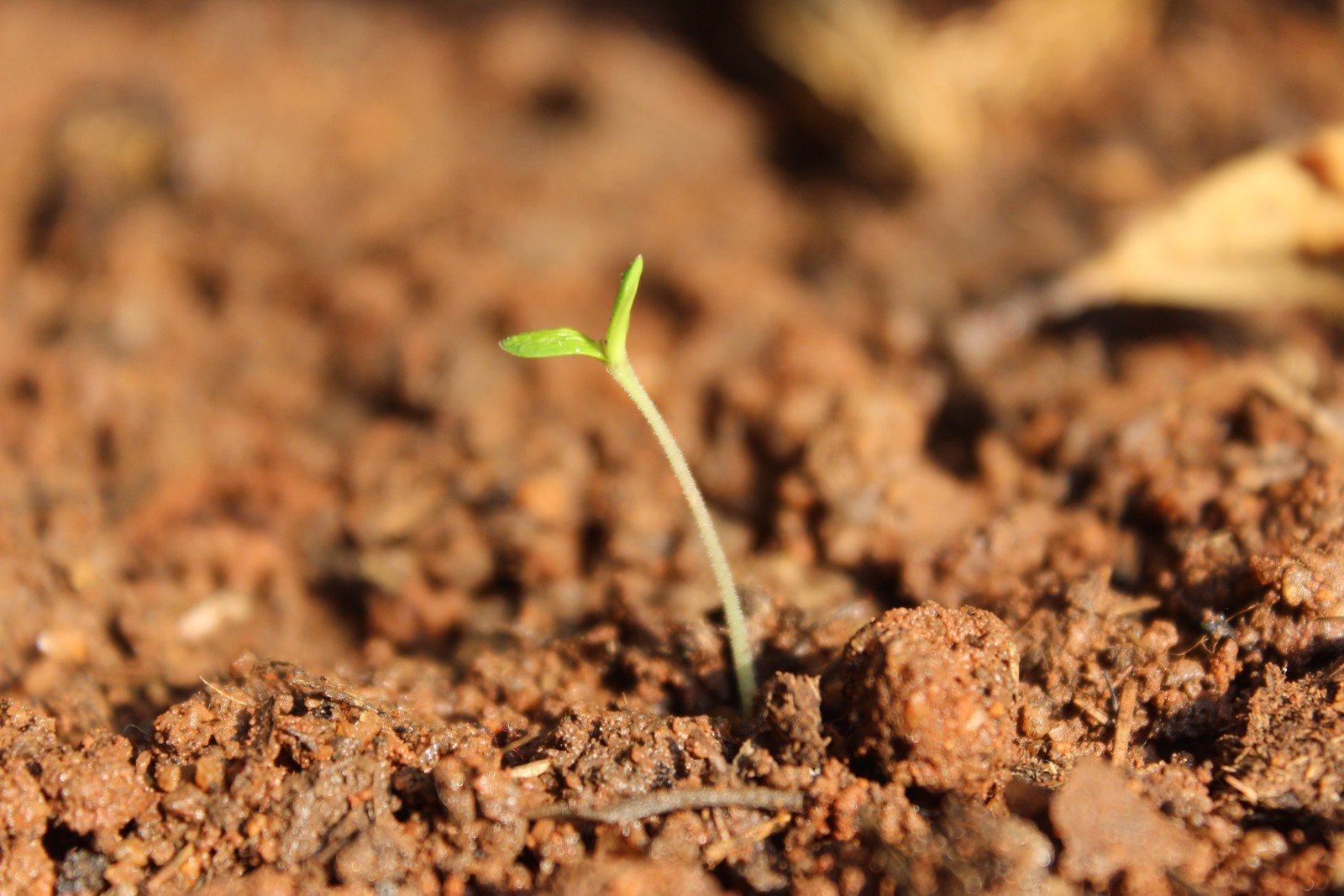
Soil temperature decides germination. Spinach seed germinates best in cool soil, roughly between 7°C and 21°C, germinating faster towards the warmer end of that range and slowly or not at all in hot soil above about 24°C to 25°C. In cool spring compost, expect seedlings in seven to fourteen days; in warm conditions they may appear in five to seven days — or refuse altogether, which is a temperature problem, not a seed problem.
A couple of tricks help when conditions are borderline. Priming the seed — soaking it in water for twelve to twenty-four hours, then drying it on kitchen paper just enough to handle — can speed and even out germination. In late summer, when pots and compost are warm, water the pot the evening before sowing, sow in the cool of the morning, and stand the pot in shade until seedlings appear. Some gardeners chill dry seed in the fridge for a few days before a late-summer sowing; the evidence is mixed, but the shade and cool compost steps reliably make the bigger difference.
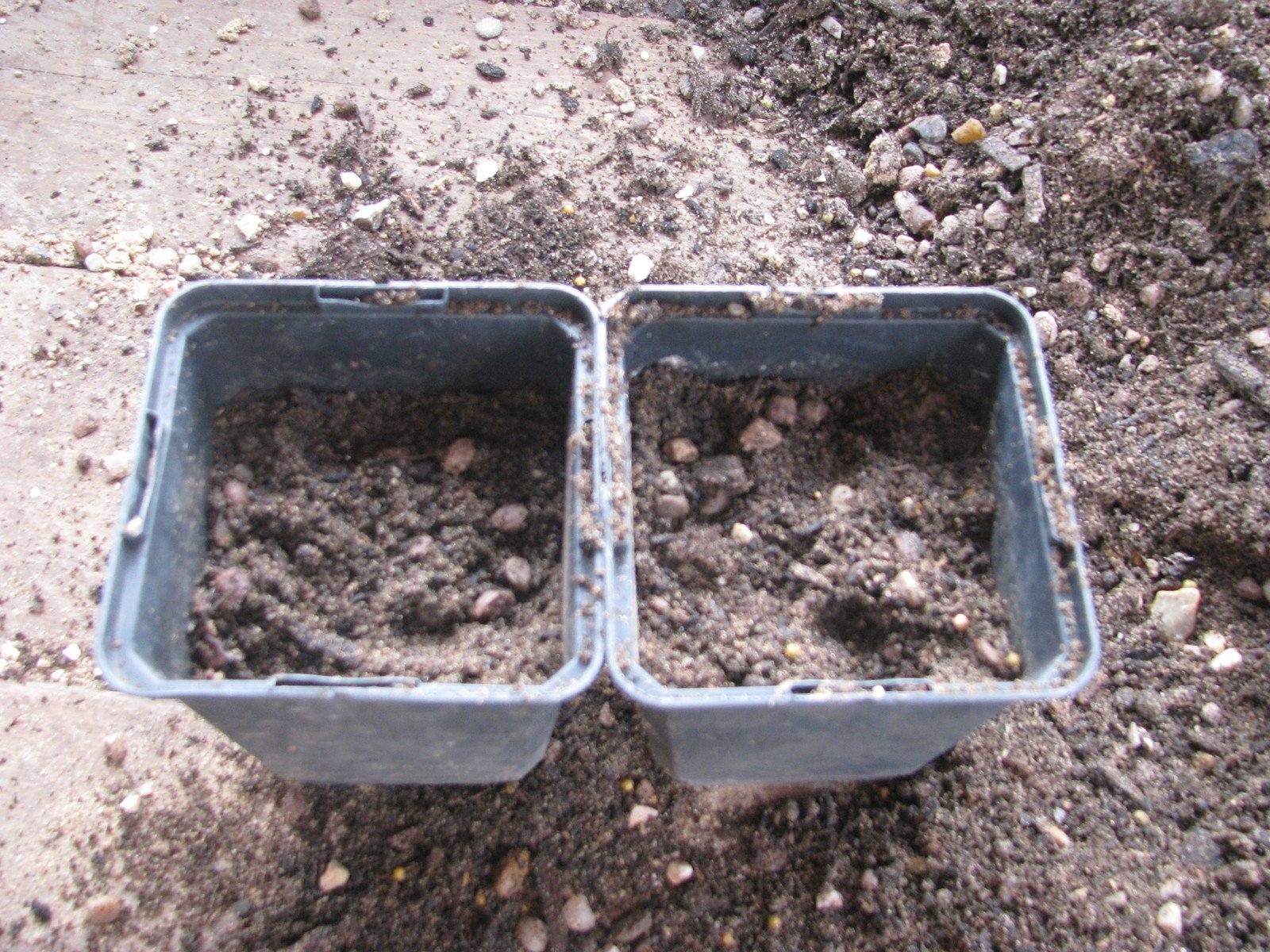
To sow, scatter seed thinly over the surface or sow in shallow drills about a centimetre deep, cover lightly with compost, firm gently with the flat of your hand, and water with a fine rose so you do not wash the seed into clumps. Aim to sow a little more than you need and thin later, rather than sowing so thinly that gaps leave you with half a pot. Label the pot with the variety and date — in three weeks, every green seedling looks the same.
Thinning: Fewer Plants, More Spinach
Crowding is the quiet enemy of pot spinach. Seedlings that grow up shoulder to shoulder compete for light, water, and food, stay small, and bolt sooner than well-spaced plants. Thinning feels ruthless, but it is the kindest cut you will make all season — and the thinnings are edible, so nothing is truly wasted.
Start thinning when seedlings have their first true leaves, the pair that follows the round seed leaves. For baby-leaf picking, thin to about 5 centimetres apart, so leaves can be cut young and often. For full-sized plants you intend to pick leaf by leaf over many weeks, thin in stages to a final spacing of about 10 to 15 centimetres between plants. In a 30-centimetre pot, that means roughly four to six full-sized plants — fewer than most beginners expect, and they will out-produce a dozen cramped ones.
Light Without Heat: Moving the Pot
Spinach wants light, but it does not want heat, and balancing those two needs is the main positioning skill. In spring and autumn, when the sun is gentle, give pots the sunniest spot you have — at least five to six hours of direct light a day will grow strong, sweet leaves. South- or west-facing balconies, patios, and windowsills all work, provided you watch watering, since sunny pots dry faster.
As late spring warms up, move pots to partial shade — somewhere that gets morning sun and afternoon shade is ideal — or stand them in the light shade of taller container plants. This one move can delay bolting by days or even weeks. On a very hot spell, moving a pot to the coolest shaded corner you have, even for just a few days, is worthwhile: spinach would rather have a short spell of low light than a roasting.
Water and Light Feeding
If spinach could ask for one thing, it would be even moisture. Not soaked, not parched — steadily, evenly moist compost from sowing to harvest. Pots that swing between dry and drenched produce tough, bitter leaves and plants that bolt at the first opportunity, while pots kept consistently moist produce tender growth week after week.
Water when the top centimetre or two of compost feels dry to a fingertip pushed into the surface, and water thoroughly when you do, until a little runs from the drainage holes. In spring and autumn that might mean watering every two or three days; in a warm, windy spell, a shallow pot may need water daily. Morning watering is best, wetting the compost rather than the leaves where you can, because leaves that stay wet overnight are more prone to mildew. A saucer under the pot in hot weather helps as a small reservoir, but empty standing water after half an hour or so in cool weather rather than leaving roots sitting in it.
Feeding should be light and nitrogen-leaning, because you are growing leaves, not fruit. If your potting mix included garden compost, plants may need no extra feed for the first few weeks. After that, a weak liquid feed every week or two — a general organic liquid fertilizer used at half strength, or diluted compost tea or nettle tea if you make your own — keeps leaves green and growing. Stop there: heavy feeding gives soft, floppy leaves, can make flavours harsh, and wastes feed in a crop that is harvested young. Pale, slow growth in a pot that has been cropping for a while usually means the compost is tiring, and at that point a fresh succession pot is often a better answer than more feed in the old one.
Bolting: What Triggers It and How to Buy Time
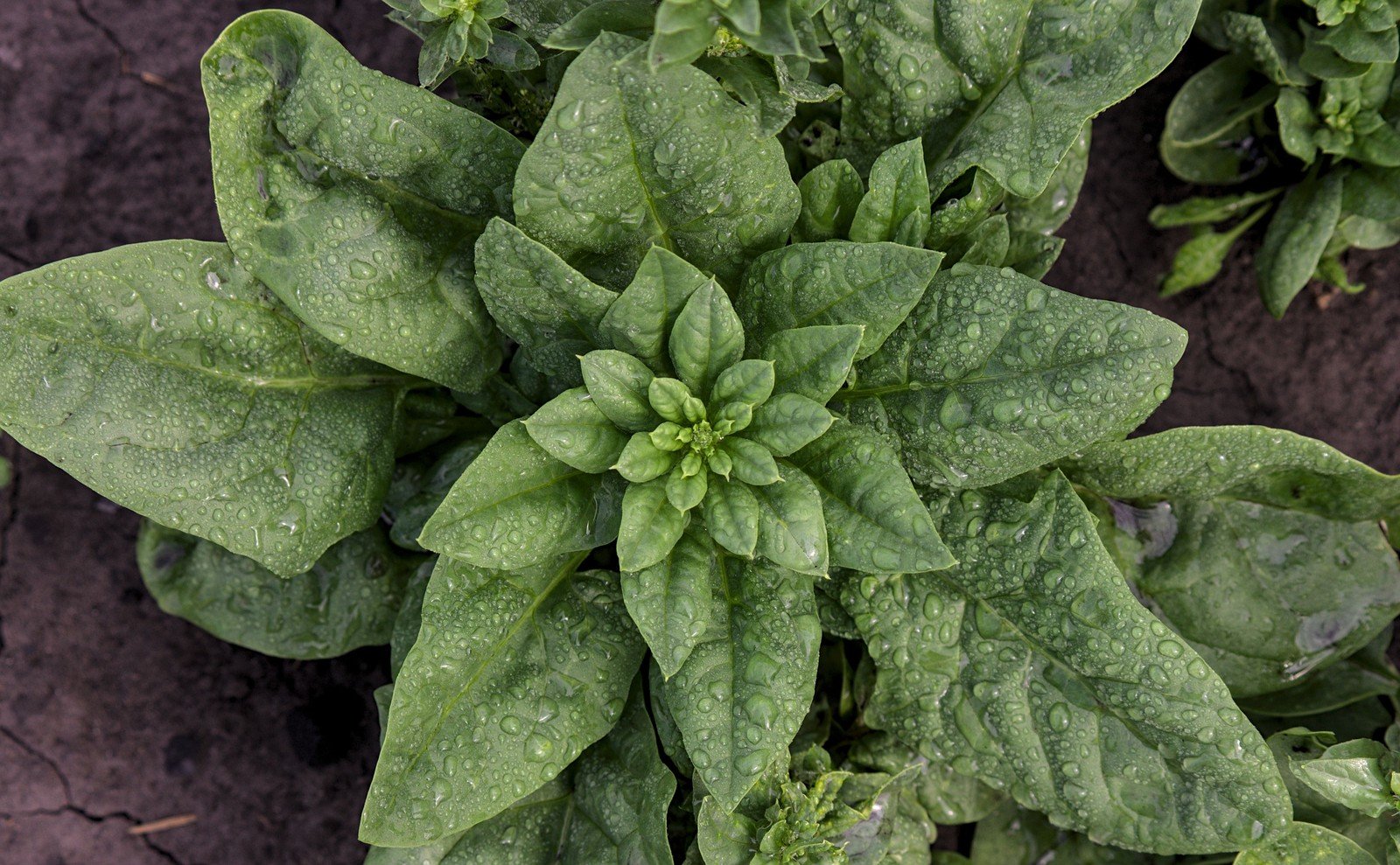
Bolting is the moment a spinach plant gives up making leaves for you and starts making seeds for itself. The centre of the rosette shoots upwards into a tall flower stalk, leaves become smaller, arrow-shaped, and bitter, and the plant is effectively finished as a crop. Every spinach plant will bolt eventually; good growing is about postponing that moment for as many picking weeks as possible.
Two things trigger it, working together: lengthening days and rising heat. Spinach is a long-day plant, so as days stretch towards midsummer it reads the season as time to flower, and warm soil and hot weather hurry the decision along. Dry roots and root disturbance add stress that pushes an undecided plant over the edge. This is why midsummer sowings so often disappoint, and why the spring and late-summer windows matter so much.
To delay bolting, stack the odds in your favour. Choose slow-to-bolt varieties such as Tyee or Space for spring sowings. Keep the compost evenly moist without fail. Move pots into partial shade as days warm, and pick regularly — harvesting outer leaves often encourages the plant to keep producing leaves rather than switching to seed. For late-spring crops, a pot in the shade of a taller plant, watered faithfully, will outlast a pot in full sun by a useful margin. Once a plant has bolted, replace it rather than trying to reverse it. Spinach compares well with the other reliable options among the best vegetables to grow in pots, precisely because it fills these cooler shoulders of the season when pots might otherwise sit empty.
Leaf Miners, Aphids and Slugs
Containers spare spinach many ground-level troubles, but a few visitors still find their way in, and catching them early makes all the difference.
Leaf miners are the most distinctive spinach pest. Tiny flies lay eggs on the leaves, and their larvae tunnel between the upper and lower surfaces, leaving pale, blistered trails and patches. Pick off and destroy affected leaves as soon as you spot them — do not compost them — and cover pots with fine insect mesh from sowing if leaf miners are a recurring problem in your garden. Affected leaves are the exception rather than the rule in most pots, and prompt removal usually keeps it that way.
Aphids gather on soft growth and undersides of leaves, especially on plants that are stressed or overfed. A firm jet of water from a watering can rose or hose knocks most of them off, repeated every few days, and encourages the ladybirds and hoverflies that will finish the job. Avoid reaching for sprays on a crop you eat raw; water, plus picking off the worst clusters by hand, solves most pot infestations.
Slugs and snails still climb pots, particularly in wet autumn weather. Raise pots on feet, check underneath rims and saucers where they hide by day, go out with a torch after rain if damage appears, and keep fallen leaves cleared from around the base. A pot on a balcony or table is far easier to defend than a bed, and a week of evening checks usually ends the problem.
Harvesting Leaf by Leaf, and Sowing the Next Pot
How you harvest decides how long a pot keeps giving. The most productive method for home growers is cut-and-come-again: pick the outer, largest leaves first, one by one, taking no more than about a third of the plant at a time, and leave the centre — the growing crown — untouched to produce new leaves. Harvested this way, a healthy plant can keep supplying leaves for four to six weeks or more. Use fingers to snap the leaf stalk near the base, or scissors if you prefer a clean cut, and pick in the morning when leaves are crisp and full of water.
The alternative is whole-plant harvesting: cut the entire rosette just above the crown for a one-off harvest, or pull the whole plant when it is mature or starting to bolt. This suits baby-leaf pots sown thickly for salads, where a quick crop and a fresh sowing behind it were always the plan.
Succession sowing ties it all together. Instead of one large sowing that matures, gluts, and bolts all at once, sow a small pot or a short row in a trough every two weeks through spring, pause in the hottest part of summer unless you have a cool shady spot, then resume every two weeks from late summer into autumn. Each pot is at its best just as the previous one tires. Pick before you think you need to: young leaves are the sweetest, regular picking delays bolting, and a leaf picked today is never wasted, while a leaf left a week too long in a warming pot may be bitter by the time you reach it. The University of Maryland Extension’s guide to growing vegetables in containers covers spinach spacing and succession in the same practical terms — see Growing vegetables in containers and salad tables.
Before You Sow: The Quick Checks
How long does spinach take to grow in a pot?
Baby leaves can usually be picked about thirty to forty days after sowing, and full-sized leaves a week or two later, depending on the variety and the temperature. Growth is fastest in mild spring and autumn weather and slower in the low light of midwinter. Regular picking of outer leaves extends the harvest from a single plant over several weeks.
Can I grow spinach in pots indoors all year round?
You can grow baby leaves indoors for much of the year on a very bright windowsill, ideally with a few extra hours of light from a simple lamp in winter. Indoor spinach grows more slowly and stays smaller than outdoor pots, and summer indoor crops may still bolt if the room is warm. For most people, indoor pots work best as an autumn and winter supplement to outdoor spring and autumn crops.
Why is my spinach bolting so quickly?
Heat, lengthening days, dry compost, and crowding are the usual causes, often in combination. Check watering first, move the pot to partial shade, and make sure you sowed a suitable variety in one of the right windows — spring or late summer onwards — rather than in midsummer. Once a plant has bolted, replace it rather than trying to reverse it.
How many spinach plants should I put in one pot?
For full-sized, cut-and-come-again plants, allow about 10 to 15 centimetres between plants, which means roughly four to six plants in a 30-centimetre pot. For baby-leaf crops, you can sow more thickly and thin to about 5 centimetres apart, harvesting the whole pot young. Either way, fewer, well-spaced plants out-produce a crowded pot.
Does spinach grow back after cutting?
Yes, if you harvest the right way. Picking outer leaves while leaving the central growing crown intact lets the plant produce new leaves for weeks. If you cut the whole rosette down, leave the crown just above compost level and some plants will regrow a smaller second flush, but for a reliable continuing crop, leaf-by-leaf picking and regular succession sowing work best.
Growing spinach in pots rewards the gardener who gets three things right: sow in the cool windows of spring and late summer, give the plants a wide pot of fertile compost that never dries out, and pick the outer leaves little and often. Everything else — variety choice, a move into afternoon shade, a fresh pot every fortnight — is support for those three habits.
Start with one generous pot, a bolt-resistant variety, and a label with the date on it. Within six weeks you will be picking leaves steps from your kitchen, and by your second sowing you will understand your own balcony or windowsill better than any guide can. That is when pot spinach stops being an experiment and becomes a habit — and a very tasty one.
Sources
- Royal Horticultural Society — How to grow spinach
- University of Maryland Extension — Growing vegetables in containers and salad tables