

Most of us picture the same thing when we daydream about our backyard: a calm, green place to sit with a coffee in the morning, colour through the summer, and somewhere the kids, the dog, or just the birds can enjoy — without a long list of chores waiting every weekend. Learning how to create a low maintenance backyard garden is really about closing the gap between that picture and real life. It does not mean finding a magic garden that looks after itself completely. It means designing out the jobs you hate, choosing plants that can cope largely on their own once they are settled, and setting up simple systems for watering and weeding so the work that remains feels manageable and, honestly, enjoyable.
That last point matters more than people expect. A garden that needs ten minutes here and there, a bigger tidy a few times a year, and a little attention in spring will stay loved. A garden that demands constant deadheading, staking, spraying, dividing, and rescuing will slowly turn into a source of guilt, and guilty gardeners tend to avoid the garden altogether — which makes everything worse. Low maintenance is not about being lazy. It is about being realistic at the planning stage, so the garden fits the life you actually have, not the life you imagine on a free Saturday in April.
The good news is that you do not have to rip out your whole yard and start again, and you do not have to do everything in one season. Most low maintenance gardens are built gradually: a bed simplified here, a thirsty corner replanted there, a soaker hose added one summer, a patch of awkward lawn turned into a mulched border the next. Work through the steps below in whatever order suits your space and budget. Each one removes a recurring job, and together they add up to a backyard that mostly ticks along happily — with you sitting in it more often than you are wrestling with it.
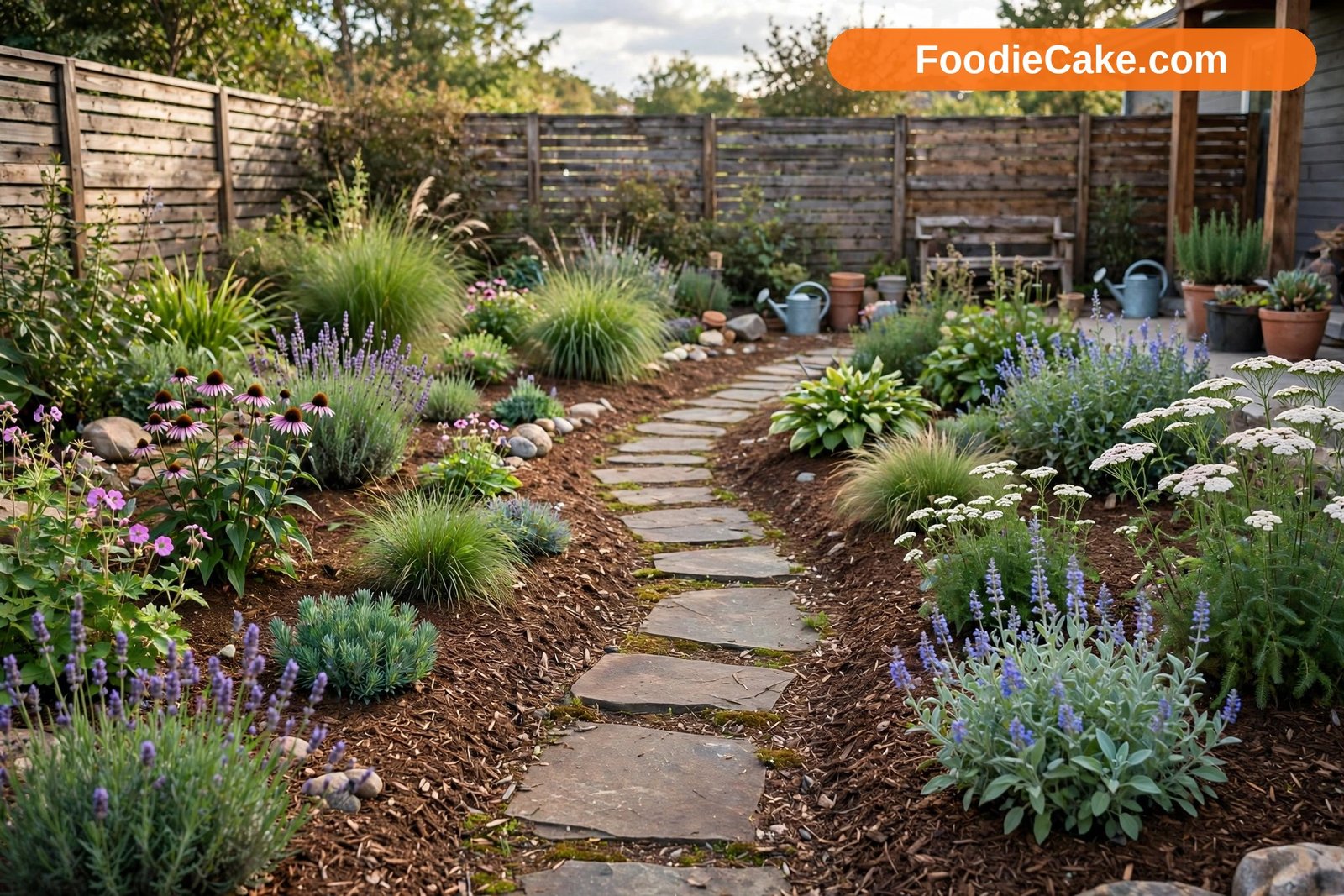
Start by Planning Around How Much Time You Honestly Have
Before you buy a single plant, be honest with yourself about time. Not the time you wish you had, and not the time you had one unusually free summer, but your normal week in the busiest part of the year. If you can happily give the garden half an hour a week plus a couple of longer sessions in spring and autumn, design for that. If even half an hour is a stretch during school holidays or busy work periods, design for less. There is no shame in either answer, but there is a lot of frustration in building a garden for three hours a week and then only having thirty minutes to give it.
It helps to walk your yard slowly and note where the work currently comes from. Is it mowing and edging a fiddly lawn? Weeding open soil between plants that never quite fill in? Watering pots that dry out every sunny day? Pruning a shrub that was planted too close to a path and now fights you every time you walk past? Those pain points are your priority list. A low maintenance plan tackles the biggest time drains first, because fixing one weekly headache is worth more than adding three pretty new features.
Also think about what you actually enjoy. Some people love mowing and find it relaxing, but hate weeding. Others are happy pottering with secateurs but dread dragging a hose around. Keep the jobs you like, within reason, and design out the ones you resent. And keep your plan simple enough to draw on one sheet of paper: a few generous beds, clear paths, and planting areas that make sense at a glance. Complicated layouts with lots of tiny, disconnected patches almost always create extra edges to trim, extra corners to weed, and extra confusion about what was supposed to be growing where.
Shrink or Simplify the Lawn
For many backyards, the lawn is the single biggest maintenance commitment. It needs regular mowing in the growing season, edging if you want it to look tidy, feeding or moss control in some climates, and watering during dry spells if you want it to stay green. You do not have to remove your lawn altogether — a simple patch of grass is a lovely, useful thing for sitting, playing, and cooling the garden — but shrinking it, and making its shape simpler, is one of the fastest ways to cut your workload.
Look first for the parts of the lawn that earn their keep the least. The narrow strip down the side of the house that is awkward to mow. The shady corner under a tree where the grass is thin and muddy no matter what you do. The steep bank, the soggy dip, the ring around a tree trunk that you have to trim by hand. Those areas are prime candidates to become mulched beds, ground cover planting, a gravel area, or a simple seating spot. Grass grows best in reasonably open, sunny, level ground, so letting go of the spots where it is already struggling is not giving up — it is just good sense.
When you keep a lawn, give it a shape that is easy to mow: gentle curves or straight lines, no tight corners, no tiny islands, and no trees or ornaments planted in the middle that you have to circle around. A single, simple lawn shape with a clear edge can be mowed in a fraction of the time a fussy one takes. If your climate and local advice suit it, you might also let the mower blades sit a little higher and leave clippings in place, both of which tend to be kinder to the grass than scalping it short. And accept a lawn that is green and serviceable rather than a perfect bowling green — chasing perfection is a full-time job in itself.
Choose Hardy Perennials and Shrubs That Suit Your Zone
Plant choice is where low maintenance gardens are truly made or lost. A plant that suits your climate and soil will settle in, grow steadily, and need little from you beyond an occasional tidy. A plant that is fighting your winters, your summers, your rainfall, or your soil will need rescuing forever. So before falling for anything in a garden centre, check that it is hardy in your USDA zone — or your local equivalent if you garden outside the United States — and remember that zone ratings are a guide, not a guarantee. A sheltered city yard can be gentler than a windy rural plot in the same zone, and a plant in wet winter soil may fail even where the temperatures should suit it.
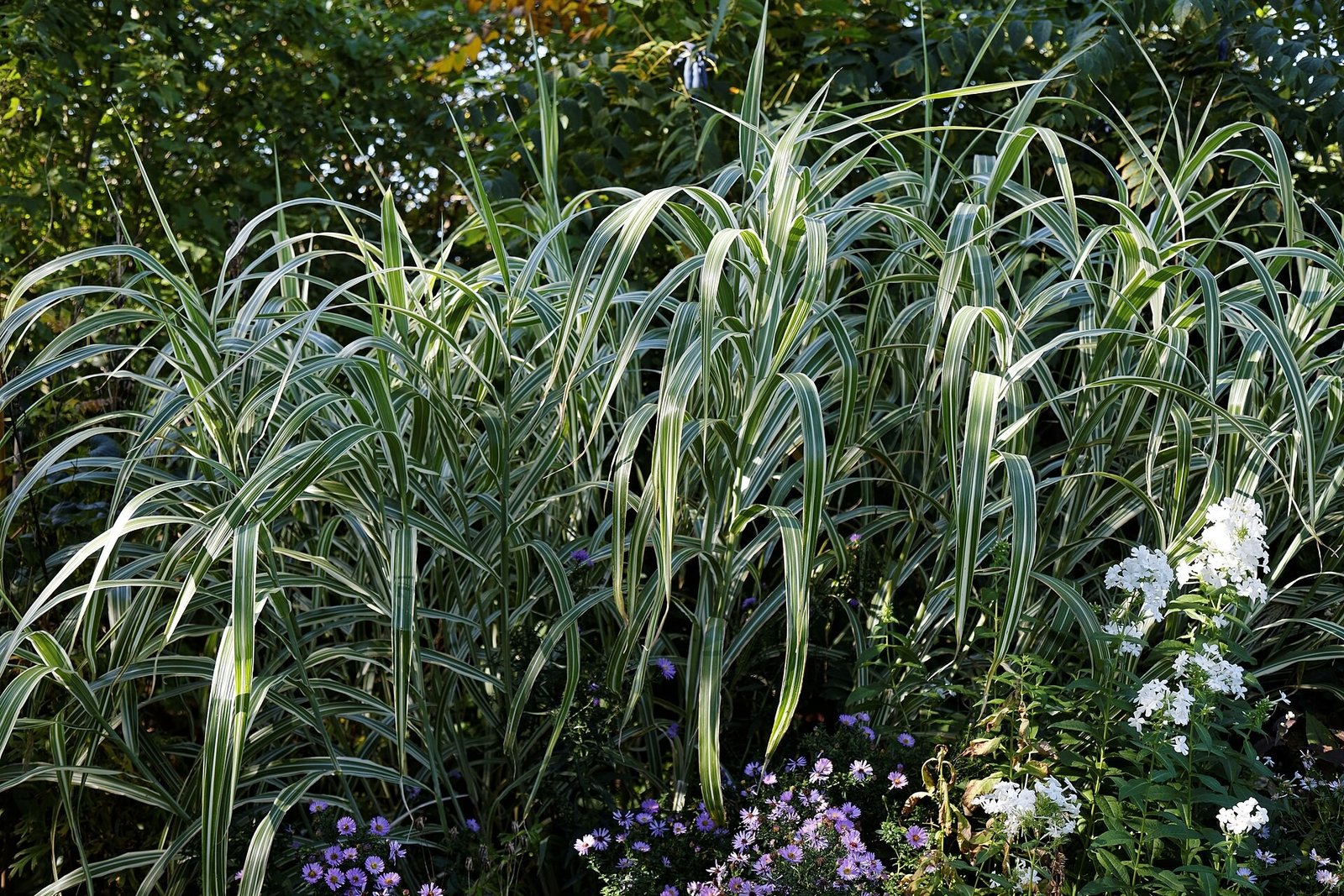
Perennials — plants that come back year after year — and well-chosen shrubs are the backbone of an easy garden, because you plant them once and they return without the yearly cycle of buying, planting, and clearing that annuals involve. Annuals have their place, perhaps in one pot by the door where you will actually enjoy fussing over them, but a whole garden built on them is a garden rebuilt every spring. With perennials, look for long-lived, clump-forming types that do not need dividing every year or staking every time the wind blows. Daylilies are a classic for sunny spots in many zones, tough and forgiving once established, though it is worth choosing varieties suited to your area. Hostas do a similar job in shade, filling space with bold leaves that suppress weeds beneath them, as long as slugs are not an overwhelming problem in your garden. Sedums, now often listed under Hylotelephium for the taller types, cope well with sun and poorer, drier soil and ask for very little. Ornamental grasses such as switchgrass or little bluestem add months of movement and structure and usually only need cutting back once a year, in late winter or early spring.
Shrubs earn their place by giving you structure without annual effort. Spirea, potentilla, and many hydrangeas can be reliable in the right conditions, and lavender is wonderful in sunny, well-drained spots, roughly in zones 5 to 9 depending on the variety — but it sulks in heavy, wet winter soil, so drainage matters more than enthusiasm. Whatever you choose, read the mature size on the label and believe it. A shrub that will eventually reach five feet across needs five feet of room. Planting for the size a plant is today, rather than the size it will be in five years, is one of the main reasons gardens become crowded, shaded, pruning-heavy puzzles. If you want a good starting shortlist for your own conditions, our guide to low maintenance garden plants walks through reliable options and what each one needs to thrive.
Mulch Deeply to Suppress Weeds and Hold Moisture
If there is one habit that separates easy gardens from exhausting ones, it is mulching. Bare soil is an open invitation: weed seeds land on it, the sun dries it out, rain compacts it, and you end up weeding and watering far more than you should need to. A good layer of mulch covers that soil, shades out many weed seedlings before they get going, slows evaporation so the ground stays moist for longer, and gradually improves the soil as organic mulches break down. It also makes a bed look finished instantly, which is a nice bonus for very little effort.
For most flower beds and shrub borders, aim for a layer about 2 to 4 inches deep of organic mulch such as bark chips, shredded bark, or well-rotted compost, depending on what is available and affordable near you. Finer mulches can be kept toward the shallower end, chunkier bark can go a little deeper. Keep mulch a few inches away from plant stems and tree trunks rather than piling it up against them like a volcano, because constantly damp material against bark or crowns can encourage rot. Pull any strong weeds out before you mulch — mulch smothers small seedlings well, but determined perennial weeds with deep roots will push straight through it if you simply cover them up and hope.
Expect to top up organic mulch about once a year, often in spring, as the lower layer breaks down into the soil. That sounds like a job, and it is, but compare an hour or two of mulching once a year with weeding bare beds every couple of weeks all summer, and it is one of the best trades in gardening. Around drought-tolerant plants and Mediterranean-style herbs, a gravel or stone mulch may suit better in sunny, dry areas, since organic mulch holding moisture against their crowns is not always what they want. Match the mulch to the plants, keep the depth honest, and you will be surprised how much quieter the weeding becomes.
Group Plants by Their Water Needs
A lot of garden work is created by mixing plants with opposite needs in the same bed. The thirsty plant wilts, so you water the whole bed, and the drought lover sitting next to it quietly rots in soil that never dries out. Or you hold back water for the tough plants and the thirsty one suffers all summer. Grouping plants by water needs — sometimes called hydrozoning — removes that daily dilemma. One bed or area gets regular watering, another gets very little once established, and each plant gets roughly what it actually wants.
In practice, this can be very simple. Keep genuinely thirsty planting, like most vegetables or moisture-loving perennials, together and reasonably close to a tap or water source if you can. Put sun-loving, drought-tolerant planting together in your driest, sunniest area, and let that zone mostly look after itself between rains once the plants have had a season or two to establish their roots. Shade planting under trees often needs its own thinking too, because tree roots compete for moisture and the soil there can be surprisingly dry despite the lack of sun. If you are building a dry zone, the ideas in our round-up of the best drought tolerant plants for gardens can help you choose plants that will genuinely settle for less water rather than merely survive it.
Remember that almost every plant needs regular watering in its first season, sometimes longer for large shrubs and trees, however drought tolerant it is supposed to become. “Drought tolerant” describes an established plant with roots down into the soil, not a new plant in a small root ball trying to get through its first hot month. Water new plants deeply and consistently at first, then gradually step back as they settle. That early investment is what buys you the low-effort years that follow, so do not skip it in the name of low maintenance.
Use Drip Irrigation or Soaker Hoses on a Timer
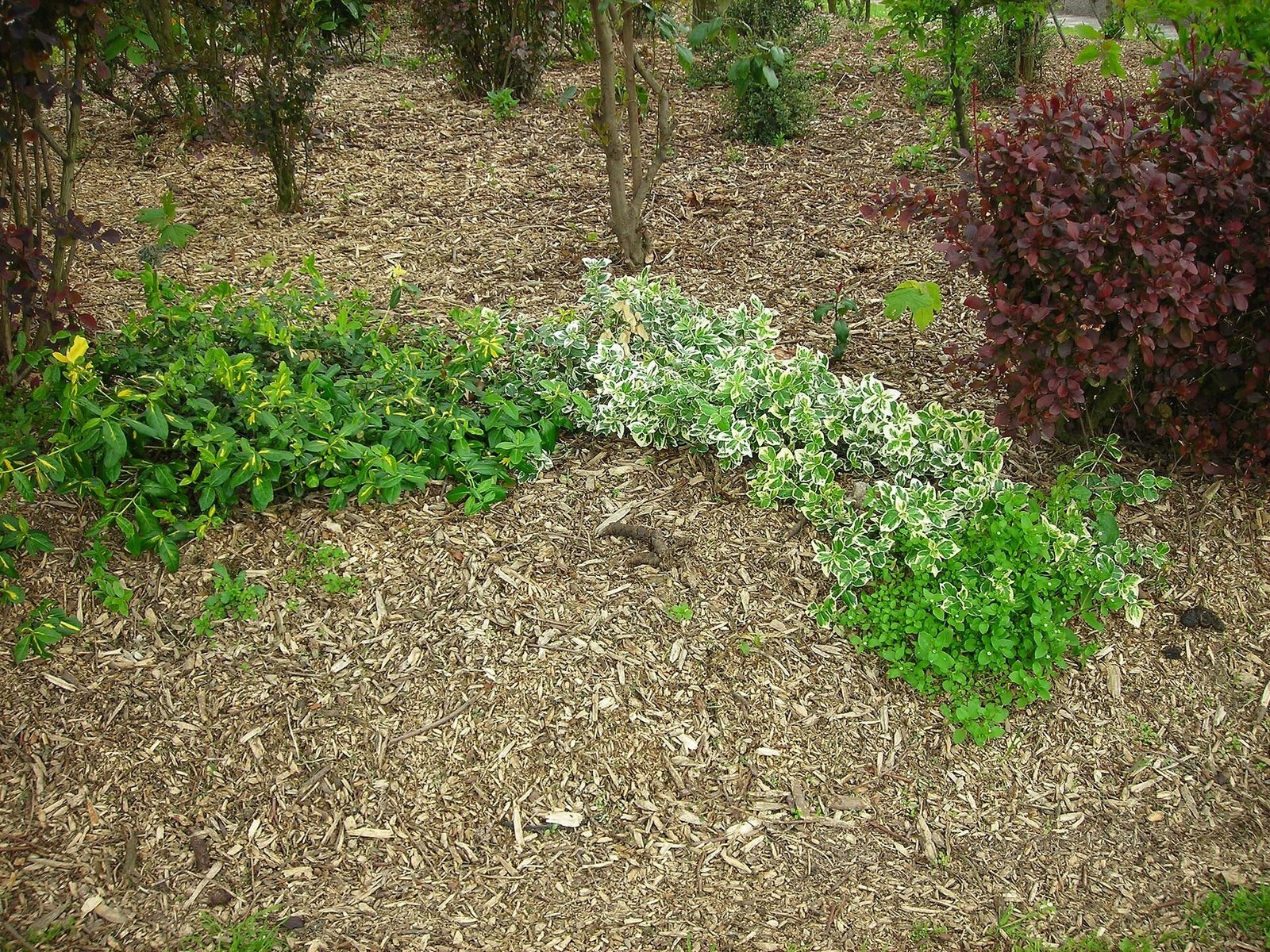
Hand watering is pleasant for about a week in spring. By midsummer, dragging a hose around every other evening is the job most gardeners quietly stop doing — and then plants suffer in waves. A simple drip irrigation system or a set of soaker hoses takes that whole task and makes it mostly automatic. Water is delivered slowly, at ground level, right where the roots are, instead of being sprayed over leaves and paths from above. That tends to waste less water, keeps foliage drier, and soaks the soil more deeply than a quick sprinkle with a hose.
You do not need a complicated, professionally installed setup. Many home gardens do perfectly well with a basic drip kit or soaker hoses laid along the beds, tucked under the mulch where they are out of sight and out of the sun, connected to an outdoor tap with a simple battery timer. Set the timer for early morning if you can, so water soaks in before the heat of the day and plants are not sitting wet all night. How long and how often to run it depends entirely on your soil, weather, and plants — sandy soil in a hot spell is a different story from clay soil in a mild, rainy month — so start with the guidance that comes with your kit or from local extension advice, then adjust by checking how moist the soil feels a few inches down.
A timer is not a substitute for ever looking at your garden, of course. Check the system now and then for blocked emitters, a hose that has shifted, or a connection that drips. Turn it down or off during rainy periods — a rain sensor can help if your timer supports one — and drain or store vulnerable parts before hard freezes if your winters require it. And keep containers in mind separately: pots dry out far faster than beds, so either group them where they are easy to water, put them on their own drip line, or limit yourself to a few large pots rather than many small ones scattered all over the yard.
Cover Bare Ground With Ground Covers
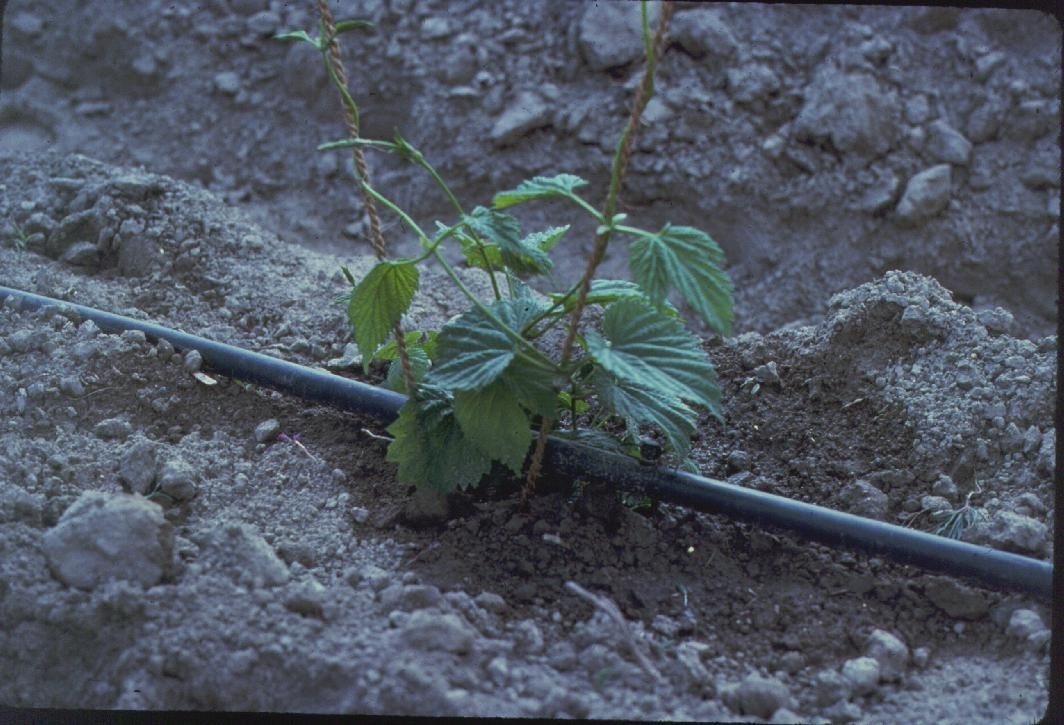
Nature dislikes empty soil, and if you do not plant something in a gap, weeds will happily do it for you. Ground cover plants are the polite way to fill that space yourself: low, spreading plants that knit together into a living carpet, shading the soil, cutting down weeds, and reducing how much mulch you need to replace over time. They are especially useful in those in-between places — under shrubs, along the front of a border, on a gentle slope, or beneath a tree where grass never thrived.
Choose ground covers with the same care as any other plant, matching them to sun, shade, and soil moisture. Creeping thyme can work in sunny, well-drained spots and tolerates light foot traffic in the right setting. Hardy geraniums make loose, flowering cover in sun or partial shade in many gardens. In shadier areas, plants such as epimedium or sweet woodruff are often used where conditions suit them, though growth can be slow at first. For dry, sunny banks, low sedums can spread happily in poor soil. Do check local guidance before planting anything vigorous, because a plant described as a “good spreader” in one region can behave invasively in another, and a ground cover that escapes into paths and lawns creates exactly the sort of work you are trying to avoid.
Be patient in the first year or two. Ground covers need time — and usually a mulch layer between young plants — before they knit together into the weed-suppressing carpet you are picturing. Plant them a little closer than the maximum spacing on the label if your budget allows, water them while they establish, and weed the gaps in the meantime. It can feel slow, but once the cover closes, those areas often become some of the least demanding parts of the whole garden.
Add Simple Paths and Edging That Reduce Trimming
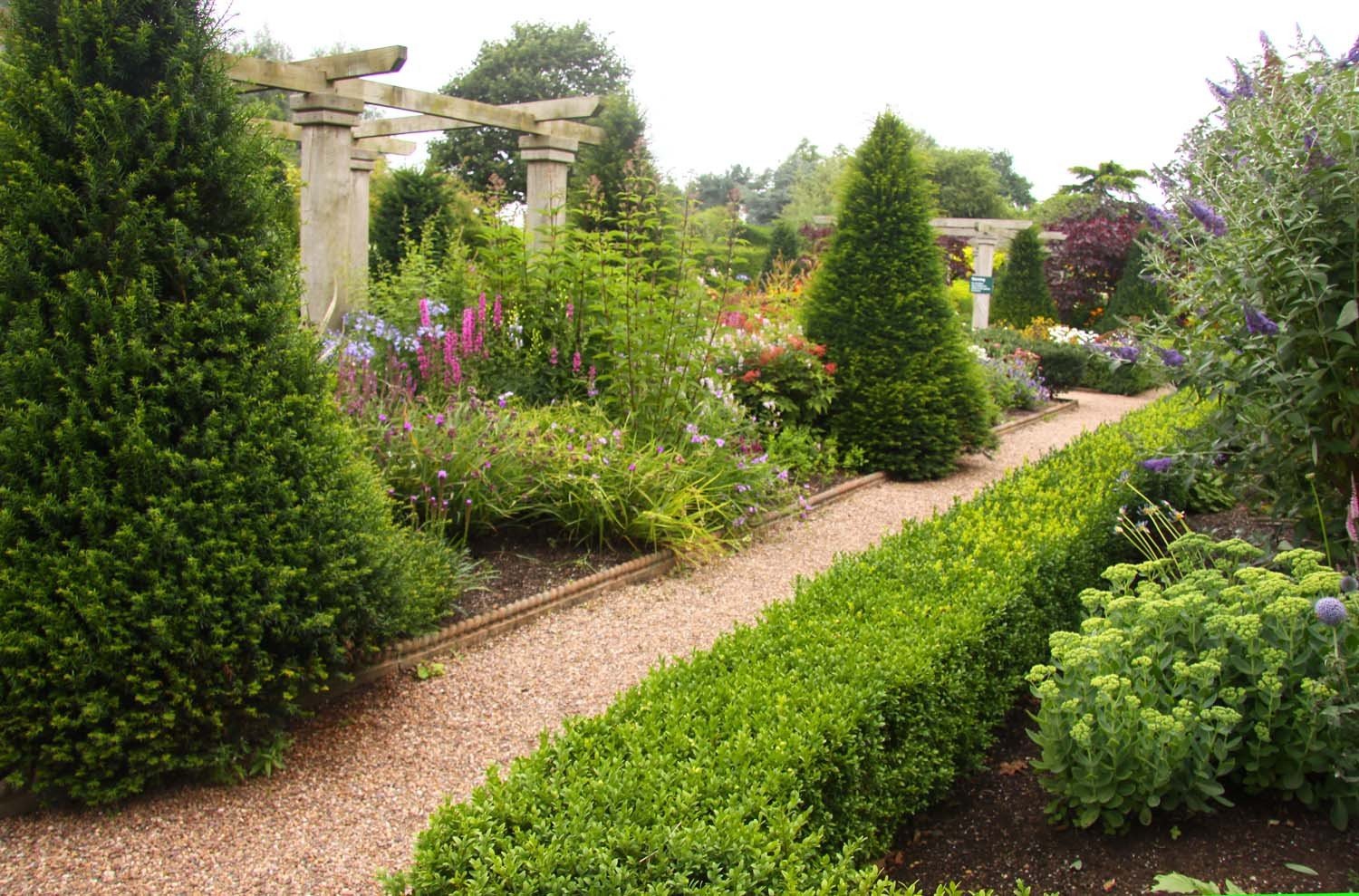
Paths and edges do not sound exciting, but they quietly decide how much fiddly trimming and muddy-footed frustration your garden produces. A clear path means you can reach your beds in wet weather without compacting the soil, move a wheelbarrow without a fight, and walk the garden comfortably, which makes you far more likely to spot a small problem while it is still small. Keep paths as simple as the garden allows: wide enough to walk on comfortably, direct where you actually walk, and made from a material you can maintain — gravel, stepping stones, bark, or simple paving, depending on your budget and taste.
Edging is the other half of the equation. A defined edge between lawn and beds — whether that is a simple spaded edge you refresh once or twice a year, a mowing strip of bricks or stones laid level with the grass, or a more permanent edging material — stops grass creeping into the beds and soil spilling onto the lawn. A mowing strip is particularly kind to your future self, because the mower wheels can run along it and cut right up to the edge, largely removing the separate trimming job. The simpler and sturdier the edge, the less time you will spend re-cutting, straightening, and fishing escaped grass out of your borders.
Think, too, about access when you lay things out. Beds that are so deep you have to climb into them to weed the back will not get weeded. As a rough guide, make beds you can reach into from one side about an arm’s depth, and deeper beds accessible from both sides. Raised edges, stepping stones inside a wide border, or a path behind a deep bed all solve the same problem in different ways. Design the reaching and walking in from the start, and routine care stops feeling like an obstacle course.
Put the Right Plant in the Right Place
Almost every high-maintenance problem in a garden can be traced back to a plant in the wrong place. A sun lover sulking in shade grows weak and leggy. A moisture lover in dry soil by a wall needs constant watering. A large shrub beside a narrow path needs constant pruning. “Right plant, right place” is an old gardening saying because it prevents all of that at once: study the conditions you actually have — how many hours of sun each area gets, whether the soil is heavy or free-draining, how exposed it is to wind, how much space there is — and choose plants that want those conditions, rather than trying to change the conditions to suit a plant you fell in love with.
Spend a little time observing before you plant, even if it is just noticing where the sun falls at different times of day across a few weekends, and where water sits after rain. South-facing walls and fences in the northern hemisphere tend to be hot, dry microclimates, while low corners can be frost pockets or stay damp. A sunny border filled with ornamental grasses, sedum, lavender where drainage allows, and other sun lovers will thrive with minimal fuss precisely because nobody in it is asking for shade or constant moisture. That same logic in reverse fills a shady corner happily with hostas and ferns instead of a rotation of struggling sun plants.
This principle also saves you from constant pruning. If a plant’s natural shape and mature size fit its spot, pruning becomes an occasional tidy rather than a twice-yearly battle to keep it smaller than it wants to be. When you find yourself repeatedly hacking back the same shrub, or endlessly feeding and spraying the same unhappy plant, take that as information rather than failure: the kindest, lowest-maintenance move is often to relocate the plant to somewhere it suits, or replace it with something that will settle happily where it is.
Practical Tips to Keep the Work Low All Season
Start small and finish each area properly before moving on. One bed that is planted, mulched, and watered in will look after itself far better than five beds left half-done with bare soil between the plants. If time or money is short, shrink the project, not the standards: a smaller, complete corner beats an ambitious, unfinished yard every time.
Keep a simple seasonal rhythm instead of trying to do a little of everything every week. In spring, weed once thoroughly, top up mulch, check the irrigation, and plant or divide as needed. Through summer, your main jobs should be enjoying the garden, picking off the odd weed before it seeds, and checking that the watering system is doing its job during dry spells. In autumn, leave seed heads and grasses standing if you like the look and the wildlife value — many gardeners now cut back perennials in late winter or early spring instead, which also saves an autumn job — and add fallen leaves to beds as a free mulch where they will not smother small plants. A short winter walk-around to spot broken branches, heaved mulch, or a leaning fence is usually enough until spring.
Make the everyday jobs physically easier. Keep a small set of good tools in one place near where you use them, because a job you have to hunt for equipment to start is a job that gets postponed. A bucket or trug kept by the back door makes five-minute weeding sessions painless — little and often really does prevent the big, miserable weed clearances. Large containers are easier than small ones, since they dry out more slowly and give roots more room. Self-watering pots can help for the few containers you keep. And if you love a particular high-effort pleasure, like roses or a vegetable patch, concentrate it in one place where you can lavish attention on it, and let the rest of the garden be deliberately calm.
Finally, take a photo of each bed once a season and keep a few rough notes on what thrived and what struggled. It sounds like homework, but it prevents the most expensive maintenance mistake of all: buying and planting the same unsuitable plant again next spring because you forgot how it went. Your future self, standing in the garden centre, will be grateful.
Common Mistakes and Problems to Watch For
The commonest mistake is expecting low maintenance to mean no maintenance. Every garden needs some care: mulch thins, a shrub outgrows its welcome, a wet winter changes what survives. Gardeners who expect literally nothing to do tend to ignore the garden until small jobs have become big ones. A little regular attention — far less than a traditional garden demands, but not zero — is the honest deal, and gardens set up well really do reward it.
Overplanting fussy plants is the second big trap. Collections of plants that each need staking, spraying, special feeding, winter wrapping, or constant deadheading add up to a part-time job. A few indulgences are fine if you love them, but be deliberate: the backbone of the garden should be plants that are hardy in your zone, content in your soil, and capable of looking decent even if you go on holiday for two weeks in July. A close cousin of this mistake is planting too densely for effect in year one, then spending years thinning and rescuing overcrowded plants that are competing for light, water, and air.
Ignoring establishment is another frequent problem. New plants, especially shrubs, trees, and drought-tolerant perennials, need consistent watering while their roots grow out into the surrounding soil. Skipping that stage because a plant is labelled “easy” leads to losses that people then blame on the plant. Water well at planting, mulch, and keep checking soil moisture through the first growing season — longer in dry climates or for large specimens. The opposite error also happens: continuing to water and feed mature, tough plants as if they were fragile, which can produce soft, floppy growth and, for drought lovers, outright rot.
Watch, too, for creeping commitments. A new bed here, a collection of pots there, a water feature that needs cleaning, a hedge where a fence would have done — each small addition seems harmless, but together they rebuild the workload you worked to remove. Before adding anything, ask what it will need from you in its third year, not just how it looks today. And if a particular corner keeps failing despite honest effort, change the approach rather than repeating it: some spots are better as gravel and a bench, a wildlife pile, or a simple paved area than as an eternal planting project.
Frequently Asked Questions
Does a low maintenance garden mean I never have to do anything?
No, and any garden promising that is probably heading for disappointment, because even the easiest backyard needs seasonal tidying, mulch top-ups, occasional pruning, and checks on watering during dry spells. What changes is the scale and the feel of the work: instead of weekly battles with weeds, watering, and unhappy plants, you get shorter, calmer sessions a few times a season, plus small five-minute jobs here and there that stop bigger problems from building up.
What are the easiest types of plants to start with?
Hardy perennials and shrubs that suit your zone and soil are usually the most forgiving place to begin, because they return each year and need little once established — think daylilies and ornamental grasses for sunny spots, hostas for shade, and tough sedums for dry, poor soil, always checking hardiness and local advice for your area first. Choosing a short list of reliable plants and repeating them in groups looks better and is easier to care for than buying one of everything.
How deep should mulch be, and how often should I replace it?
A layer of roughly 2 to 4 inches of bark, shredded mulch, or compost is a sensible target for most beds, kept a few inches away from stems and trunks so they are not sitting in constant damp. Organic mulch breaks down gradually and feeds the soil as it does, so most gardeners top it up about once a year, often in spring after a good weed, rather than stripping it out and starting again.
Should I get rid of my lawn completely to save work?
Not necessarily, because a simple, reasonably sized lawn can be one of the most useful and pleasant parts of a backyard, and removing all of it creates a large area that still needs a plan. The bigger saving usually comes from shrinking the lawn to the area you genuinely use, simplifying its shape so mowing is quick, and converting the awkward, shady, steep, or muddy patches — where grass struggles anyway — into mulched beds, ground cover, or seating.
Can a low maintenance garden work in a shady backyard?
Yes, often very well, because shade naturally slows down many weeds and reduces how quickly soil dries out, provided you choose plants that genuinely suit shade rather than hoping sun lovers will cope. Hostas, hardy ferns, epimedium, and other shade-tolerant planting can fill a shady bed attractively with little fuss once established, though dry shade under large trees can be challenging, so improving the soil with compost and watering new plants carefully while they settle is especially important there.
How long will it take before my garden actually feels easier?
Many people notice a difference within the first season once beds are mulched, awkward lawn is gone, and watering is partly automated, but a garden usually feels truly settled in its second or third year, when perennials and shrubs have filled in, ground covers have knitted together, and roots are established enough to need less watering. Think of the first year as an investment: the effort you put into planting well, mulching, and watering new plants is what buys the calmer years that follow.
Final Thoughts
A low maintenance backyard is not a lesser garden. Done well, it is often the garden people actually use and love most — full of plants that belong where they are growing, paths that make sense, and quiet systems working in the background so your time outside is spent sitting, eating, playing, and noticing the seasons rather than catching up on chores. Start with your biggest headache, whether that is the lawn, the weeding, or the watering, fix that one thing properly, and let the improvement encourage you to tackle the next.
Be patient with the process and kind to yourself along the way. Gardens change, plants occasionally fail even in the right place, and your own time and energy will vary from year to year — a flexible, simple garden bends with all of that far better than a complicated one. Build yours step by step, plant for the conditions you have, mulch generously, and water wisely, and you will end up with something genuinely precious: a backyard that gives you far more than it asks of you.