How to Protect Plants from Extreme Heat
The short answer: heat damage is largely preventable, and most of the protection costs very little. Water deeply at the base in the early morning, mulch 3 to 4 inches thick, throw shade cloth over the plants that need it most during the fiercest hours, and pause feeding, pruning, and transplanting until temperatures ease. Prepare a day or two before the worst days arrive, while the plants are still strong — and look after pots separately, because they suffer first.
Learning how to protect plants from extreme heat matters more every year, because a single brutal week can undo months of careful growing. Seeds you started in spring, tomatoes you staked and fed, lettuce you picked week after week — all of it can scorch, wilt, and stop growing in just a few afternoons of fierce sun and hot wind. The plants are not being dramatic. Above a certain temperature, many vegetables and flowers simply shut down, stop setting fruit, and focus on surviving.
The good news is that heat damage is largely preventable, and most of the protection costs very little. Shade, water used at the right time and in the right way, a thick blanket of mulch, and a bit of common-sense timing will carry the great majority of gardens through a heatwave with only minor losses. You do not need misting systems or expensive gadgets. You need a plan, put in place before the worst days arrive. This guide is organised the way a heatwave actually happens: what heat does, how to read the warnings, what to do the day before, what to do during, and how to help plants recover after.
What Heat Actually Does to a Plant
It helps to understand what heat does to a plant, because almost every trick in this guide tackles one of those problems. Roots struggle to take up water as fast as leaves lose it, bare soil bakes hard, and pollen goes sterile on crops like tomatoes and peppers.
Iowa State University Extension explains the mechanism clearly: once temperatures exceed 86°F, the growth rate of most plants begins to slow, because photosynthesis — the process by which plants use the sun’s energy to create food — reduces when temperatures soar into the 90s and 100s, while respiration continues day and night, even at higher temperatures. That imbalance depletes the plant’s food reserves, and if extreme heat continues for weeks, plants can actually die from that depletion. High temperatures also cause severe water loss when transpiration — leaves releasing water vapour — exceeds moisture absorption by the roots. As the water content in leaves decreases, leaves wilt, which slows water loss but raises leaf temperatures further because there is less evaporative cooling. If high temperatures persist, that cycle worsens until part or all of the leaf is killed.
In plain terms: a hot plant is a plant spending its savings while its income falls. Everything below is about cutting its spending (less water lost, cooler roots) and protecting its income (keeping leaves alive and working).
Read the Warning Signs
Heat protection works best when you act early, and that starts with recognising stress before it turns into damage. The earliest sign is wilting in the afternoon that recovers by morning. Leaves droop and hang limp by mid-afternoon, then perk up overnight once temperatures fall and the roots catch up. That pattern is a warning, not yet a disaster — the plant is telling you its water loss is outrunning its water uptake.
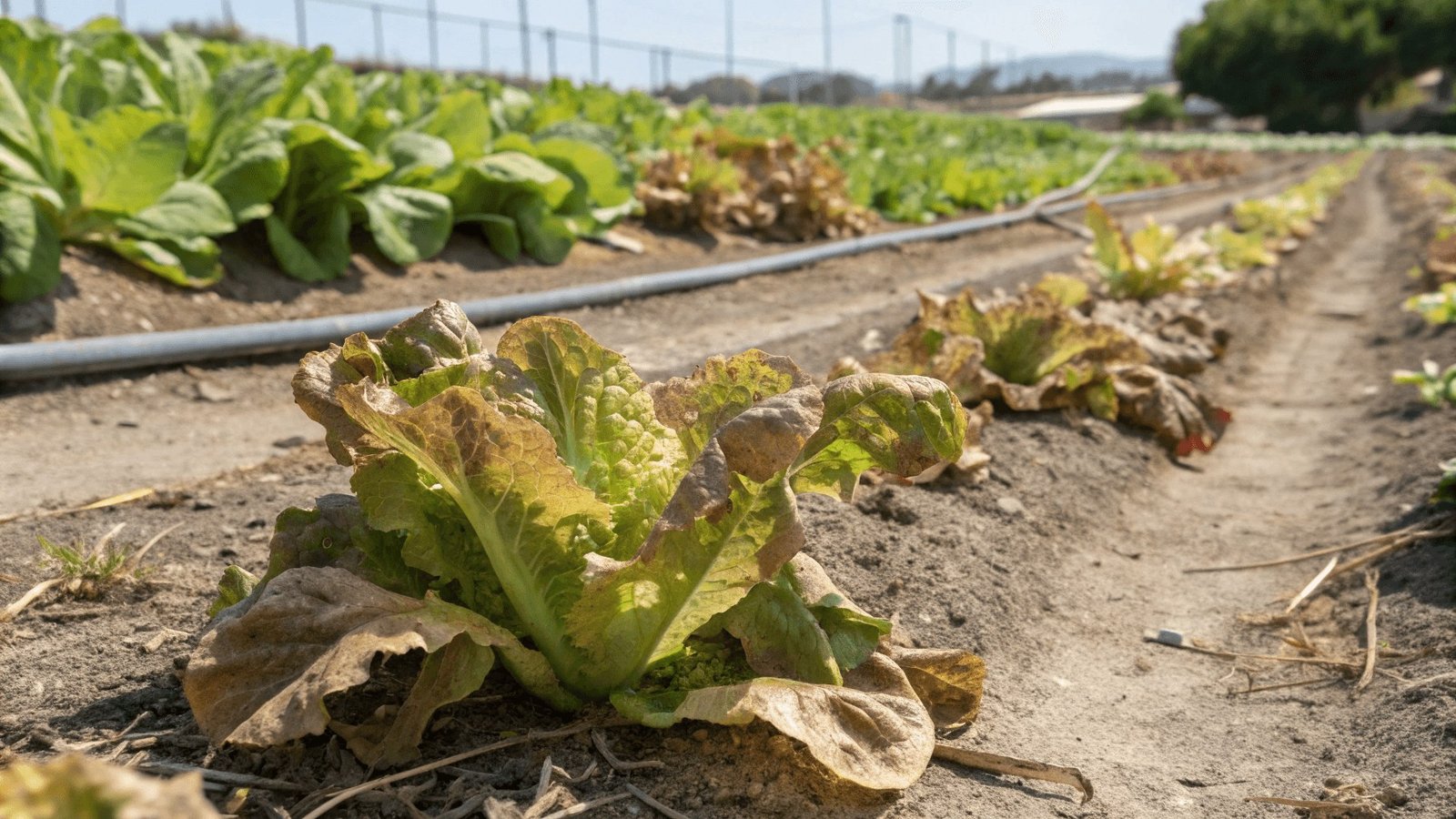
Other signs follow if the heat continues. Leaf edges turn brown and crispy, flowers drop without setting fruit — especially on tomatoes, peppers, and beans — and lettuce and spinach bolt, shooting up a bitter flower stalk instead of making leaves. Fruit that does form may show sunscald: pale, papery patches on the side facing the sun, common on tomatoes and peppers that have lost their leaf cover.
Check the soil as well as the plant. Push a finger, a trowel, or a wooden skewer into the bed. If it comes out clean and dry several inches down, the roots are dry too, no matter how damp the surface looks after a quick hose-down. And act on the forecast, not just on symptoms: when several hot days are coming — in zones 8–10 that may mean a long stretch above 95°F (35°C), while in cooler zones even a sudden jump into the high 80s can shock plants used to mild weather — start preparing a day or two ahead, while the plants are still strong.
Before the Heat Arrives: Your 24-Hour Prep List
It is far easier to put shade up on a mild morning than to wrestle with cloth in hot wind while plants are already wilting. When the forecast shows a heatwave coming, do these in order:
- Water deeply, at the base, in the morning. Give every bed a thorough soak so plants start the hot spell with a full reservoir.
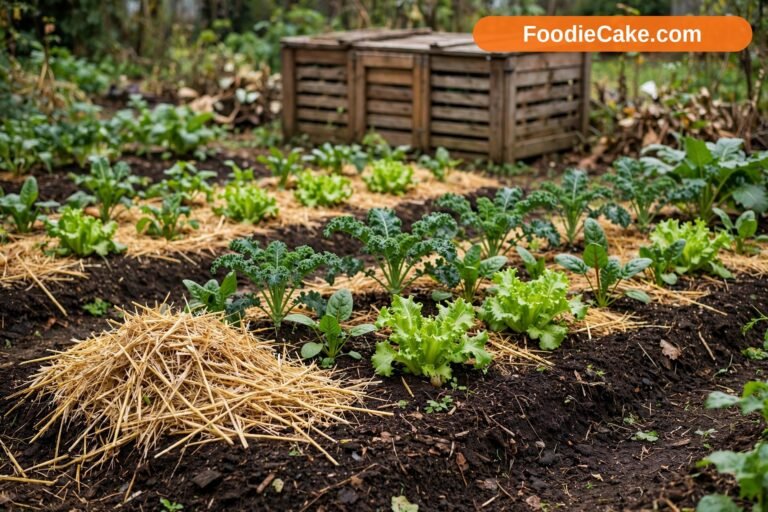
- Mulch every bare bed. Three to four inches of straw, shredded leaves, or composted bark — but only after watering, never over dry soil.
- Put shade up over the vulnerable plants. Salad crops, young transplants, and pots first; fruiting vegetables next.
- Group pots together in the shadiest spot you have, and move the most precious ones out of full sun entirely.
- Stop feeding. No fertiliser until nights cool and you see steady new growth again.
- Harvest what you can. Pick lettuce and leafy crops generously before the worst days; a hard-picked lettuce you eat is better than a bolted one nobody wants.
- Check the forecast every morning during hot spells and plan watering and shading around the worst days, not the average ones.
Water Like It Matters
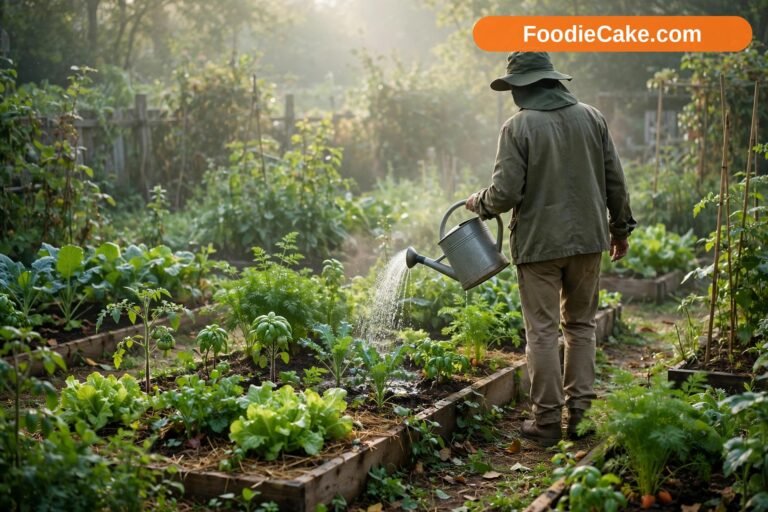
If one skill decides who still has a garden after a heatwave, it is watering properly. Deep, infrequent watering beats a light daily sprinkle every time. A thorough soak that wets the soil eight to twelve inches down encourages roots to grow downwards, where the soil stays cooler and moister for longer. Shallow watering trains roots to sit near the hot surface, exactly where they suffer most. Oregon State University Extension gives the same target in simpler terms: aim for water to reach at least 6 inches into the soil, and check by digging 1 to 2 inches down near the base of the plant.
Water early in the morning whenever you can. Early watering gives plants a full reservoir before the heat builds, loses very little to evaporation, and lets wet foliage dry quickly once the sun is up. Evening watering is your second choice. Midday watering will not scorch leaves, as is often claimed, but much of it evaporates before it reaches the roots, so it is the least efficient use of your time and water.
Always aim water at the base of the plant, at soil level. A watering can without a rose, a soaker hose snaking along a row, or a drip line all do this well — wet roots and dry leaves is the goal. Overhead sprinklers wet everything, lose a good share to wind and evaporation, and leave foliage damp for hours, which invites disease.
| Where | How often in a heatwave | Notes |
|---|---|---|
| Vegetable beds in loam | A deep soak every 2 to 4 days | Judge by the soil a few inches down, not by the calendar |
| Sandy soil | More often | Sandy soil drains fast and needs water more often |
| Heavy clay | Less often, applied slowly | Clay holds moisture longer but needs water applied slowly so it soaks in instead of running off |
| Pots in full sun | Daily, sometimes twice | A container on a hot patio can need water every day, sometimes twice; check by lifting — a light pot is a dry pot |
Mulch: The Cheapest Air Conditioning
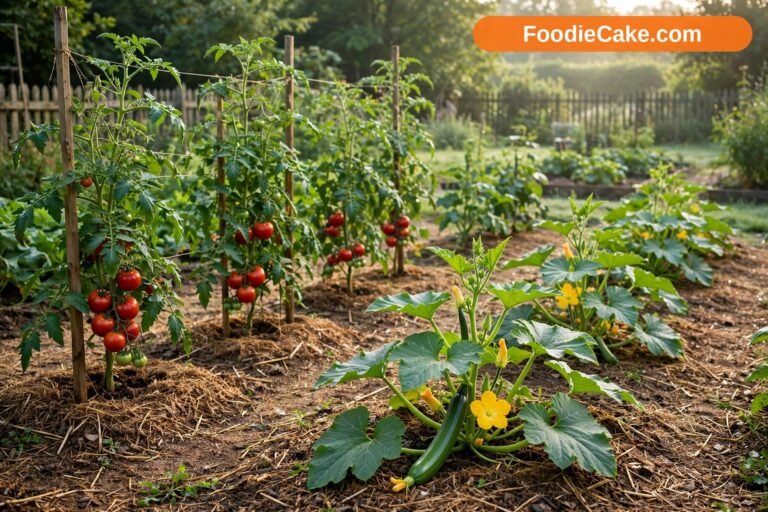
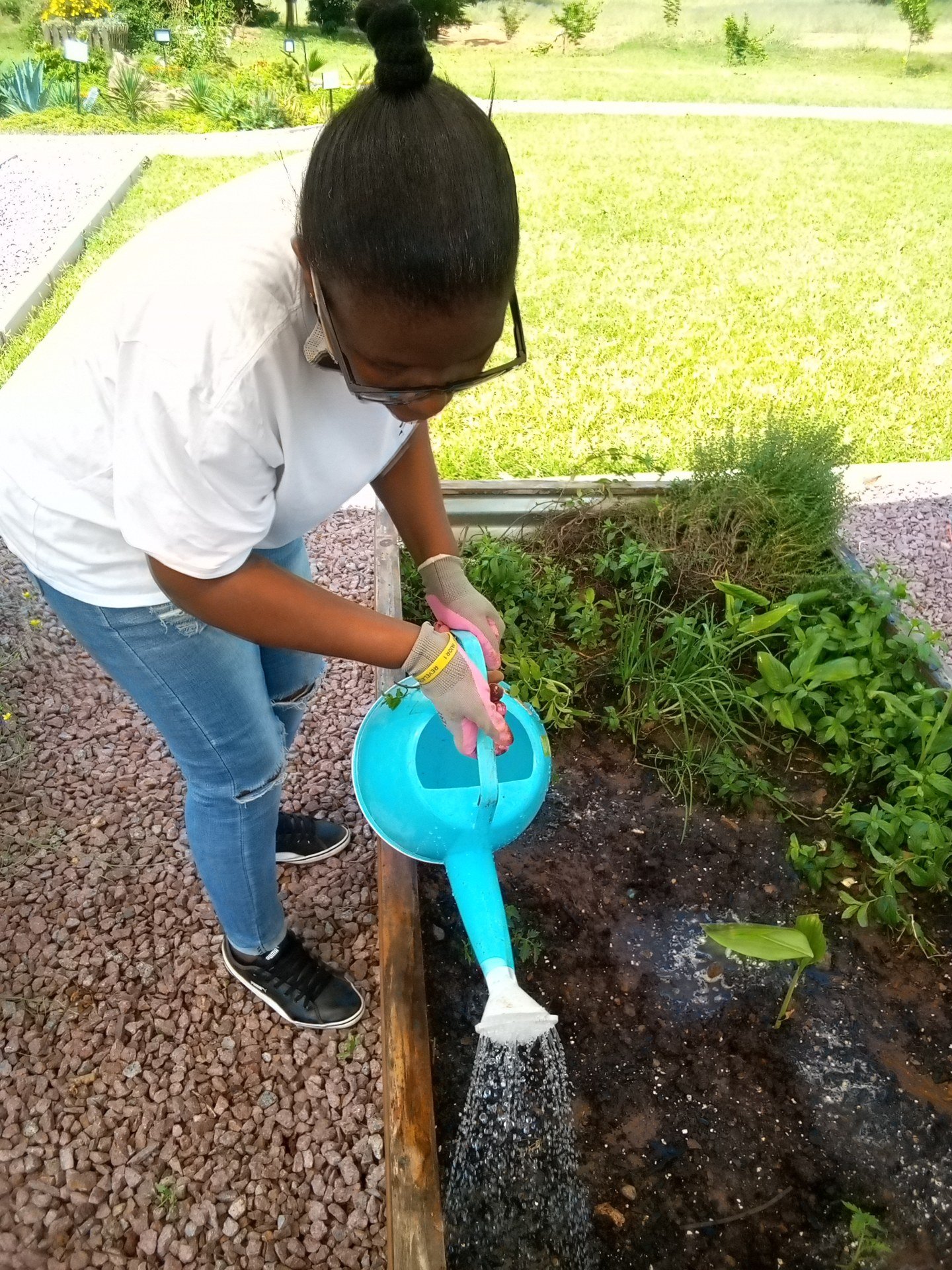
Mulch is the hardest-working heat protection you can add, because it helps in three ways at once: it shades the soil, slows evaporation dramatically, and keeps root temperatures far more even through the day. Bare soil in strong sun can get hot enough at the surface to damage shallow roots and stem bases. Mulched soil stays noticeably cooler, and that difference is often what carries a plant through. Kansas State University’s horticulture experts recommend two to four inches of mulch around plants before a heat wave, and stress one detail beginners miss: make sure the plants are well-watered immediately after mulching and before the heat wave arrives.
Apply mulch thickly — this is where many gardeners underdo it. For straw, shredded leaves, or composted bark, aim for a layer around three to four inches deep once it has settled. A thin dusting does almost nothing. Keep the mulch a couple of inches away from plant stems so the base stays drier and air can move, which reduces the risk of rot.
Straw is a favourite for vegetable beds: cheap, light, easy to spread, and it breaks down into the soil by the end of the season. Shredded leaves work beautifully and are free if you have trees. Grass clippings can be used if applied dry and in thin layers — thick wet layers mat together and smell — and only from lawns not treated with weedkiller. Wood chips suit paths and perennial beds better than vegetable beds you dig every year.
Timing matters too: water deeply first, then mulch. A mulch layer laid over bone-dry soil can actually slow the next watering down, because a quick hose may wet the mulch and never reach the soil at all. Lock moisture in; do not seal dryness underneath.
Shade: How Much, and How to Hang It
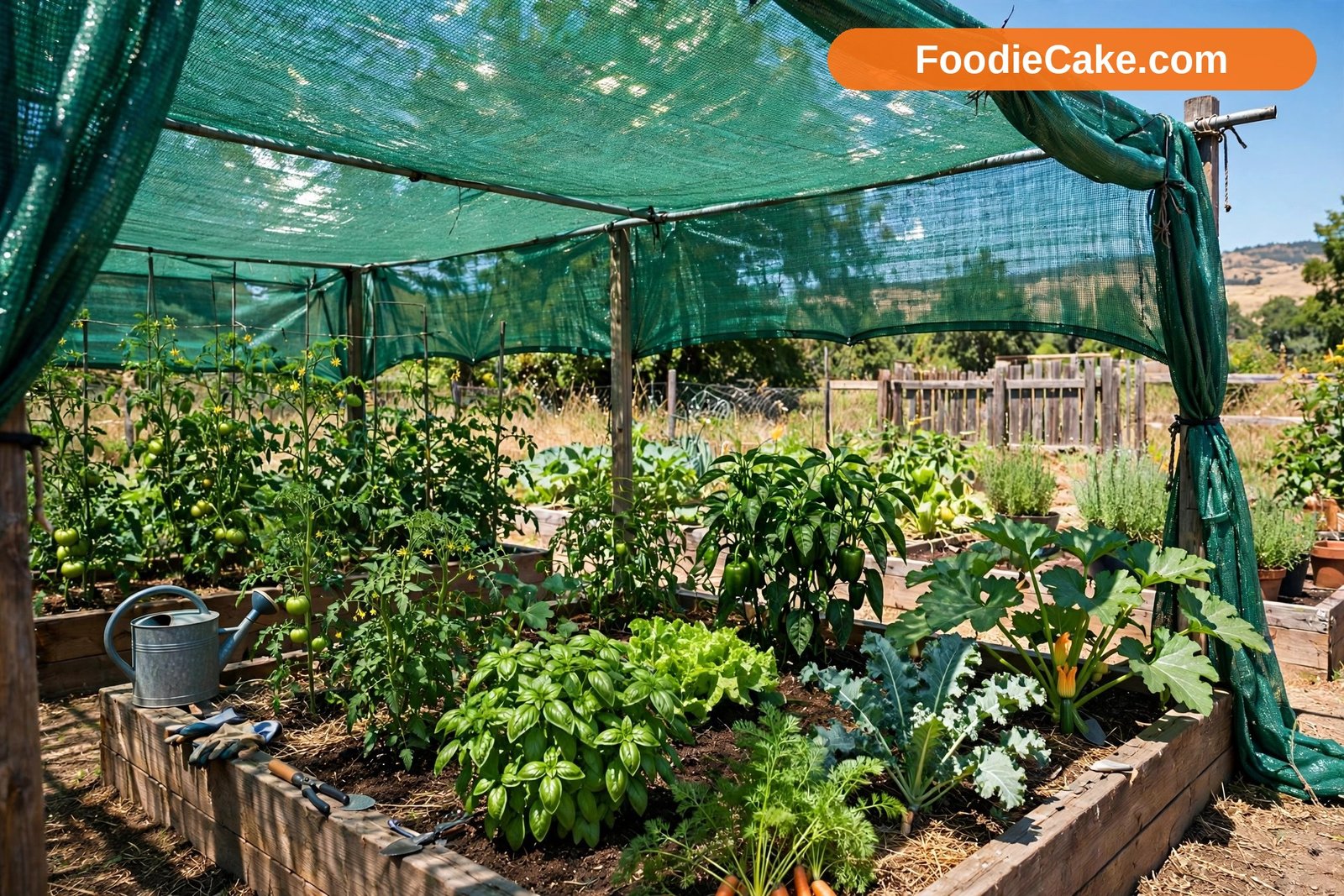
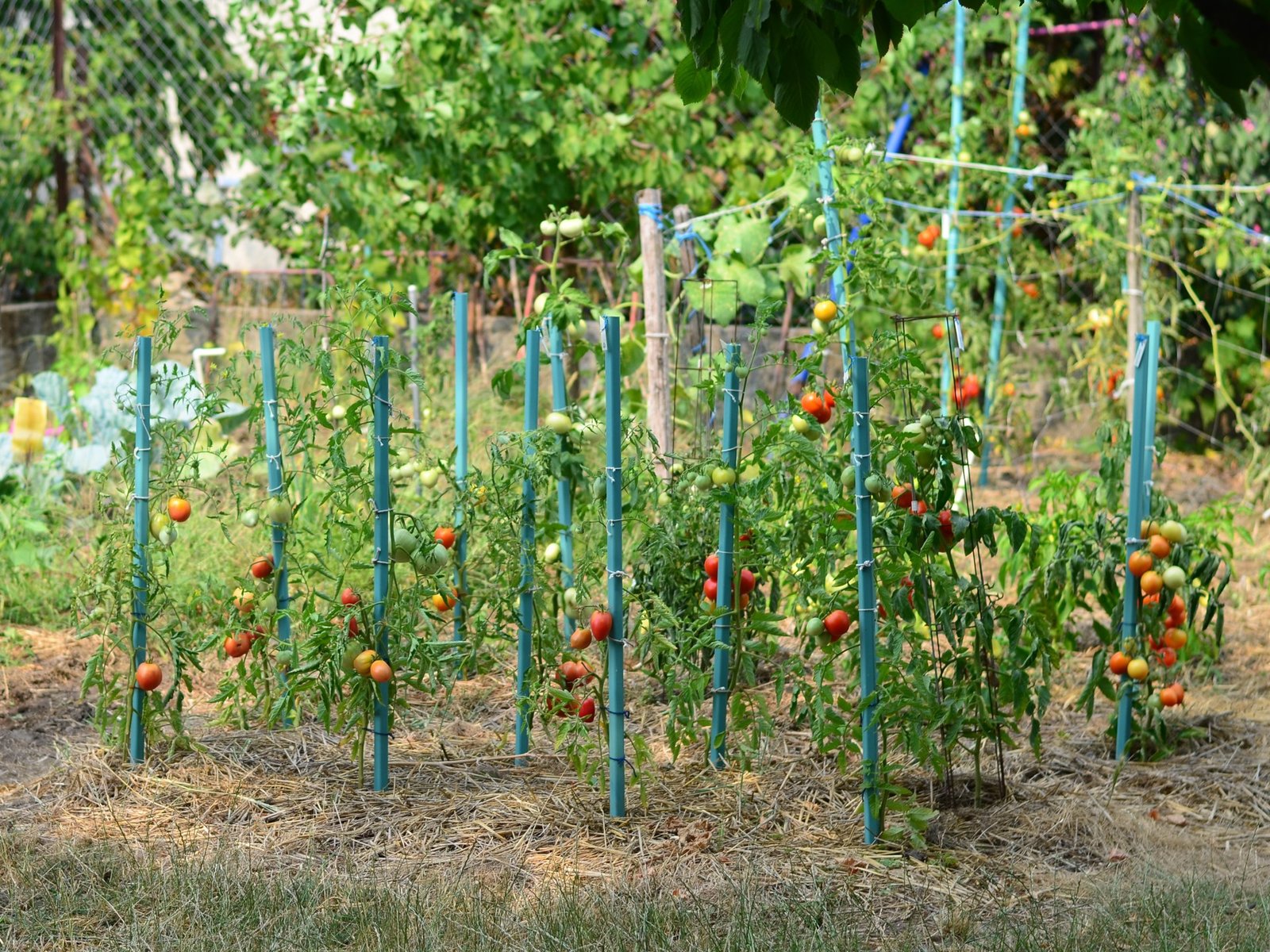
During a heatwave, a few hours of relief from direct sun can be the difference between a plant that keeps producing and one that gives up. Shade cloth is the simplest way to provide it. This knitted fabric, sold by the percentage of light it blocks, lets air and rain through while cutting the intensity of the sun. It is inexpensive, lasts several seasons if stored dry over winter, and can be draped over hoops, canes, or simple frames. Oregon State notes that temperatures under shade cloth can be up to 10 degrees cooler, and Iowa State recommends starting with 30 to 50 percent shade cloth for most plants.
| Crop | Shade cloth |
|---|---|
| Fruiting vegetables — tomatoes, peppers, courgettes, beans | 30–40% — takes the edge off without starving them of light |
| Salad crops, young transplants, gardens in zones 9–10 | 50% — a good all-rounder where summer sun is relentless |
| Lettuce, spinach, peas and other cool-season crops | 50–60% — and still struggle in a prolonged heatwave; sometimes the kindest answer is to harvest what you can and re-sow when nights cool down |
Support the cloth above the plants rather than laying it directly on foliage — even six to twelve inches of air gap makes a real difference, because cloth touching leaves can trap heat and scorch them. No shade cloth to hand? Improvise with an old bedsheet or a beach umbrella over a prized pot. Gardeners also use living shade, and often mix the best drought tolerant plants for gardens into their planting plans alongside fussier crops that need that shelter. And remember to take shade down again when temperatures normalise — prolonged shading of fruits, vegetables, and sun-loving annuals after the heat passes does more harm than good.
Who Needs Help First
You cannot protect everything equally, and in a long heatwave — especially with water restrictions — you may have to choose. Prioritise in roughly this order: newly planted seedlings and transplants first, then leafy and shallow-rooted crops, then plants in pots, then fruiting vegetables, and established deep-rooted perennials last.
Leafy crops — lettuce, spinach, chard, and herbs like coriander and parsley — wilt fastest and bolt quickest. Give them shade first, and harvest leaves generously before the worst days. Cucumbers, courgettes, and squash have large leaves and high water needs, and they will tell you quickly if they are thirsty with dramatic midday wilting. Root crops in the ground, by contrast, often sit a heatwave out quietly as long as the soil does not dry to dust.
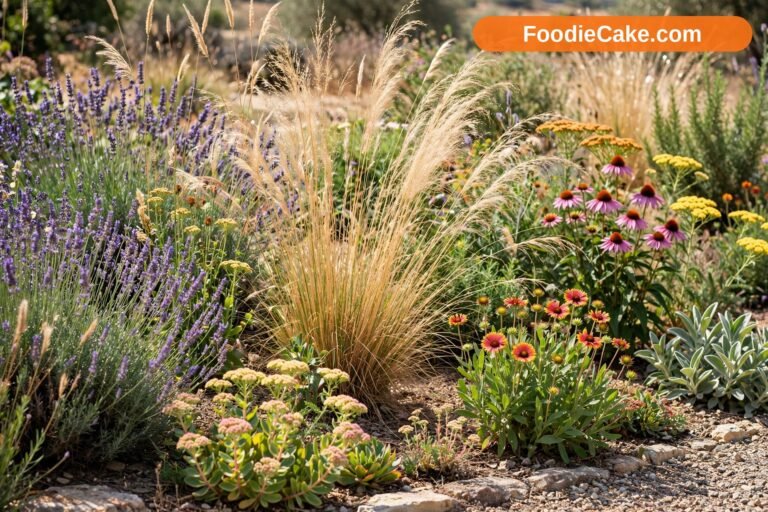
Some plants barely notice heat that flattens everything else. Okra, sweet potatoes, rosemary, lavender, sedums, and many Mediterranean herbs actually relish hot, dry weather once established. Learning which crops thrive in heat — many of the best plants for hot climates fall into this group — lets you design beds that need less emergency care in the first place. Established trees and shrubs rarely need help beyond a deep soak for specimens in their first year or two; save your effort and your water for the young, the shallow, and the potted.
Pots in a Heatwave
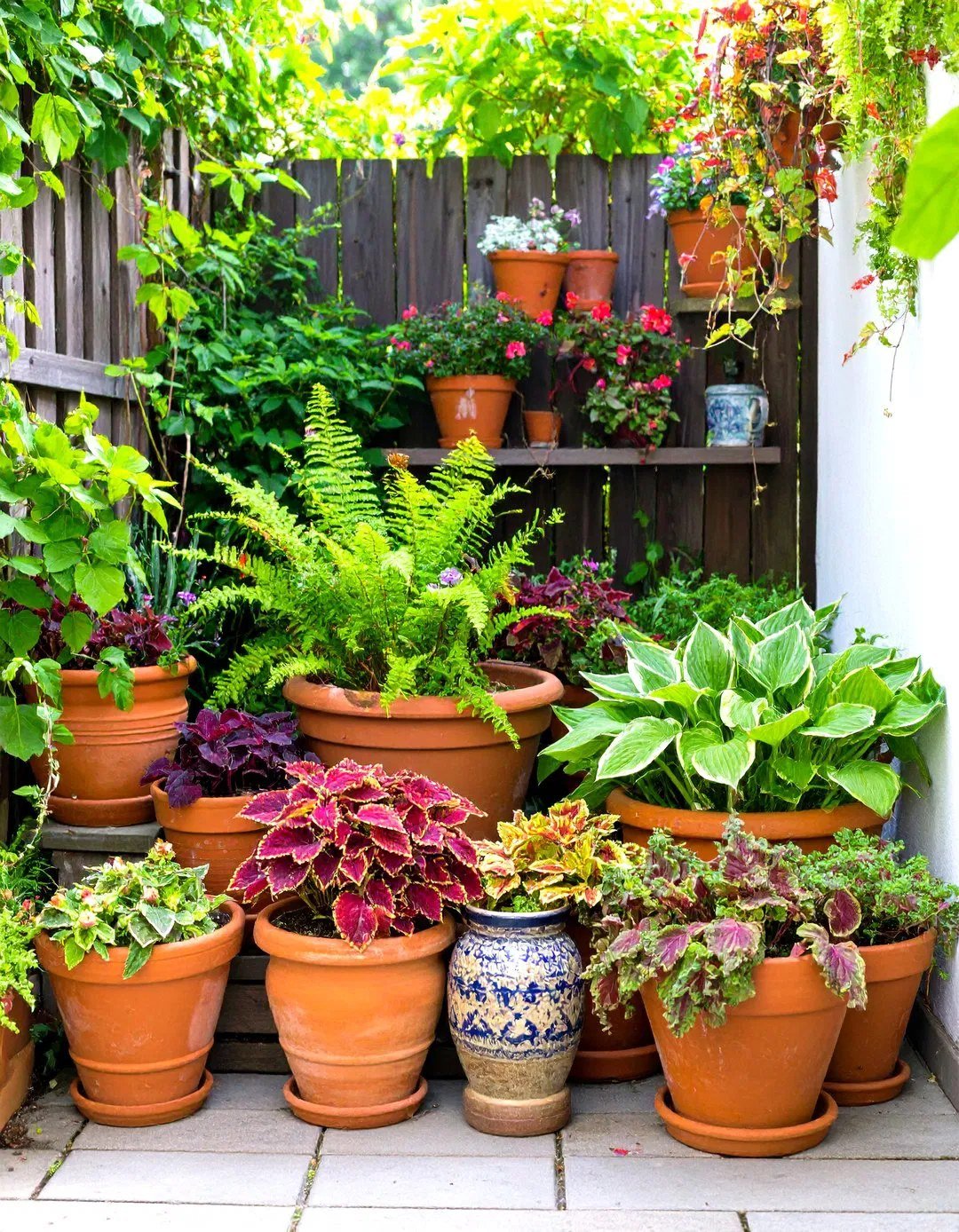
Container plants suffer first in heat, and they deserve their own plan. A pot exposes roots on all sides, holds a small volume of soil that heats and dries quickly, and often sits on paving that stores heat through the day and radiates it back at night. A plant that would sail through a heatwave in the ground can be in real trouble in a black plastic pot on a south-facing patio.
Move pots into lighter shade for the duration of the hot spell if you can — morning sun with afternoon shade is ideal for most things. If moving them is not possible, group pots together: a cluster shades each other’s sides, creates a slightly more humid pocket of air, and loses water more slowly than isolated pots standing alone. Stand pots on soil, gravel, wooden boards, or pot feet rather than directly on baking concrete where you can.
Pot-in-pot is an old trick that still works: sit a planted pot inside a larger empty one, or wrap the outside with hessian or a thick towel to insulate the roots from direct sun on the pot sides. Light-coloured pots stay cooler than black ones, and terracotta, while beautiful, loses water through its walls and needs the most frequent watering of all. Water containers thoroughly until water runs from the drainage holes, then check again later in the day in the worst heat. A saucer underneath helps for an hour or two, but empty standing water after a while so roots are not starved of air. Iowa State’s warning is blunt: plants in containers and hanging baskets may need water twice a day, especially when windy and hot.
What to Stop Doing
What you stop doing in a heatwave matters almost as much as what you start. A plant under heat stress is conserving energy, not looking for extra work, so several normal garden jobs should pause until temperatures ease.
Stop feeding, especially with high-nitrogen fertilisers that push soft new growth. That tender growth wilts fastest, needs the most water, and is the first thing to scorch. Plants in survival mode need water, shade, and rest. Resume a gentle feeding routine once nights cool and you see steady new growth again. Iowa State puts it plainly: in extreme heat, plant processes slow down, and adding fertilizer promotes growth that the plant cannot support, leading to additional stress. Fertiliser salts can also draw water out of roots in dry soil and scorch them, so water first, wait for recovery, and feed later, when growth resumes in cooler weather.
Avoid heavy pruning during the hottest days. Leaves shade the plant’s own fruit, stems, and root zone, and gardeners who strip tomato leaves hard in a hot week often end up with sunscalded fruit a few days later. Remove only leaves that are clearly dead or badly diseased, and save tidy-up pruning for cooler weather. In heat, a slightly overgrown plant is safer than a neatly pruned one.
Do not transplant in a heatwave if it can possibly wait. A newly planted seedling has a small root system, no deep reserves, and transplant shock on top of heat stress is more than most young plants can handle. If you must plant, do it in the evening, water the hole before and after, mulch well, and keep shade over the newcomer for at least the first week. Hold off sowing tender crops as well; many seeds germinate poorly in very hot soil, and lettuce seed in particular often refuses altogether until conditions cool.
After the Heatwave: Recovery
Many wilted plants will recover, especially if the wilting was the plant’s own midday defence and the roots stayed moist. Plants that wilt and recover overnight are usually fine. Plants that stay limp in the morning, with crispy leaf edges and brittle stems, have taken real damage — trim away dead growth, keep the soil evenly moist, give shade, and wait a week or two before deciding a plant is lost. Established shrubs sometimes regrow from the base even after looking completely defeated.
Deadhead spent blooms once the heat passes: many plants stop blooming during extreme heat, and removing spent flowers improves appearance, keeps plants from spending precious resources on fruit and seed development, and sets the plant up to bloom again once the heat wave passes. Save seed from plants that cope well — that is how locally tough strains develop over a few seasons. And look after yourself, too: do heavy work before ten in the morning or after six in the evening, wear a hat, and drink water before you feel thirsty.
Questions, Answered
How hot is too hot for most garden plants?
There is no single number. As a rough guide, many common vegetables start to struggle once daytime temperatures stay in the mid-90s Fahrenheit (around 35°C) and nights stay warm, while cool-season crops like lettuce, peas, and spinach suffer well below that. Plants in zones 5–7 can be shocked by a sudden hot spell that plants in zones 9–10 take in their stride. Iowa State notes that growth already begins to slow once temperatures pass 86°F.
How often should I water during a heatwave?
Water when the soil a few inches down feels dry, not by the calendar. In practice, most in-ground vegetable beds need a deep soak every two to four days in severe heat — sandy soils more often, clay soils less. Pots may need water daily, and small pots in full sun sometimes twice a day. Always judge by the soil and the plant, not by habit.
Does shade cloth really make a difference?
Yes, often a bigger difference than extra watering. By cutting light intensity by roughly a third to a half, depending on the grade, shade cloth lowers leaf temperature, reduces water loss, and helps flowers set fruit during hot spells. Use 30–40% cloth for fruiting vegetables and 50% or more for salad crops and young transplants, supported above the foliage so air can move underneath it. Oregon State notes temperatures under shade cloth can be up to 10 degrees cooler.
Should I mist my plants to cool them down?
Occasional misting can give temporary relief to a badly stressed plant, but it is not a substitute for watering the roots. Most of the benefit comes from the water that eventually reaches the soil. If you mist, do it in the morning so foliage dries quickly, and do not rely on it as your main watering method.
Can I still plant anything during hot weather?
Yes, but choose carefully and plant in the evening. Heat-loving crops such as okra, sweet potatoes, basil, zinnias, and sunflowers handle warm soil well once watered in and mulched. Avoid sowing lettuce in the peak of heat, since germination is poor and bolting is almost guaranteed.
The Heatwave Kit to Keep in the Shed
Prepare before the heat arrives and most of this becomes routine rather than emergency. Keep these ready and a heatwave becomes a few calm jobs instead of a crisis:
- A roll of shade cloth (30–40% and a piece of 50%) with hoops, canes, or a simple frame
- Straw or shredded leaves for mulch, kept dry and ready to spread
- A soaker hose or drip line that reaches the beds
- A watering can without a rose, for watering at the base
- Spare pots and hessian for pot-in-pot insulation
- A timer with a rain-delay button, with fresh batteries at the start of each season
Extreme heat will test any garden, but it rarely has to destroy one. The pattern that works is simple: watch for early signs of stress, water deeply at the base in the morning, keep roots cool under a thick layer of mulch, and throw shade over the plants that need it most during the fiercest hours. Pause the feeding, pruning, and planting, look after your pots separately, and accept that some crops will pause production until nights cool — then pick up again as if nothing happened. Heatwaves end — and gardens that were protected through them bounce back quickly. Iowa State University Extension’s guide to managing the garden in extreme heat and Oregon State University Extension’s advice on protecting yourself and your plants during extreme heat both land in the same place: water deeply in the morning, mulch, shade, and wait to feed and transplant until the heat passes.
Sources
- Iowa State University Extension — “Managing the Garden in Extreme Heat” — yardandgarden.extension.iastate.edu
- Oregon State University Extension — “How to protect yourself and your plants during extreme heat” — extension.oregonstate.edu
- FoodieCake — best drought tolerant plants for gardens and best plants for hot climates