Best Garden Plants for Beginners
The short answer: pick five or six forgiving plants and grow them well. Start with cherry tomatoes, one courgette, radishes, dwarf beans, marigolds, and a pot of herbs — that little group teaches you watering, feeding, spacing, and harvesting while actually rewarding you. Give them six to eight hours of sun, ordinary soil improved with compost, and a spot you walk past every day. Skip the fussy, the rare, and the temperamental for your first year or two.
Choosing the best garden plants for beginners makes the difference between a first season that hooks you for life and one that puts you off gardening for good. Every experienced gardener has killed plants — plenty of them — but the ones who stuck with it usually started with forgiving plants that grew despite imperfect watering, ordinary soil, and a bit of neglect. Early success is not luck. It is mostly about picking plants that want to grow where you live.
That is the real secret this guide is built around. Forget the fussy, the rare, and the temperamental for your first year or two. Start with vegetables that appear quickly and crop generously, flowers that bloom for months with almost no attention, and herbs that thrive in a pot by the door even when you forget them for a week. Those plants teach you the basics — watering, feeding, spacing, harvesting — while actually rewarding you along the way.
You do not need a big garden to begin. A sunny bed, a few large pots on a patio, or a single raised bed is plenty of room for a first collection. Pick five or six plants from this list, grow them well, and you will finish your first season with harvests, flowers, and the confidence to try trickier things next year. University of Maryland Extension gives the same advice to new vegetable gardeners: start small — a good starter size is 50 to 75 square feet — grow vegetables you like to eat, and expand when you are ready.
The Only Rule That Matters
Before any plant on this list, one rule decides whether your first season works: match the plant to the place, not the place to the plant. Most vegetables and the flowers in this guide want full sun — at least six hours of direct sunlight a day, and more is usually better for fruiting crops like tomatoes and courgettes. If your space is shadier, lean on the shade-tolerant end of the list: salad leaves, parsley, chives, and mint all manage with four or five hours, and mint actually appreciates relief from fierce afternoon sun in hot zones. The University of Vermont Extension puts it plainly: the success of your garden depends on the sun, so start by observing your space and finding your sunniest spot.
The second part of the rule is about size. Start smaller than your ambitions. A single well-kept bed or four or five pots that you water properly will teach you more, and produce more, than a huge plot that overwhelms you by July. You can always expand next season; every experienced gardener’s plot grew that way. And put your first garden where you will see it daily — outside the kitchen door beats the far end of the plot. Plants near the house get watered, picked, and checked for problems, while plants out of sight get forgotten. Almost every beginner failure story involves a bed nobody walked past.
Start Here: Three Plants That Teach You Everything
If you grow only three things in your first year, make it these. Between them they teach you almost every skill a gardener needs — and they feed you while they do it.
| Plant | First harvest | Space needed | What it teaches you |
|---|---|---|---|
| Radishes | 3 to 4 weeks from sowing | A short row, or a wide pot | Sowing, thinning, and the joy of fast results |
| Cherry tomatoes | About 8 to 10 weeks from planting out | One large pot or a sunny bed corner, with a stake or cage | Sun, watering at the base, feeding, and support |
| Courgettes | About 6 to 8 weeks from sowing | One plant needs about 3 feet across | Picking little and often — and that plants can be generous to a fault |
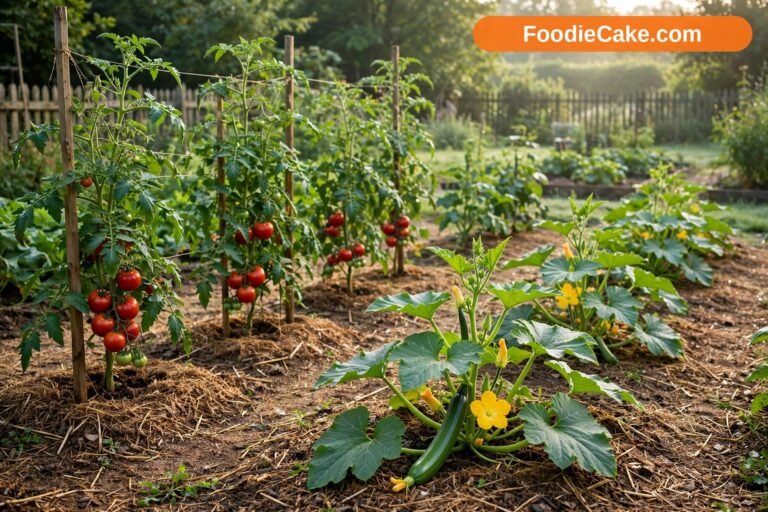
Tomatoes are the plant every beginner should try once. If one plant teaches a new gardener why people grow their own food, it is the tomato. A homegrown tomato, picked warm from the vine, tastes so different from a shop-bought one that it converts sceptics in a single bite. Tomatoes are also more forgiving than their reputation suggests, as long as you give them sun, water, and support. Choose the type to suit your space. Bush varieties, often labelled determinate, grow to a compact size, need little pruning, and suit pots and small beds well — ‘Roma’, ‘Patio Choice’, and ‘Tiny Tim’ for containers are reliable starting points. Vine types, labelled indeterminate, keep growing and cropping over a long season but need a strong stake or cage and regular tying in; ‘Gardener’s Delight’ and ‘Sweet Million’ are well-loved cherry types that crop heavily and forgive beginner mistakes. Plant tomatoes out only after all danger of frost has passed, in the sunniest spot you have — six to eight hours of direct sun is the minimum for a decent crop. Water at the base, mulch around the plant, and feed once the first flowers set fruit. In zones 5–7 that usually means planting out in late spring; in zones 8–10 you can often start earlier and may even manage a second planting for autumn. Cherry tomatoes are the kindest first choice, because they ripen quickly, crop over a long period, and even a mediocre cherry tomato is still delicious.
Courgettes (called zucchini in North America) have a famous beginner-friendly flaw: they produce almost too much. One or two plants will keep a household supplied through summer, and the speed of growth is genuinely encouraging — flowers appear quickly, fruit follows within days, and you are picking your first harvest while other crops are still thinking about it. Give each plant room. A courgette spreads widely, often three feet or more across, and cramming plants together invites powdery mildew on the big leaves. Sow seeds where they are to grow after frost, or start them in pots and plant out young. ‘Defender’, ‘Partenon’, and ‘Costata Romanesco’ are widely grown and productive, and yellow types like ‘Gold Rush’ make fruit easier to spot among the leaves, which matters more than you would think. The one rule is to pick them small and often. Check plants every day or two in midsummer, because a courgette left unpicked for a weekend can swell into a marrow the size of a baseball bat — edible, but watery and far less tasty. Regular picking also keeps the plant producing new fruit. Water at the base rather than over the leaves, and do not panic at a little mildew late in the season; it rarely stops the harvest.
Radishes are the fastest route to a first harvest, and nothing builds a beginner’s confidence like a crop you can eat a month after sowing. Many varieties, including ‘French Breakfast’, ‘Cherry Belle’, and ‘Scarlet Globe’, are ready in as little as three to four weeks in warm soil. Sow a short row every couple of weeks through spring and again in late summer, and you will have a steady supply instead of one overwhelming glut.
The Fast Lane: Food in Weeks
Quick crops suit impatient gardeners perfectly, and they are how a first garden starts paying you back before you have learned much at all.
Salad leaves work the same generous way as radishes. Cut-and-come-again lettuce mixes, loose-leaf varieties like ‘Saladin’ and ‘Lollo Rosso’, rocket, and baby spinach can be sown in beds, boxes, or wide pots, and harvested a few leaves at a time whenever you want a salad. The plant keeps growing, you keep picking, and there is none of the pressure of a whole head of lettuce maturing on one day. The University of Vermont Extension makes the same recommendation: focus on high-yielding and fast-growing options, because radishes go from seed to harvest in less than a month, and cut-and-come-again lettuce keeps producing all season when you snip the outer leaves.
Beans earn their place on every beginner list three times over: the seeds are big and easy to handle, the plants grow vigorously with little help, and they actually improve your soil by fixing nitrogen in their roots. Few plants give so much and ask so little. Dwarf French beans are the simplest starting point. They need no supports, crop over several weeks, and varieties such as ‘Tendergreen’, ‘Masterpiece’, and ‘Purple Teepee’ — whose purple pods are easy to see and turn green when cooked — are all dependable. Sow after frost, directly where they will grow, and keep them watered once flowers appear. Climbing beans and runner beans give bigger harvests from a small footprint if you put up a wigwam of canes first; ‘Scarlet Emperor’ runner beans are famously vigorous, with bright red flowers that bees love. Pick beans young and often — pods left to mature signal the plant to stop producing. Beans also dislike cold, wet soil, so wait until the soil has warmed before sowing. These quick crops pair naturally with other fast growing vegetables for beginners such as spring onions, baby carrots, and dwarf beans. The trick is shade and water in high summer: lettuce and radishes both sulk and bolt in fierce heat, so in zones 8–10 give them afternoon shade in midsummer or save the main sowings for spring and autumn, when they grow sweet and crisp without complaint.
Flowers That Forgive You
If vegetables build confidence in the kitchen, flowers build it in the flower bed — and the easiest ones ask almost nothing.
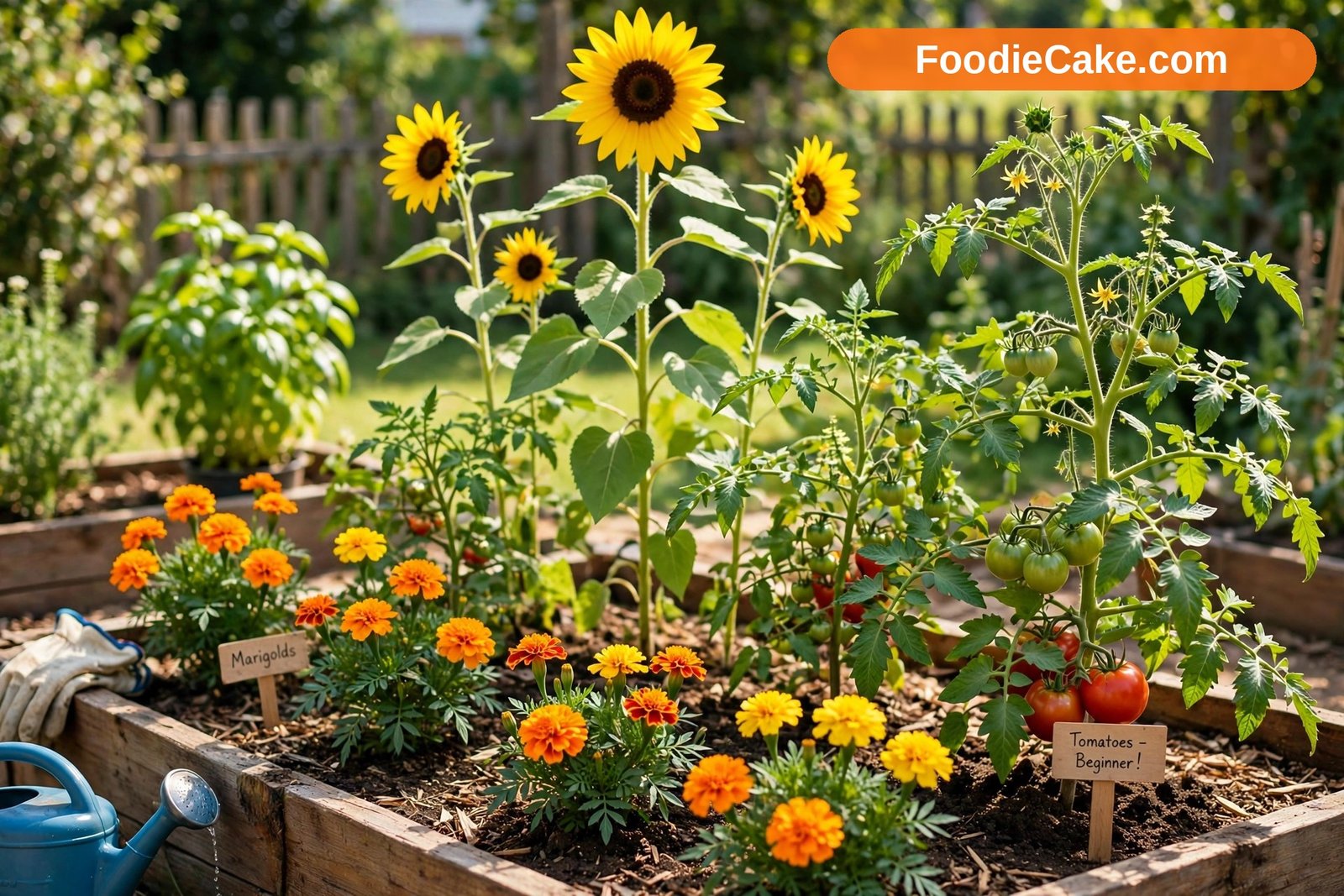
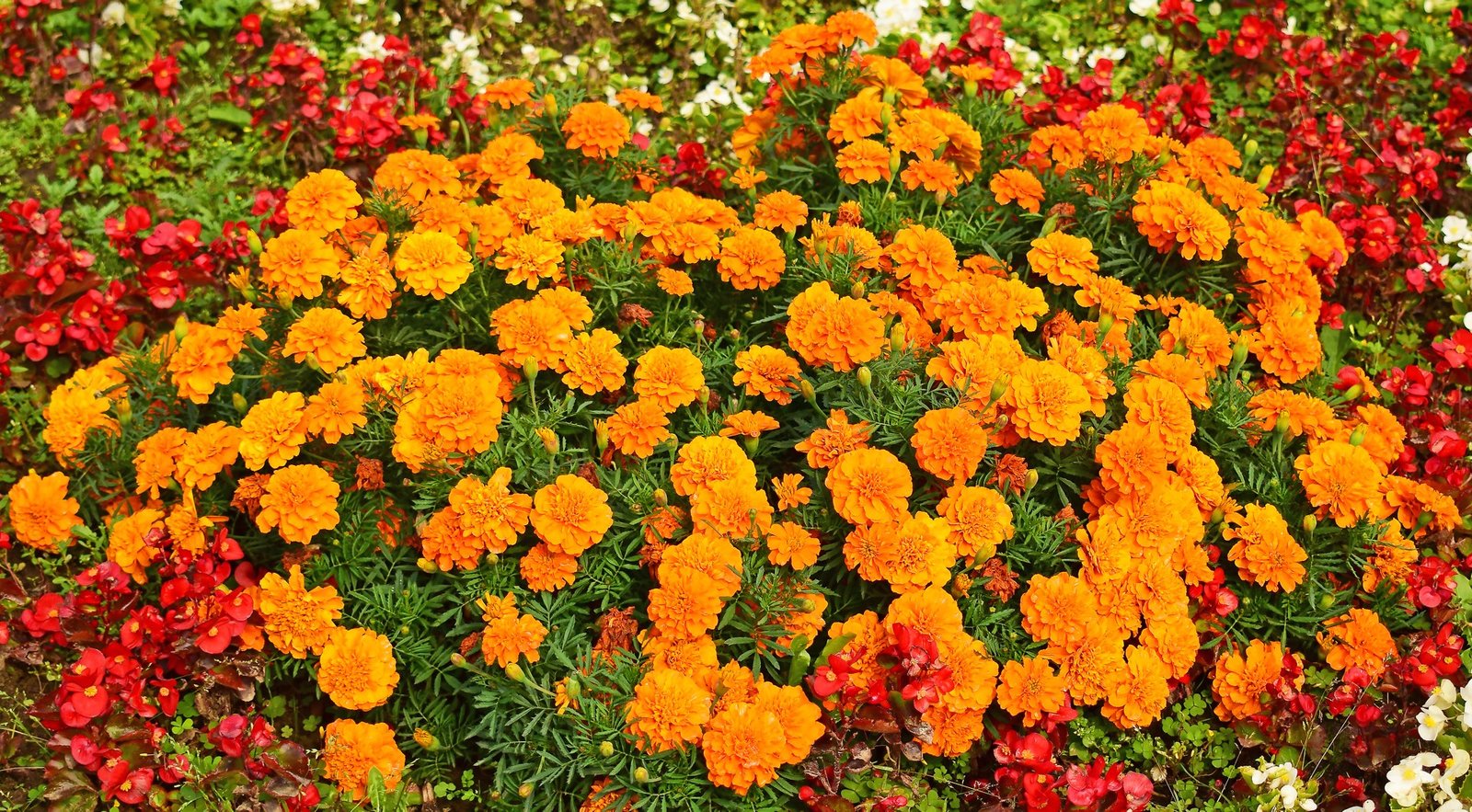
French marigolds are among the most reliable flowers a beginner can sow: they germinate easily, grow fast, flower within weeks, and keep blooming from early summer until the first frosts with almost no care beyond watering in dry spells. Varieties in the ‘Bonanza’ and ‘Durango’ series give compact plants covered in orange, yellow, and mahogany blooms, while taller African marigolds such as ‘Crackerjack’ make bold plants for the back of a bed. Sow indoors in spring for the earliest flowers, or directly outside after frost — they catch up quickly either way. A sunny spot and ordinary soil are all they ask; rich soil and heavy feeding actually produce more leaf and fewer flowers, so marigolds reward the light-handed gardener. Deadhead spent flowers when you pass — pinching off faded heads takes seconds and keeps new buds coming. Marigolds also pull their weight in the vegetable garden alongside tomatoes and beans, attracting pollinators and looking cheerful doing it. Save seed by letting a few heads dry on the plant and crumbling them open.
No plant delights beginners, children, and neighbours quite like a sunflower. The seeds are big enough for small fingers, germination is fast and reliable, and watching a plant overtake you in height over a single summer never gets old. Sunflowers are also tougher than they look — once established, they cope with poor soil and dry spells better than most tall flowers. Choose the height to suit the garden. ‘Russian Giant’ and ‘Mammoth’ are the classic skyscrapers that can reach ten feet or more in good soil and sunshine. If that sounds alarming, dwarf varieties such as ‘Teddy Bear’, with fluffy double blooms, and ‘Big Smile’ stay closer to knee height and suit pots and small gardens beautifully. Multi-headed types like ‘Autumn Beauty’, in warm reds and bronzes, give you many flowers per plant instead of one dramatic head. Sow seeds where they are to flower, about half an inch deep, after the soil warms in spring — sunflowers dislike root disturbance, so direct sowing beats transplanting. Protect young seedlings from slugs and snails, and stake tall varieties in windy gardens. Leave seed heads standing when flowers fade and birds will strip them through autumn.
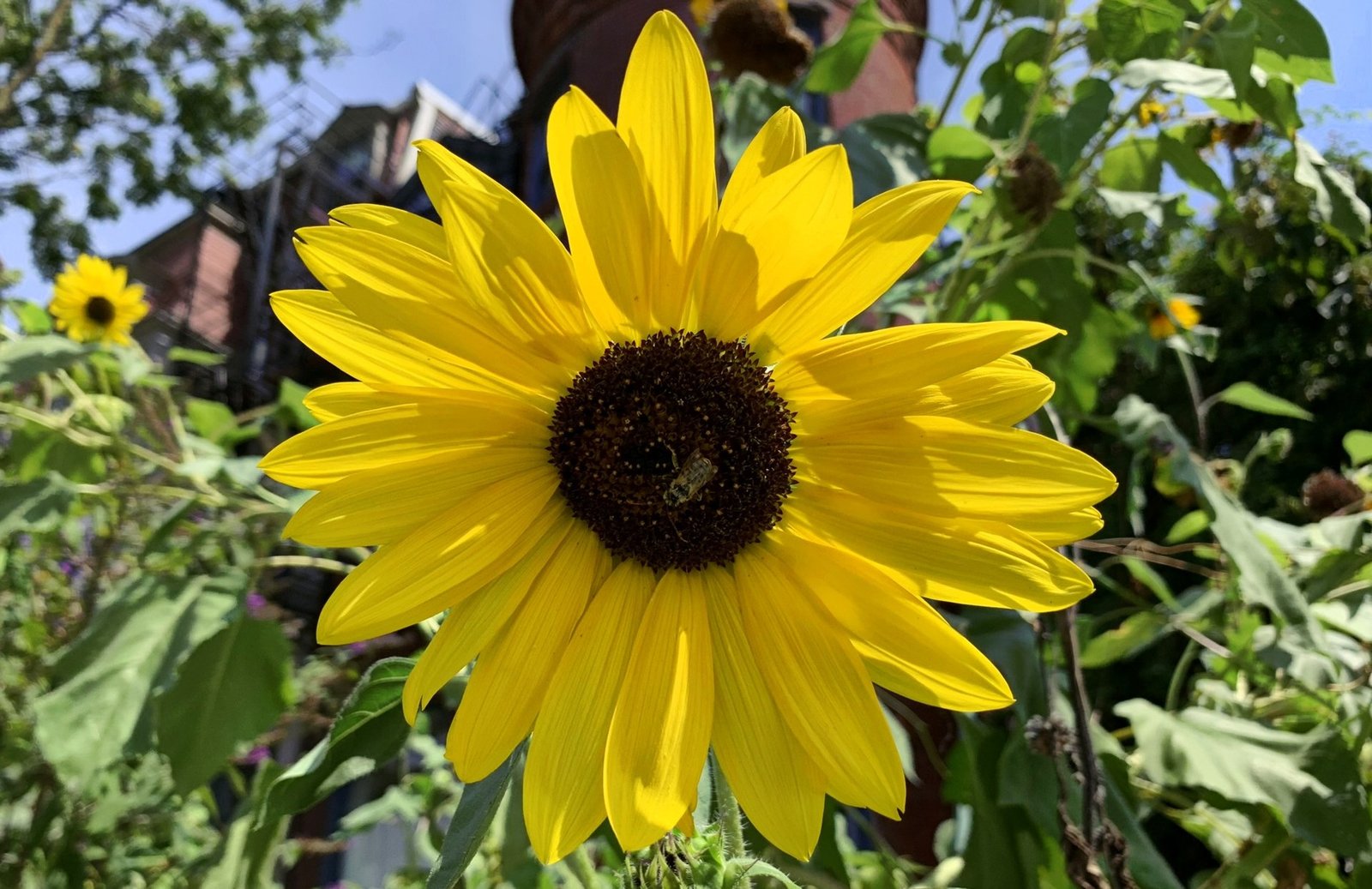
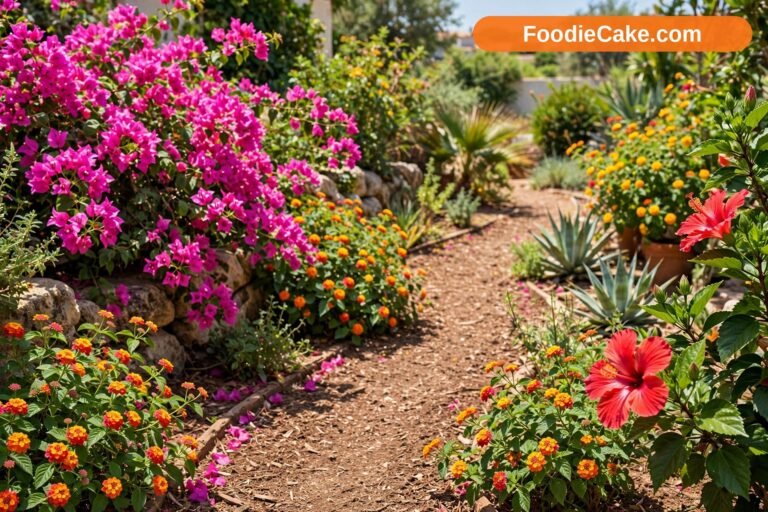
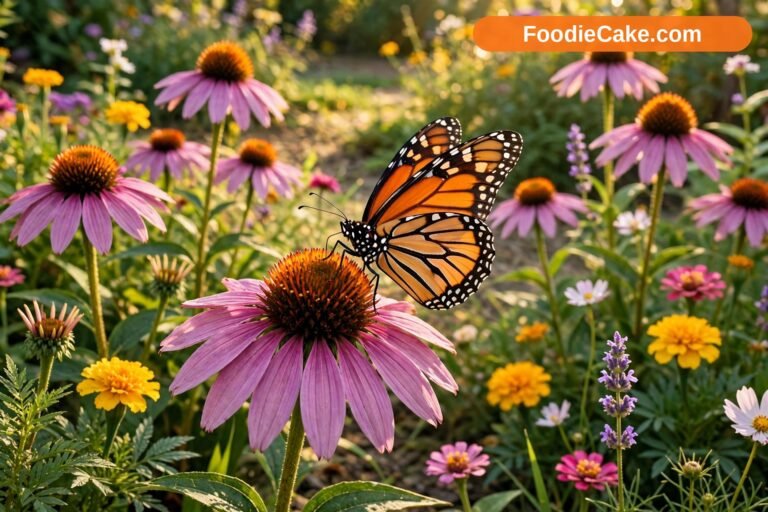
Once the core plants are in, a few extra easy flowers round out a beginner’s garden beautifully. Sweet peas bring scent that no shop-bought flower matches. Sow the hard, round seeds in autumn in mild areas or in spring elsewhere, give them canes, netting, or a fence to climb, and pick the flowers every few days — picking is the secret, because sweet peas left to set seed stop flowering. ‘Spencer’ mixes give long stems in almost every colour. Nasturtiums are the opposite of precious. They thrive in poor soil where other flowers sulk, trail or climb depending on variety, and produce orange, red, and yellow flowers that — along with the peppery leaves — are edible in salads. ‘Alaska’ has attractive variegated leaves, and ‘Jewel’ series plants stay compact. Sow the big seeds directly where they will grow and stand back. Cosmos and zinnias deserve a mention too: both flower for months, prefer lean soil and neglect, and in hot sunny gardens in zones 7–10 zinnias flower tirelessly through heat that exhausts other annuals.
The Pot by the Door: Four Herbs
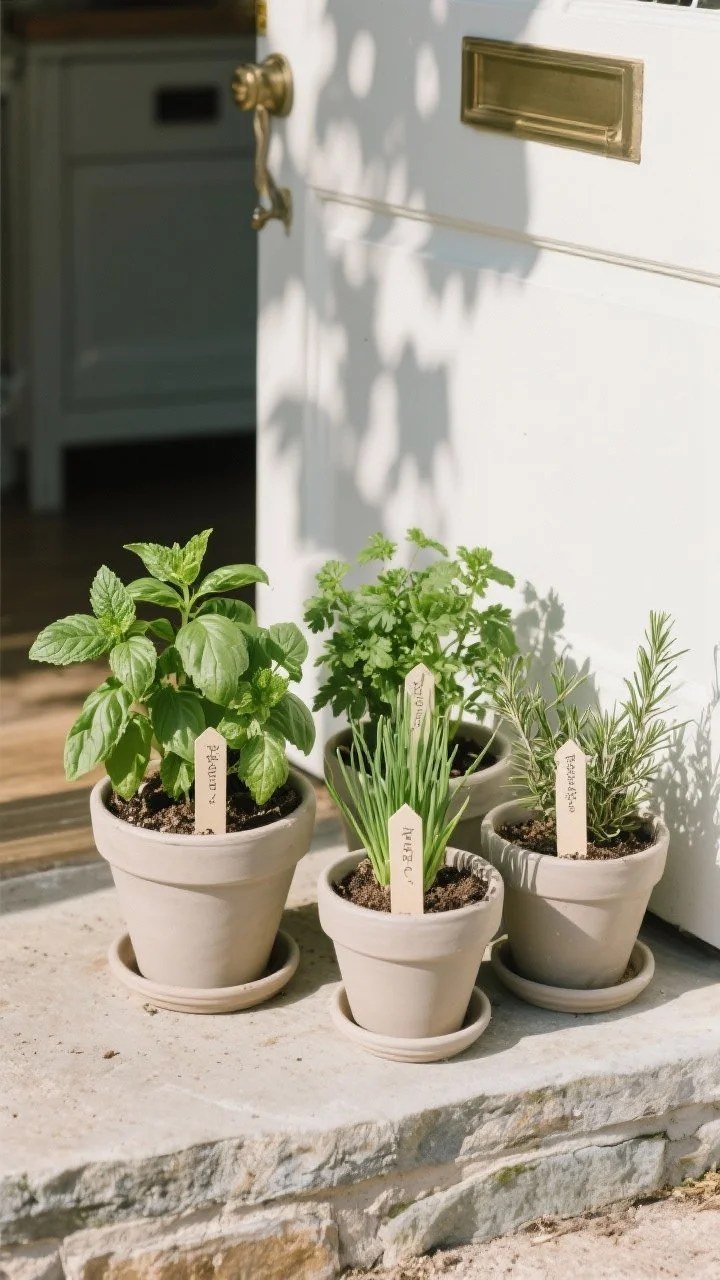
A small herb collection is the highest-value planting a beginner can make, because fresh herbs are expensive to buy, used in small amounts, and vastly better picked minutes before cooking. Start with four of the easiest.
Chives are practically indestructible — a perennial clump that returns every year, shrugs off winter in most zones, produces pretty purple flowers bees adore, and asks only to be cut back now and then. Flat-leaf parsley, sown in spring, gives months of picking from a few plants and survives light frosts happily. Basil is the summer favourite, made for tomatoes, but it is a warm-weather plant: never put it outside until nights are reliably mild, and pinch out the growing tips regularly to keep it bushy and delay flowering. ‘Genovese’ is the classic choice for pesto. Grow it in a pot by a sunny door and it will reward a moment’s attention every time you pass. Mint comes with a warning that is really a recommendation in disguise: it is so vigorous it should always be grown in a pot, never loose in a bed, because it spreads by runners and will happily take over a border. In a container it is the perfect beginner plant — nearly impossible to kill and useful for tea, salads, and summer drinks. Herbs like these are also the natural starting point if you later explore low maintenance garden plants more widely, because they prove how much a garden can give for how little weekly effort.
Your First Garden, Sorted by Space
The plants on this list fit almost any space. Here is how to choose for yours:
| Your space | Best first picks | Notes |
|---|---|---|
| Balcony or patio (pots only) | ‘Tiny Tim’ tomatoes, dwarf beans, herbs, salad leaves, dwarf sunflowers like ‘Big Smile’ | Use the biggest pots you can manage; water faithfully and feed regularly, since nutrients wash out of pots with watering |
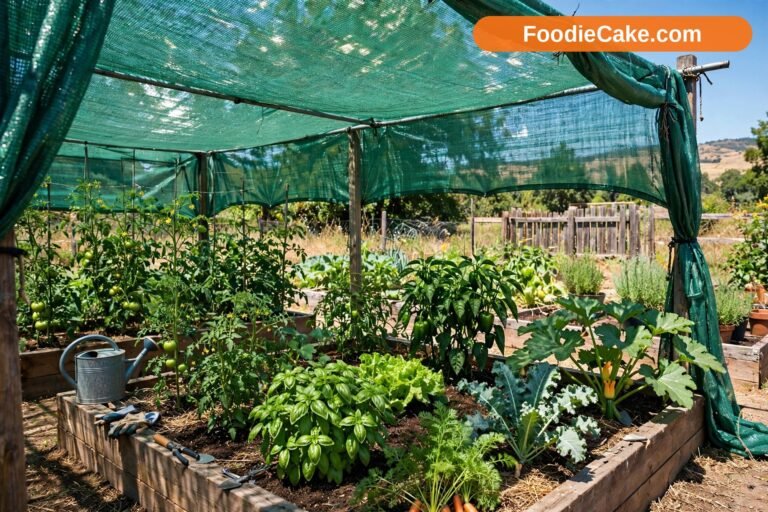
| One small bed | Cherry tomatoes, one courgette, radishes, marigolds, chives | Put the bed where you walk past it daily; a sunny spot outside the kitchen door beats the far end of the plot |
| One raised bed | Tomatoes, beans, salad leaves, courgette, sunflowers at the back, herbs at the edge | Fill with good topsoil and compost; raised beds warm up earlier in spring and drain better |
| A shadier spot (4 to 5 hours of sun) | Salad leaves, parsley, chives, mint | Skip tomatoes and courgettes here — they need six-plus hours to fruit well |
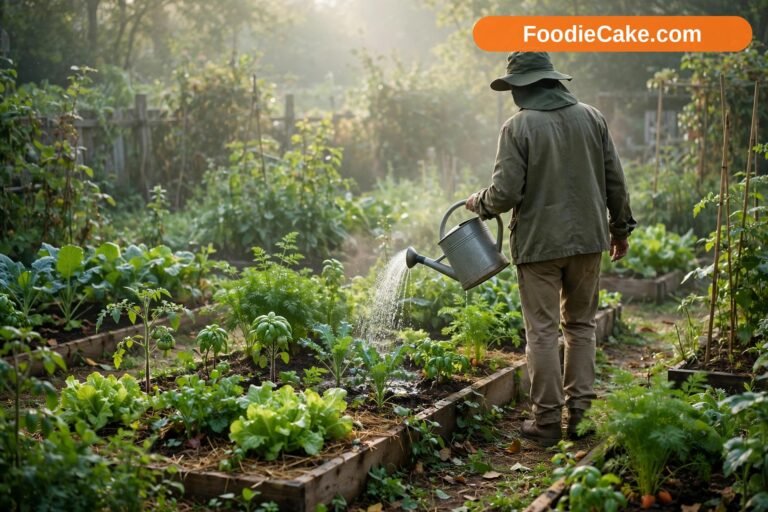
Whatever the space, the care routine is the same. Water the soil, not the schedule: push a finger into the soil, and if it is dry an inch or two down, water deeply at the base of the plant, ideally in the morning. Beginners kill more plants with frequent light sprinkling — and occasionally with kindness, daily watering of plants that did not need it — than with drought. Feed a little, mulch a lot: a layer of compost, straw, or shredded leaves two to three inches thick around your plants keeps moisture in, weeds down, and soil life happy, and it forgives several watering sins on its own. A general-purpose feed every few weeks during the growing season is plenty for most of the plants in this guide.
The Five Mistakes That End First Gardens Early
Planting everything at once. Sowing your entire first seed order in one weekend gives you a glut of everything in the same fortnight and gaps the rest of the year. Sow little and often — especially radishes, salad leaves, and beans.
Starting tender plants too early. Tomatoes, basil, courgettes, and beans sown or planted out before the cold has truly finished will sulk, stall, or die, and a stalled plant rarely catches up with one planted later into warm soil. Check your last frost date, believe it, and remember that in zones 5–7 a late-May tomato often outperforms an early-May one by midsummer. Maryland Extension’s advice matches: harden transplants off gradually before planting them out, and transplant on a cloudy, calm afternoon if you can.
Crowding plants too closely. Seedlings look lost and tiny in a big bed, so beginners plant them cheek by jowl — then the courgette swallows the carrots, the tomatoes form a mildew-prone jungle, and everything competes for light and water. Trust the spacing on the packet. Empty-looking gaps in May become a full, healthy bed by July.
Choosing difficult plants first. Heirloom curiosities, melons in a cool climate, cauliflowers — notoriously fussy about timing and weather — and anything described as needing constant attention are poor first projects. There is no shame in easy plants. Master the forgiving ones this year and you will have the skills, and the soil, to succeed with the demanding ones later.
Giving up after one failure. Every gardener, without exception, has a list of plants that failed: seeds that never came up, seedlings eaten overnight, a crop lost to a late frost. Treat each failure as information — wrong timing, wrong spot, wrong plant for your climate — adjust one thing, and try again. A garden is a long conversation, not a single exam. The University of Vermont Extension says it well: gardening is a learning process, and keeping basic notes about what grew well and what did not will be your best resource when planning next year.
Questions, Answered
What is the easiest vegetable for a complete beginner to grow?
Radishes are the fastest route to a first harvest, ready in as little as three to four weeks, but courgettes are arguably the most rewarding easy vegetable, because one plant produces so much for so long. Dwarf French beans and cherry tomatoes run them close. If you grow only three vegetables in your first year, make it one quick one, one generous one, and tomatoes — for the flavour that keeps you gardening.
What if I only have a balcony or patio?
You can grow a surprising amount in containers. Choose compact varieties — ‘Tiny Tim’ tomatoes, dwarf beans, herbs, salad leaves, strawberries in baskets, and dwarf sunflowers like ‘Big Smile’. Use the biggest pots you can manage, water faithfully, and feed regularly, since nutrients wash out of pots with watering.
How much sun do beginner plants actually need?
Most vegetables and the flowers in this guide want full sun — at least six hours of direct sunlight a day, and more is usually better for fruiting crops like tomatoes and courgettes. If your space is shadier, lean on the shade-tolerant end of the list: salad leaves, parsley, chives, and mint all manage with four or five hours, and mint actually appreciates relief from fierce afternoon sun in hot zones.
When should I start my first garden?
Start with the season you are in rather than waiting for a perfect moment. In spring, sow the main summer crops after frost; in summer, plant heat-lovers and sow beans and salads in succession; in autumn in mild zones, sow radishes, spinach, and sweet peas for overwintering.
Do I need special soil or can I use what I have?
Most beginner plants grow happily in ordinary garden soil improved with a few inches of compost forked in before planting — compost helps both heavy clay and thirsty sandy soil. In pots, use fresh multi-purpose compost rather than garden soil, which compacts in containers. Do not let soil perfectionism delay your first planting.
How do I stop slugs and snails eating my seedlings?
Go out at dusk with a torch and remove them by hand for a few evenings — unglamorous and very effective. Protect young plants with cloches or cut-off bottles until they are big enough to shrug off nibbling, and encourage frogs, birds, and hedgehogs, which do much of the work for free.
The Six-Plant Starter List
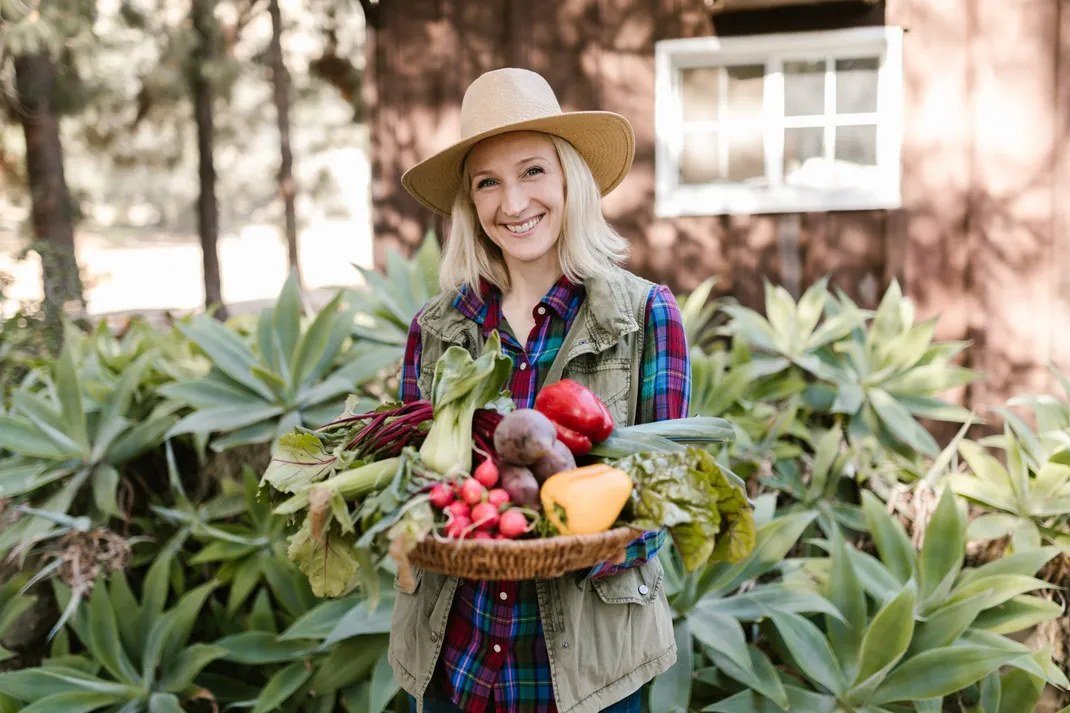
Here is the whole guide as a shopping list. Take it to the garden centre and you are done.
- Cherry tomatoes — one or two plants, a sunny spot, a stake or cage
- One courgette — give it three feet of room and pick it small
- Radishes — a short row, sown every couple of weeks
- Dwarf French beans — sow after frost, pick young and often
- Marigolds — along the bed edge, for colour and pollinators
- A pot of herbs — chives, parsley, basil, and mint in its own pot
A first garden does not need to be ambitious to be a triumph. A cherry tomato plant by the door, a courgette that will not stop producing, marigolds blazing along the bed edge, and a pot of herbs you brush past every morning will teach you more about gardening — and give you more pleasure — than a grand design you cannot keep up with. The best garden plants for beginners are simply the ones that grow generously while you learn, forgive the mistakes every new gardener makes, and reward you quickly enough to keep you coming back.
So pick a handful of plants from this list, put them in your sunniest spot, water them deeply and mulch them well, and start. Make notes, expect a failure or two, and enjoy the small daily pleasure of picking food and flowers you grew yourself. Next season you will be the gardener recommending favourites to someone else — and you will almost certainly still be growing most of the plants on this list, because easy, generous plants stay favourites long after the beginner stage is over. University of Maryland Extension’s guide to starting a vegetable garden and the University of Vermont Extension’s first vegetable garden guide both land in the same place: start small, choose easy high-yielding plants, and enjoy the harvest you grew yourself.
Sources
- University of Maryland Extension — “How to Start a Vegetable Garden” — extension.umd.edu
- University of Vermont Extension — “Get Growing: Starting Your First Vegetable Garden” — uvm.edu
- FoodieCake — best fast growing vegetables for beginners and low maintenance garden plants