
How to Attract Butterflies to Your Garden
The quick answer: give butterflies four things in one sunny, sheltered place — nectar flowers from spring to autumn, the specific host plants their caterpillars eat, shallow water and damp ground for minerals, and somewhere safe to shelter and overwinter — and stop spraying insecticides. Plant in drifts, not singles, and accept chewed leaves: they mean the garden is working.
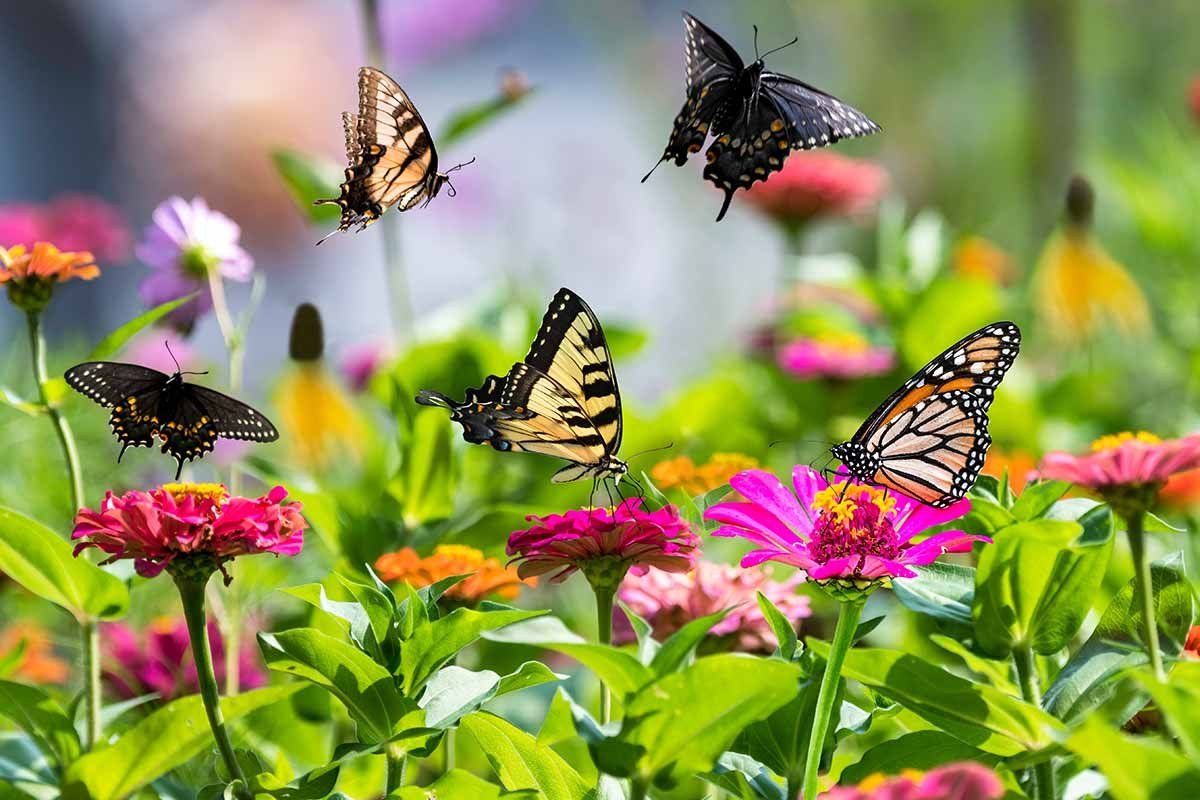
If you are wondering how to attract butterflies to your garden, start by thinking like a butterfly rather than like a gardener tidying a border. Butterflies need sunshine to warm their wings, flowers that are easy to land on and sip from, quiet corners to shelter in when the wind picks up, and — this is the part many people miss — the right plants for their caterpillars to eat. Give them all of that in one place, and a garden that felt a little quiet can soon be busy from late spring right through to early autumn.
You do not need a large plot or a wild meadow to succeed. A sunny bed, a group of pots on a patio, or even a wide window box can work if the plants are chosen well and chemicals are kept out of the picture. What matters most is continuity: something in flower for as many weeks as possible, and somewhere safe for each stage of the life cycle, from egg to caterpillar to chrysalis to adult.
It also helps to adjust your expectations a little. A butterfly garden is not a perfectly clipped garden. It is a little looser, a little more generous, with seed heads left standing, a patch of leaves left alone in autumn, and a few chewed leaves accepted as a good sign rather than damage. In return you get movement, colour, and the quiet pleasure of watching monarchs, painted ladies, common blues, red admirals, and swallowtails go about their day just a few feet from where you sit with a cup of tea. This guide is organised around the butterfly’s life, because that is the order that matters: what each stage needs, then how to put it all together in a real garden.
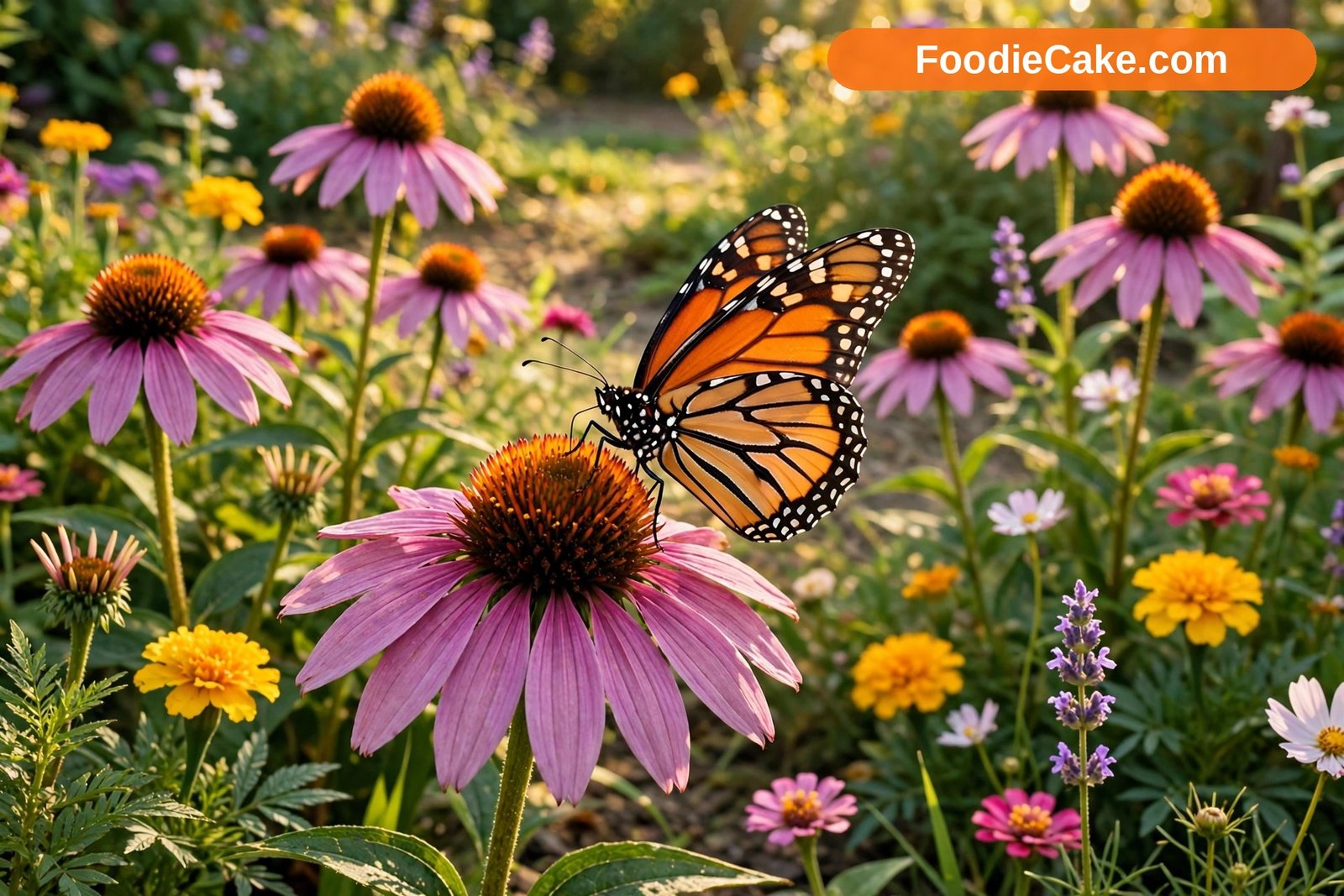
Think Like a Butterfly: The Life Cycle
The Xerces Society’s butterfly gardening fact sheet puts it plainly: to create a landscape that is inviting for butterflies you should consider their life stories. They begin as eggs, hatch into caterpillars that eat plants, spend time as a chrysalis, and eventually transform into winged adults that flit around looking for food, mates, and places to lay new eggs. During each of these stages butterflies have very different needs. The more of these needs you can supply, the greater the chance that your backyard will become a home for butterflies.
| Life stage | What it needs | What you provide |
|---|---|---|
| Egg | The right host plant to be laid on | Milkweed, parsley, nettles, trefoil — matched to the species |
| Caterpillar | Plenty of its one food plant, and no sprays | Host plants you are willing to see chewed |
| Chrysalis | A safe, undisturbed place to pupate | Bushes, tall grass, piles of leaves or sticks left alone |
| Adult | Warmth, nectar, water, and shelter | Sunny flowers in drifts, flat basking stones, a puddling dish |
That table is the whole strategy in miniature. A garden that only feeds adults is a café with no homes nearby — pleasant for a stop, empty by the next generation. A garden that also raises caterpillars becomes a place butterflies are born in, and those butterflies come back.
Sun and Shelter: The Warm Pocket
Butterflies are cold-blooded, which means they rely on the sun to raise their body temperature enough to fly. Most species need to bask before they can feed properly, so a garden that is shady for much of the day will always struggle to hold them, no matter how good the flowers are. Look for a spot that gets at least six hours of direct sun, ideally including the warm morning sun that gets butterflies moving early.
Shelter matters almost as much as sun. A border backed by a fence, hedge, or wall holds warmth and cuts the wind, and butterflies will feed far longer in that kind of calm pocket than on an exposed bed where every gust knocks them off a flower. If your garden is windy, create shelter first — a low hedge of lavender, a trellis with a climbing rose or honeysuckle, or even a row of taller perennials at the back of the bed will make a real difference. The Xerces Society makes the same point: nectar flowers and larval host plants should be grown in an open, sunny area that is protected from the wind by large shrubs, a hedgerow, a fence, or some other windbreak.
Think about flat surfaces for basking, too. A pale stone, a sun-warmed log, a flat rock at the edge of a path, or a patch of bare gravel in full sun becomes a warming station. You will often see whites and blues settle with wings spread wide on exactly those spots, soaking up heat before their next round of feeding. Start small if you need to. One sunny, sheltered bed planted densely can support a surprising number of visitors — far better than single plants scattered thinly around a shady garden.
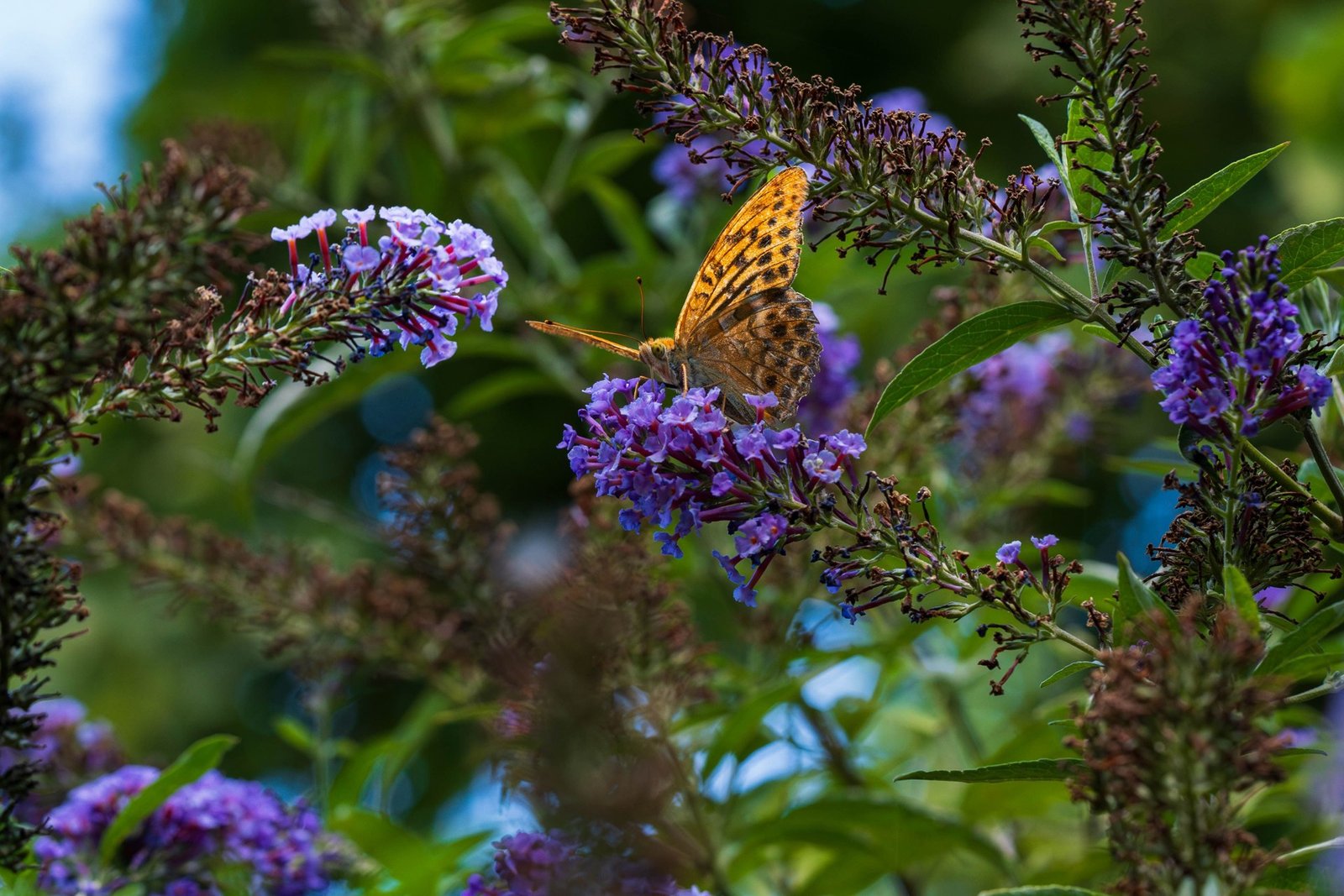
The Nectar Relay: Something in Flower from April to October
Adult butterflies feed on nectar, and not every pretty flower is useful to them. They need blooms where the nectar is easy to reach with a long, thin proboscis, and where there is a flat or gently domed landing pad. Single flowers are almost always better than frilly doubles, because doubles often hide the nectar away or have been bred to produce very little of it.
The real trick is the relay: a sequence of plants that hands the job from one to the next so there is never a gap of more than a week or two with almost nothing open. A gap in July, August, or September sends visitors elsewhere, and they may not come back. If you want a bed that rarely has a gap, choosing flowers that bloom all summer alongside early and late bloomers is the simplest way to keep the table set from April to October.
| Season | What to plant |
|---|---|
| Spring | Wallflowers, honesty, sweet rocket, early alliums, lilac — fuel for butterflies emerging from hibernation or arriving from migration, when very little else is out |
| Early summer | Lavender, catmint, alliums, and the first coneflowers |
| High summer | Buddleia, purple coneflower, verbena bonariensis, zinnias, phlox |
| Autumn | Asters (especially New England aster and compact Michaelmas daisies), sedum ‘Autumn Joy’, and ivy flowers left to bloom on a mature plant — a last vital feed before hibernation or a long flight south |
The Flowers That Work — and the Ones That Don’t
One of the most reliable plants is butterfly bush, Buddleia davidii, which in zones 5–8 flowers from midsummer into autumn and lives up to its name on any warm afternoon. Choose compact, sterile cultivars such as the Lo & Behold or Pugster series if you are in a region where older types self-seed too freely, and cut the faded spikes regularly to keep new ones coming.
Purple coneflower, Echinacea purpurea, is another backbone plant. Its broad, slightly domed centres are perfect landing platforms, it flowers for weeks in summer, and if you leave the seed heads standing, goldfinches and other birds will visit after the butterflies have finished. In zones 3–9 it is a tough, long-lived perennial that asks for little beyond sun and decent drainage.
Add verbena bonariensis for its airy purple clusters on tall, wiry stems from early summer to frost, sedum — now often listed as Hylotelephium — such as ‘Autumn Joy’ for late-season flat heads when little else is fresh, and zinnias for fast, cheerful colour from seed. Zinnias are especially good for swallowtails and monarchs, and the single and semi-double types in pink, orange, and red are far more useful than the tight pompon forms. The Xerces Society’s nectar list covers the same ground: aster, bee balm, black-eyed Susan, goldenrod, Joe-Pye weed, lavender, liatris, milkweed, penstemon, purple coneflower, sedum, sunflowers, and yarrow are all plants worth considering.
And the ones that don’t work: those lush, many-petalled roses and dahlias may look spectacular, but many produce little accessible nectar or pollen. Mix them by all means, but make sure single, open flowers carry most of the feeding work in the bed.
The Host Plants: Where Butterflies Are Actually Born
This is the step that turns passing visitors into residents. A female butterfly will only lay eggs on the specific plants her caterpillars can eat, known as host plants. Without them, butterflies may stop for a drink but they will not stay to breed, and you will have far fewer butterflies in the weeks that follow.
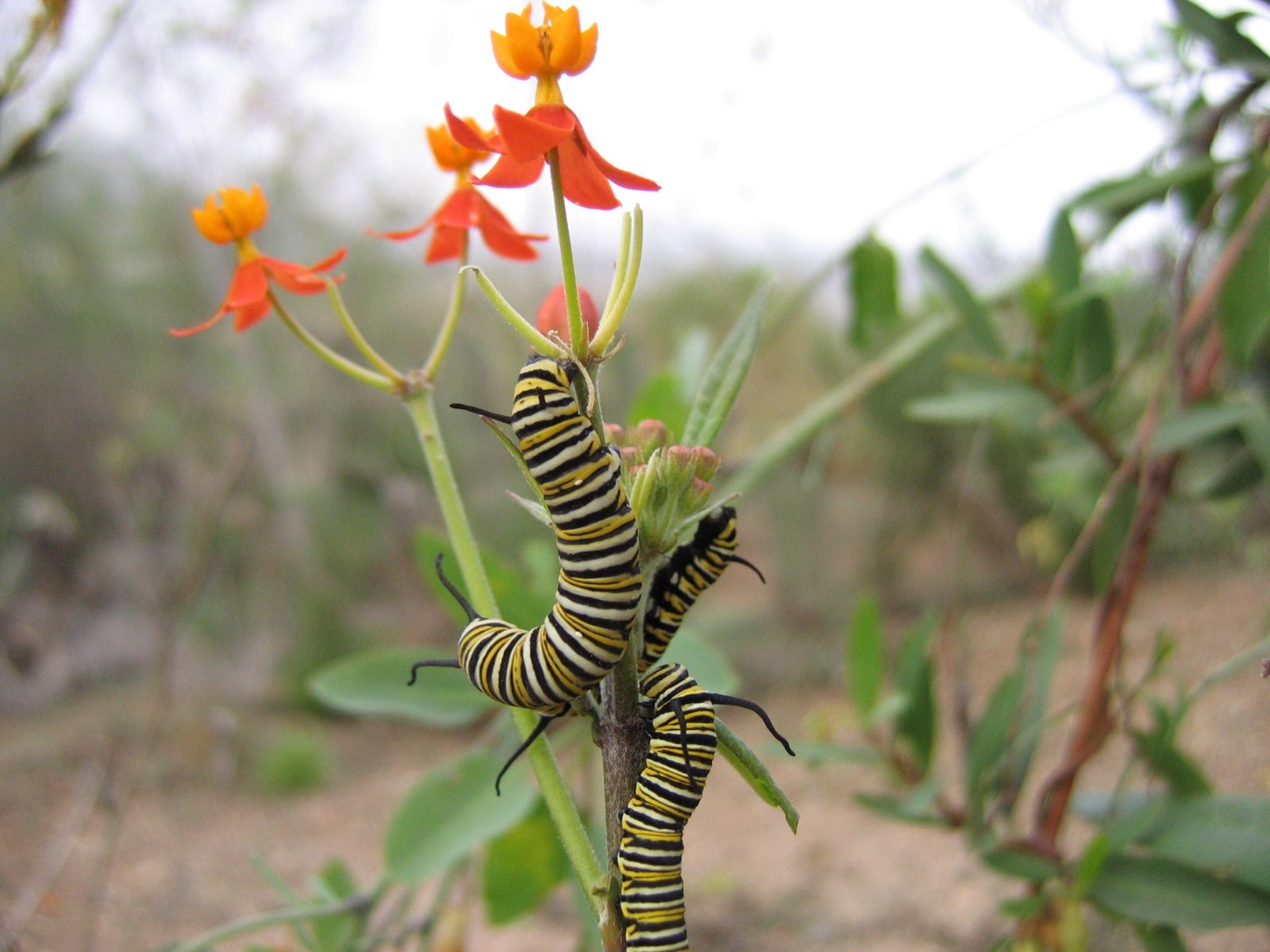
Milkweed is the famous example. Monarch caterpillars feed only on milkweed, so common milkweed, Asclepias syriaca, swamp milkweed, Asclepias incarnata, for damper soil in zones 3–8, and butterfly weed, Asclepias tuberosa, with its brilliant orange flowers for dry, sunny ground in zones 3–9, are essential if monarchs visit your area. The Monarch Joint Venture states it without qualification: milkweeds are the only plants that monarch larvae can eat, so they are essential for monarchs to successfully reproduce — and the best habitat contains a variety of native milkweed as well as nectar plants, with plants that bloom throughout the growing season. Let a patch establish in a corner where its spreading habit is welcome, and resist tidying it too early in autumn. Buy native, locally sourced milkweed where you can; the Monarch Joint Venture recommends it, and notes that milkweed seeds usually need a cold, moist period — stratification — before they germinate, so autumn sowing outdoors is the easiest method.
| Butterfly | Host plant |
|---|---|
| Monarch | Milkweed — common, swamp, or butterfly weed |
| Black swallowtail | Carrot family — parsley, dill, fennel, carrots left to flower |
| Painted lady | Thistles, hollyhocks, nettles |
| Common blue | Bird’s-foot trefoil in lawns and low borders |
| Red admiral and comma | Stinging nettles in a sunny spot |
| Cabbage white | Cabbages, kale, nasturtiums — plant a few sacrificial nasturtiums near the veg patch |
The golden rule is tolerance. Host plants will get chewed, sometimes heavily. That is not failure; it is the whole point. Keep those plants away from your most prized display bed if the sight will bother you, but do not spray them, and do not tidy the caterpillars away. A chewed milkweed or a parsley plant covered in green-and-yellow caterpillars is a nursery, and it deserves the same care as any flower bed. A nettle patch in a sunny wild corner behind the shed is a good argument in itself: red admirals and commas rely on it, and it costs nothing to leave alone.
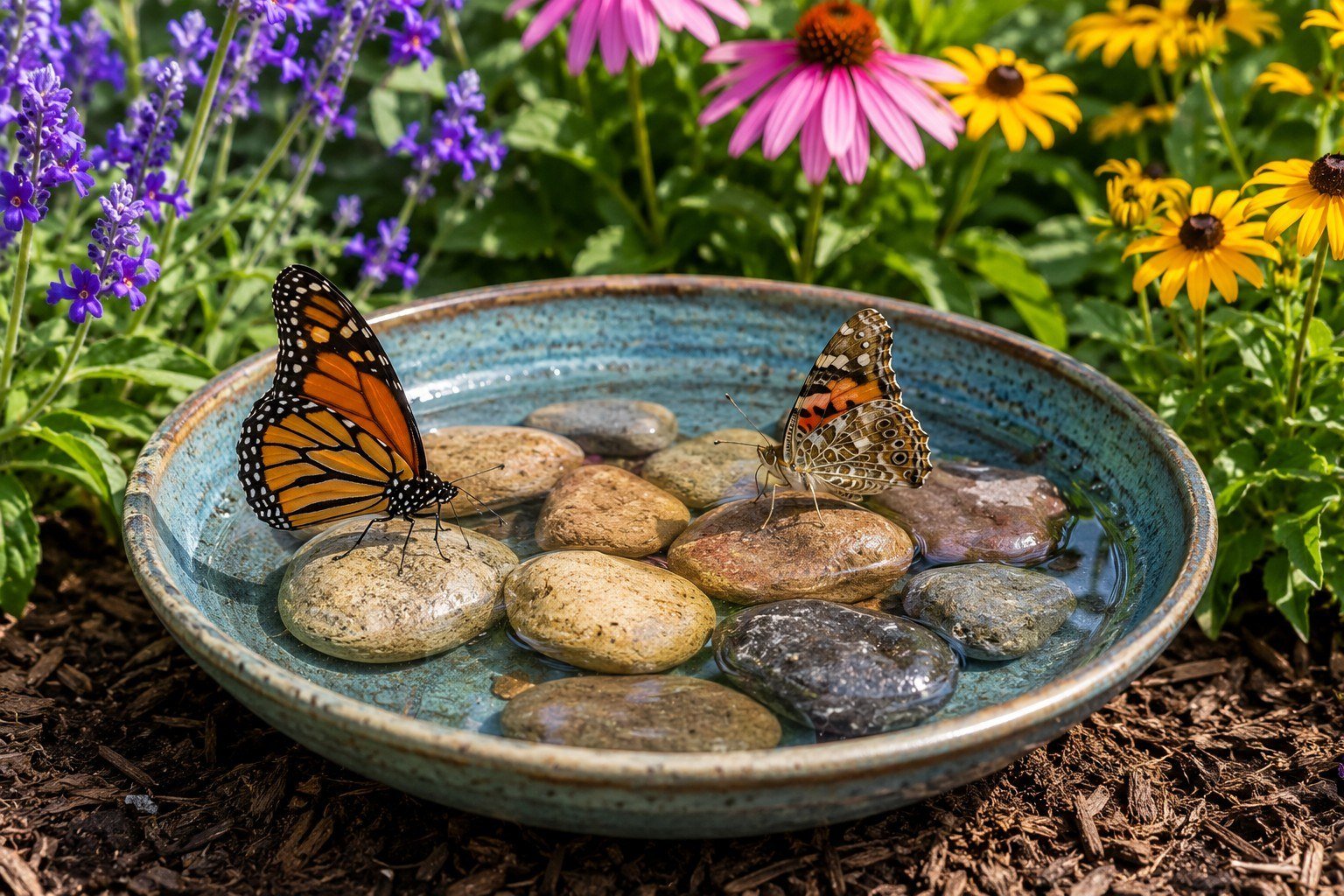
Water, Mud, and Minerals: The Puddling Station
Butterflies do drink, but not in the way birds do. They cannot land on deep, open water safely, so a bird bath alone will not help them much. What they need is shallow water they can stand beside or on, and damp ground where they can pick up minerals and salts — behaviour known as puddling, which you will often see males doing together on a warm path after rain.
Making a puddling station takes five minutes. Fill a shallow saucer or tray with coarse sand or small pebbles, set it level in a sunny spot near the flowers, and add just enough water to keep the surface damp and the tops of the pebbles dry for landing. Top it up on hot days, because it evaporates quickly, and rinse it out every few days so it stays fresh.
A small patch of damp soil works just as well. If you have a dripping tap, a low muddy edge by a pond, or a spot where you regularly water pots, leave a little bare earth there rather than mulching every inch. A pinch of sea salt or a small piece of very ripe fruit nearby can make the spot more attractive on still, warm days, though plain damp earth is usually enough once butterflies discover it.
Put the Spray Bottle Away
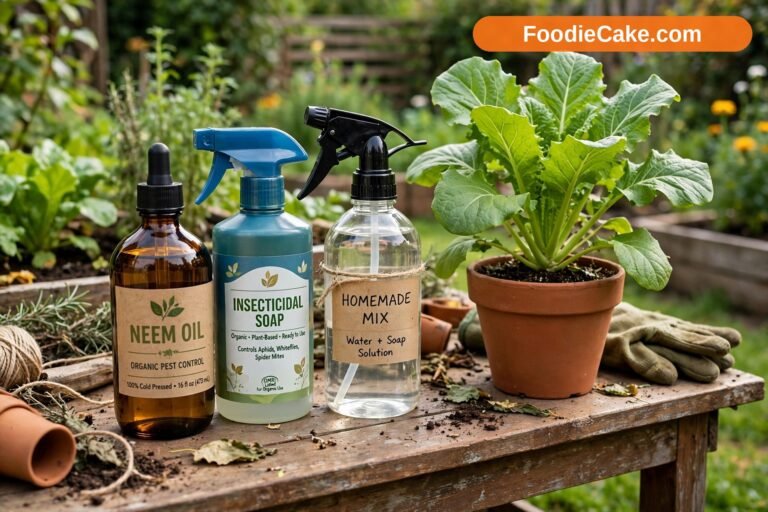
Nothing undoes good planting faster than insecticide. Sprays meant for aphids or caterpillars do not distinguish between a pest and a monarch caterpillar, and even products described as organic, such as Bt sprays, will kill butterfly caterpillars if they drift onto host plants. Herbicides matter too, because they remove the nettles, trefoil, and milkweed that quietly growing in the corners are doing the real work. The Xerces Society’s advice is blunt: do not use insecticides in your garden, and even alternative pest-control methods should be used with caution, keeping in mind the various life stages of butterflies.
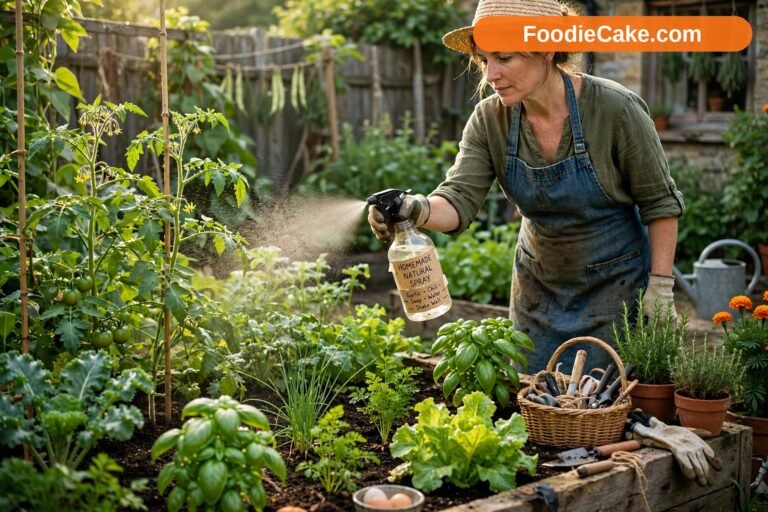
Start by accepting a few aphids. Ladybirds, lacewings, hoverflies, and small birds usually bring numbers down within a week or two, and a strong jet of water from a hose handles a local outbreak on a rose without poisoning anything. If a plant is truly overwhelmed, pruning out the worst stem is often kinder and more effective than reaching for a bottle. A single spray on or near host plants at caterpillar season can wipe out the very brood you planted for, so spot-treat problems by hand, with water, or by pruning — and keep any necessary treatments far from butterfly plants, or better, skip them entirely in that part of the garden.
Finally, think about night. Lighting left on all night can disturb moths and adds nothing for butterflies, which rest after dark. A darker, quieter garden is part of the same gentle bargain.
Planting in Drifts: The Design That Works
Butterflies find flowers by sight as well as scent, and a bold block of one plant is far easier for them to spot from the air than a single stem dotted here and there. Plant in drifts or clumps of at least three to five plants of the same kind, and repeat those clumps through the border. The garden looks better for it, too — generous groups read as a designed border rather than a collection of lonely specimens.
Colour helps. Butterflies are strongly drawn to purple, pink, yellow, orange, and white, so build mainly around those colours, with foliage for contrast. Height matters too. Put taller plants such as verbena bonariensis, Joe-Pye weed, and buddleia at the back, coneflowers and phlox in the middle, and low alyssum and thyme at the front, so every layer stays in the sun.
If you are building a bed from scratch, looking at the best plants for a pollinator garden will give you many of the same backbone plants, because what feeds butterflies well usually feeds bees well too — the two projects overlap happily.
Small spaces work as well. Choose the sunniest spot, use large pots for lavender, buddleia in a compact cultivar, coneflowers, and herbs, add a shallow pebble dish of water, and include at least one host plant such as a pot of parsley or nasturtiums. Avoid sprays completely, and a balcony in zones 5–8 can be busy all summer.
The Mistakes That Empty a Butterfly Garden
Planting only double or highly bred flowers is the first. Those lush, many-petalled roses and dahlias may look spectacular, but many produce little accessible nectar or pollen. Mix them by all means, but make sure single, open flowers carry most of the feeding work in the bed.
Forgetting the caterpillars is the second. A garden full of nectar but with no host plants is a café with no homes nearby — pleasant for a stop, empty by the next generation. Even one pot of parsley left to be eaten, or one milkweed patch, changes that equation.
Cutting everything back too early and too hard is the third. Removing all stems, leaves, and seed heads in autumn tidies the view but destroys shelter and overwintering sites. Many species overwinter as eggs, caterpillars, or chrysalises hidden in leaf litter, hollow stems, and long grass. Delay the main cutback until early spring, when new growth is starting and temperatures are rising — and pile fallen leaves under hedges rather than burning or binning them all, and let a corner of grass grow long.
Planting in shade and hoping for the best is the fourth. Good flowers in a cold, shady corner will still disappoint, because butterflies will not linger where they cannot warm up. If sun is limited, concentrate everything in the one bright spot you do have, even if that means pots on a sunny patio rather than beds under trees.
Letting a nectar gap open in midsummer or autumn is the fifth. It is easy to have a glorious June and then a lull. Check your planting for July, August, and September in particular, and fill gaps with zinnias, cosmos, asters, and sedum rather than adding yet another spring plant.
Questions, Answered
How long does it take for butterflies to find a new garden?
Often surprisingly quickly — a sunny bed in flower can draw its first visitors within days in warm weather, especially if there are gardens, verges, or meadows nearby. Building a breeding population takes longer, usually a full season or two, because it depends on females finding your host plants and on caterpillars surviving through to adults.
What is the single best plant for butterflies?
If you had to pick one, buddleia would be hard to beat for adult feeding over a long season, with purple coneflower a close second. But no single plant does the whole job: you still need early and late flowers and the right host plants for caterpillars, so think of buddleia as the headline act, not the entire show.
Can I attract butterflies to a small garden or balcony?
Yes. Choose the sunniest spot, use large pots for lavender, buddleia in a compact cultivar, coneflowers, and herbs, add a shallow pebble dish of water, and include at least one host plant such as a pot of parsley or nasturtiums. Avoid sprays completely, and a balcony in zones 5–8 can be busy all summer.
Why do butterflies visit my garden but never stay?
They are probably finding nectar but not the other things they need: host plants for egg-laying, shelter from wind, a place to bask, or shallow water. Watch where they go and how long they linger. A short visit usually points to a missing piece rather than the wrong flowers, and adding host plants is the fix that helps most often.
Should I buy and release butterflies to get started?
It is better not to. Released butterflies may be the wrong species for your area, may carry disease, and often fly away immediately anyway. Planting well and waiting for wild butterflies to find you builds a healthier, self-sustaining population that returns year after year without any help.
Your First Season: A Simple Start
Attracting butterflies is not about one magic flower. It is about putting the whole picture together in one sunny, sheltered place: nectar from spring to autumn, host plants you are willing to see chewed, shallow water, flat stones for basking, and a firm decision to put the spray bottle away. Do those things and you are no longer just decorating a border — you are running a small, complete habitat.
Start with what you can do this season:
- Plant a buddleia and a drift of coneflowers in the sunniest, most sheltered spot you have.
- Let a pot of parsley go to the caterpillars, and give milkweed a corner if monarchs visit your area.
- Set out a saucer of pebbles and water, and add a flat stone for basking.
- Leave one corner a little wilder than before — stems standing, leaves piled under the hedge.
- Keep a simple list of what you see and when: noting the first painted lady in June or the last red admiral in October shows you where your flowering gaps are far better than any plan on paper.
Then sit nearby on the next warm, still morning and watch. Once the first monarch or painted lady settles and stays, feeding calmly just a few feet away, you will understand why gardeners who plant for butterflies rarely go back to planting only for themselves. The Monarch Joint Venture’s planting monarch habitat guide and the Xerces Society’s butterfly gardening fact sheet both land in the same place: plant for every life stage, keep the flowers coming all season, and put the sprays away.
Sources
- Monarch Joint Venture — “Planting Monarch Habitat” — monarchjointventure.org
- The Xerces Society for Invertebrate Conservation — “Butterfly Gardening” (fact sheet, via University of Maryland Extension) — extension.umd.edu
- FoodieCake — flowers that bloom all summer and best plants for a pollinator garden


One Comment